Meaning
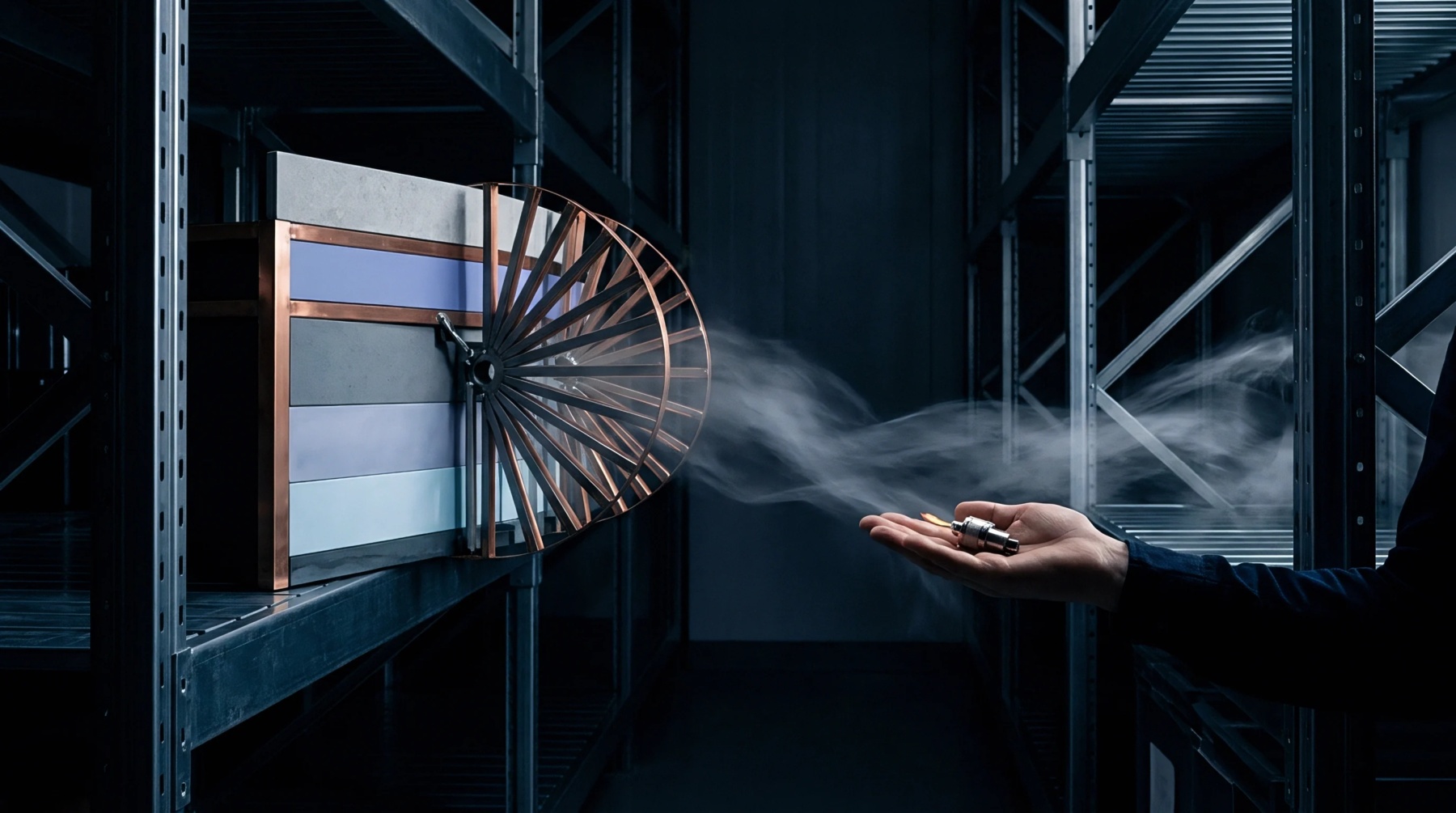
Convergent-divergent nozzle assemblies in gas atomization systems accelerate the cooling gas stream to velocities exceeding the speed of sound. Utilizing a supersonic gas die allows for the production of ultra-fine metallic powders used in battery electrode coatings and additive manufacturing. The apparatus is not used in low-pressure liquid spray systems.
Nozzle Aerodynamics
Achieving high gas velocities requires precise control over the inlet pressure and the physical geometry of the gas channels. A well-designed supersonic gas die creates high shear forces that break the liquid metal stream into fine droplets.
Atomization Efficiency
Producing powder with a small average diameter is critical for modern solid-state battery manufacturing. The use of a supersonic gas die increases the yield of sub-twenty micron particles, reducing the need for extensive post-atomization milling. This efficiency reduces the thermal stress on the material during processing.
High-purity argon or nitrogen is supplied to the die at pressures exceeding five megapascals to maintain the supersonic flow profile during long production runs.
Equipment Maintenance
Sourcing departments must ensure that the components used in the gas manifold are made from wear-resistant materials. The internal surfaces of the supersonic gas die are subjected to high gas velocities and thermal radiation from the molten metal pool. Any erosion of the exit channels will distort the gas flow, leading to coarser powder and frequent nozzle blockages.
Technicians must perform regular micro-dimensional scans to verify that the nozzle geometry has not deviated from the original specification.