Meaning
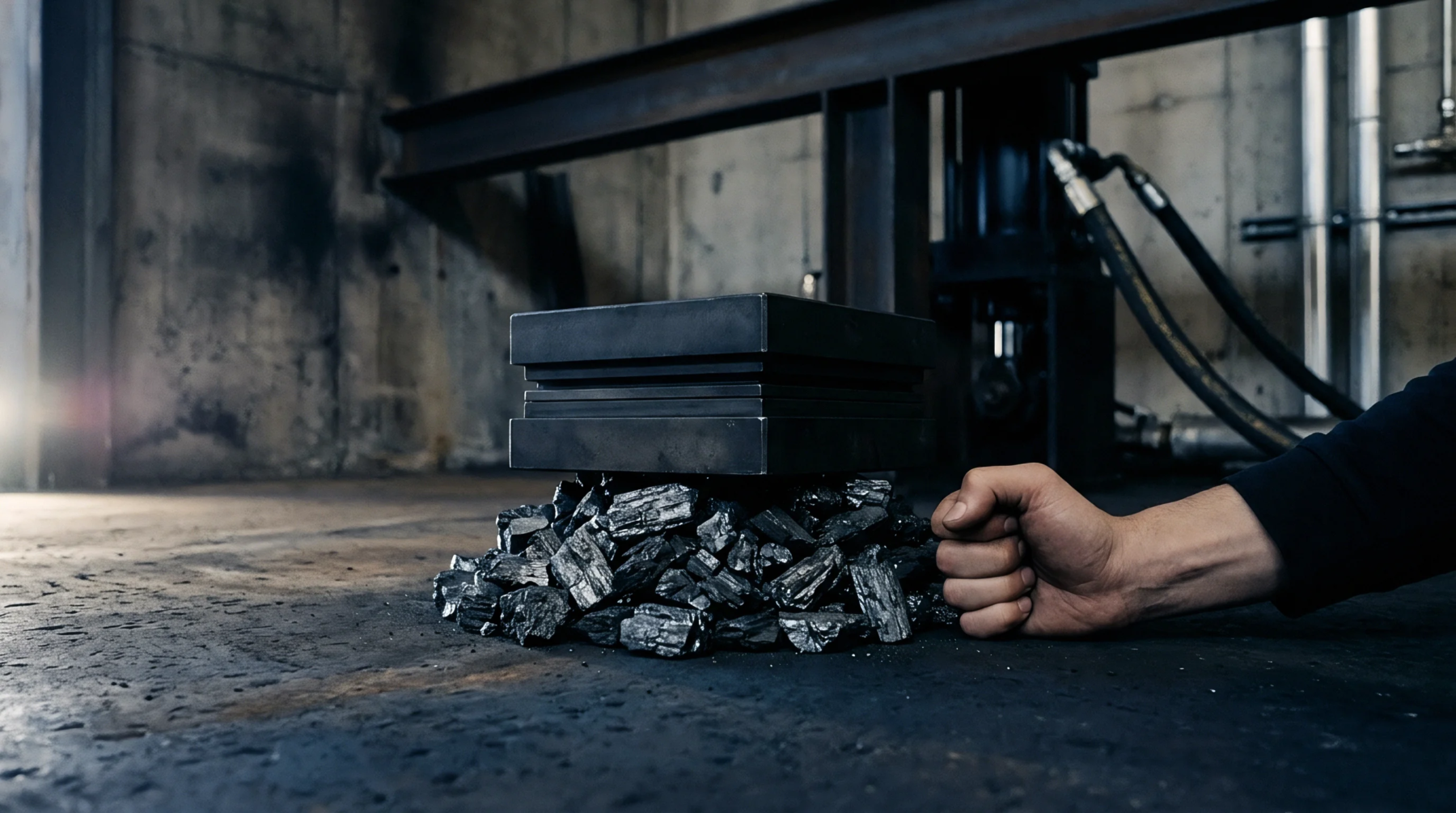
Material processing method increases the mass of a powder that can settle into a given volume through mechanical tapping. In battery electrode manufacturing, tap density optimization adjusts particle size distribution and morphology to maximize the volumetric energy density of the finished cells. This process directly affects how much active material can be packed into a fixed electrode volume.
Powder Compactness
The measurement involves agitating a graduated cylinder containing a known mass of carbon powder until no further volume change occurs. Achieving tap density optimization requires blending different particle sizes to fill the void spaces between larger grains. This multi-modal distribution allows the powder to pack more tightly.
Volumetric Capability
Higher tap density is critical for achieving high volumetric energy density in commercial battery packs. When anode powders undergo tap density optimization, the resulting electrode coatings require less solvent during slurry preparation and can be calendered to a higher loading. This optimization helps reduce the thickness of the overall cell for a given capacity.
However, the compression must be balanced with the need for electrolyte access to prevent lithium plating during fast charging.
Processing Condition
Particle shape plays a major role, as spherical grains pack more efficiently than irregular flakes. Air jet milling and spheroidization are commonly used to round the active materials. These mechanical treatments are carefully tuned to avoid creating excessive fine particles.