Meaning
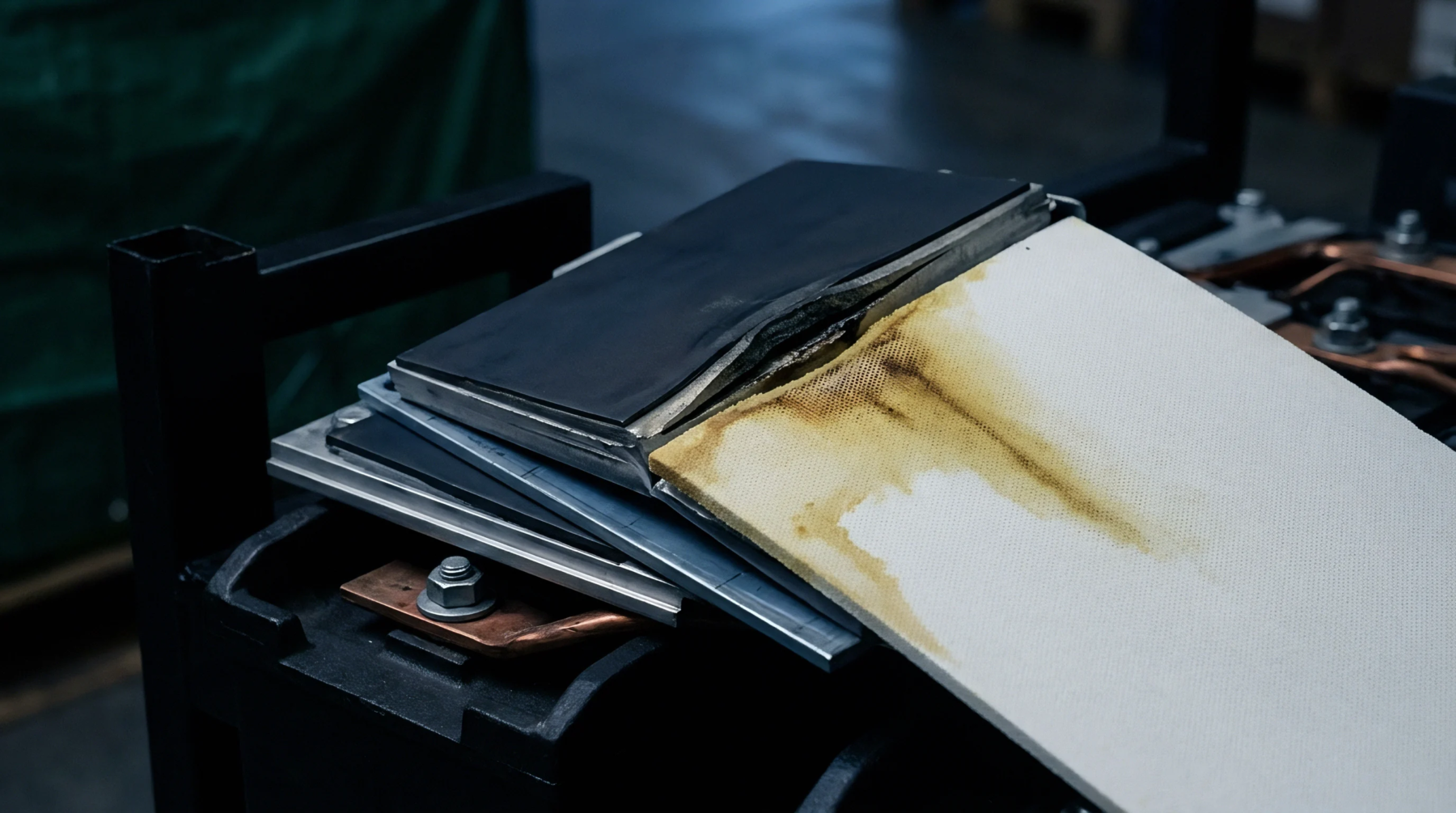
Discrepancy between the rates at which different materials in a battery pack change volume in response to fluctuations in the operating temperature of the system. Encountering thermal expansion coefficient mismatch is common when bonding metals to plastics or ceramics within a battery module. As the temperature rises during fast charging, the aluminum frame and the plastic cell holders expand at different speeds.
This creates internal stress at the interfaces where the materials are joined together. If the stress is too high, it can lead to warping or the failure of the adhesive bonds.
Interface Stress
Mechanical tension builds up at the boundary between two materials that do not expand equally. When thermal expansion coefficient mismatch is present, the faster expanding material pulls on the slower one. This can cause cracks in the brittle components or permanent deformation in the softer ones.
In a battery pack, this stress often focuses on the electrical busbars and the cell tabs. Repetitive heating and cooling cycles can eventually lead to fatigue failure of these critical connections. Designers must use flexible connectors to absorb some of this movement.
Fatigue Cycle
Longevity of the battery system depends on its ability to withstand thousands of temperature fluctuations. The effects of thermal expansion coefficient mismatch are cumulative over the life of the product. Each time the battery heats up, the mechanical stress returns and weakens the structure.
This is particularly problematic for large scale energy storage systems that are exposed to outdoor weather conditions. Proper material selection can minimize the difference in expansion rates. Engineering teams use simulation tools to predict the life of the joints under these conditions.
Selection Criteria
Mitigation of this problem requires choosing materials with similar thermal properties. Reducing the thermal expansion coefficient mismatch is a primary consideration when selecting the polymers for the cell spacers. Some high performance plastics are engineered to have expansion rates that closely match the aluminum used in the frame.
Using compliant adhesives that can stretch without breaking also helps manage the internal loads. The goal is to create a structure that moves as a single unit when the temperature changes. This approach prevents the buildup of localized stress that could compromise the safety of the pack.
The final material list is a balance of weight, cost and thermal stability.