Argon Gas Supply Calibration in Metal Powder Atomization
Precision calibration of argon mass flow and trace purity controls particle size distribution and prevents interstitial oxide formation in atomized powders.

Nozzle
Disintegrating the melt stream depends directly on momentum exchange efficiency at the tip of the liquid metal feed tube. High-velocity gas exiting the annular orifice strikes the liquid metal stream, driving primary waves that quickly break down into fine droplets. If delivery pressure fluctuates by even two percent during a production run, jet stability breaks down and shifts the particle size distribution toward coarse fractions.
Calibrating the gas supply circuit at the atomization die maintains uniform liquid shearing.
Gas Dynamics in Close Coupled Atomization Dies
supersonic flow regimes dominate the immediate discharge zone in close-coupled die geometries. Operating at static plenum pressures between 2.0 and 6.0 MPa, these dies accelerate inert gas streams to Mach 1.5 to 2.8. Gas kinetic energy at these speeds shears the liquid metal column into an expanding plume of droplets.
This plume remains stable only if the manifold supplies continuous mass flow free of acoustic pulsation or thermal expansion transients.
Static pressure in the atomizer plenum dictates liquid draw rate via the aspirator effect. Lower pressure at the liquid tip creates a suction force that pulls metal from the tundish nozzle. If gas delivery pressure drops below design threshold, aspirator suction collapses, causing melt stream swelling, nozzle tip freezing, or heavy splash build-up.
Excess gas pressure drives the recirculating vortex above the die tip, pushing molten droplets backward onto the ceramic tip face. Daily line checks record static differential pressure across the die annulus with calibrated digital transmitters before heating the tundish.
| Atomization Pressure (MPa) | Gas-to-Metal Ratio (kg/kg) | Mean Velocity at Annulus (m/s) | Yield Fine Powder D50 (µm) | Satellite Fraction (%) |
|---|---|---|---|---|
| 2.5 | 1.8 | 420 | 48.2 | 8.5 |
| 4.0 | 2.6 | 560 | 31.5 | 4.2 |
| 5.5 | 3.8 | 680 | 18.4 | 2.1 |
| 7.0 | 5.1 | 770 | 12.1 | 5.8 |
Shock Wave Structures and Gas to Metal Mass Ratio
Under-expanded and over-expanded jets generate standing shock diamonds in front of the liquid orifice. These shock structures alter local dynamic pressure, shifting droplet breakup from bag breakup to sheet stripping. A gas-to-metal mass ratio below 2.0 leaves coarse, irregular particles with internal void spaces.
Ratios above 4.5 raise operational costs while generating excessive fine dust that clogs downstream sieving and handling.
Mass flow stability requires tight control of gas temperature before expansion. Gas density varies inversely with absolute temperature, so a 15 kelvin rise in supply line temperature cuts mass throughput by 2.6 percent at constant pressure. Vaporizers that fail to hold outlet gas temperature within five kelvins introduce uncalibrated mass flow variations during long production heats.
Uncalibrated delivery pressure shifts primary atomization boundaries, producing out-of-spec powder that requires complete re-melting or heavy discounting on the scrap market.

Purity
Inert atmosphere integrity controls interstitial contamination in reactive alloy powders. Titanium alloys, nickel-base superalloys, and high-silicon aluminum rapidly absorb atmospheric gases at melt temperatures above 1400 degrees Celsius. Trace contaminants entering the spray chamber turn soluble elements into brittle oxide and nitride inclusions, lowering fatigue life in finished additive components.
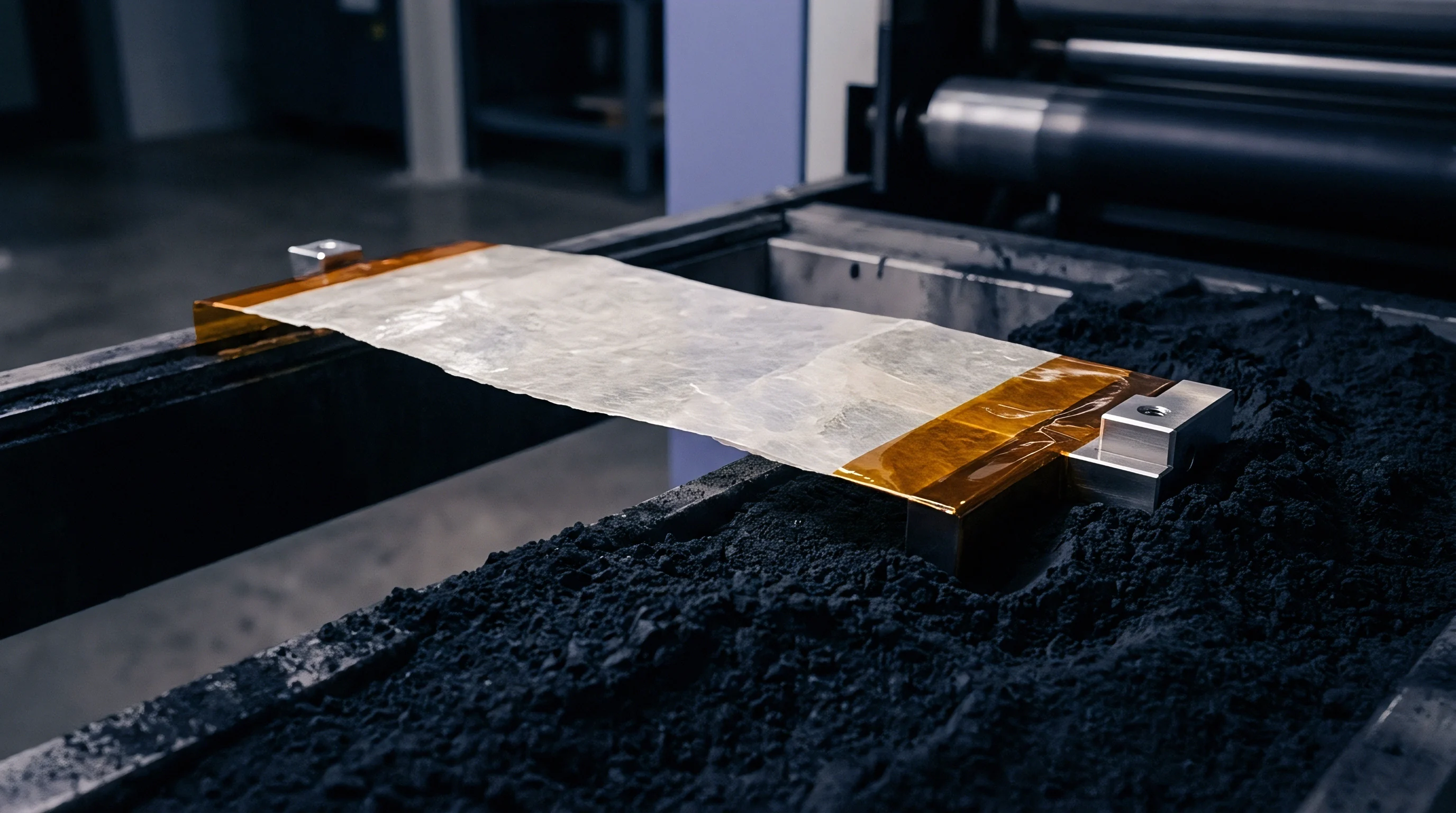
Contaminant Limits in Inert Gas Delivery
Grade 5.0 gas specifications cap total impurities under 10 parts per million by volume, requiring oxygen below 2.0 ppm and water vapor beneath 3.0 ppm. Powders for additive manufacturing and current collector foils for high-performance batteries demand Grade 6.0 gas, where total impurities cannot exceed 1.0 ppm. Nitrogen acts as an interstitial strengthener in titanium alloys, altering tensile yield behavior if concentrations shift by more than 50 ppm between production batches.
At oxygen concentrations above 5 parts per million in the atomization tower argon supply, titanium powder batches exhibit a 180 part per million pickup in interstitial oxygen content.

Oxygen and Water Vapor Pickup Kinetics
Molten droplets present extreme surface-area-to-volume ratios as they fall down the cooling tower, allowing chemical reactions with impurity gas molecules to occur within milliseconds. Water vapor decomposes on contact with liquid metal, releasing free hydrogen into the matrix and forming oxide skins across droplet surfaces. These surface oxides elevate melt surface tension, hindering spheroidization and encouraging satellite formation where small particles weld to larger spheres.
- Oxygen contamination forms stable surface oxide layers on atomized droplets that suppress powder sinterability during field consolidation.
- Moisture ingress introduces elemental hydrogen into the solidifying lattice, driving micro-porosity in consolidated laser powder bed fusion components.
- Nitrogen pickup alters beta-phase stability in titanium powders and promotes chromium nitride precipitation along grain boundaries in stainless steels.
- Hydrocarbon traces decompose under plasma arc re-melting temperatures to deposit free carbon that skews carbon-equivalent calculations in tool steel powders.
Continuous inline purification systems use catalytic deoxidation beds paired with dual-tower molecular sieve desiccants to polish delivery gas before the furnace header. Regenerative beds need quarterly thermal bake-out cycles to prevent moisture breakthrough. When desiccant media saturate, sensor drift in secondary monitoring channels can output false compliance readings.
Bulk liquid boil-off inherently provides Grade 5.0 purity at the storage tank discharge valve, but ambient moisture still intrudes across standard distribution manifold fittings and flexible transfer hoses.

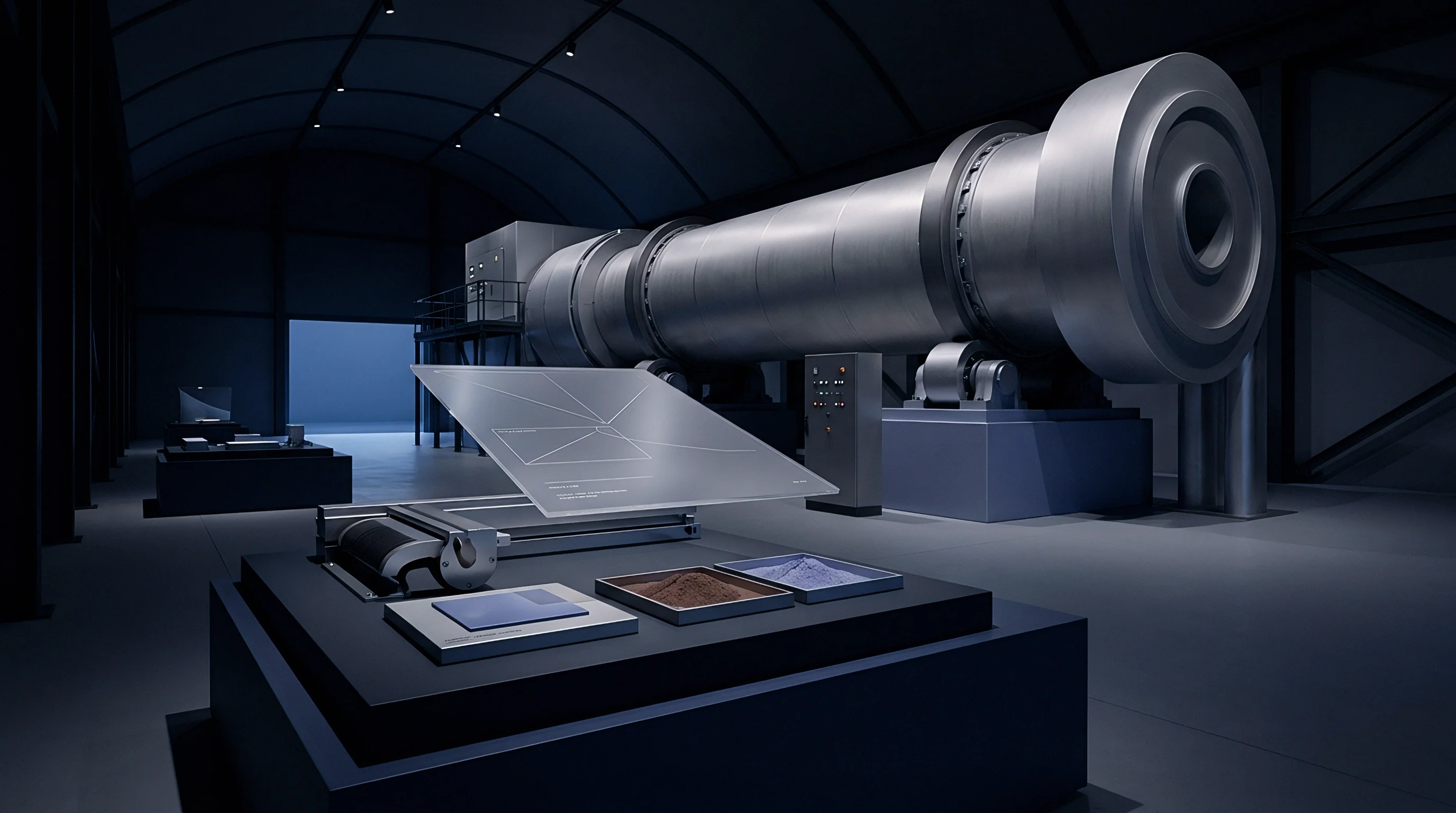
Manifold
Bulk storage delivery systems must drop cryogenic tank pressures to atomization levels without inducing thermal or volumetric oscillations. High-pressure liquid argon pumps feed ambient air vaporizers, raising gas temperature above the dew point before it enters primary regulator racks. Rapid flow shifts ~ jumping from zero to several thousand normal cubic meters per hour in five seconds ~ require balanced regulators and adequate surge tank volume.

Pressure Regulation and Thermal Mass Flow Control
Pressure regulation stages use dome-loaded regulators driven by precision electronic controllers. Direct-acting spring regulators cannot maintain steady downstream pressure when atomizer valves open rapidly, causing transient drops up to 15 percent. Surge vessels positioned just upstream of the atomizer plenum absorb these spikes, keeping gas volume under constant head pressure.
Compliance with ISO 10723 mandates dual-point density compensation across supply manifolds operating above four megapascals static line pressure.
Thermal mass flow controllers measure heat transfer along a heated tube section to calculate mass velocity. Standard thermal sensors assume ideal gas behavior, which creates measurement errors above 3.0 MPa as argon compressibility deviates from unity. High-pressure manifolds correct for real gas compressibility in the flow computer using live pressure and temperature data.

What Metering Drift Alters Gas Density at the Jet?
Calibration drift in mass flow devices directly skews calculated gas-to-metal ratios. Thermal mass flow meters suffer sensor wire contamination from oil mist or particulates, causing zero-point drift. Dual-bridge Coriolis flow meters avoid thermal dependencies by measuring mass flow directly through vibrational frequency shifts, maintaining calibration within 0.2 percent of full scale across wide flow ranges.
| Metering Technology | Operating Pressure Range (MPa) | Measurement Accuracy (% Rate) | Response Time (ms) | Calibration Interval (Months) |
|---|---|---|---|---|
| Thermal Mass Flow (TMF) | 0.1 – 4.0 | ± 1.0 | 300 | 6 |
| Coriolis Mass Flow | 0.1 – 10.0 | ± 0.2 | 50 | 12 |
| Differential Pressure (Orifice) | 0.5 – 15.0 | ± 1.5 | 100 | 3 |
| Vortex Shedding Flowmeter | 0.2 – 6.0 | ± 0.75 | 250 | 12 |
Line sizing rules govern pressure drop calculations along primary header pipes. Because liquid argon expands over 800 times in volume as it vaporizes at ambient temperature, pipe diameters must step up between the vaporizer outlet and intermediate distribution manifolds.
- Isolate the main distribution manifold by closing the primary isolation valve upstream of the regulator bank.
- Connect certified calibration pressure gauges to the test ports located before and after the dome-loaded regulator.
- Vent residual line gas through the secondary bleed valve until manifold pressure matches ambient atmospheric conditions.
- Apply reference pressure gas from a certified nitrogen standard to set piloted dome pressure control setpoints.
- Increase primary supply pressure incrementally while recording downstream response on digital logging instruments.
- Adjust differential relief valves to open at exactly ten percent above peak operational line pressure.
Sizing header pipes to keep gas velocity below 25 meters per second prevents dynamic pressure losses that corrupt downstream flow controller readings.
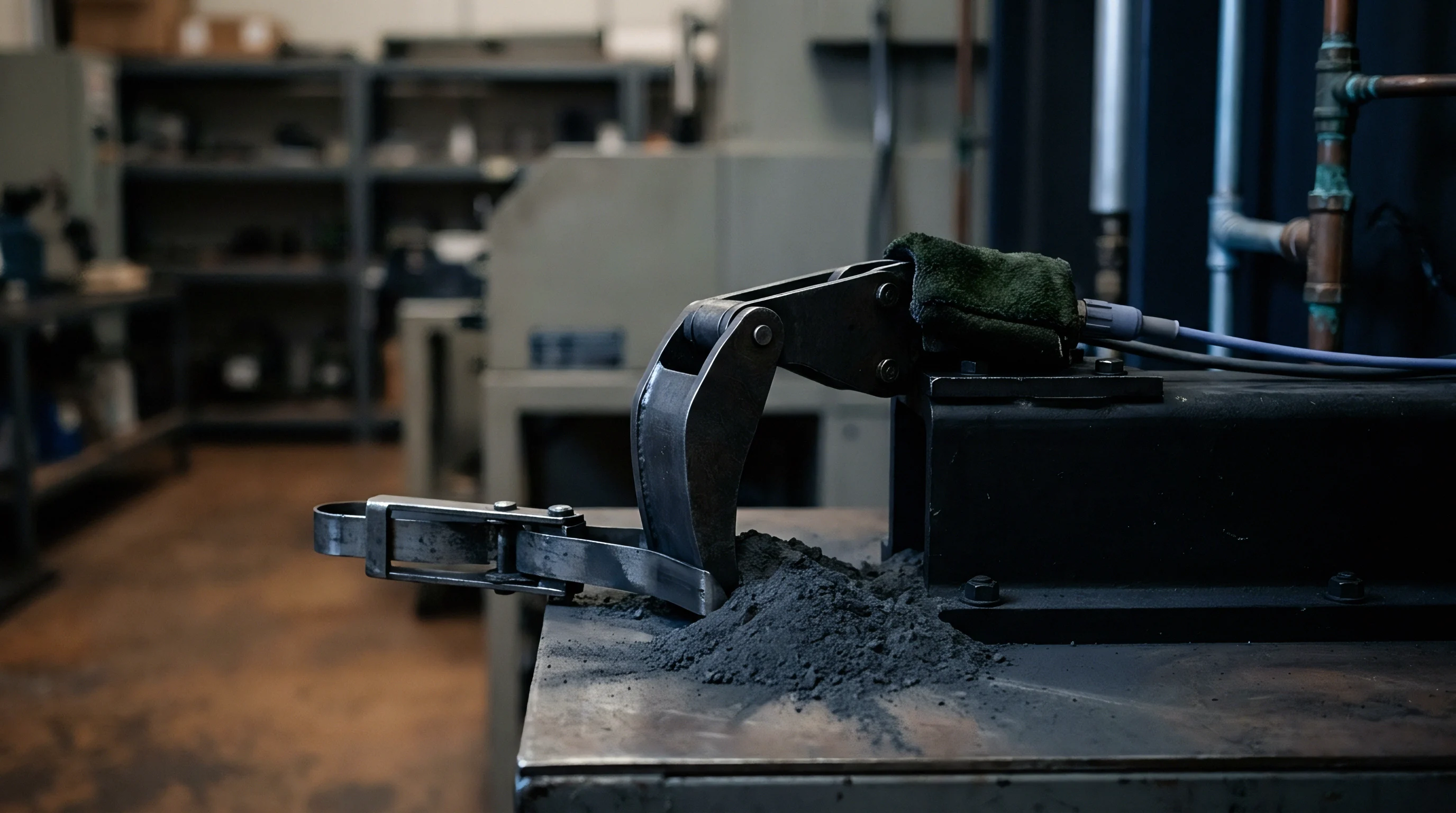

Sampling
Process verification depends on monitoring gas chemistry directly at the atomization die entry port rather than at the bulk storage tank. Piping leaks, worn valve packing, and long residence times let moisture diffuse through seals. Automated sampling skids draw continuous slipstreams from the main header, delivering sample gas to analyzer arrays at controlled pressures and flow rates.
In-line sample tubing constructed from synthetic polymers permits atmospheric moisture ingress that invalidates trace gas sensor calibration.

In Line Dew Point and Oxygen Trace Verification
Chilled mirror hygrometers measure dew point by tracking condensation on a temperature-controlled mirror. Because they provide absolute measurements without sensor drift, they serve as primary standards for inline moisture calibration. Cavity ring-down spectroscopy provides faster response times down to sub-parts-per-billion levels, using laser absorption decay in an optical cavity to measure water vapor density in real time.
Zirconium oxide sensors detect free oxygen down to fractional parts per million by measuring electrochemical potential across a ceramic membrane at 700 degrees Celsius. However, trace hydrocarbons or hydrogen in the argon sample burn on the hot ceramic surface, consuming oxygen and skewing readings lower. Electrochemical galvanic cell sensors run at ambient temperature, avoiding this cross-sensitivity in argon recycling loops.
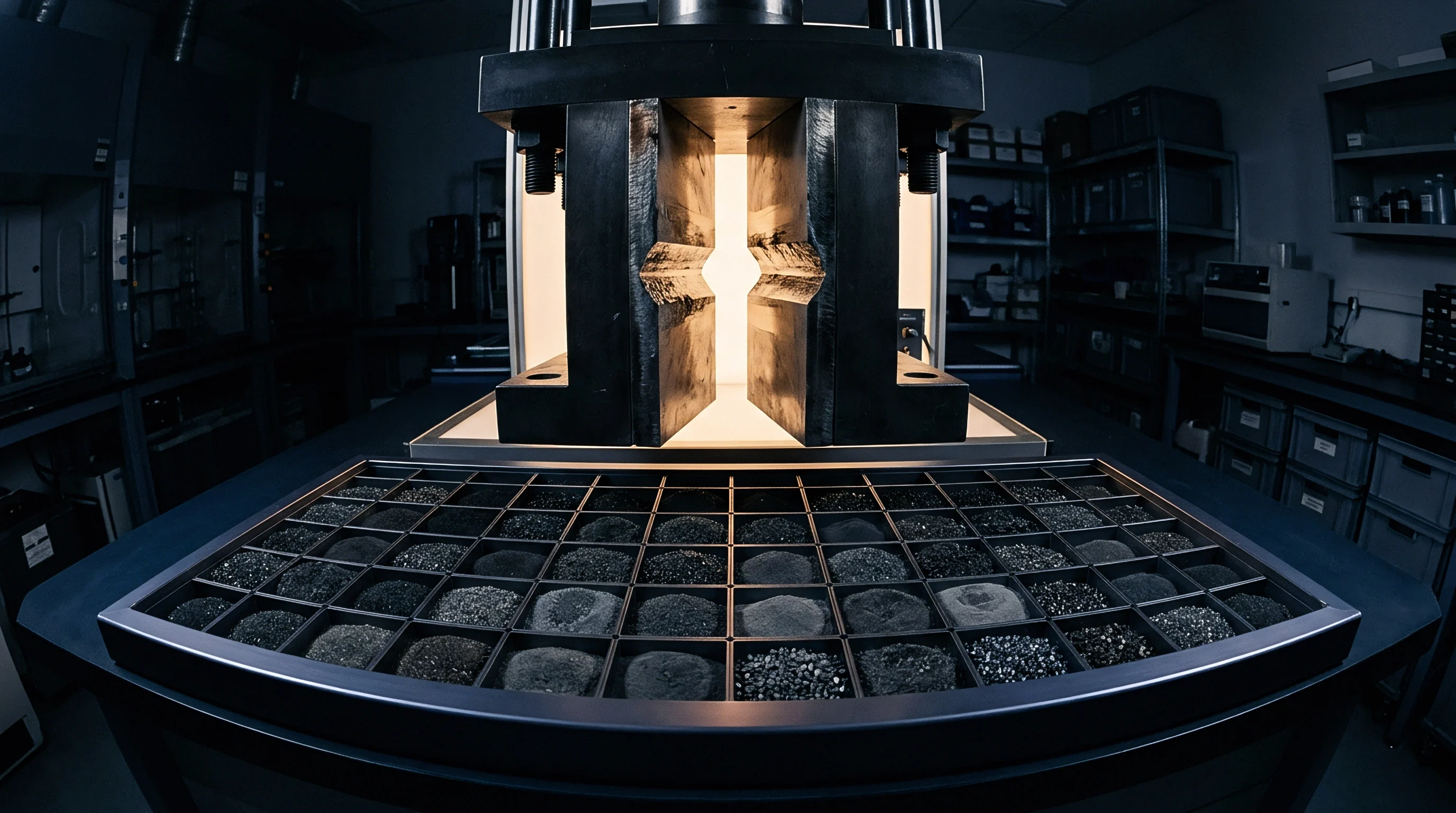
Reference Gas Cylinder Calibration Cycles
Maintaining instrument accuracy requires routine zero and span checks with certified gas mixtures. Calibration cylinders must trace back to national metrology standards with analytical uncertainties under 1.0 percent. Best practice calls for zero-point checks before every atomization heat and full span calibrations weekly.
- Tubing metallurgy selections specify electropolished 316L stainless steel lines to prevent moisture adsorption along interior sample channel walls.
- Sample line heating protocols maintain sample gas temperature at 60 degrees Celsius to avoid condensation prior to entering analytical chambers.
- Bypass flow management maintains continuous sample stream velocity regardless of analyzer bench valve actuation states.
- Pressure reduction stages drop process line pressure down to 0.1 MPa gauge using low-internal-volume diaphragm regulators.
When analyzer outputs conflict with laboratory powder oxygen measurements, sampling lag times or micro-leaks in sample lines are often masking contamination spikes during heat initiation.


Tariff
Inert gas accounts for 15 to 35 percent of direct conversion costs in metal powder production. Supply contracts use complex pricing formulas that bundle volumetric delivery, energy surcharges, facility rentals, and minimum consumption commitments. Understanding these structures helps plant managers lower per-kilogram production costs.

Liquid Argon Boil off and Bulk Supply Commercials
Bulk cryogenic tanks experience constant heat leakage, generating boil-off gas that must be used or vented to control tank pressure. Standard atmospheric tanks lose 0.15 to 0.40 percent of their liquid volume daily. Plants running on low utilization schedules end up venting significant gas, driving effective unit costs well above base contract rates.
Gas recycling loops reduce fresh argon consumption by eighty percent while introducing cumulative nitrogen build-up risks.
On-site recycling systems collect gas from the atomization tower, run it through filtration, cooling, compression, and cryogenic distillation or getter purification, and return clean argon to the atomizer header. Amortization calculations weigh the high upfront equipment cost against reduced liquid argon purchases. System losses run two to five percent per cycle, requiring fresh liquid makeup to keep inventory balanced.
| Supply Mechanism | Capital Overhead ($) | Unit Gas Cost ($/Nm³) | Minimum Volume Commitment | Purity Limit (Grade) |
|---|---|---|---|---|
| Liquid Bulk Tanker Delivery | 15,000 – 50,000 | 1.80 – 3.20 | Monthly Floor Volume | 5.0 |
| Tube Trailer High Pressure | 5,000 – 20,000 | 2.50 – 4.10 | Per-Trailer Swap Fee | 5.0 |
| On-site Cryogenic Re-purifier Loop | 250,000 – 800,000 | 0.45 – 0.90 | Electricity Base Cost | 6.0 |
| Pipeline Direct Tap | 100,000 – 300,000 | 1.10 – 1.90 | Annual Take-or-Pay Tier | 5.0 |

Take or Pay Contract Structure and Flow Penalties
Supply agreements typically contain take-or-pay provisions requiring buyers to pay for a set percentage of contracted gas volume regardless of actual use. These thresholds usually sit at 75 to 80 percent of projected monthly consumption. When maintenance shuts down atomization lines for more than two weeks, take-or-pay penalties kick in, raising effective unit costs on produced powder.
Peak flow penalties apply when demand exceeds maximum contract limits. Running multiple atomization lines without notice draws volume that can freeze liquid vaporizers or breach contract thresholds, triggering temporary surcharges up to 50 percent above base rates.
Under clause 8.2 of standard gas master agreements, flow measurements from the seller’s billing meter govern invoicing unless independent calibration proves a deviation over two percent.