Harmonized System Tariff Classification Rules for Import Cells
Import cell classification requires strict GRI application under HS code 8507.60, aligning technical test data with tariff filings to prevent duty penalties.

Heading
The World Customs Organization structure for electric accumulators categorizes secondary electrochemical units under Chapter 85. Harmonized System Code 8507 encompasses electric accumulators, including separators, regardless of whether their geometry is rectangular, square, or cylindrical. Subheading 8507.60 specifically governs lithium-ion accumulators, serving as the universal six-digit tariff entry point across all World Customs Organization member states.
Statistical national suffixes expand this baseline code to determine specific duty rates, import restrictions, and trade remedy enforcement.
Determining the correct six-digit classification depends on the functional state of the imported cell rather than its intended end-use application. General Rule of Interpretation 1 dictates that classification is legally determined according to the terms of the headings and any relative Section or Chapter Notes. Note 8 to Chapter 85 clarifies that heading 8507 applies strictly to accumulators capable of storing and supplying electrical energy continuously.
Standalone cylindrical cells, pouch cells, and prismatic cells lacking management circuitry belong exclusively within subheading 8507.60 during international carriage.
General Rules of Interpretation Applied to Single Cells
Tariff lines fix landed costs.
Importers encounter misclassification risks when attempting to declare individual cells under the tariff line of the final finished product. General Rule of Interpretation 3(a) explicitly mandates that the heading offering the most specific description takes precedence over general descriptive headings. A lithium-ion cell destined for an electric vehicle chassis cannot enter under heading 8708 as an vehicle part.
The existence of heading 8507 provides a precise designation that overrides broader equipment classifications.
| Subheading | Nomenclature Description | Primary Chemistries Covered | Applicable General Rule |
|---|---|---|---|
| 8507.10 | Lead-acid accumulators of a kind used for starting piston engines | Pasted lead-plate, flooded AGM gel | GRI 1 |
| 8507.20 | Other lead-acid accumulators | Deep-cycle lead-acid, tubular gel | GRI 1 |
| 8507.30 | Nickel-cadmium accumulators | Sintered plate NiCd, pocket plate NiCd | GRI 1 |
| 8507.50 | Nickel-metal hydride accumulators | AB5 and AB2 metal hydride alloys | GRI 1 |
| 8507.60 | Lithium-ion accumulators | NMC, LFP, LTO, NCA, LMO | GRI 1 and GRI 6 |
| 8507.80 | Other accumulators | Sodium-ion, redox flow, nickel-zinc | GRI 3(a) |
Customs authorities analyze physical completion under General Rule of Interpretation 2(a) when examining bare casing components and uncharged rolled assemblies. An unfinished cell carrying the essential character of a complete accumulator falls into heading 8507 even if final electrolyte injection occurs post-importation. Casing assemblies containing wound anode and cathode stacks possess the functional identity of an accumulator prior to chemical activation.
Imports under 8507.60 carrying Chinese origin face a 25 percent additional tariff under USTR Section 301 rules when declared as standalone lithium-ion cells.
Border agencies continually review whether partial cell subassemblies cross the threshold of essential character during customs clearance. What specific structural criteria separate a raw electrode roll from an incomplete cell under General Rule of Interpretation 2(a)?
Chemistry
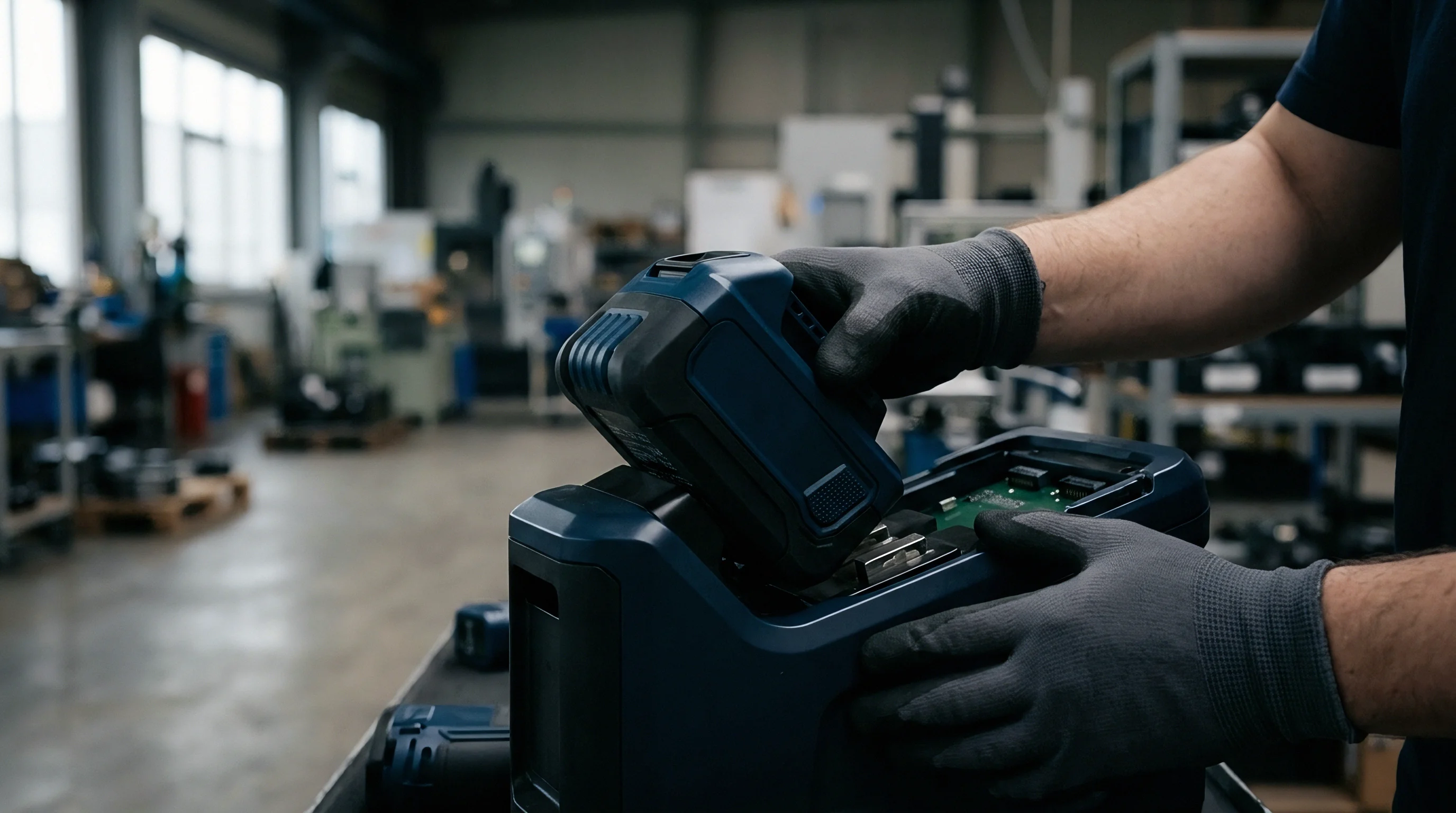
Cathode active material formulations govern chemical classification choices within residual tariff headings. While lithium-based secondary cells fall unambiguously into subheading 8507.60, non-lithium formulations migrate into subheading 8507.80. Sodium-ion cells using polyanion or Prussian blue analog cathodes present distinct classification markers.
Customs auditors analyze chemical assay data from shipping documentation to confirm whether lithium ions serve as the primary charge carrier during cycling operations.
Where Does Duty Exposure Shift under General Rules?
Importers handling alternative chemistries face changing tariff rates based on elemental composition. Sodium-ion accumulators lack a dedicated six-digit subheading in the international Harmonized System nomenclature. Border officials assign these units to statistical line 8507.80.81, which carries baseline duty structures distinct from lithium-ion lines.
Mislabeling sodium-ion units as lithium accumulators distorts trade statistics and creates tariff overpayment or underpayment liability.
Customs inspectors verify cell chemistry.

Distinguishing Single Cells from Incomplete Battery Modules
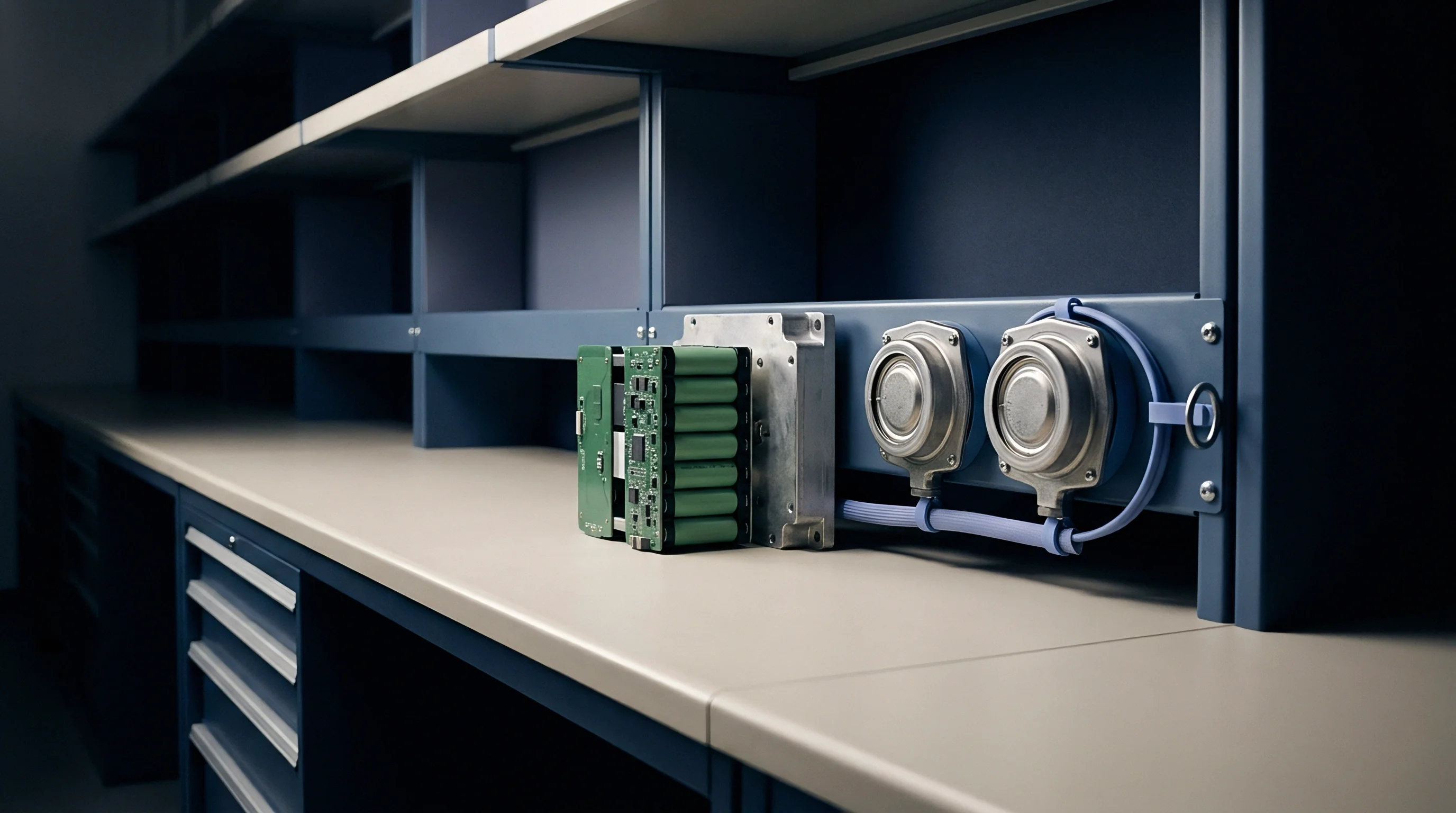
Physical integration levels determine whether a shipment falls under standalone cell codes or module subassemblies. Standard single cells contain one sealed container housing electrodes, separator, and electrolyte, terminating in simple positive and negative tabs or studs. Modules bundle multiple individual units with interconnecting busbars, structural brackets, and basic thermal mitigation hardware.
Integrating external control circuitry alters tariff classification choices significantly.
- Incomplete Electrolyte Impregnation Cell structures imported without electrolyte fluid maintain essential character under General Rule 2(a) if electrode rolls are fully assembled within sealed casings.
- Integrated Protection Boards Single cells fitted with elementary passive safety circuits retain individual cell classification under 8507.60 unless control electronics manage system-level charge balancing.
- Dual Chemistries and Sodium Blends Hybrid cell structures combining lithium and sodium intercalation layers require classification under General Rule 3(b) based on the material imparting essential character.
- Unassembled Cell Arrays Loose cell collections packed alongside unattached mounting frames enter as distinct line items unless contractually bound as indivisible kits.
State of charge dictates carriage.
Testing under IEC 62660-1 shows energy density variances of 3.2 percent across 500-unit sample lots, which shifts tariff evaluation thresholds for high-capacity cells. Customs treatment of emerging sodium-ion chemistries under 8507.80.81 lacks uniform international judicial precedent, leaving duty exposure uncertain within a 2.7 to 4.5 percent range depending on regional port authority classifications; buyers mitigate this by securing pre-entry Ruling Letters.
Failure to separate cell shipment line items from integrated battery management hardware forces customs authorities to reclassify shipments under higher-duty assembly categories.
Cell shipments entering customs control with incomplete chemical identification default to the highest applicable tariff line until destructive laboratory assays establish exact active material weights.
Entry
Documentation submitted to port authorities must present identical technical specifications across customs entries, dangerous goods declarations, and commercial invoices. Discrepancies between the tariff classification description and the United Nations Dangerous Goods classification generate red flags for automated border screening engines. Lithium-ion cells categorized under HS 8507.60 match UN 3480 for standalone carriage, while cells contained in or packed with equipment map to UN 3481.
Document errors delay customs clearance.

Aligning Dangerous Goods Declarations with Customs Filings
Importers bear all statutory liability.
Border agents examine Safety Data Sheets and UN 38.3 Test Summaries to confirm commercial descriptions match declared Harmonized System lines. Section 6 of the Safety Data Sheet details spill containment and chemical composition, establishing the exact elemental ratios used by customs officers to validate 8507 subheadings. Discrepancies between declared watt-hour ratings on invoice paperwork and verified ratings on UN 38.3 documentation suggest fraud or batch misrepresentation.
| Document Type | Standard Citation | Tariff Relevance | Primary Discrepancy Risk |
|---|---|---|---|
| UN 38.3 Test Summary | UN Manual of Tests and Criteria 38.3 | Confirms cell state, mass, and watt-hour limits | Mismatch between cell mass and shipping weight |
| Safety Data Sheet | OSHA 29 CFR 1910.1200 / REACH | Establishes active cathode active materials | Inconsistent chemical CAS numbers vs HS code |
| Commercial Invoice | WCO Standardized Invoice Guidelines | Provides precise HS code and unit valuation | Generic item descriptions triggering audit holds |
| Certificate of Origin | 19 CFR Part 102 / EU Customs Code | Applies preferential duty rates and surcharges | Invalid non-preferential origin criteria claims |
Paperwork gaps invite cargo seizures.
Verifying regulatory compliance requires structured validation steps before submitting customs summary declarations to clearance brokers.
- Match commercial invoice descriptors directly against official World Customs Organization subheading 8507.60 text to prevent automated filing rejections.
- Cross-reference net cell mass documented on UN 38.3 Section 4 test reports with shipping manifest entry lines to eliminate weight variance flags.
- Validate non-preferential country of origin credentials against physical cell casing laser-etching markers before executing entry filings.
- Confirm state of charge compliance under ICAO packing instructions to align transport security filings with customs entry declarations.
Customs inspectors seize shipments and issue civil penalties under 19 U.S.C. 1592 when misclassification stems from negligence or material omission on entry summary documentation.

Dock
Physical cargo inspection at port terminals involves targeted sampling of containerized cell shipments. Customs officers examine outer packaging UN marks, inner box structural integrity, and physical cell markings against declared entry documents. Discrepancies in cell chemistry labels, mass metrics, or state-of-charge indicators trigger mandatory transfer to intensive inspection facilities.
Physical testing includes non-destructive X-ray scanning and portable X-ray fluorescence spectroscopy to verify metallic cathode elements.
Voltage readings confirm cell assembly.
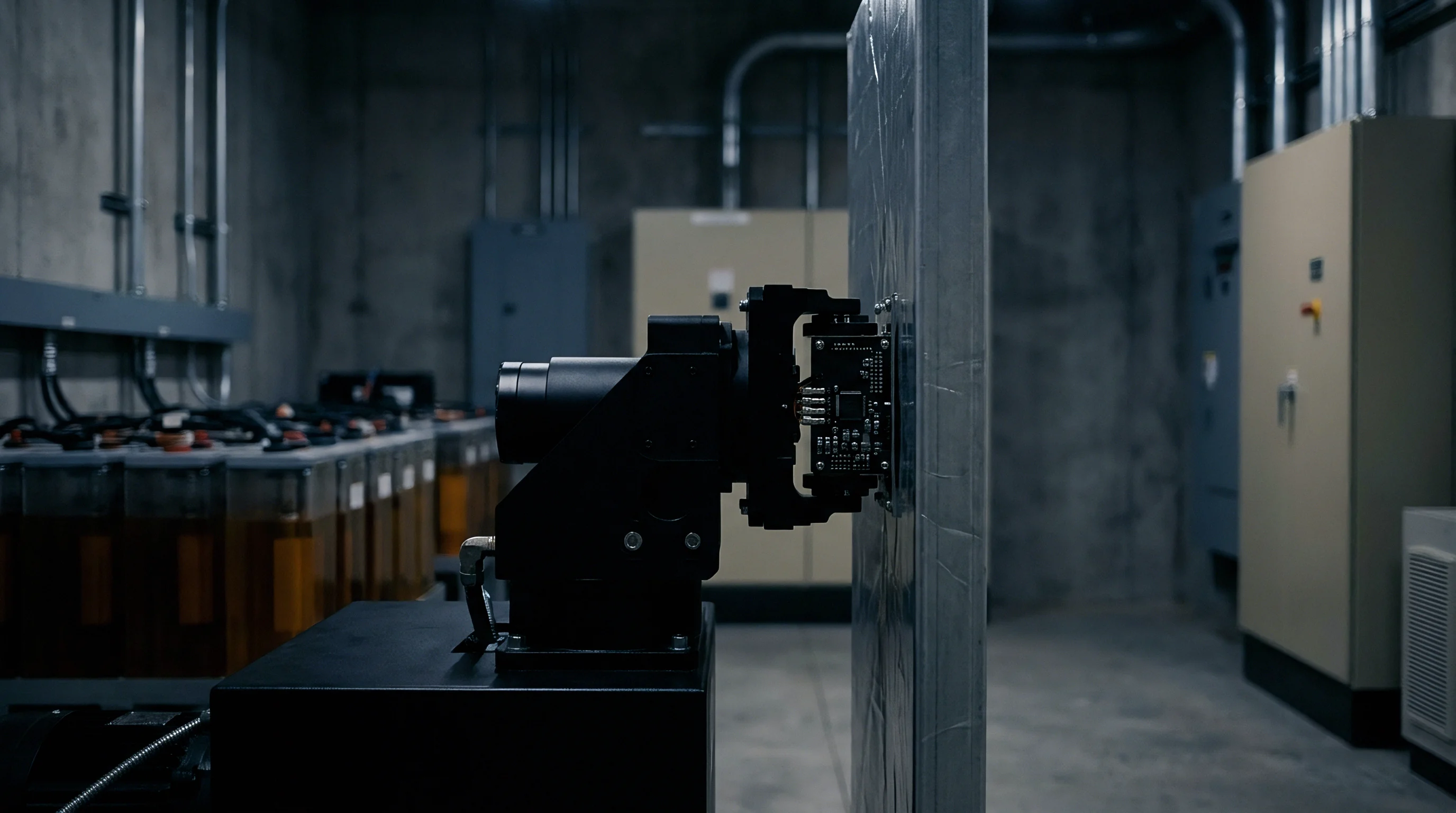
Consider an import lot of 50,000 prismatic lithium-iron-phosphate cells arriving at a marine port of entry with a declared customs value of 45 USD per unit under HTS code 8507.60.0000. Customs inspection selects a 50-unit representative sample for laboratory analysis and documentation audit. Laboratory testing reveals the cells feature integrated micro-BMS circuit cards permanently attached beneath the top cover seals, designed to manage individual cell balancing and overvoltage protection.
Border officials reclassify the entire shipment under HTS subheading 8507.90.8000 as accumulator parts or complete battery assemblies, raising the baseline duty rate from 3.4 percent to 10.9 percent.
Recalculating landed metrics based on this physical inspection finding demonstrates immediate financial consequences. The revised base tariff obligation increases from 76,500 USD to 245,250 USD across the 2,250,000 USD entry value. Additional punitive interest assessments calculate from the date of initial entry summary filing.
If customs determines the importer failed to exercise reasonable care in reviewing factory-installed circuit boards, administrative penalty proceedings initiate under Section 1592 statutory frameworks.
Industrial logistics networks rely heavily on standardized intermodal freight containers whose structural floor loading limits dictate maximum pallet stack heights regardless of cell energy density. This physical packing ceiling frequently forces buyers to ship partially filled containers, altering freight rate calculations per cell unit.
Physical Inspection Practices and Laboratory Verification
Capacity claims demand physical proof.
Commercial trials under UN 38.3 T.4 shock testing yield a 0.15 percent physical casing deformation rate at 150g peak acceleration, altering structural integrity assessments. Importers attempting to resolve dockside holds must present technical witness statements proving that added electronic components serve passive diagnostic roles rather than active control functions.
Customs officers sample incoming crates based on gross weight discrepancies between dangerous goods declarations and bill of lading figures.
The vendor asserted that factory assembly lines applied standard transport tags containing basic safety circuits rather than full structural battery components.

Margin
Calculating total landed cost requires analyzing baseline duty schedules, national trade remedies, and customs valuation rules. Import duties on lithium-ion cells vary significantly across global jurisdictions, influenced heavily by regional industrial policy and supply chain protection measures. Importers calculating financial margins must account for punitive trade surcharges applied on top of standard most-favored-nation tariff rates.
Correct codes prevent heavy penalties.
Landed-Cost Arithmetic and Tariff Optimization Strategies
Section 301 tariffs in the United States levy substantial additional duties on Chinese-origin lithium-ion cells under HTS code 8507.60.00. These trade remedies alter landed cost calculations, raising total duty burdens from minor baseline percentages to substantial capital outlays. Valuation calculations must include all assist costs, engineering design fees paid to overseas suppliers, and royalty payments linked directly to cell manufacturing rights.
| Jurisdiction | HS Subheading | Base MFN Duty | Trade Remedy Surcharge |
|---|---|---|---|
| United States | 8507.60.0010 (Cylindrical) | 3.4% | 25.0% (Section 301) |
| United States | 8507.60.0020 (Pouch) | 3.4% | 25.0% (Section 301) |
| European Union | 8507.60.00.90 | 1.3% | 0.0% (Base MFN) |
| United Kingdom | 8507.60.00.00 | 2.0% | 0.0% (Base MFN) |
Tariff audits extend back years.
Cell mass governs duty lines.
Strategic compliance planning limits duty exposure through authorized statutory programs and rigorous valuation auditing practices.
- Binding Tariff Information Applications Securing advance legal rulings from customs authorities establishes mandatory classification precedents before cargo leaves manufacturing plants.
- First Sale Valuation Filings Structuring multi-tier supply contracts enables customs entry based on the lower initial factory-to-vendor transaction price under allowable statutory rules.
- Duty Drawback Recovery Claims Establishing tracking systems allows importers to reclaim up to 99 percent of paid entry duties when cells undergo re-exportation as finished battery packs.
- Subassembly Classification Reviews Auditing physical product features ensures bare cells retain proper six-digit classifications without incurring improper module-level surcharges.
Importers using incorrect 8-digit statistical suffixes face automated customs compliance audits and retroactively assessed duty interest.
Contractual terms specifying DDP shipping conditions shift immediate customs liability to foreign suppliers, yet the domestic importer of record remains legally answerable to border authorities for uncollected duty deficiencies under Title 19 of the United States Code.