Meaning
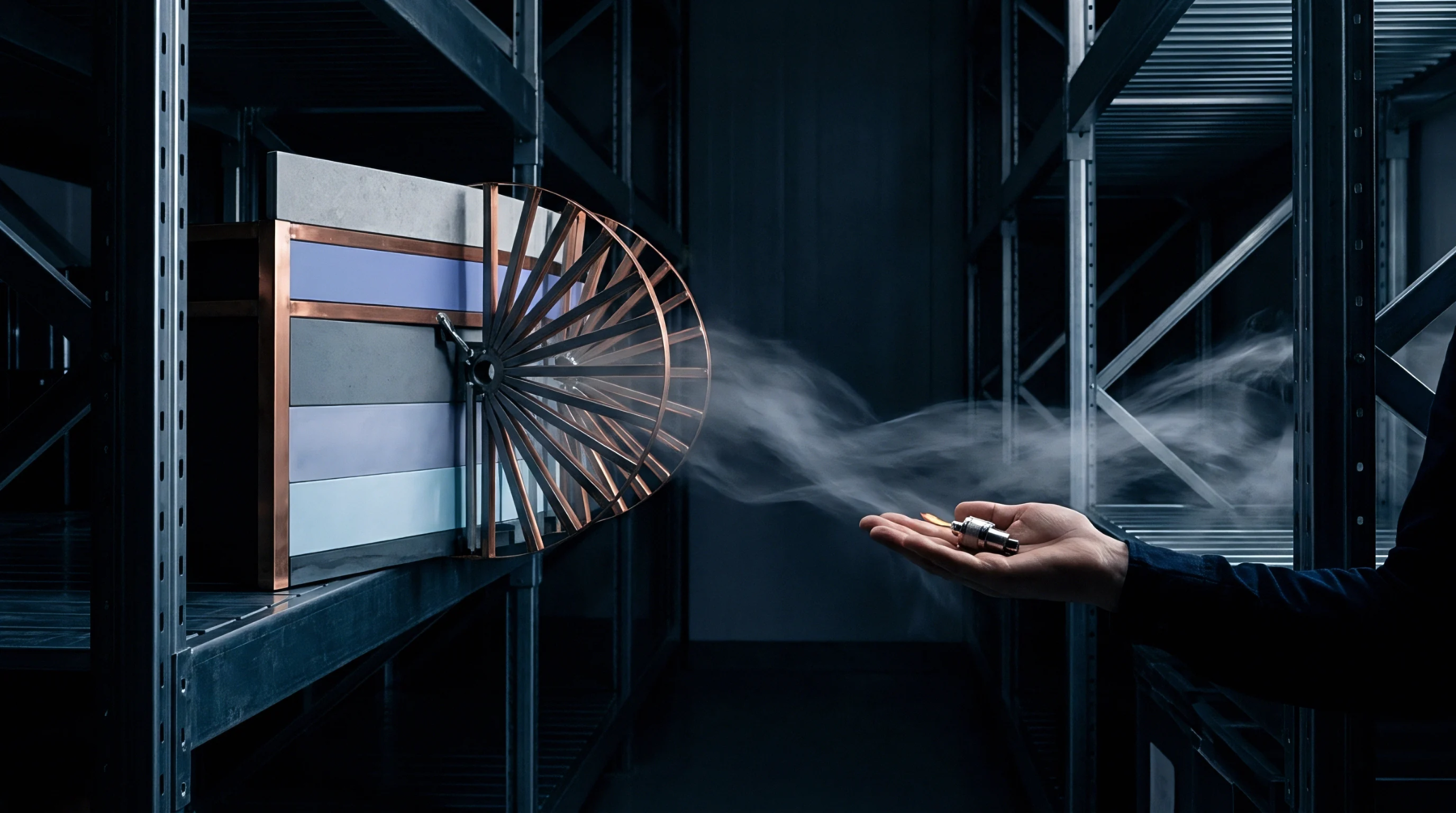
Industrial storage units utilize structural barriers and active ventilation to prevent thermal runaway propagation from affecting adjacent systems or personnel. Proper battery cabinet safety depends on the integration of fire-rated partitions, pressure-relief vents, structural insulation and automatic suppression mechanisms. The applicable protection extends to the physical housing of localized energy storage but does not cover external distribution grids.
Enclosure Standard
Standardized containment structures provide structural integrity through heavy-gauge steel walls and thermal insulation layers. Achieving high battery cabinet safety involves passing standardized tests that evaluate fire resistance for specific hourly durations. Vents are designed to direct hot gases away from walkways when cells rupture.
High-volume exhaust systems are triggered automatically to prevent the buildup of explosive gas mixtures.
Sourcing Detail
Sourcing teams select containment housings based on international certifications rather than superficial build quality. Proper battery cabinet safety reduces insurance premiums for commercial storage installations. Buyers evaluate the thermal insulation thickness and the presence of factory-installed fire suppression.
These features determine the spacing requirements between adjacent equipment blocks within a facility.
Mitigation Protocol
Automatic intervention relies on multi-sensor detection systems that monitor carbon monoxide levels alongside temperature changes. Standardized battery cabinet safety procedures include regular inspections of pressure-release flaps and electrical ground connections. System integrity declines if maintenance schedules are ignored.