Meaning
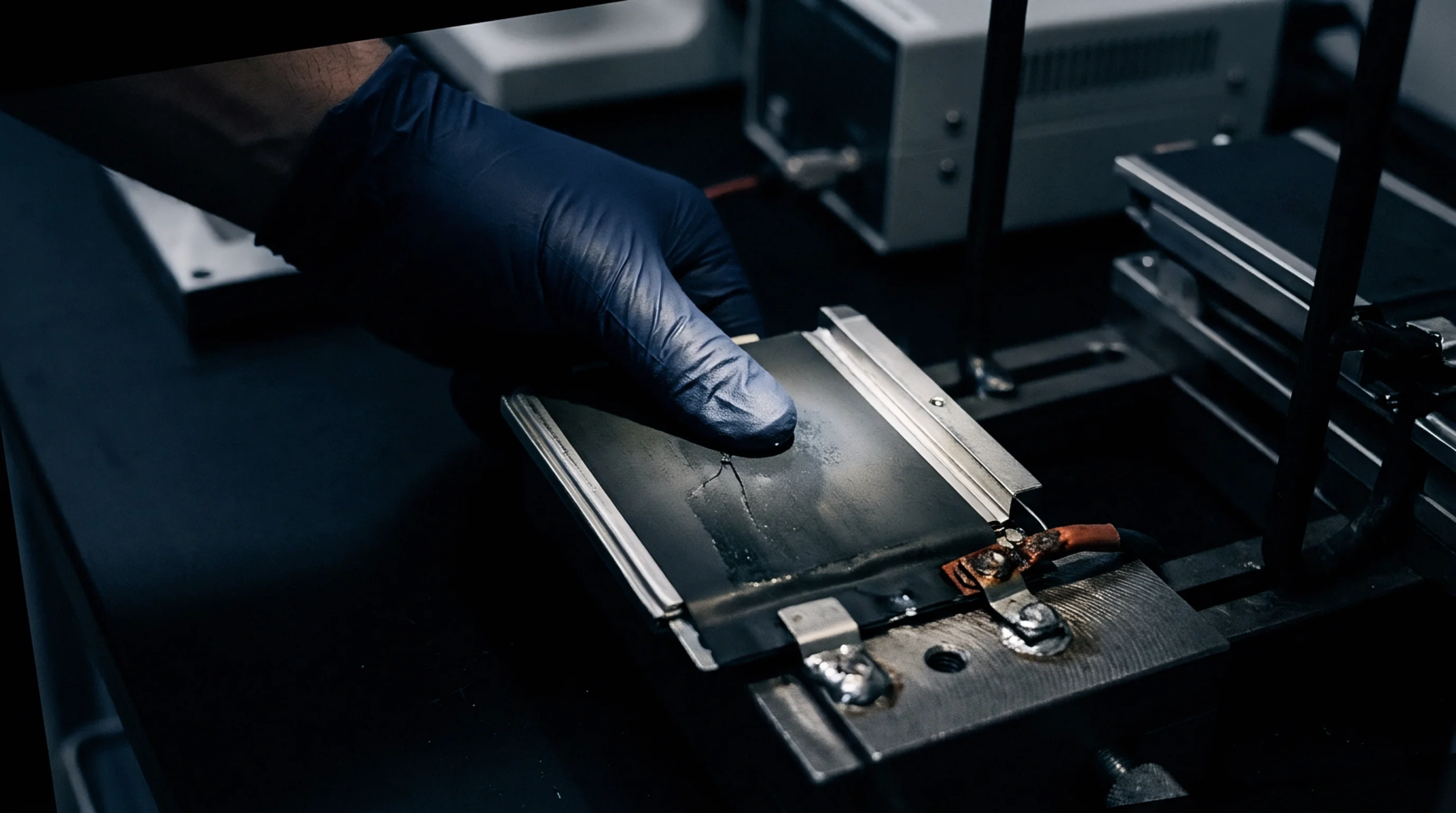
This critical temperature threshold marks the beginning of uncontrollable, self-sustaining exothermic reactions within a battery cell. Under normal operating conditions, a cell remains thermally stable, and any heat generated is balanced by heat dissipation to the environment. However, when the internal temperature of the cell reaches the thermal runaway onset, the rate of heat generation from internal chemical decomposition reactions exceeds the rate of heat loss.
This causes the cell temperature to rise rapidly and exponentially, leading to catastrophic failure, gas venting, fire or explosion. The parameter applies to all lithium-based cells and ceases to apply after the cell has fully reacted.
Critical Transition
The progression toward this critical transition begins with the thermal decomposition of the solid electrolyte interphase layer on the anode at relatively low temperatures. Once this protective layer is destroyed, the highly reactive anode material is exposed directly to the liquid electrolyte, triggering highly exothermic reactions that generate more heat. As the temperature continues to rise, it triggers the subsequent decomposition of the cathode material and the oxidation of the electrolyte, releasing oxygen gas and accelerating the thermal ramp.
The onset temperature is typically measured using accelerating rate calorimetry, which simulates a worst-case adiabatic environment where no heat is allowed to escape from the cell.
System Hazards
Reaching this threshold has severe consequences for the safety of the entire battery pack and the surrounding equipment. Once a single cell enters thermal runaway, the intense heat and flame it generates can easily propagate to adjacent cells in a domino effect, leading to a full-scale pack fire. This propagation hazard is particularly acute in high-density packs where cells are packed closely together with minimal thermal barriers.
In addition to heat, the venting of toxic and flammable gases such as carbon monoxide and hydrogen creates substantial explosion hazards that require specialized safety systems to manage.
Safety Design
To prevent the system from reaching this dangerous threshold, battery designers utilize multiple layers of protection, including thermal barrier materials, active cooling systems and cell-level safety vents. They also use flame-retardant electrolyte additives and specialized ceramic-coated separators that remain stable at high temperatures, physically preventing internal short circuits. In addition, the battery management system constantly monitors cell temperatures and voltages, automatically disconnecting the pack if it detects abnormal temperature rises.
These engineering solutions are necessary for ensuring that the battery system operates safely under all conceivable fault conditions.