Cross Border Battery Cell Incoming Quality Inspection Procedures
Cross-border cell inspection demands dockside atmospheric auditing, 4-point Kelvin impedance profiling, loaded metrology, and ANSI Z1.4 lot sampling.

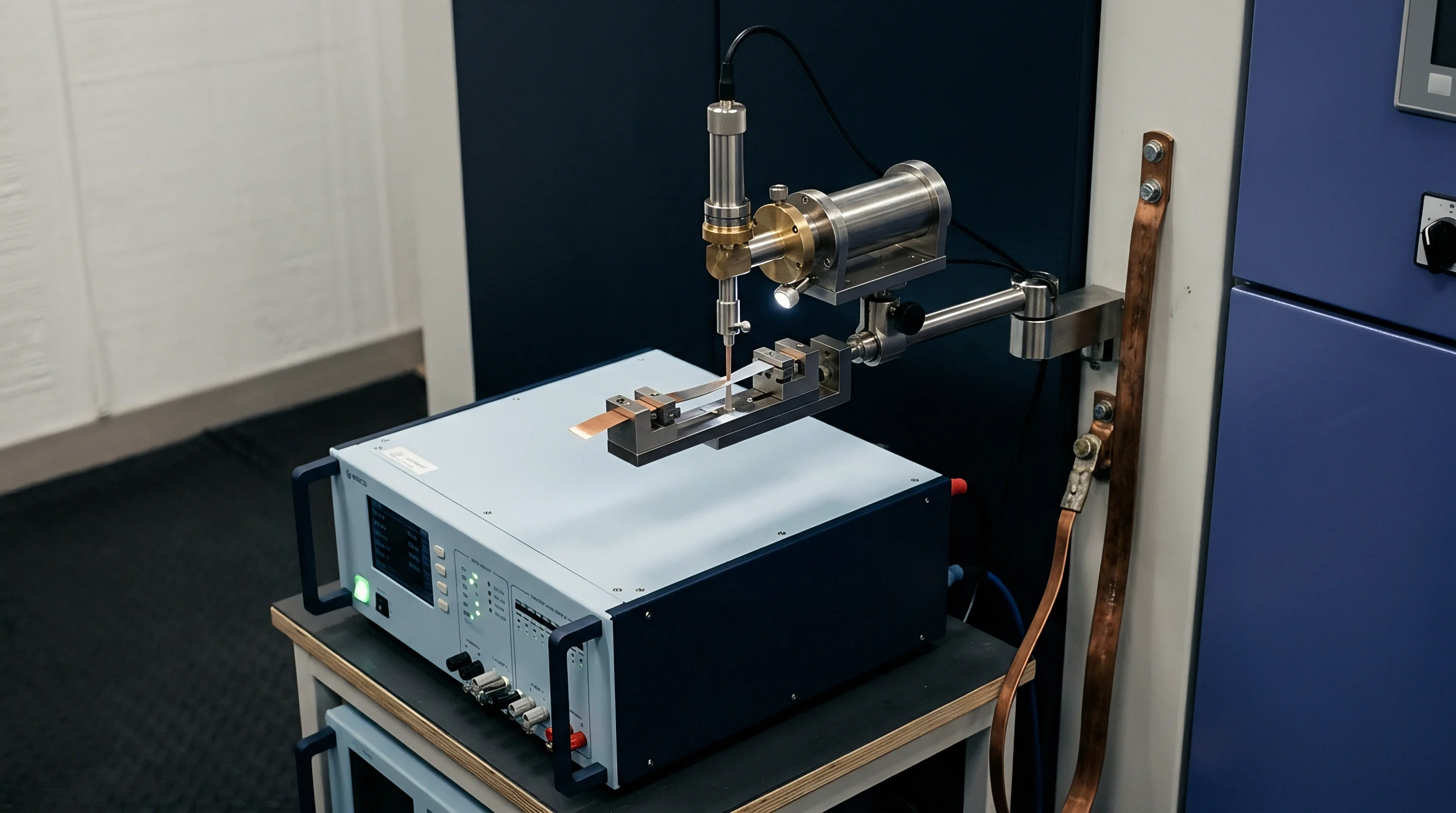
Gate
Freight containers arriving from overseas cell plants carry risks built up during ocean transport, port storage, and inland drayage. Atmospheric changes inside sealed containers cause thermal cycling and condensation, damaging packaging before cells ever reach the inspection bench. Catching damaged, corroded, or overheated stock at the dock door stops compromised inventory from reaching downstream storage or assembly lines.
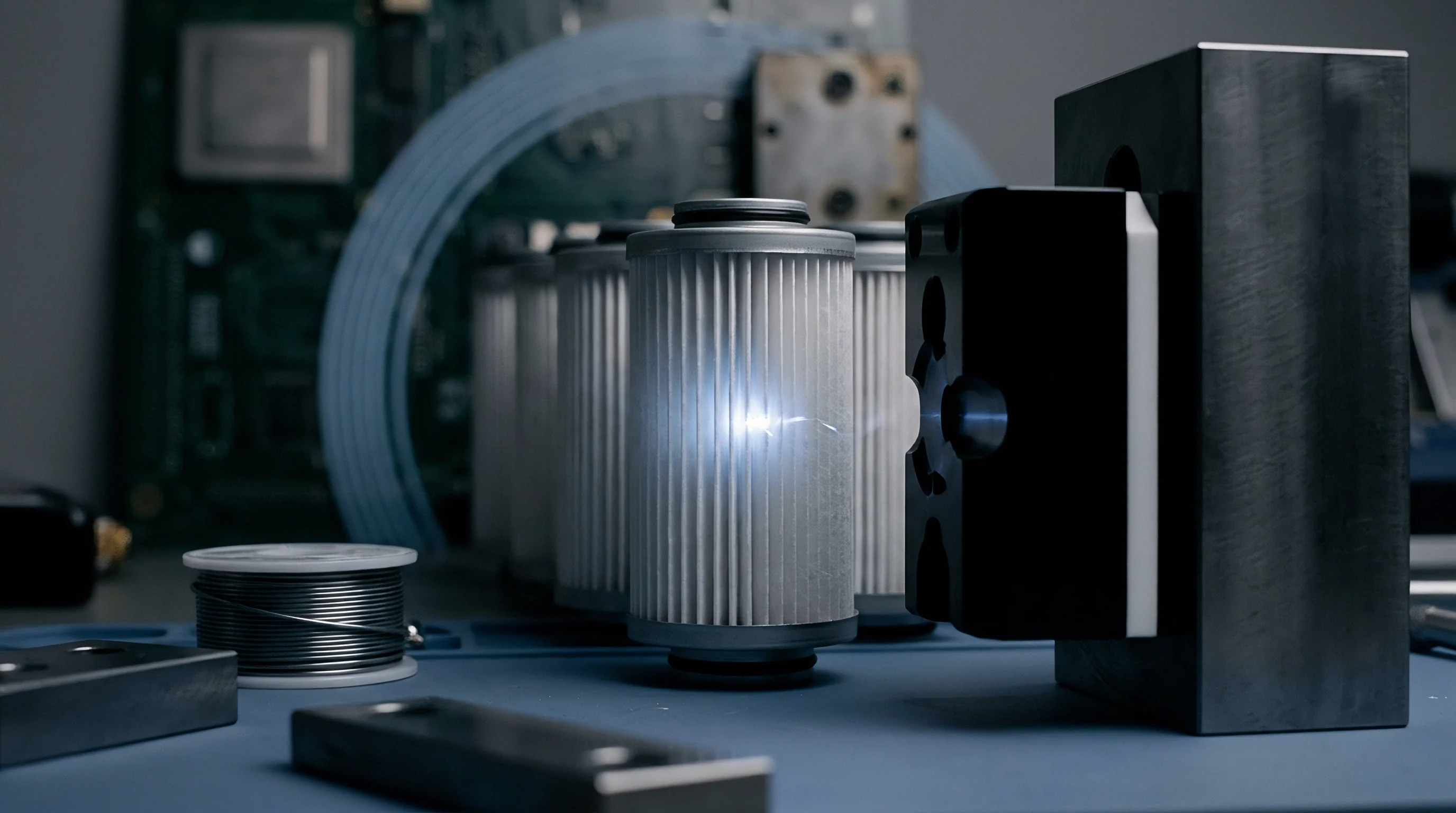
Pallet Reception and Primary Enclosure Auditing
Initial container unloading starts with inspecting timber pallets, moisture barriers, and outer corrugated boxes. Rough seas shift cargo inside containers, driving heavy point loads into corner cartons. Unloading crews check wooden pallets for cracked runners, snapped deck boards, and slack banding straps that point to severe transit impacts ~ shifts that frequently crush cell terminals or crack enclosure seals.
Inspectors check vacuum-sealed poly bags and aluminum foil wraps for leaks or pressure loss. Intact vacuum packaging clings tight against internal separators and dividers. If a bag is loose, ballooned, or punctured, the seal has failed, exposing cell headers to ambient humidity and salt spray.
Desiccant sachets inside the wrap are checked for saturation, and humidity indicator cards visible through clear windows track moisture exposure over time. If the spots turn from blue to pink at the thirty percent relative humidity mark, internal moisture is high enough to risk terminal corrosion.
Dangerous goods shipping crates must satisfy UN performance standards under UN 38.3 transport testing frameworks. Inspection teams check outer boxes for UN specification codes, gross mass limits, and Class 9 Lithium Ion Battery labels. Shock indicators on master cartons show if a box took a hard hit: mechanical drop sensors calibrated to twenty-five g show whether crates fell during port crane or forklift operations, while tilt sensors on adjacent faces reveal if pallets tipped past fifty degrees at sea.
- Inspection crews cut container security seals and match bolt numbers against the bill of lading manifest.
- Technicians check environmental loggers inside the doors for temperature spikes exceeding forty degrees Celsius.
- Operators pull humidity cards from secondary poly bags to verify moisture remains under ten percent relative humidity.
- Staff check the corner posts and banding straps on every wooden pallet for structural damage.
- Inspectors scan master carton barcodes to check lot code manifests against the advance shipping notice database.
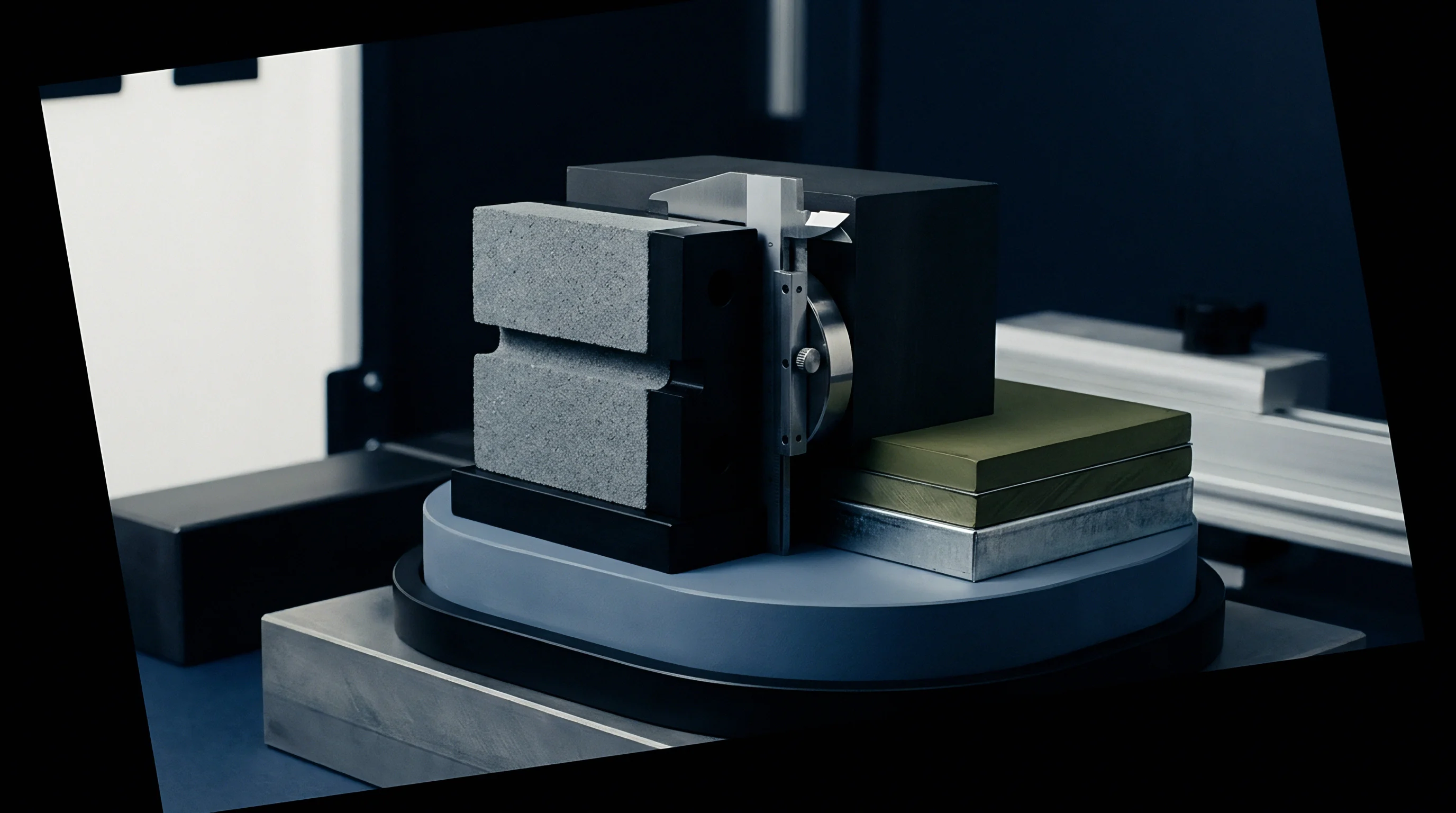
Thermal and Atmospheric Freight Logging
Data loggers inside the container record continuous temperature and relative humidity throughout the voyage. Ocean routes passing through the tropics subject cargo holds to temperatures over fifty degrees Celsius for days at a time. This heat accelerates breakdown of the solid electrolyte interphase and drives up internal cell pressure, speeding up self-discharge and permanently degrading cycle life before the cells ever reach the production floor.
Condensation is a major cause of damage during transit. When temperatures drop sharply at night, humid air inside empty container spaces falls below its dew point, pooling liquid water on metal surfaces. Droplets on nickel-plated steel terminals or aluminum pouch tabs cause galvanic corrosion and micro-pitting.
These corroded surfaces increase contact resistance when building modules, creating localized hot spots during high-current discharge. Receiving staff retrieve the loggers, pull the thermal history, and check the numbers against contracted transit limits.
| Transit Parameter | Standard Operating Window | Inspection Threshold Limit | Immediate Action Trigger |
|---|---|---|---|
| Container Air Temperature | 15 °C to 25 °C | -10 °C to 40 °C | Excursion > 50 °C for > 4 hours |
| Relative Humidity (Internal) | 20 % to 50 % RH | 65 % RH non-condensing | Sustained > 85 % RH with liquid moisture |
| Mechanical Shock (3-Axis) | < 3.0 g peak | 5.0 g peak acceleration | Single impact event > 10.0 g |
| Package Tilt Angle | 0 ° to 15 ° vertical | 30 ° tilt deviation | Tilt indicator tripped > 45 ° |
Pressure drops during air transport stress pouch cell seals and prismatic vent discs. Low cargo hold pressure against elevated internal gas pressure tests the integrity of pouch foil seals. Inspectors examine pouch perimeters for microscopic electrolyte weeping; leaked liquid electrolyte reacts with ambient moisture to form hydrofluoric acid, leaving white fluoride salt deposits along seam edges.
Condensation inside sealed poly bags degrades nickel-plated steel terminals before cells touch the testing circuit.
Spent desiccant packs inside sealed master cartons may reflect ambient humidity during customs clearance rather than moisture leaking through torn outer foil wrap.
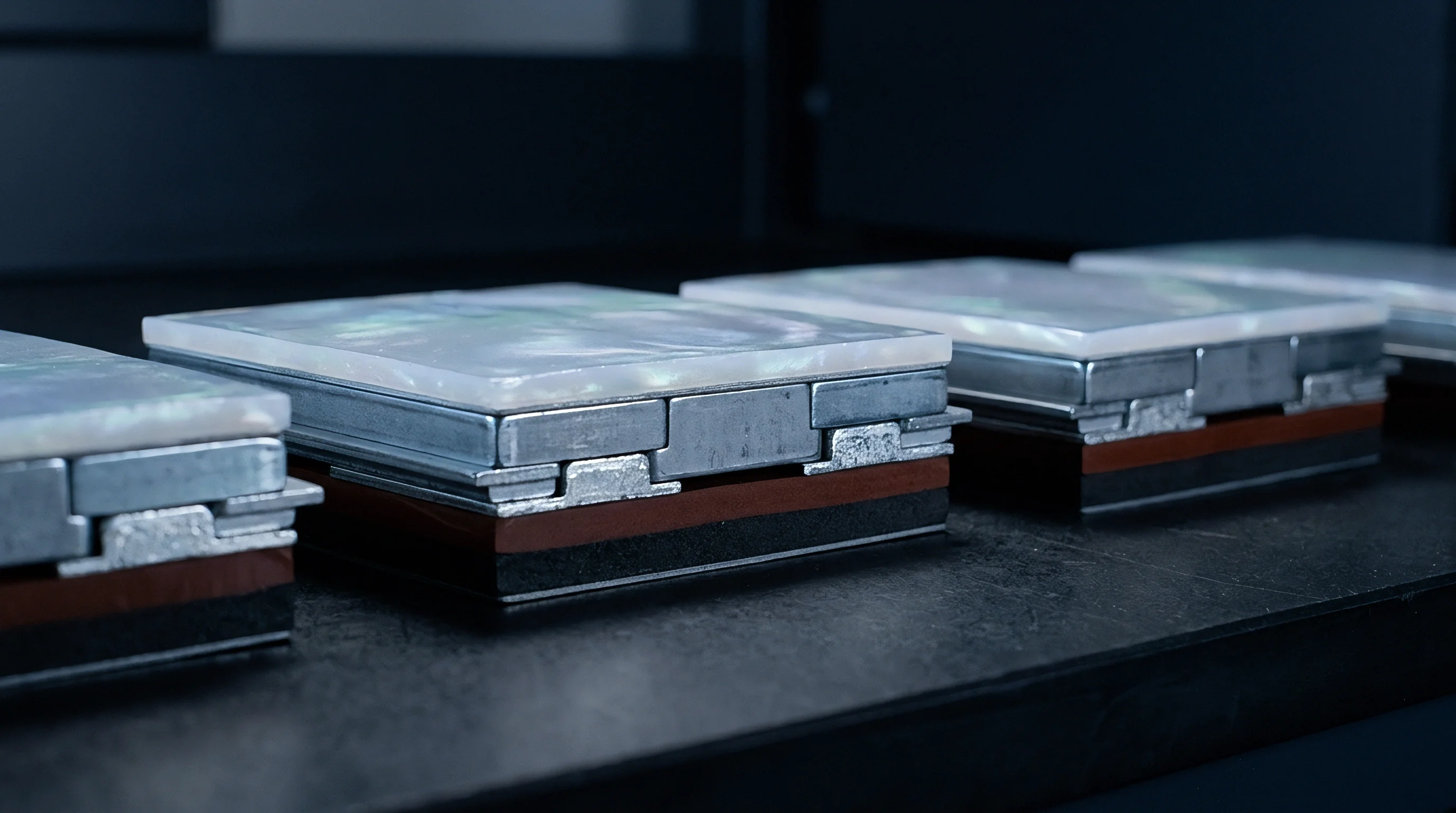
Bench
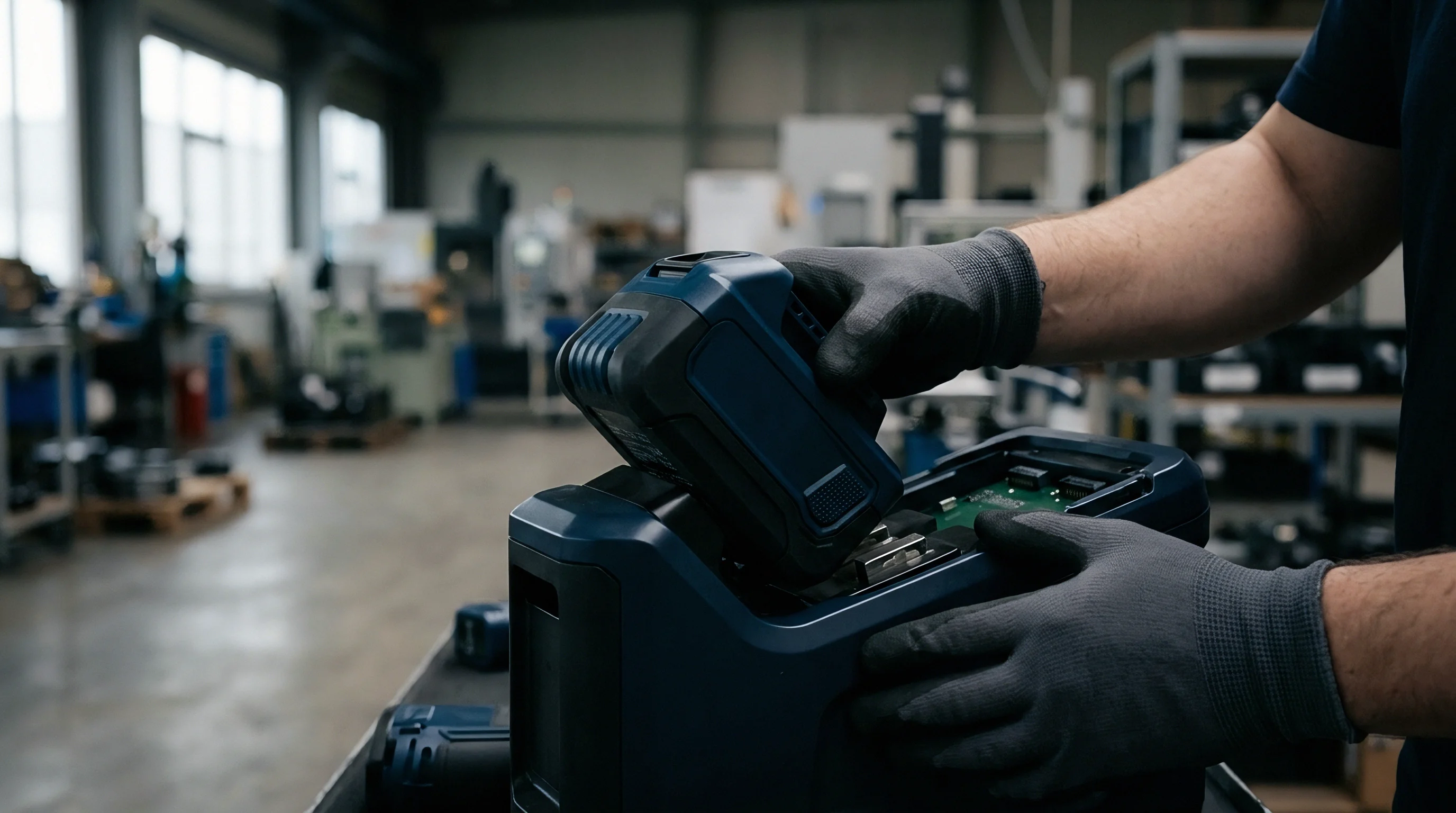
High-throughput test fixtures measure baseline electrical parameters to screen out damaged, discharged, or degraded cells before secondary processing. Screening catches internal shorts, manufacturing defects, and tab connection flaws before cells arrive at pack assembly. Standardized test protocols confirm that delivered lots meet the tight capacity and impedance distributions needed for high-voltage battery packs.
Open Circuit Voltage and Impedance Profiling
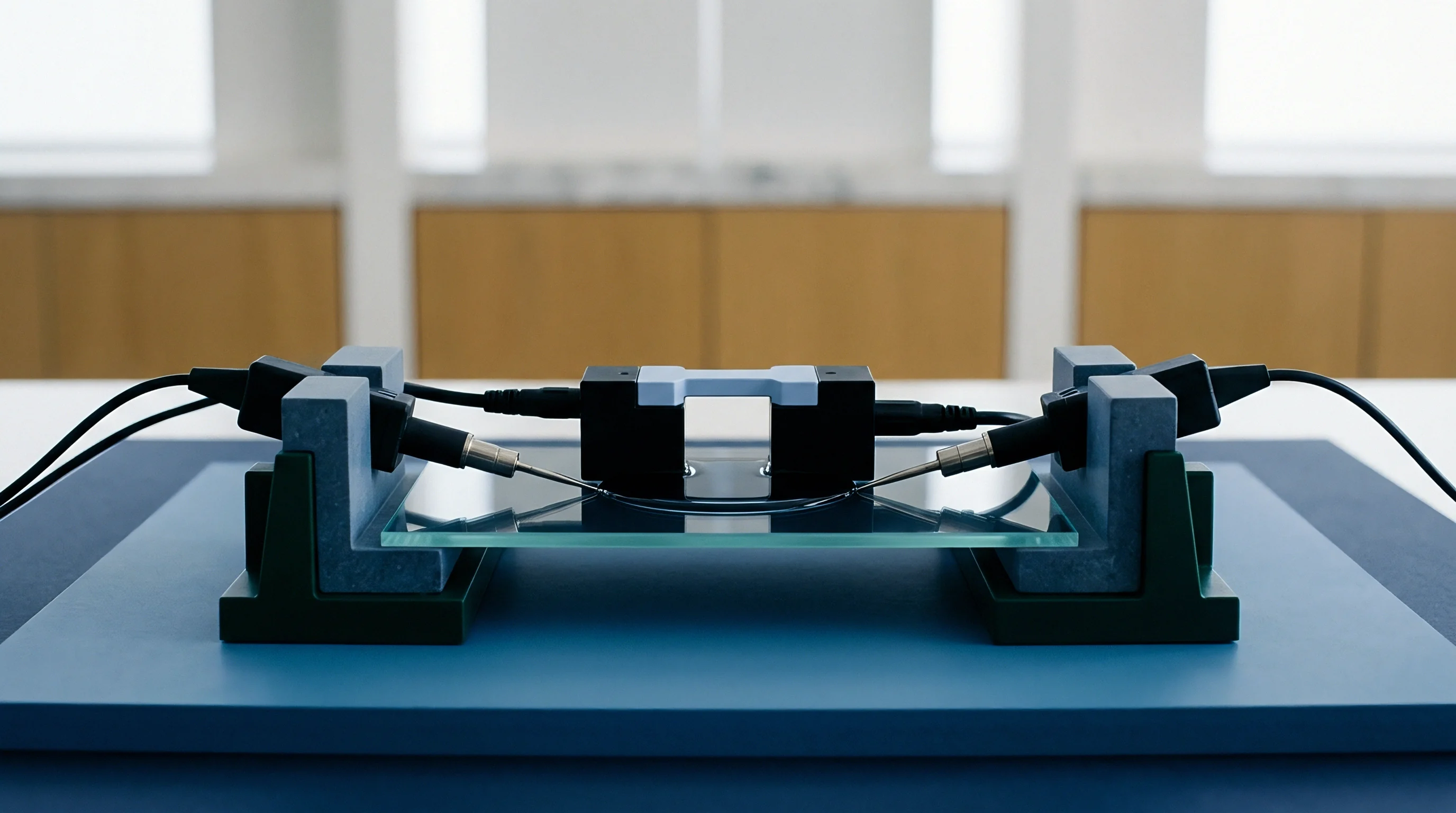
Measuring open circuit voltage gives an immediate read on cell state of charge and overall health. Digital voltmeters with at least six-and-a-half digits of resolution measure potential down to fractions of a millivolt. Sudden or unexpected drops point to internal flaws: cells reading more than fifteen millivolts below the lot mean suggest high self-discharge caused by separator pinholes or metallic particle contamination.
Alternating current internal resistance testing at one kilohertz measures ohmic resistance across internal contacts, collectors, and electrolyte interfaces. This high-frequency AC check detects tab-to-foil weld degradation, poor wetting, and tab damage from transit vibration. Direct current resistance testing uses high-current discharge pulses to measure charge-transfer resistance and polarization effects.
Impedance spikes signal tab defects. Comparing AC impedance against DC resistance separates pure metallic resistance issues from electrochemical polarization bottlenecks.
- Separator micro-punctures trigger localized self-discharge paths that lower open circuit voltage during ocean transit storage windows.
- Tab weld fracturing increases high-frequency AC impedance without initially affecting baseline open circuit voltage readings.
- Electrolyte drying elevates DC polarization resistance while leaving initial low-current AC measurements relatively stable.
- Header insulation degradation lowers insulation resistance values between current collector terminals and outer structural enclosures.
K-value determination measures self-discharge over a set aging window. Expressed in millivolts per day, the K-value is simply the open circuit voltage drop divided by storage days. Maximum allowable K-value limits are set based on sixteen days of room-temperature aging.
Tracking this lets quality engineers forecast long-term storage stability and filter out micro-shorted cells before module assembly. Any cell with an elevated K-value goes straight to quarantine to avoid thermal runaway risks in completed packs.

Insulation Resistance and Dielectric Withstand
Dielectric withstand testing checks the insulating sleeves, wrap films, and gaskets that isolate cell terminals from grounded housing. Insulation meters apply direct current potentials between five hundred and one thousand volts between terminals and the outer aluminum or steel can. Measured isolation resistance must exceed one hundred megohms in dry conditions.
For pouch cells, high voltage is applied between positive tabs and unsealed aluminum laminate edges to uncover micro-pinholes formed during pouch shaping.
| Chemistry & Format | OCV Tolerance Band | AC-IR (1 kHz) Limit | Max Allowable K-Value | Isolation Resistance |
|---|---|---|---|---|
| LFP Prismatic (280 Ah) | 3.285 V ± 0.010 V | 0.18 mΩ ± 0.03 mΩ | 0.25 mV/day at 25 °C | 500 MΩ at 1000 V DC |
| NMC 811 Cylindrical (21700) | 3.620 V ± 0.015 V | 12.5 mΩ ± 1.0 mΩ | 0.50 mV/day at 25 °C | 100 MΩ at 500 V DC |
| NMC 622 Pouch (60 Ah) | 3.710 V ± 0.012 V | 0.65 mΩ ± 0.05 mΩ | 0.40 mV/day at 25 °C | 200 MΩ at 500 V DC |
| LTO Prismatic (23 Ah) | 2.350 V ± 0.008 V | 0.35 mΩ ± 0.04 mΩ | 0.15 mV/day at 25 °C | 500 MΩ at 1000 V DC |
Fixtures require precise calibration. Automated four-point Kelvin probe stations eliminate lead wire resistance and contact voltage drops during high-volume screening. Test pins use spring-loaded, gold-plated crowns that cut through oxidation layers on aluminum and copper pads without damaging the terminal surface.
Automated contact force monitoring keeps pin pressure uniform from cell to cell, eliminating contact resistance variations that skew impedance data.
A self-discharge rate exceeding 0.8 millivolts per day at 25 degrees Celsius signals internal micro-shorts from separator burrs.

Does Accelerated Storage Predict Long Term Degradation?
High-temperature burn-in rooms held at forty-five degrees Celsius accelerate internal chemical reactions, exposing latent manufacturing defects within fourteen days. Elevated heat speeds up gas generation, electrolyte oxidation, and transition metal dissolution. Thermal stress forces micro-shorts and structural flaws to manifest quickly as accelerated voltage loss.
Comparing post-burn-in voltage profiles against baseline numbers separates reliable cells from sub-standard lots prone to premature field failure.
Electrolyte breakdown during warm storage releases volatile hydrocarbon gases that drive up internal pressure. In pouch cells, gas accumulation leads to swelling and distortion; in rigid prismatic cells, it pushes against safety vent discs. Measuring impedance growth after thermal exposure gives clear data on SEI layer stability and cathode dissolution rates.
Accelerated thermal testing acts as a critical gatekeeper, stopping sub-standard electrolyte formulations from reaching assembly lines.
Uncompensated probe contact resistance previously flagged three thousand premium prismatic cells as high-impedance rejects, causing forty-two thousand dollars in scrap costs.


Swell
Physical variation across delivered cell lots directly alters module compression, cooling plate contact, and overall pack dimensions. Cells change shape during initial formation, extended storage, and thermal cycling. Physical inspection ensures that length, width, thickness, and profile tolerances stay strictly within engineering limits required for automated pack assembly.
Dimensional Stack-Up and Constraint Fixturing
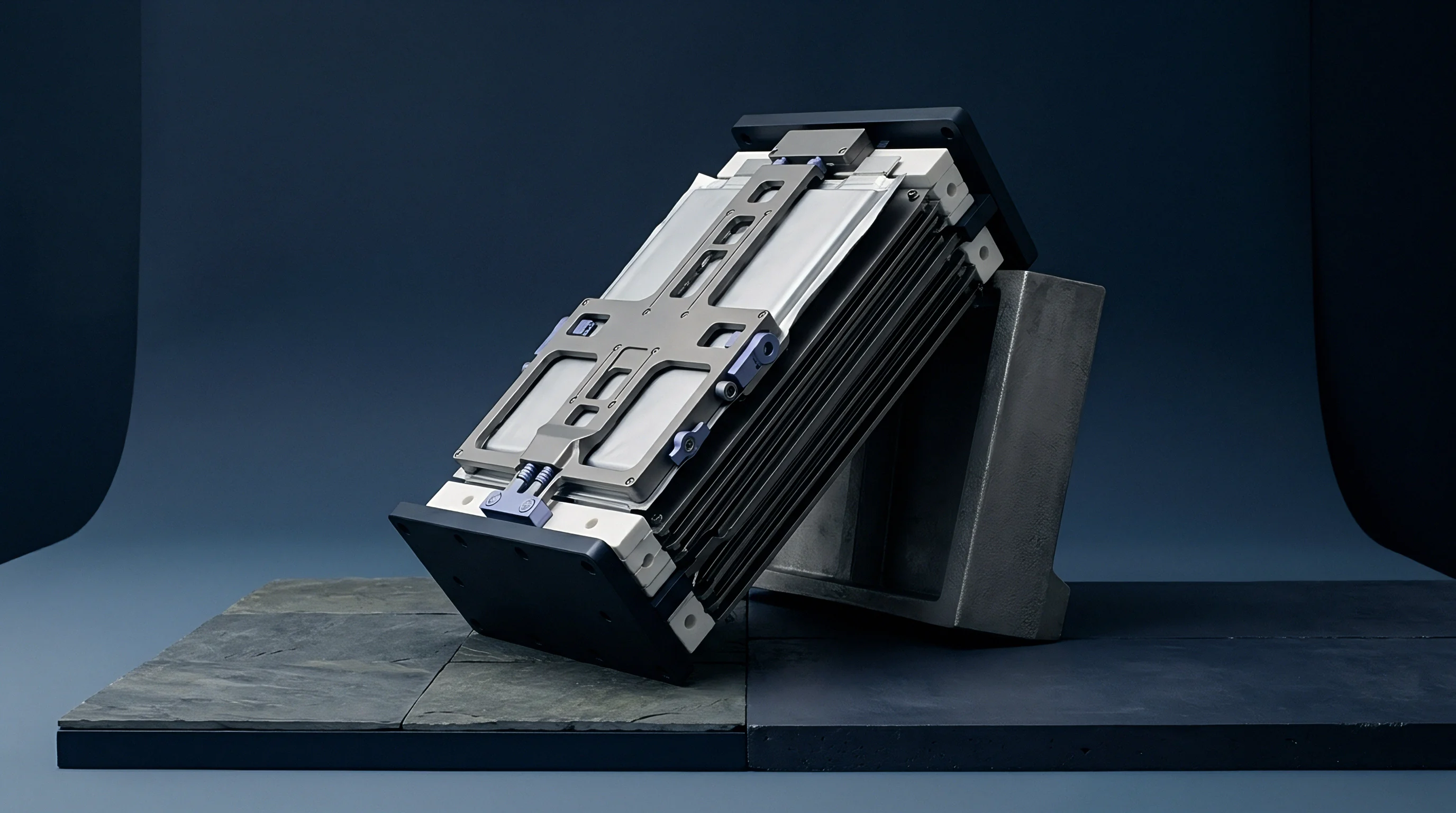
Measuring cell dimensions under mechanical load is necessary for pouch and prismatic formats. Pouch cells have no rigid shell, so face dimensions shift with state of charge and gas buildup. Unconstrained measurements give misleading results because of minor gas pockets or loose outer laminate foil.
Technicians place pouch cells into precision fixtures with pneumatic plates applying a standard pre-load ~ typically zero point three megapascals ~ to flatten electrode layers during measurement.
Prismatic inspection focuses on can swelling across the wide side faces. Internal gas pressure and electrode expansion cause sidewall bulging, thickening the cell near the middle. Excessive deflection keeps cells from fitting into module frames and can crush adjacent liquid cooling plates during assembly.
Laser displacement sensors scan cell faces under set constraint forces to map 3D surface profiles and calculate maximum crown height against edge datum lines.
Cylindrical cell checks focus on outer diameter concentricity, total height, and top button geometry. High-speed optical micrometers measure outer diameters across multiple height steps to detect bulging or ovality caused by worn deep-drawing dies. Height measurements compare top button position against the shoulder crimp to guarantee proper contact force when cells are welded to nickel busbars.
- Electrode overhang misalignment shifts local current density during cycling, inducing localized lithium plating along anode edges.
- Pouch side-seal delamination releases volatile carbonate solvents under moderate vacuum, lowering internal cell compression.
- Prismatic header mismatch creates asymmetric busbar strain, leading to micro-cracks in laser welded joints.
- Cylindrical crimp distortion compromises internal current collector tabs during automated module insertion.
Stack pressure plates with calibrated load cells measure expansion force when cells are constrained at fixed volumes. Excessive swelling force straight from the factory indicates incomplete degassing during formation or heavy moisture contamination during electrolyte filling. Quality engineers enforce maximum force thresholds to prevent pack housing deformation over operational battery life.
Metrology Protocols under Mechanical Load
Automated coordinate measuring machines use touch probes and non-contact optical sensors to check interface dimensions against CAD models. Optical systems project structured light onto cell tops to verify terminal alignment, safety vent flatness, and bracket locations. Terminal coplanarity across prismatic covers must stay within zero point two millimeters to guarantee consistent laser weld depth during busbar attachment.
| Cell Format | Nominal Dimension | Manufacturing Tolerance | Test Fixture Load | Deflection Acceptance Boundary |
|---|---|---|---|---|
| Cylindrical 21700 | 21.15 mm Dia × 70.15 mm H | ± 0.10 mm Dia / ± 0.15 mm H | Unconstrained (Zero Load) | Max Ovality < 0.08 mm |
| Prismatic 280 Ah | 173.7 mm W × 207.2 mm H | + 0.8 mm / – 0.2 mm Thickness | 0.50 MPa Uniform Load | Side Face Bulge < 1.2 mm Center |
| Pouch 60 Ah NMC | 350.0 mm L × 115.0 mm W | ± 0.30 mm L / ± 0.25 mm W | 0.30 MPa Flat Plate Load | Thickness Swell < 0.40 mm |
| Blade LFP Cell | 960.0 mm L × 90.0 mm H | ± 1.00 mm L / ± 0.50 mm H | 0.20 MPa Edge Clamp | Longitudinal Bowing < 1.5 mm |
Tactile pressure film inserted between cell faces and fixture plates maps pressure distribution across active electrode areas. Uniform pressure ensures even electrolyte wetting and prevents localized degradation during high-current cycling. Uneven pressure maps reveal internal electrode thickness variation, separator buckling, or debris trapped in internal windings.
Cells measured without engineered compression plates yield worthless dimensions for pack housing layout.


Verification
Destructive testing and cycle grading confirm that shipments deliver on stated energy density and rate capability claims. Standardized sampling provides statistical confidence without burning excessive time or samples. Rigorous discharge characterization catches batch-to-batch chemical variations and validates supplier process control.
Acceptance Sampling Plans and Lot Allocation
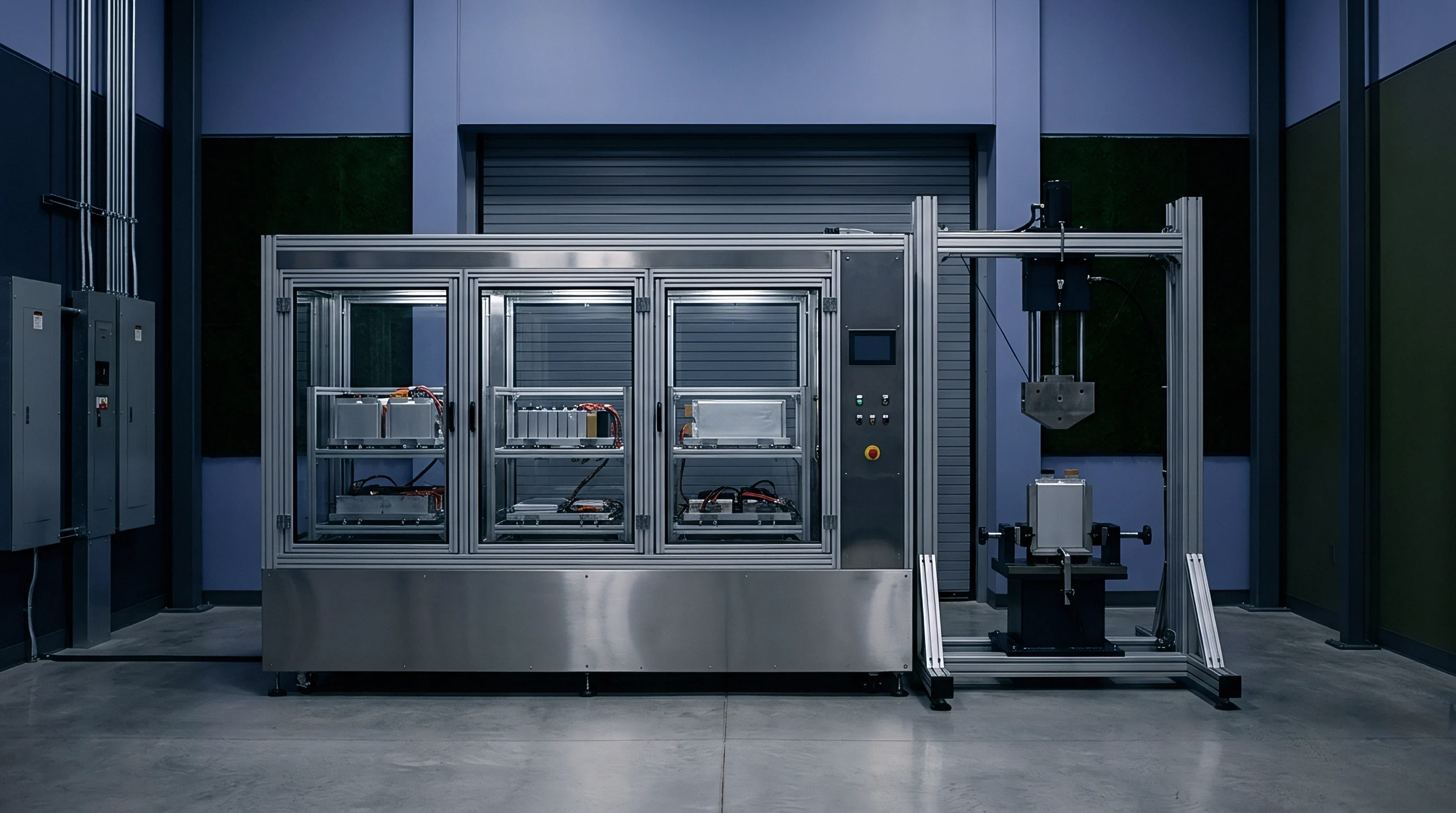
Receiving inspection uses ANSI/ASQ Z1.4 sampling frameworks to determine sample counts based on shipment size. The plans establish Acceptable Quality Limits for critical, major, and minor defects. Critical flaws ~ like electrolyte leaks, reverse polarity, or structural damage ~ have an Acceptable Quality Limit of zero percent, meaning a single failure rejects the entire lot.
Major defects such as capacity shortfalls or high impedance use an Acceptable Quality Limit of zero point four percent, while minor cosmetic flaws permit up to one point five percent.
Sampling errors destroy statistical confidence. Standard switching rules shift inspection levels between normal, tightened, or reduced based on quality history. Five consecutive clean lots authorize reduced sampling, cutting test channel use and labor.
Conversely, a single lot failure forces an immediate move to tightened sampling, doubling sample sizes on subsequent shipments until supplier process stability is proven again.
- Critical safety non-conformance triggers immediate quarantine of the entire production lot without re-sampling allowances.
- Capacity variance exceeding threshold requires expanding sample size to double the original ANSI Z1.4 tier before final rejection.
- Barcode traceability corruption halts incoming processing until the factory supplies valid serial key databases.
- Impedance distribution skew forces individual cell grading and binning prior to module sorting.
Random sampling requires pulling cells from top, middle, and bottom layers across pallets distributed throughout the container. Taking samples only from front-row cartons introduces bias and misses damage concentrated near doors or floor runners. Each sample cell receives a tracking barcode linked to automated test channels to maintain chain of custody throughout testing.
Capacity Discharge Testing and C-Rate Validation
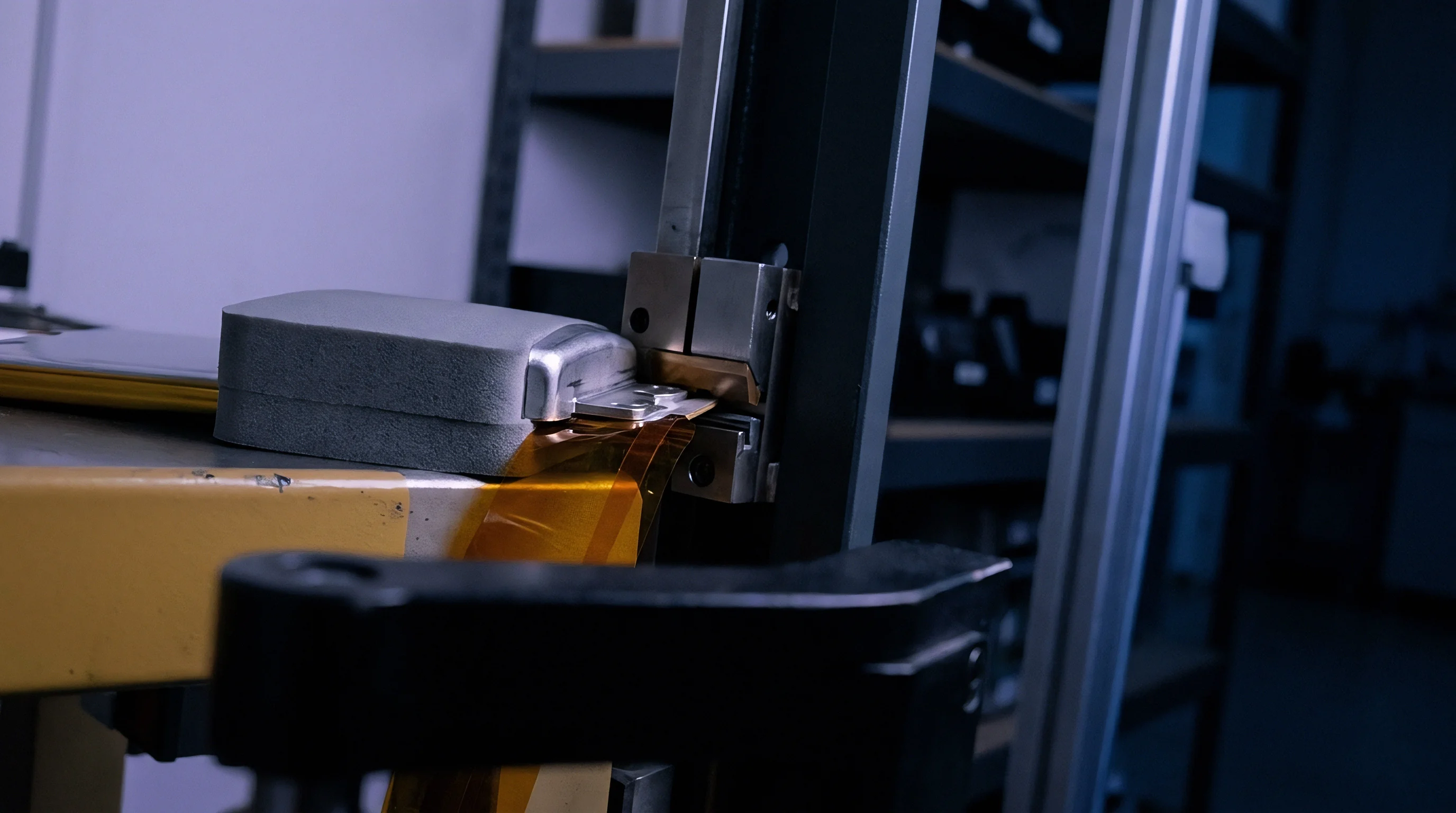
Discharge capacity testing measures total energy delivery under standard temperature and rate conditions. Test channels place sample cells in environmental chambers held at twenty-five degrees Celsius plus or minus one degree. Cells follow a standard constant-current, constant-voltage charge to maximum cut-off voltage, rest for thirty minutes to stabilize thermally and chemically, and then discharge at continuous rated currents ~ typically zero point five C or one C ~ down to minimum cut-off voltage.
Temperature shifts skew baseline readings. Rated capacity calculations apply temperature correction factors whenever test chamber ambient drifts from reference points. Delivered discharge capacity must meet or exceed one hundred percent of nominal datasheet specs across sample groups.
Process capability indices ~ specifically Cpk values ~ track capacity distribution tightness across lots. A Cpk over one point three three indicates tight supplier process control, whereas a Cpk below one point zero triggers an immediate batch hold.
Rate capability testing evaluates cell performance under high-current pulse discharge and fast charging. High-power applications require checking voltage response and heat generation at two C, three C, or peak pulse currents lasting ten to thirty seconds. Voltage drop during high-rate discharge pulses indicates internal resistance growth and power limits.
Cells showing excessive voltage drop under pulse load fail rate validation, pointing to poor collector tab welds or low electrolyte conductivity.
Take an incoming shipment of ten thousand prismatic lithium iron phosphate cells rated at two hundred eighty ampere-hours. Under ANSI/ASQ Z1.4 General Inspection Level II, normal single sampling requires a sample size of one hundred twenty-five units. The protocol distributes these units across continuous capacity testing, rate capability checks, and high-temperature storage channels.
Charge-discharge cycling yields a sample mean capacity of two hundred eighty-two point four ampere-hours with a standard deviation of one point eight ampere-hours. Calculating upper and lower capability indices against the lower specification limit of two hundred eighty ampere-hours gives a Cpk of one point three-seven. Because this exceeds the contractual Cpk threshold of one point three three, lot uniformity is confirmed and the shipment is released to production.
Destructive Tear-Down and Electrochemistry Audit
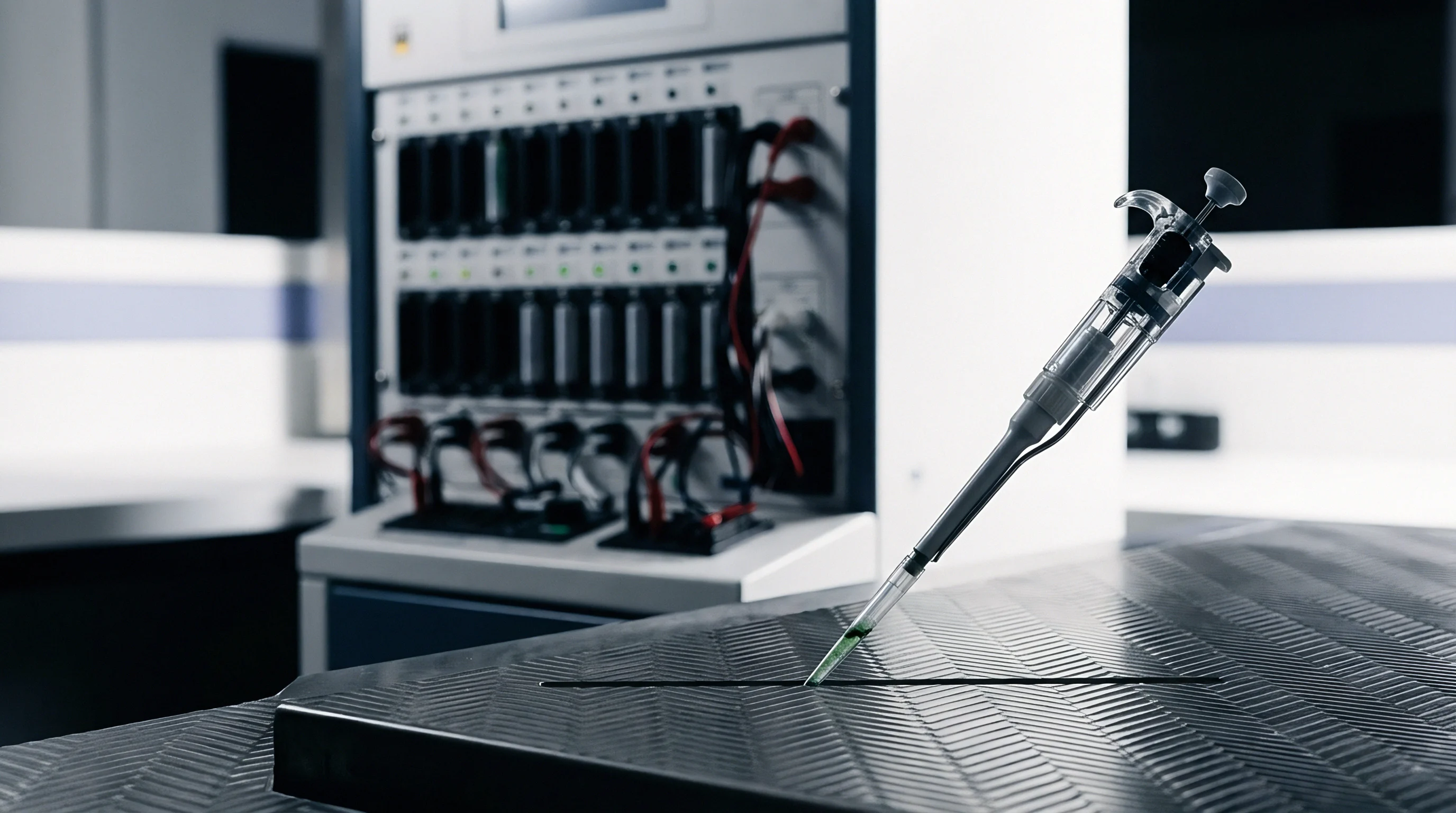
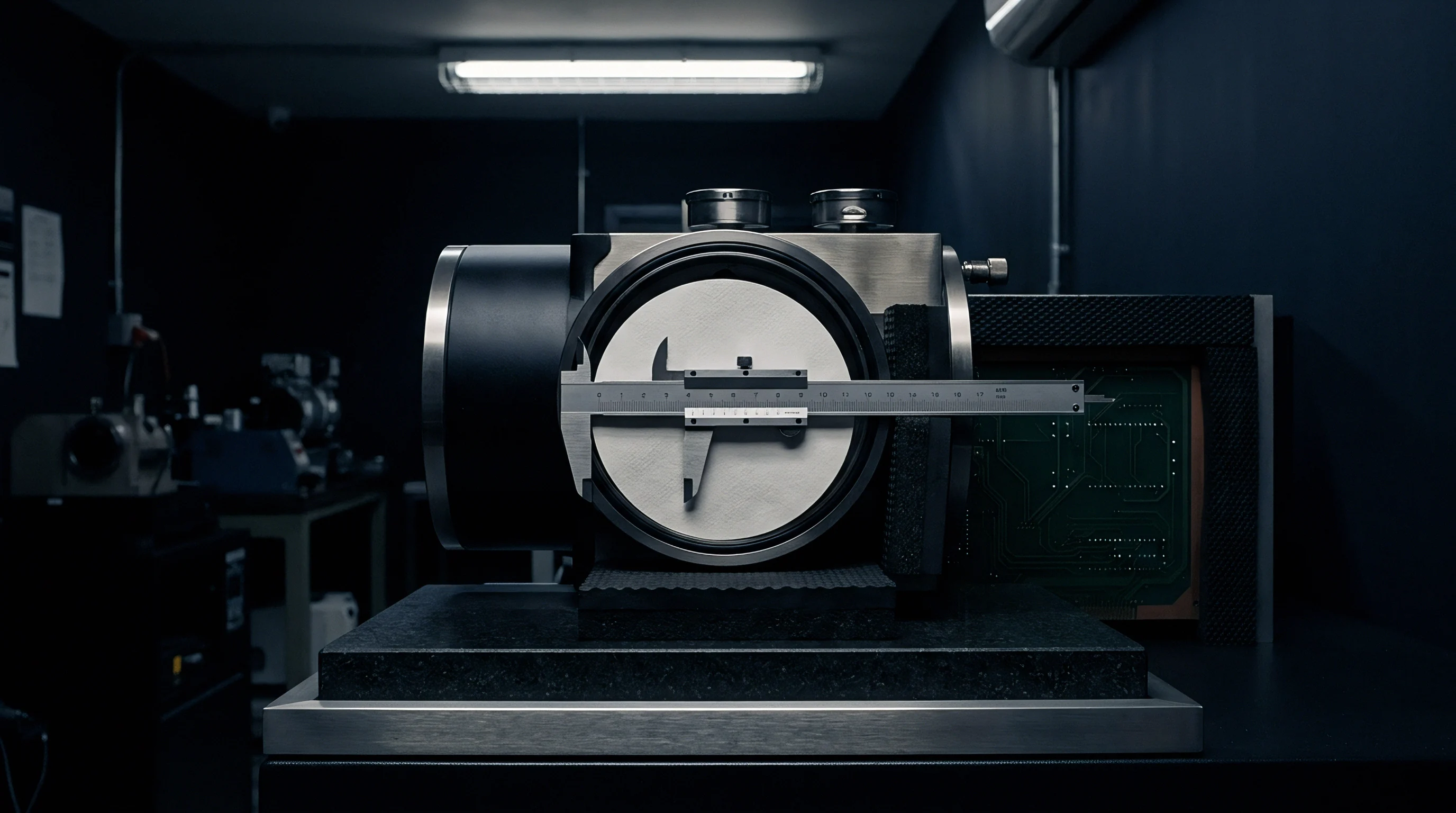
Destructive physical analysis checks internal mechanical alignment, material quality, and cell construction. Technicians fully discharge sample cells down to zero volts inside argon-filled glove boxes where oxygen and moisture stay below one part per million. Operators cut enclosures open with non-sparking ceramic tools to extract electrode stacks without triggering thermal events or mechanical damage.
Burr height dictates separator integrity. Optical and scanning electron microscopy check coating uniformity, active material adhesion, and slitting quality. Slitting burrs along anode and cathode foil edges must stay under eight micrometers to prevent puncturing thin polymer separators.
Separator overhang ~ the distance separators extend beyond electrode plates ~ is measured under magnification. Insufficient overhang risks edge short circuits during thermal expansion or mechanical shock.
Section 7.3 of international transport standard UN 38.3 rejects cell lots failing thermal abuse testing at seventy-five degrees Celsius.
Electrode alignment checks verify cathode-to-anode active material coverage ratios. The anode active layer must extend beyond cathode coating boundaries on all sides so lithium ions intercalate smoothly into graphite structures during charging. Cathode overhang defects cause localized lithium plating along anode perimeters, forming metallic lithium dendrites that trigger catastrophic internal short circuits over time.
Section 12.4 of the supply agreement transfers all freight, testing, and disposal costs to the cell manufacturer whenever lot sampling yields a process capability index below 1.33.

Dispute
Commercial resolution of bad cell lots relies on unambiguous quality agreements, traceable inspection records, and standardized quarantine procedures. When incoming inspection uncovers non-conforming physical, electrical, or dimensional properties, clear technical documentation protects against supplier counterclaims and supports warranty claims. Clear commercial boundaries protect capital investments and keep landed cost targets realistic.

Quarantine Protocols and Root Cause Attribution
Identifying a non-conforming lot triggers immediate quarantine to keep rejected inventory off the assembly floor. Quality staff apply physical tags, move affected pallets into fire-rated storage cages, and place software holds in the enterprise resource planning system. These digital locks prevent warehouse handlers from releasing quarantined serial numbers to active lines.
Defect claims demand clean records. Formal Return Material Authorization claims require comprehensive dossiers detailing non-conformance metrics, calibration logs, and environmental history. Quality engineers compile statistical distribution charts, microscopy images, and raw voltage-time data into standardized non-conformance reports.
Submitting complete digital trace records within required notification windows ~ typically five business days from delivery ~ prevents suppliers from attributing issues to shipping damage or lab errors.
Root cause attribution distinguishes between transit damage and factory defects. Electrolyte leakage paired with crushed packaging points to rough freight handling, shifting financial liability to logistics underwriters. Conversely, systemic impedance spikes, poor tab welds, or cathode overhang defects with undamaged outer packaging indicate factory escapes, putting full financial responsibility on the supplier.
Third-party referee labs provide independent analysis when buyers and suppliers dispute root cause findings.

Landed Cost Recalculation and Commercial Remedies
Yield drops inflate landed costs. Lot rejections alter projected battery pack landed costs through unrecovered freight fees, customs duties, test expenses, and line downtime. Master supply contracts specify commercial remedies for non-conforming shipments, including full batch replacement, credit memos, or reimbursement covering administrative and testing overhead.
Scrap allowances built into purchasing contracts establish baseline acceptable loss thresholds, typically zero point two percent of total order volume. When defect rates exceed that threshold, suppliers must credit the full purchase price of failing units and absorb hazardous waste disposal costs. Receiving plants reject shipments carrying uncalibrated factory logs.
Quality agreements specify that suppliers pay expedited air freight fees for replacement lots needed to avoid line stoppages at pack assembly plants.
Vendor rating systems track supplier quality over time, adjusting future purchase allocations based on lot pass rates, claim resolution speed, and delivered process capability indices. Low quality scores trigger contractual penalties, downgraded vendor status, or total cancellation of supply agreements. Maintaining strict receiving gates and firm financial enforcement ensures cross-border cell procurement delivers reliable energy storage products.
Whether tier-two cell manufacturers will ever accept automated line-side inspection data from overseas pack assembly plants as final legal proof of latent manufacturing defects remains undecided across international trade courts.