
Anode Overpotential Monitoring in Commercial Lithium Ion Fast Charging Applications
Active anode potential tracking prevents metallic lithium plating, extending cell life and enabling safe 15-minute fast charging in high-power battery packs.
Active anode potential tracking prevents metallic lithium plating, extending cell life and enabling safe 15-minute fast charging in high-power battery packs.

Dynamic anode potential control above 50 mV suppresses crystalline silicide formation, preserving amorphous silicon structure and extending cycle life.

Micro reference electrodes reveal sub-zero lithium plating by detecting negative graphite anode potentials relative to metallic lithium equilibrium in real time.

Subzero charging forces graphite anode potential below zero volts against lithium, driving metallic plating over intercalation and causing rapid battery capacity loss.

Dynamic tracking of graphite anode potential prevents sub-zero metallic lithium plating by throttling charging current before interfacial overpotentials breach 0V.

Sub-zero charging forces graphite anode potential below zero volts relative to lithium, initiating metallic plating driven by desolvation and diffusion barriers.

Electro-thermal degradation modeling reveals that internal thermal gradients accelerate localized lithium plating and active inventory loss during fast charging.
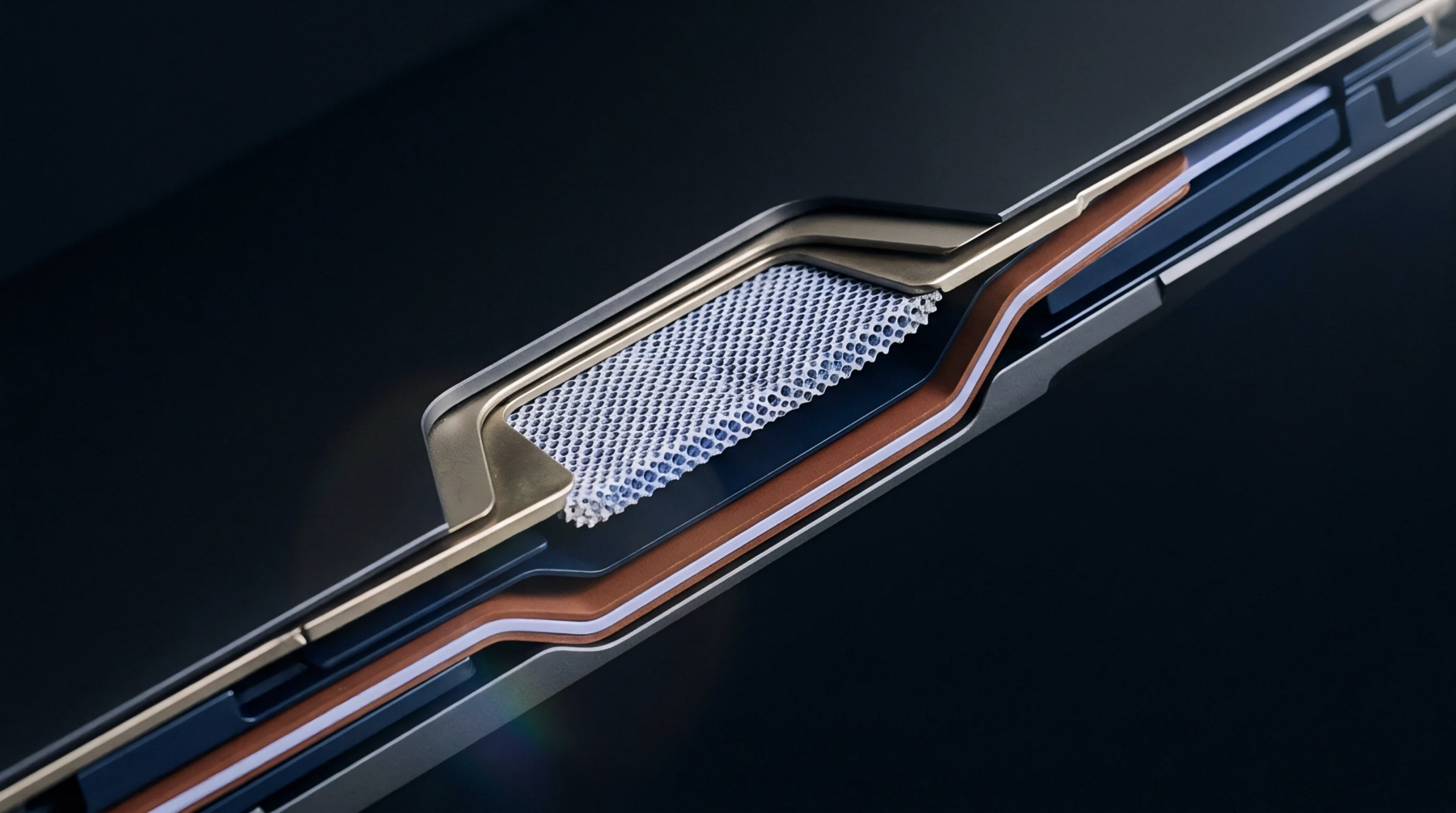
Deconvolution isolates activation, ohmic, and diffusion overpotentials, enabling exact boundary setting for fast charging without lithium plating risks.

Non-linear mechanical stress shifts Butler-Volmer kinetics in high-silicon anodes, lowering nucleation barriers and driving local lithium plating under stack pressure.

Lattice strain mismatch couples internal stress fields directly to phase boundary velocity, dictating overpotential growth, particle cracking, and high-rate capability in porous matrix battery architectures.

Charge transfer overpotential crossover marks the transition from kinetic to diffusion control, quantifiable via transient voltage relaxation fitting.

Dynamic fast-charge swelling pressure in structural cell-to-pack enclosures requires bounded preloads to suppress lithium plating without crushing separators.

Sub-zero fast charging accelerates graphite anode overpotential past 0 V vs Li/Li+, triggering metallic lithium plating that demands active pre-heating.
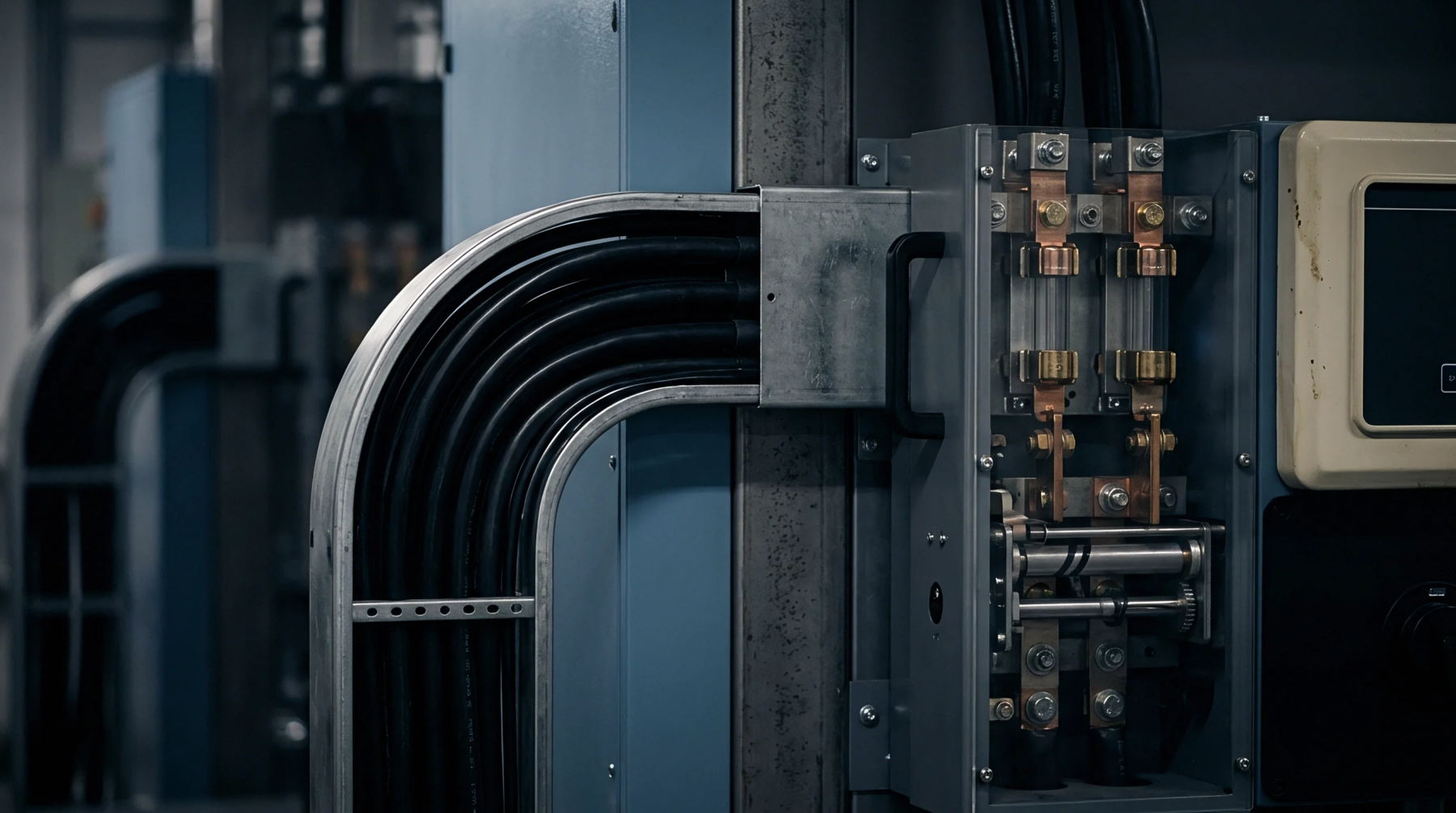
Electrochemical corrosion kinetics across dissimilar conductor interfaces accelerate through moisture condensation, demanding perimeter sealing and barrier plating.

Sub-zero charging forces graphite overpotential past zero volts, causing lithium plating that demands dynamic BMS C-rate derating to prevent rapid battery fade.

Core-to-surface thermal gradients in prismatic cells drive localized plating and SEI growth, requiring 3D electro-thermal models to prevent early fade.

Sub-zero graphite lithiation causes anode potential drops below 0V vs Li/Li+, triggering metallic lithium plating that demands temperature-dependent BMS current limits.

Sub-zero fast charging shifts anode kinetics from intercalation to metallic plating; controlling overpotential via pre-heating or step-down profiles prevents rapid cell failure.
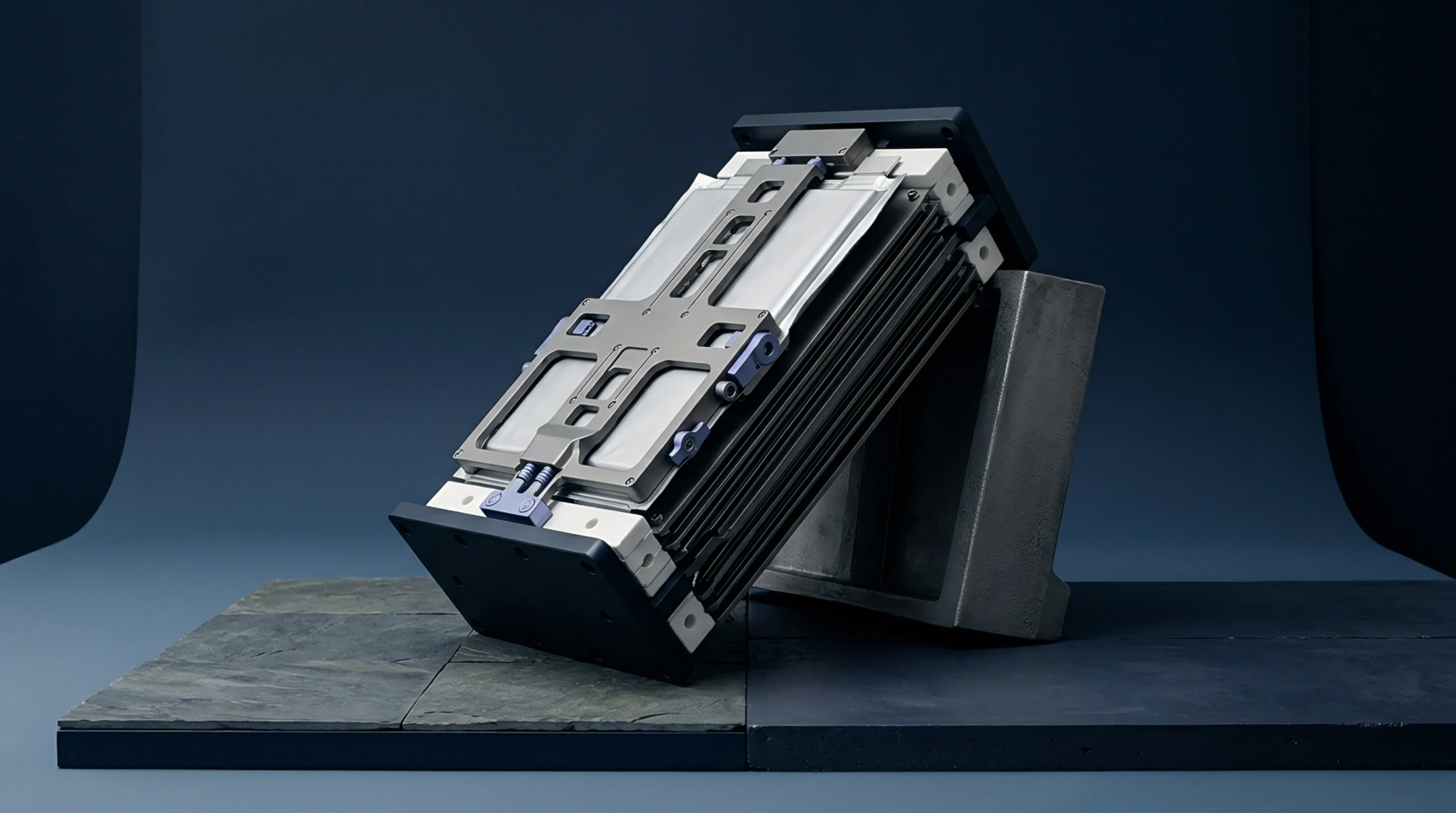
Commercial fleet cell sub-zero degradation claims require laboratory validation under dynamic thermal regimes to prevent premature capacity failure.
Sub-zero lithium plating occurs when kinetic polarization drives anode surface potential below zero volts against reference lithium, demanding dynamic current derating profiles in cell procurement contracts.
Expertise is a utility, not a secret. sentiention™ publishes its working knowledge as open reference: intelligence layer covering the materials it sources, the markets it enters, and the reference that serves both.