
Interfacial Galvanic Corrosion Kinetics at Dissimilar Conductor Joints
Galvanic corrosion at dissimilar conductor joints requires controlling relative humidity below deliquescence limits or enforcing barrier plating and polymer seals.
Galvanic corrosion at dissimilar conductor joints requires controlling relative humidity below deliquescence limits or enforcing barrier plating and polymer seals.

Bottom cold plates create local thermal gradients that drop anode overpotentials below zero volts, causing localized lithium plating during un-derated fast charge.

Sub-zero lithium-ion charging forces anode potential below zero volts, causing metallic plating; pre-heating or severe BMS current derating prevents permanent capacity loss.

Operando distribution of relaxation times isolates interfacial charge transfer resistance from solid-state diffusion, enabling precise residual value and warranty risk modeling.
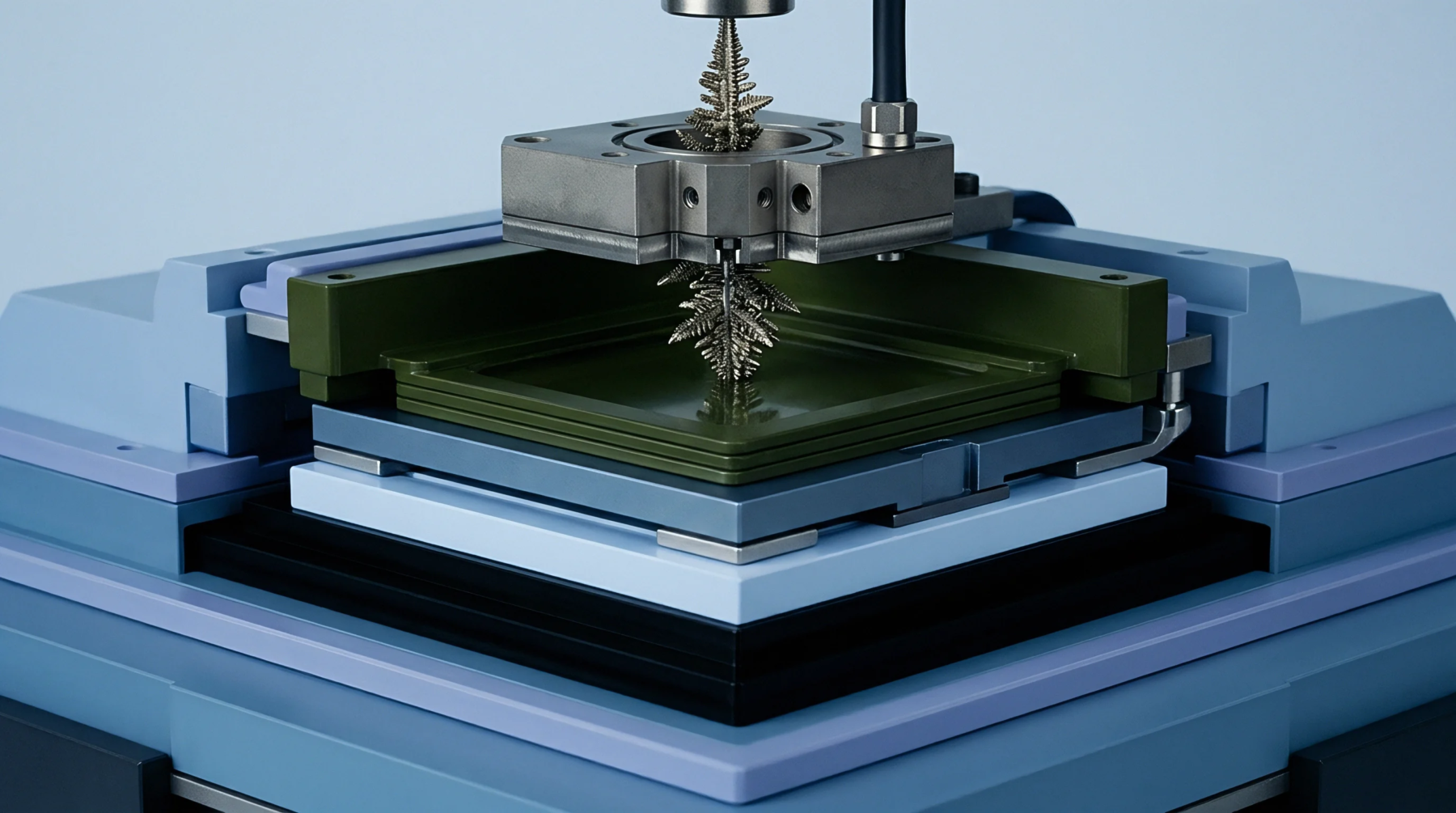
Cryogenic charging saturates graphite particle surfaces, forcing anode potentials below zero volts and driving metallic lithium plating that destroys cell life.
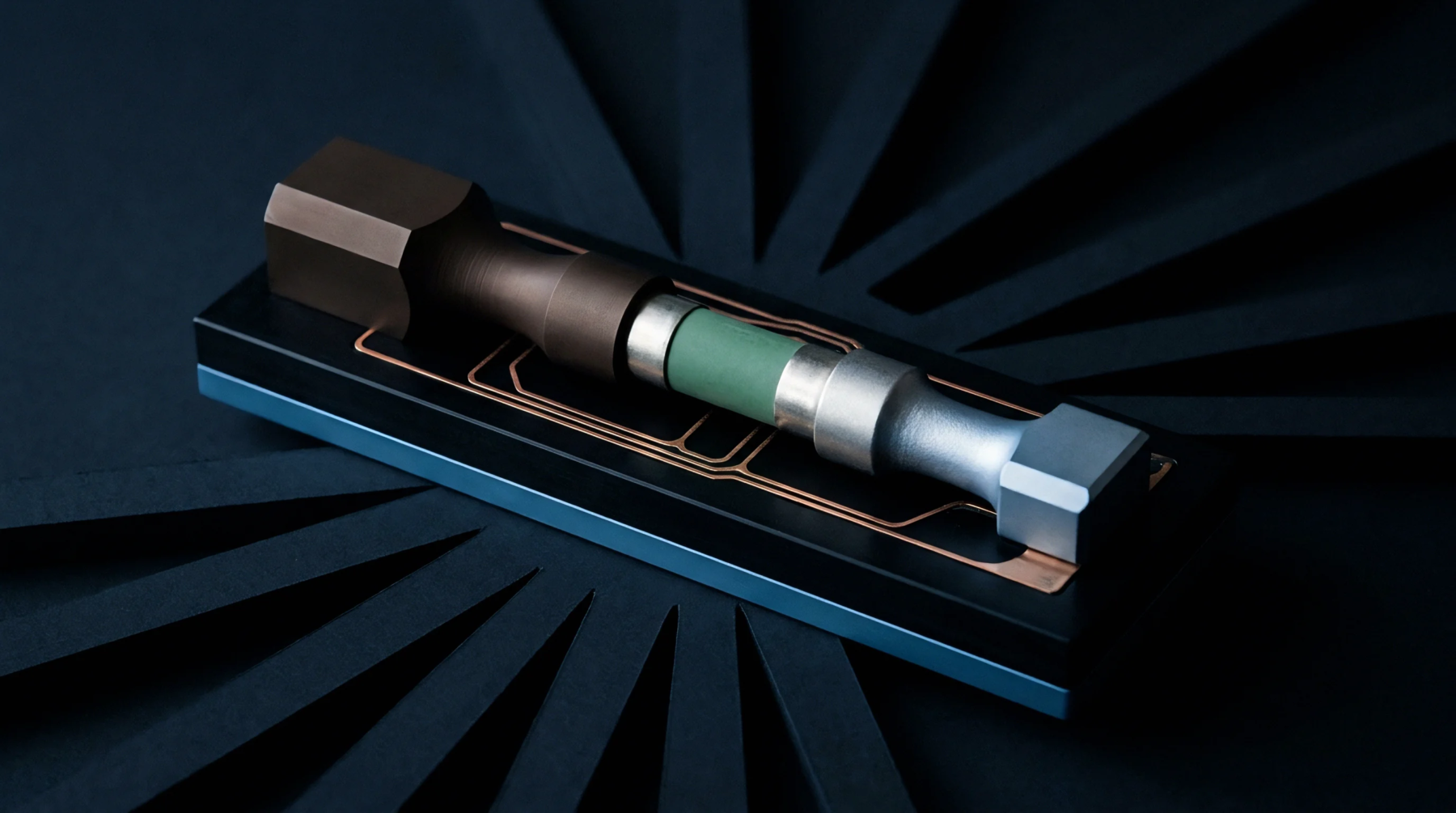
Fluorinated localized high-concentration electrolytes enable subzero fast charging by lowering desolvation energy and sustaining positive anode overpotential.

Subzero fast charging causes pore-scale lithium plating when mass transport limits drop local ion concentration to zero before thermal gradients equalize.

Subzero charging starves graphite pore salt levels, forcing local anode potential below zero volts and triggering metallic lithium plating at the current collector.

Subzero solid-state intercalation demands strict charging derating below critical current density thresholds to prevent interfacial voiding and dendrite growth.
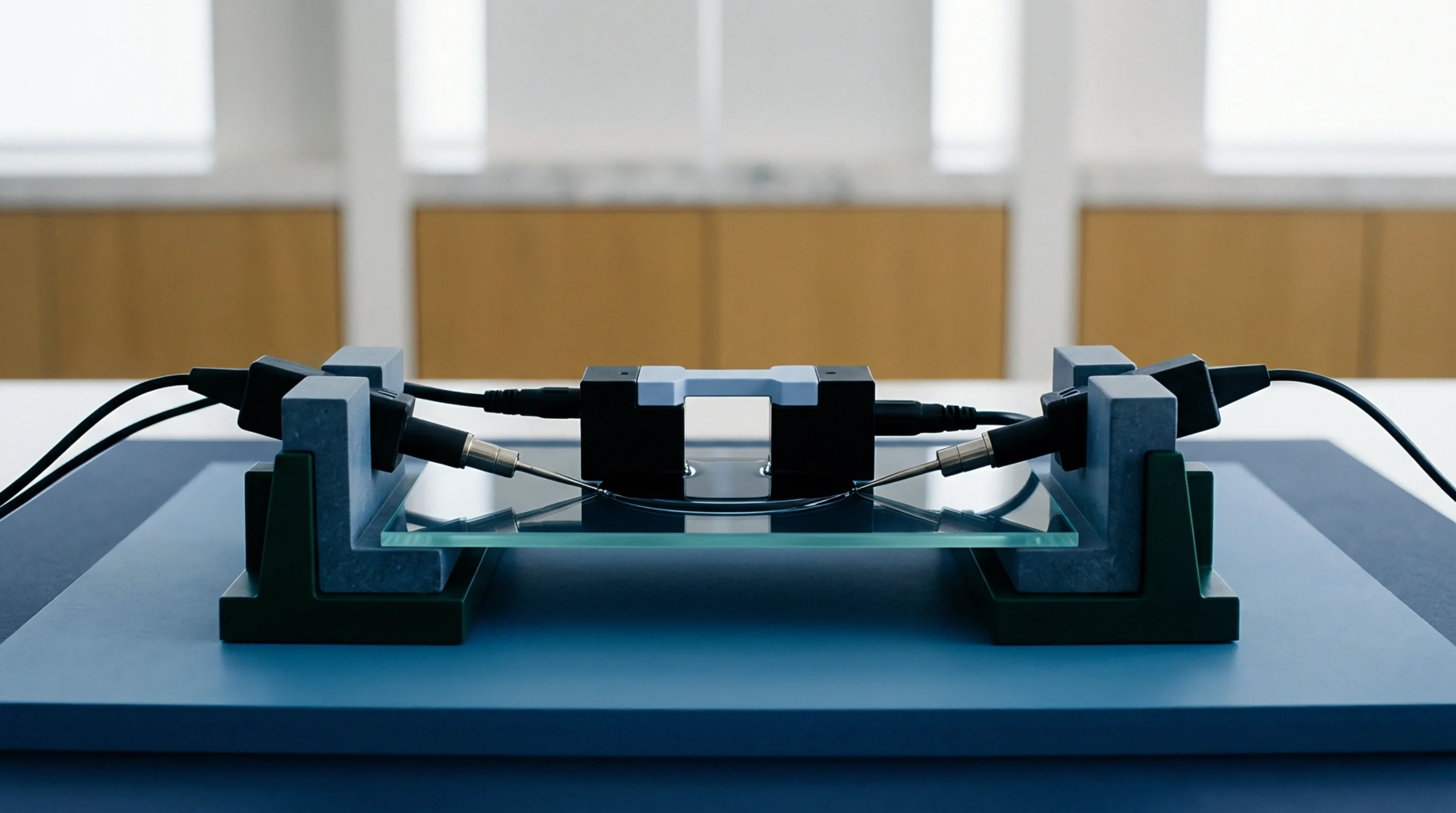
Compressive hydrostatic stress at amorphous silicon phase boundaries retards lithiation kinetics, requiring active stack pressure management to prevent overpotential spikes.

Temperature dependent distribution of relaxation times deconvolutes overlapping interfacial transfer and SEI migration, identifying low-temperature charge limits.
Sub-zero lithium plating initiates when anode overpotential drops below 0V vs Li/Li+, requiring real-time dV/dt or strain sensing to avoid fast failure.

Decoupling thermal diffusion polarization from interphase resistance growth requires continuous Arrhenius normalization and high-frequency core thermometry.
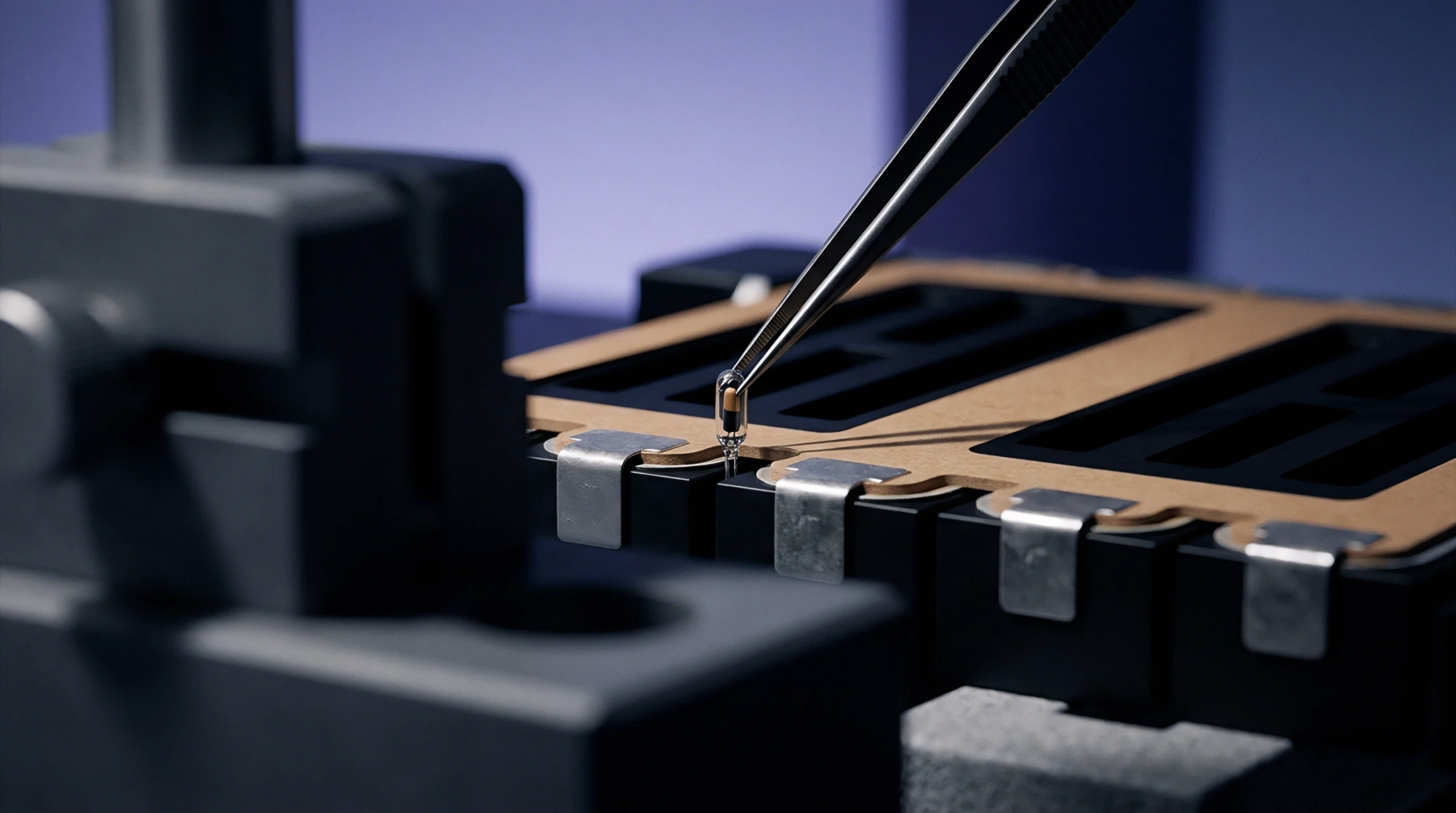
Sub-zero lithium plating triggers when negative electrode charge transfer overpotential drops below zero volts against metallic lithium reference potentials.

Subzero graphite charging drives anode potentials negative through desolvation and diffusion overpotentials, inducing irreversible lithium metal plating.

Three-electrode differential voltage relaxation analysis maps sub-zero lithium plating thresholds, preventing irreversible anode decay and thermal risk.

Lattice strain drives intergranular fracture that chokes ionic transport pathways, making multiscale mechanical models essential for cycle-life valuation.

Localized current crowding and phase gradients distort fast screening diagnostics, masking localized lithium plating and causing premature cell capacity knees.

Coupling operando spectroscopic metrology with electrochemical kinetic models extracts true passivation reaction rates to predict battery lifetime and limit sourcing risk.

Dynamic duty cycling triggers non-equilibrium phase boundary kinetics and coherency fracture, demanding pulse-specific screening and pack sizing derating.

Calibrate particle observer matrices by mapping empirical diffusion and impedance data directly to discretized radial state space operators.

Solid phase diffusion modeling estimates active particle surface concentration, enabling aggressive fast charging without lithium plating or premature voltage cutoff.

Particle surface concentration gradients distort terminal voltage lookups; embedded reduced-order diffusion models decouple surface and bulk states to prevent drift.

Decoupling thermal overpotential from true cell degradation isolates core thermal acceleration to prevent masking irreversible impedance growth.

Extreme fast charging drives tab-adjacent anode zones below zero volts, causing localized metallic lithium plating that evades standard bulk diagnostics.

Aged solid-state cells undergo severe interfacial contact loss and kinetic resistance growth at subzero temperatures, collapsing closed-loop tracking.

Calibrating physics-based degradation models against batch stoichiometry data preserves tracking precision and defends pack warranties under European regulations.

Real-time tracking of anode interfacial overpotential and cross-plane thermal gradients enables maximum fast-charging speeds while preventing lithium plating.

Quantifying localized anode polarization margins requires three-electrode micro-probe mapping to ensure local potential stays above 0 V vs Li/Li+ during fast charging.
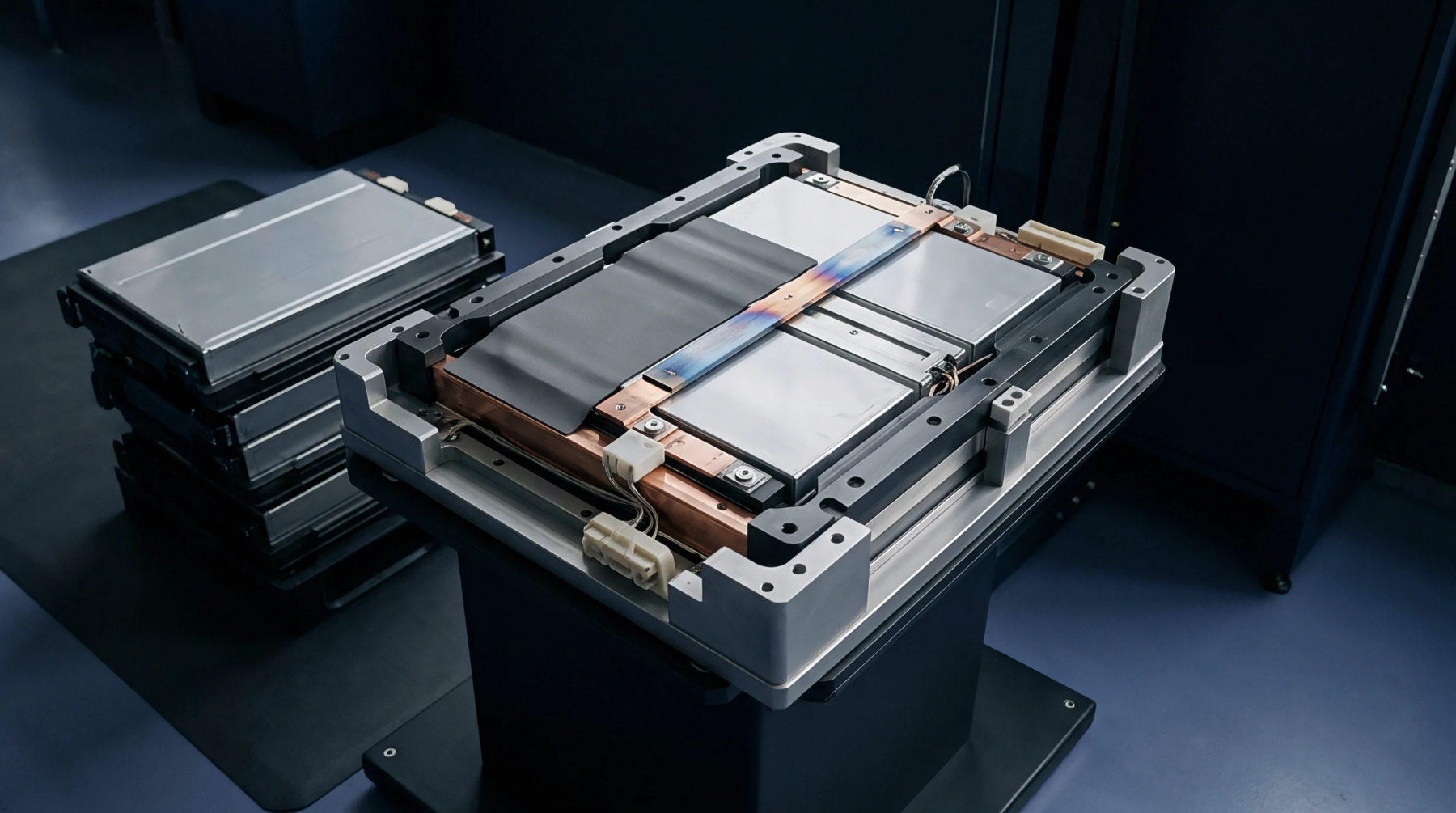
Mitigating spatial overpotential in large prismatic cells requires full-edge tab collection and strict low-temperature screening to prevent anode plating.
Expertise is a utility, not a secret. sentiention™ publishes its working knowledge as open reference: intelligence layer covering the materials it sources, the markets it enters, and the reference that serves both.