Resolving Interfacial Charge Transfer Inversion Dynamics during Subzero Rapid Lithium Stripping Kinetics
Subzero rapid lithium stripping forces desolvation kinetic inversion, demanding fluorinated low-viscosity electrolytes to suppress interfacial overpotential.
Gate
Desolvation Energy and Interfacial Transport at Subzero Extremes
Low temperature shifts the kinetic bottleneck of lithium stripping from bulk diffusion to the solvated interfacial boundary. At ambient temperatures, moving a lithium ion from the intercalated host lattice or metallic lithium surface into the liquid electrolyte encounters a low free energy barrier. When temperatures drop to minus thirty degrees Celsius, the solvation shell around the lithium ion rigidifies, coordinating tightly with cyclic carbonate molecules and raising the activation energy of desolvation past sixty kilojoules per mole.
This solvation sheath resists stripping across the double layer, driving up the electric field required to extract the ion from its host lattice and increasing charge transfer resistance by up to two orders of magnitude over room temperature baselines.
Rapid stripping under subzero conditions forces an inversion in expected overpotential behavior. Under standard rates, charge transfer resistance follows the symmetric Butler-Volmer relation, with oxidation and reduction mirroring each other in energy barrier height. Subzero temperatures break this symmetry.
High discharge rates demand rapid extraction of lithium ions from the anode interface; when extraction outpaces solvent shell reorganization, un-solvated or partially solvated lithium species accumulate at the electrode surface. Localized ion starvation at the double layer creates a sharp interfacial potential drop, driving overpotentials upward faster than classical Arrhenius temperature scaling predicts.
| Electrolyte Formulation | Solvent Desolvation Barrier (kJ/mol) | Charge Transfer Resistance at -20°C (Ω·cm²) | Charge Transfer Resistance at -40°C (Ω·cm²) | Limiting Stripping Current Density at -30°C (mA/cm²) |
|---|---|---|---|---|
| Standard EC/EMC 3:7 1M LiPF6 | 58.4 | 142.5 | 1120.0 | 0.35 |
| Low-Viscosity Fluorinated Formate Blend | 38.2 | 28.1 | 185.0 | 2.10 |
| High-Concentration Ether Solvate (3.5M LiFSI) | 42.7 | 41.0 | 295.0 | 1.45 |
| Ester-Diluted Liquefied Gas Formulation | 29.1 | 12.4 | 64.0 | 4.80 |
Solvent selection directly sets this interfacial energy threshold. Carbonates such as ethylene carbonate feature strong dipole moments that hold lithium ions firmly within the primary solvation sheath. Swapping rigid cyclic carbonates for fluorinated esters or low-viscosity carboxylates lowers that binding energy, facilitating faster ion shedding during high-current discharge pulses.
The physical structure of the solid electrolyte interphase plays a similar role: a dense, inorganic phase dominated by lithium fluoride presents a lower activation barrier to ion passage than a thick, porous organic layer rich in alkyl carbonates.
A fluorinated ester electrolyte maintaining a desolvation barrier below forty kilojoules per mole suppresses interfacial stripping overpotential by sixty-five percent at minus thirty degrees Celsius.
Cell design choices directly shape this dynamic during subzero rapid operation. High areal loading amplifies local current density across the electrode, accelerating the onset of interfacial charge transfer inversion. Thinner coatings spread the total stripping current over a larger active surface area, keeping localized flux below the critical threshold where desolvation kinetics stall.
Below minus twenty degrees Celsius, electrolyte wetting within micropores becomes sluggish; incomplete pore wetting restricts transport pathways, concentrating the stripping current through a fraction of the interface and compounding kinetic polarization.
Solvent sheath binding strength dictates low-temperature stripping throughput long before bulk electrolyte conductivity begins to drive total cell polarization.

Asymmetry
Subzero Kinetic Breakdown and Overpotential Inversion Mechanics
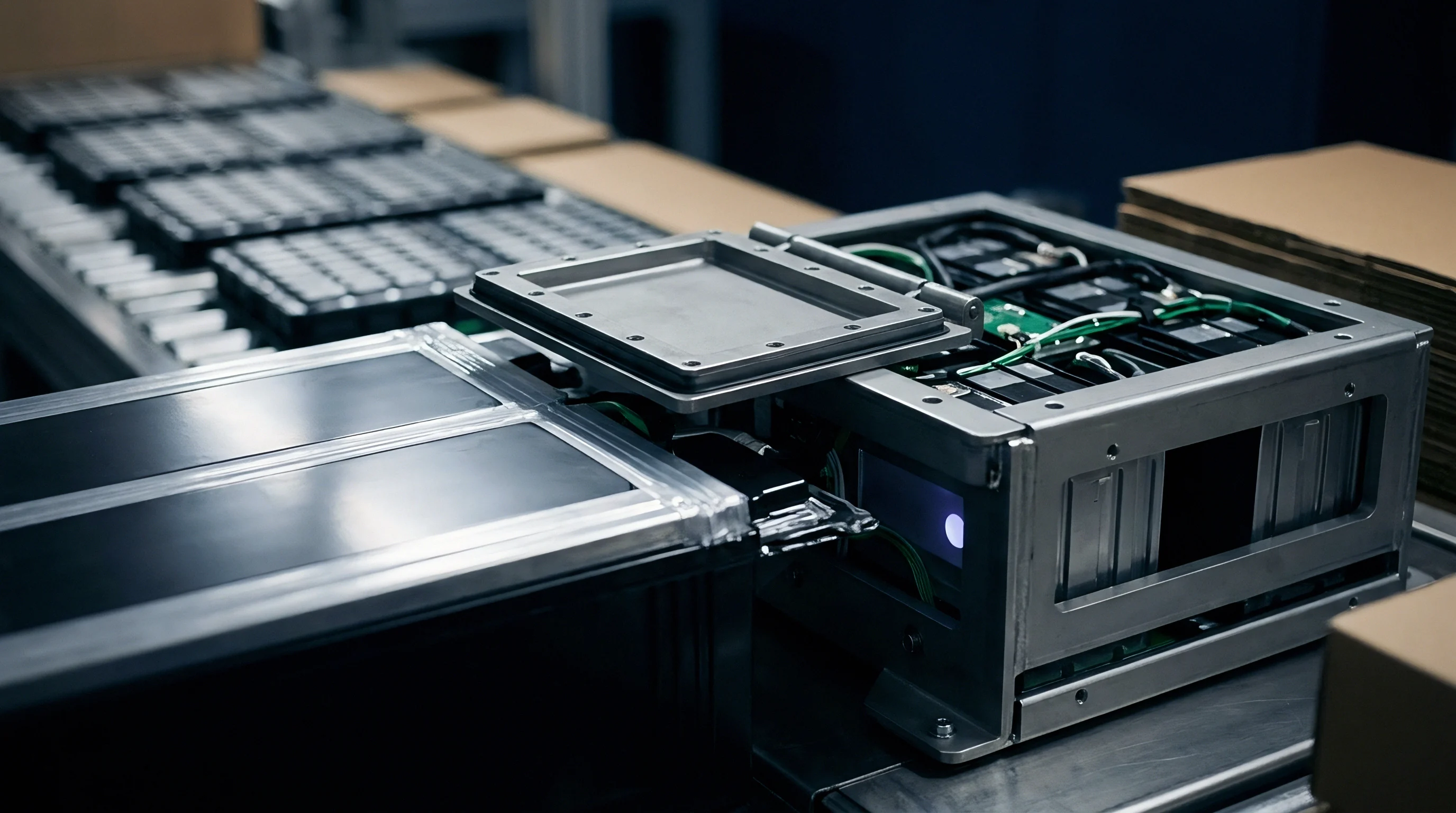
At subzero temperatures, stripping overpotentials frequently surpass plating overpotentials at equivalent C-rates. Classical electrochemistry treats lithium stripping from an anode as kinetically more favorable than electrodeposition, but subzero measurements show the opposite under high current demand. As lithium ions leave the anode lattice during rapid discharge, ion extraction outpaces the relaxation of vacant lattice or interfacial sites.
This local depletion of surface-available lithium creates an asymmetric concentration polarization that stacks directly onto the charge transfer overpotential.

What Interfacial Constraints Drive Subzero Charge Transfer Inversion?
This asymmetry stems from diverging transfer coefficients under high electric fields. At subzero temperatures, the apparent anodic transfer coefficient drops significantly during high-rate stripping pulses. High overpotentials distort the spatial configuration of the double layer, shifting the electric field drop away from the reaction plane and altering the symmetry of the activation energy barrier.
While plating kinetics benefit from field-assisted migration of solvated cations toward the negative electrode, stripping depends on thermal dislodging and solvation of neutral metal atoms or intercalated species ~ a process that receives far less direct assistance from the external electric field.
Exchange current density measurements show this divergence clearly during subzero rate testing. Tafel slopes plotted from twenty degrees Celsius down to minus forty degrees Celsius reveal distinct curvature in the anodic branch under high-rate stripping. The linear relationship predicted by Butler-Volmer kinetics breaks down completely once overpotential exceeds seventy-five millivolts at subzero temperatures.
Marcus-Hush-Chidsey models account for this saturation by incorporating the finite density of electronic states in the host material alongside the reorganization energy of the solvent sheath, matching observed subzero stripping curves.
Phase field simulations and experimental impedance spectra indicate that this asymmetry drives severe localized heating at high stripping rates. Electrical power dissipated across high interfacial resistance creates a steep thermal gradient between the surface interphase and the cell interior: internal core temperatures stay at subzero levels while the active interfacial zone undergoes a transient rise of several degrees. This micro-scale thermal imbalance shifts local reaction rates, distorting current distribution across the planar surface of the electrode.
Designing battery management systems around ambient plating limits while ignoring subzero stripping thresholds causes premature voltage cutoffs during cold discharge and accelerates structural degradation in the anode active material.
Vacancy

Solid-State Mass Transport Saturation and Anode Lattice Degradation
Rapid stripping extracts lithium atoms from the anode surface faster than bulk diffusion can replenish them from the inner host material. In graphite anodes, lithium’s solid-state diffusion coefficient drops by three orders of magnitude between room temperature and minus thirty degrees Celsius, reaching values near ten to the minus thirteen square centimeters per second. During a three-C discharge pulse at minus twenty degrees Celsius, surface lithium concentration at graphite particle edges falls to near zero within seconds, generating an acute vacancy saturation zone near the surface.
Silicon and lithium metal anodes exhibit distinct failure modes under this vacancy stress. Metallic lithium anodes form subterranean vacancies during cold rapid stripping: when surface stripping outpaces the self-diffusion rate of lithium metal, nanoscale voids nucleate immediately beneath the solid electrolyte interphase. These voids grow and coalesce into macro-scale subsurface cavities, detaching active lithium foil from the current collector.
The loss of contact area forces local current density higher at remaining contact points, triggering a cascade of interfacial polarization and structural collapse.
Clause 6.3.2 of IEC 62660-1 mandates subzero rate discharge verification at minus twenty degrees Celsius, where cell capacity retention below seventy percent triggers an automatic grade rejection for traction applications.
Lattice strain in intercalated hosts escalates rapidly during un-relaxed stripping. Rapidly extracting lithium ions from graphite layers induces a sharp phase transition from stage-one intercalated graphite directly to stage-four or fully deintercalated structures at the particle perimeter while the core stays stage-one. This lattice mismatch generates internal shear stresses exceeding two hundred megapascals, initiating micro-cracks along the basal planes of graphite grains that fracture primary particles and expose pristine carbon to the liquid electrolyte.
- Interfacial Cavitation forms subsurface voids within metallic lithium anodes, isolating conductive metal pockets from the current collector network.
- Particle Fracturing occurs in high-nickel cathodes and graphite anodes under steep intra-particle concentration gradients and localized lattice strain.
- Contact Loss develops at the interface between active material grains and conductive carbon additives, elevating permanent baseline ohmic resistance.
- Exposed Surface Reaction consumes liquid electrolyte through rapid passivation layer growth over freshly exposed crack surfaces.
Cold discharge capacity roll-off is frequently attributed to bulk electrolyte resistance choices rather than solid-state vacancy saturation and structural damage within anode material coatings.


Silt

Interfacial Debris Accumulation and Post-Mortem Impedance Growth
Repeated rapid subzero stripping leaves a footprint of degraded interphase material and isolated metallic fragments across the active electrode zone. Subsurface voiding and interphase fracturing break continuous ionic paths between electrolyte and active matrix. Metallic lithium stripped during cold operation detaches at void neck boundaries, leaving unreacted, electrically isolated lithium particles encapsulated within thick organic passivation layers.
This accumulation of dead lithium and fractured interphase creates a dense, low-conductivity debris layer ~ interfacial silt ~ at the electrode surface.
Destructive physical analysis reveals the spatial distribution and structural characteristics of this debris zone. Characterizing these post-mortem samples requires strict isolation protocols to prevent oxidation of fragile subzero stripping products. A laboratory inspection sequence isolates the mechanisms governing interfacial degradation:
- Disassemble the cold-tested cell inside an argon-filled glovebox maintaining moisture and oxygen levels below zero point one parts per million.
- Rinse the harvested anode three times with dimethyl carbonate solvent to remove residual solvated lithium salts without disturbing surface interphase morphology.
- Vacuum-dry the sample for two hours at room temperature to eliminate volatile solvent traces prior to microscopic analysis.
- Measure surface topography using cryogenic scanning electron microscopy to capture subterranean void structures and fractured interphase layers.
- Quantify chemical composition variations across the interfacial silt layer using X-ray photoelectron spectroscopy paired with depth-profiling argon-ion etching.
| Discharge Rate Profile | Accumulated Dead Lithium Density (mg/cm²) | SEI Thickness Growth Factor | Ohmic Resistance Increase (%) | Charge Transfer Resistance Increase (%) |
|---|---|---|---|---|
| 0.5C Continuous Discharge | 0.12 | 1.3x | 14.2 | 38.5 |
| 1.5C Continuous Discharge | 0.48 | 2.1x | 42.0 | 125.0 |
| 3.0C Pulsed Discharge (10s) | 0.85 | 3.4x | 88.5 | 290.0 |
| 5.0C Rapid Burst Discharge | 1.42 | 5.2x | 165.0 | 580.0 |
Impedance spectroscopy tracks the growth of the silt layer through distinct frequency-domain shifts. Mid-frequency semicircles corresponding to interfacial charge transfer expand dramatically after cold rapid stripping runs. High-frequency intercept values shift rightward, reflecting a loss of liquid electrolyte conductivity as free solvent is consumed during continuous interphase repair.
Transmission electron microscopy confirms that the solid electrolyte interphase grows non-uniformly, thickening near micro-cracks while thinning over regions subjected to localized mechanical shear.
Solvent viscosity and ionic dissociation characteristics dictate interfacial relaxation speed at subzero temperatures.
The build-up of interfacial silt permanently impairs high-rate performance at ambient temperatures. Cells subjected to aggressive subzero discharge schedules exhibit elevated room-temperature internal resistance and lower round-trip energy efficiency because of the persistent ionic transport barrier presented by this debris layer.
How much of the total capacity loss following cold rapid discharge cycles stems from permanent active lithium isolation within the silt layer versus reversible kinetic polarization?

Screening
Qualification Protocols and Subzero Pulse Overpotential Criteria
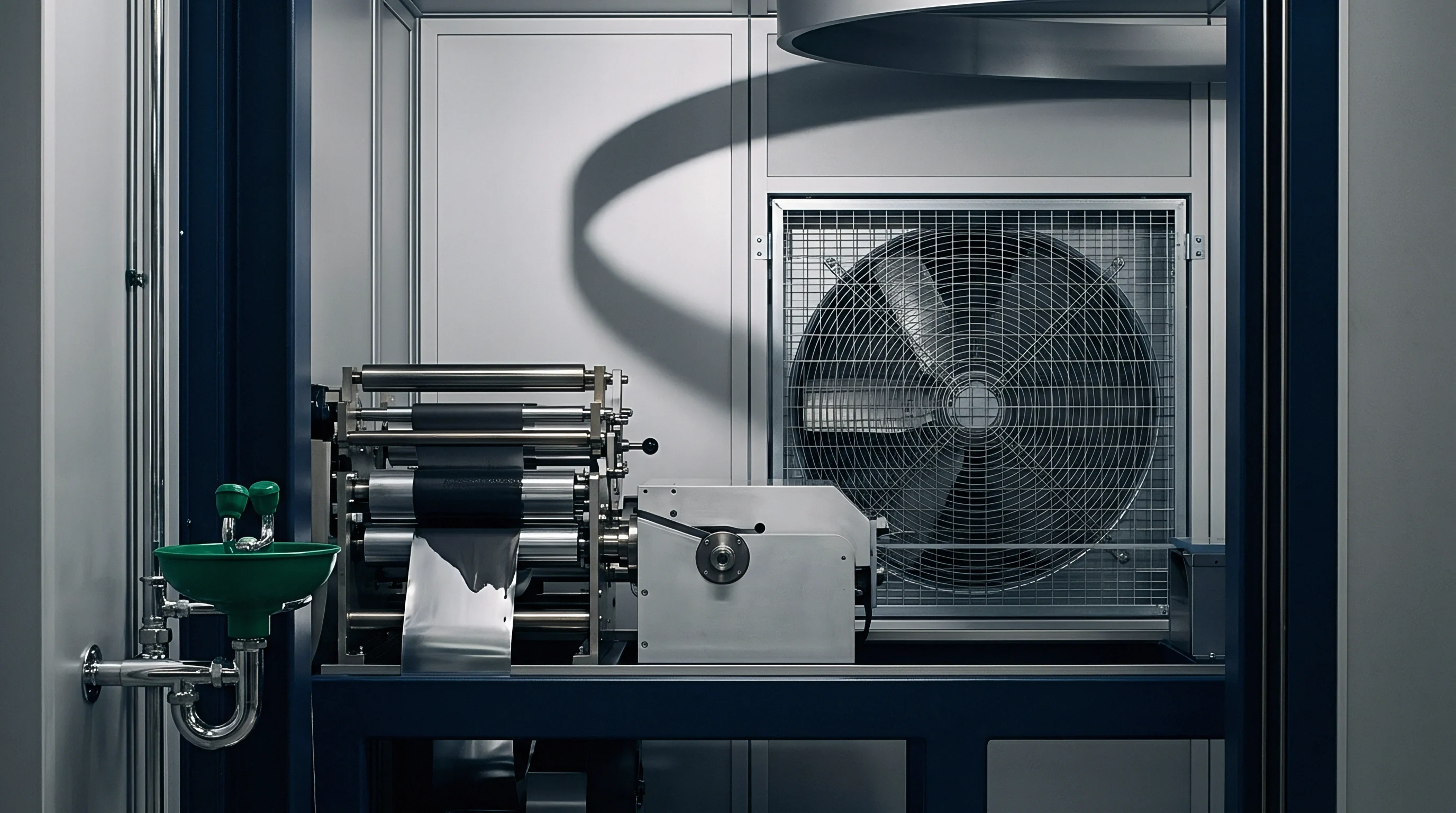
Validating cell suitability for subzero high-rate stripping requires testing protocols beyond standard room-temperature acceptance steps. Factory grading typically relies on continuous discharge at twenty-five degrees Celsius, which fails to expose interfacial charge transfer inversion vulnerabilities. Qualification routines must incorporate subzero pulsed discharge profiling paired with real-time distribution of relaxation times analysis to isolate desolvation bottlenecks from bulk transport effects.
An effective incoming inspection routine evaluates the voltage response during brief, high-rate discharge pulses at minus thirty degrees Celsius. Cells with healthy interfacial kinetics exhibit an initial ohmic voltage drop followed by a gradual, linear polarization slope. Those susceptible to charge transfer inversion display a non-linear inflection within the first two hundred milliseconds of pulse application ~ a transition from standard kinetic control to desolvation-limited transport that serves as a clear rejection criterion for subzero high-power applications.
- Interfacial Resistance Baseline sets the upper acceptable limit for charge transfer impedance measured via electrochemical impedance spectroscopy at minus twenty degrees Celsius.
- Pulse Inflection Delta measures differential voltage curvature during a five-second three-C discharge pulse at minus thirty degrees Celsius.
- Subzero Capacity Yield defines the minimum permissible capacity percentage retained under two-C rates relative to low-rate baselines at the same target temperature.
- Post-Thermal Recovery Resistance verifies that cell internal resistance returns to baseline tolerances upon warming back to twenty-five degrees Celsius.
Subzero discharge overpotential identifies latent wetting defects before ambient cycling reveals them.
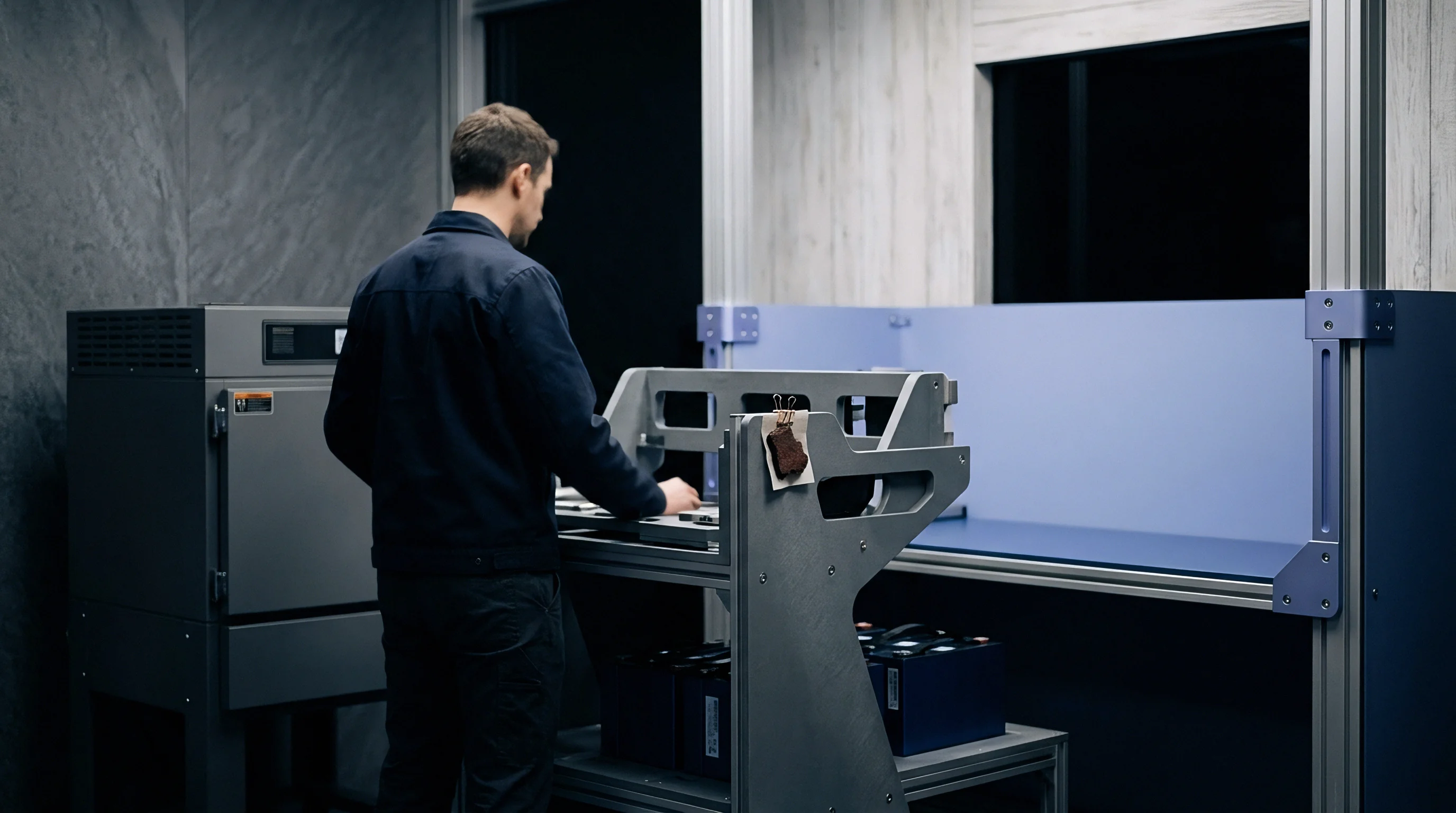
Sourcing specifications for subzero operation must incorporate tight batch tolerances. A sample drawn from each incoming production lot undergoes low-temperature pulse characterization inside calibrated environmental chambers; wide variance in subzero charge transfer resistance signals inconsistent electrolyte fill volumes or flawed interphase formation during manufacturing.
Section 8.4 of the international supply agreement specifies that any batch exhibiting a mean subzero pulse voltage slump exceeding three hundred millivolts at minus thirty degrees Celsius permits the buyer to reject the entire shipment without penalty.
Settlement
Landed-Cost Dynamics, Thermal Overhead, and Supply Contract Terms
Selecting cell chemistry for subzero applications involves a direct trade-off between upfront cell costs, thermal management overhead, and warranty reserves. Standard high-nickel NMC cells paired with conventional carbonate electrolytes carry lower initial purchase prices per kilowatt-hour, yet demand substantial heating hardware to avoid subzero stripping damage. Advanced chemistries with specialized subzero additives or low-desolvation fluorinated solvents command a price premium of fifteen to twenty-five percent at the factory gate, but reduce or eliminate heater power demands and pack thermal mass.
Evaluating the economic impact requires looking at real pack operation. A standard four-hundred-volt, one-hundred-kilowatt-hour pack built with conventional chemistry relies on resistive heating mats to maintain cell core temperatures above minus ten degrees Celsius during high-power discharge. Running those heaters draws energy directly from the pack or grid, creating an operational penalty that accumulates over the system’s lifetime.
| Parameter | Standard NMC811 + Heater Wrap | Advanced Low-Temp Additive NMC | Liquefied Gas / Ester Subzero Pack |
|---|---|---|---|
| Cell Cost at Factory Gate ($/kWh) | 85.00 | 102.00 | 125.00 |
| Thermal System Hardware Cost ($/pack) | 1450.00 | 450.00 | 0.00 |
| Landed Pack Cost including Freight ($) | 11200.00 | 11850.00 | 13900.00 |
| Heater Energy Consumption (kWh/cycle) | 8.5 | 2.1 | 0.0 |
| Cumulative Heater Energy Cost over 1000 Cycles ($) | 1275.00 | 315.00 | 0.00 |
| Capacity Degradation Cost at Year 3 ($) | 2400.00 | 950.00 | 450.00 |
| Total Effective Cost of Ownership ($) | 14875.00 | 13115.00 | 14350.00 |
A worked example highlights the financial trade-off. Consider a one-hundred-kilowatt-hour battery system operating at minus thirty degrees Celsius and deployed for high-power discharge over a five-year service life. Assuming electricity costs fifteen cents per kilowatt-hour and a heating duty cycle of eight point five kilowatt-hours per high-rate discharge for standard cells versus zero energy for specialized cold-rate cells:
The standard cell configuration incurs twelve hundred and seventy-five dollars in direct heating costs over one thousand cycles. Accelerated degradation from subzero overpotential spikes shortens operational life, adding an estimated twenty-four hundred dollars in early capacity loss liabilities. By contrast, the specialized subzero cell formulation ~ despite costing seventeen hundred dollars more upfront ~ lowers the total landed cost of ownership by seventeen hundred and sixty dollars over the lifecycle by eliminating thermal overhead and suppressing interfacial degradation.
Warranty provisions in supply contracts must align with these physical realities. Manufacturers often include clauses nullifying warranty coverage if discharge rates exceed zero point five C below zero degrees Celsius. Effective subzero supply contracts amend these terms to explicitly allow short-duration rapid stripping pulses down to minus thirty degrees Celsius, backed by electrochemical pulse screening limits established during initial qualification audits.