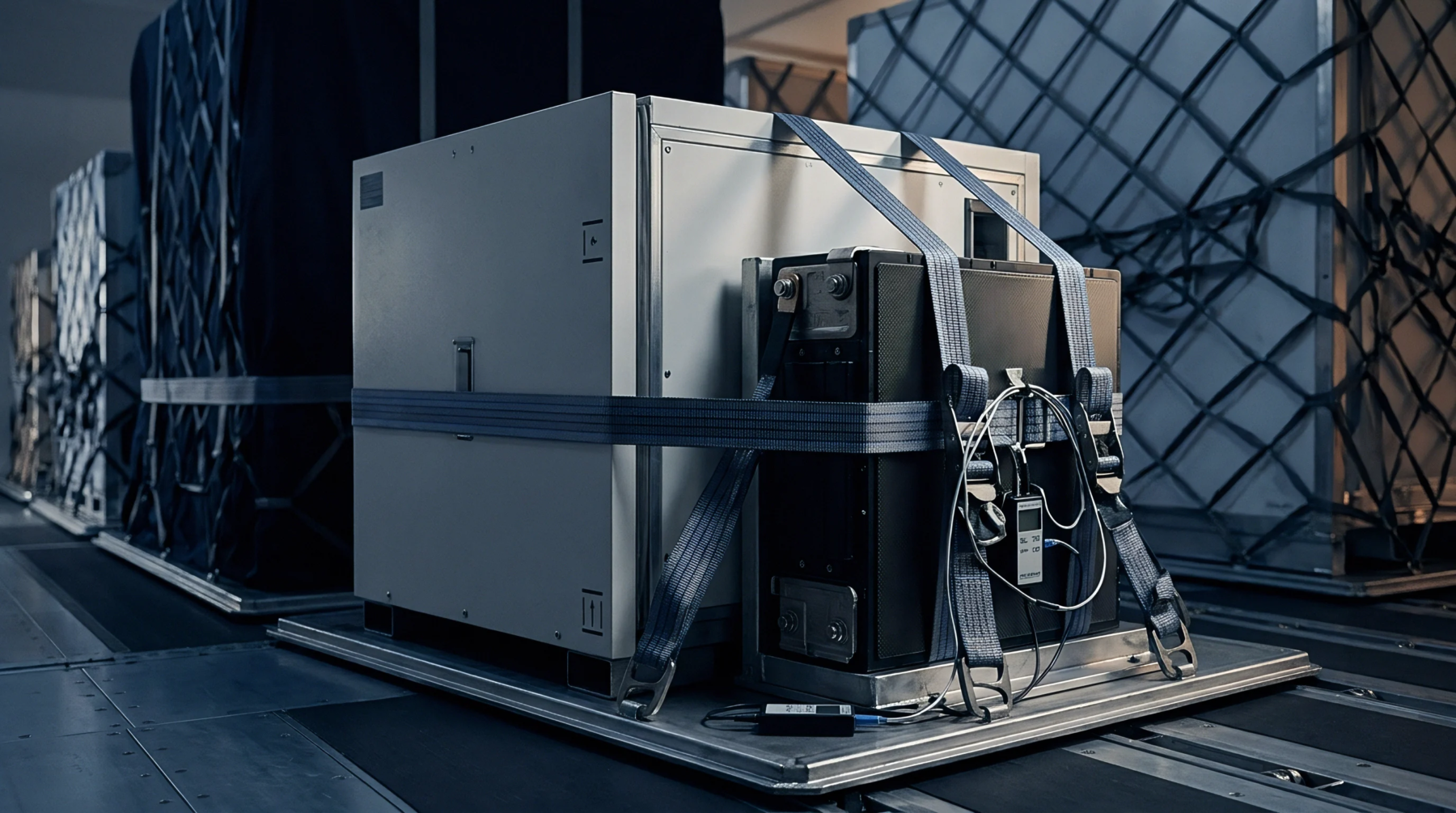
The Transport Rules and Safety Tests Lithium Cells Must Pass
Lithium cell shipments require UN 38.3 bench qualification, 30 percent state-of-charge air caps, Class 9 packaging, and verified 10-field test summaries.
This international instrument operates under the IECEE system to facilitate the mutual recognition of safety test results among participating laboratories and certification bodies. It provides a standardized format for reporting that a battery or electronic component complies with specific IEC standards, such as those governing lithium ion safety. The utility of the cb scheme certificate is limited to the safety aspects of the product and does not cover electromagnetic compatibility or performance metrics.
It allows a manufacturer to obtain multiple national safety marks through a single set of test reports, provided that any national differences are also evaluated. This document is a requirement for companies seeking to export electrical goods into dozens of different global markets.
The system functions through a network of National Certification Bodies and CB Testing Laboratories that adhere to strict accreditation requirements. When a manufacturer applies for a cb scheme certificate, they submit their product to an authorized laboratory for rigorous evaluation against the relevant international standard. A successful test results in a report that is then validated by the certification body to issue the final certificate.
These documents are entered into a global database that allows other member countries to verify the authenticity and scope of the safety claims. This centralized oversight ensures that the testing procedures remain consistent across different jurisdictions and prevents the falsification of safety data. Participation in the scheme requires regular peer assessments to maintain the high standards of the technical work.
National authorities in member states agree to accept these test results as a basis for granting their own local safety certifications. This process significantly reduces the time and cost associated with entering new territories because it removes the need for redundant laboratory testing in every country. While the cb scheme certificate simplifies the path to compliance, it does not automatically grant the right to sell a product.
Manufacturers must still fulfill any administrative requirements of the destination country, such as filing local applications or paying registration fees. Some nations have specific deviations or additional safety clauses that the original test report must address to be considered valid for that market. These national differences are often related to local power grid characteristics or environmental conditions that exceed the basic IEC requirements.
From a commercial perspective, this certification is an essential asset for managing the risk of product recalls and liability claims in international trade. It provides a defensible record of safety compliance that is recognized by insurers, retailers and customs authorities alike. Holding a cb scheme certificate can expedite the customs clearance process by providing immediate proof that the imported batteries meet global safety norms.
Sourcing professionals use these certificates to vet potential suppliers and ensure that the components integrated into their products will not face regulatory barriers. The transparency provided by the IECEE system helps to maintain a level playing field for manufacturers who invest in high safety standards. This document represents a commitment to international safety protocols and supports the efficient flow of electrical goods across borders.
Lithium cell shipments require UN 38.3 bench qualification, 30 percent state-of-charge air caps, Class 9 packaging, and verified 10-field test summaries.
Expertise is a utility, not a secret. sentiention™ publishes its working knowledge as open reference: intelligence layer covering the materials it sources, the markets it enters, and the reference that serves both.