Meaning
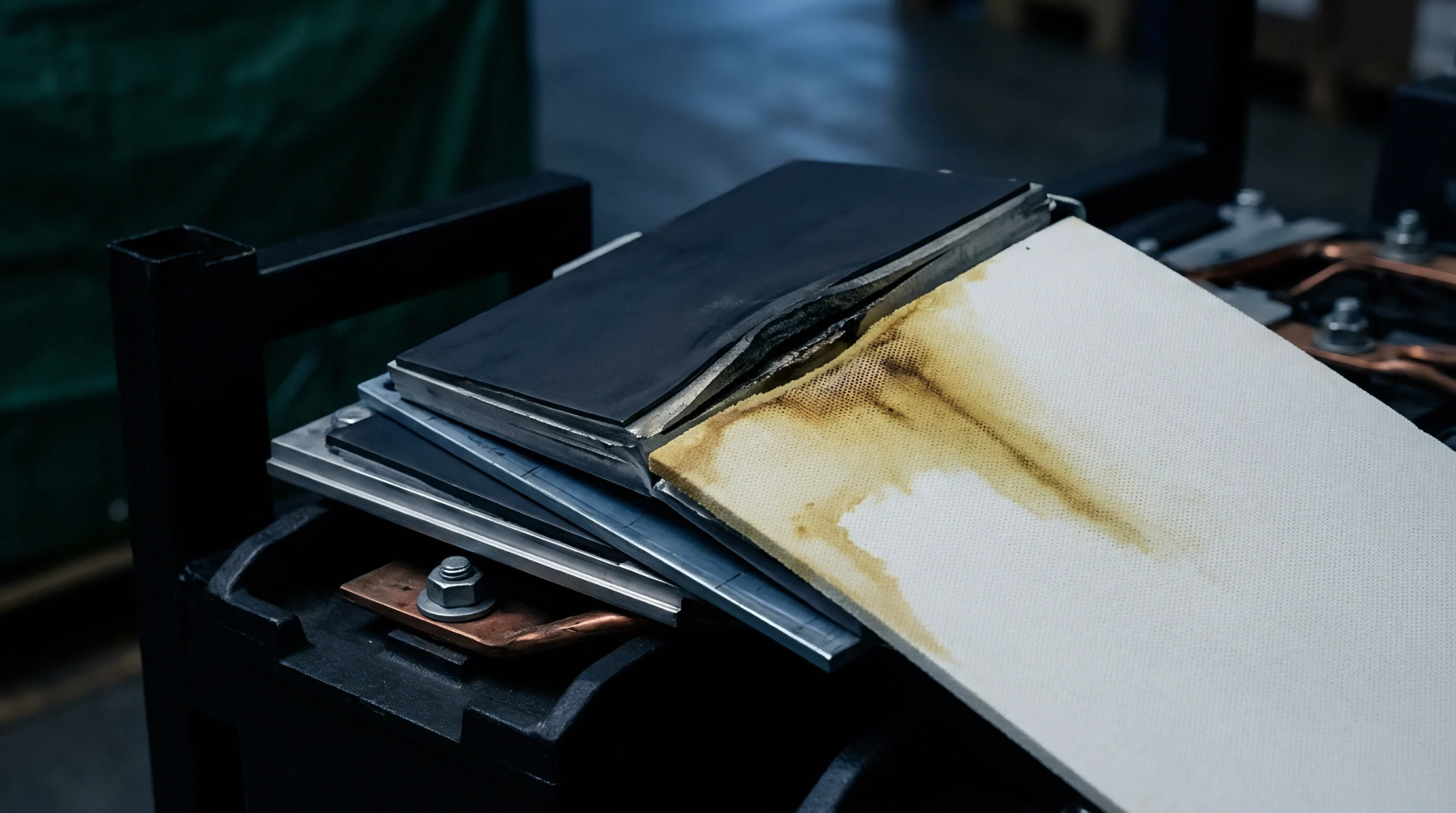
Heat rejection performance is compared to target temperature limits and volumetric constraints to ensure uniform thermal distribution within a battery pack. Aluminum cooling plates use internal channels to circulate liquid coolant directly beneath or between individual pouch and prismatic cells. This thermal interface prevents localized hotspots that could trigger thermal runaway.
Thermal Management
Active thermal systems use structured metallic sheets to absorb heat from cells during high-power discharge and fast charging cycles. By maintaining cell temperatures below forty degrees Celsius, cooling plates prolong the operational lifespan of the pack. They also minimize the temperature differential between cells to prevent uneven aging.
The fluid within the channels is typically a mixture of ethylene glycol and water.
Structural Integrity
Pack designers must ensure that the thin metallic channels can withstand high internal pressures without leaking. Any fluid leakage can cause short circuits or catastrophic electrical failure. The cooling plates must also resist corrosion from the coolant and withstand mechanical vibrations from vehicle operation.
Aluminum alloys are selected for their combination of light weight, thermal conductivity and mechanical strength.
Flow Design
Optimizing the internal channel geometry balances the pressure drop against the heat transfer coefficient. Serpentine and parallel flow patterns distribute the coolant to minimize the temperature gradient across the plate surface.