Meaning
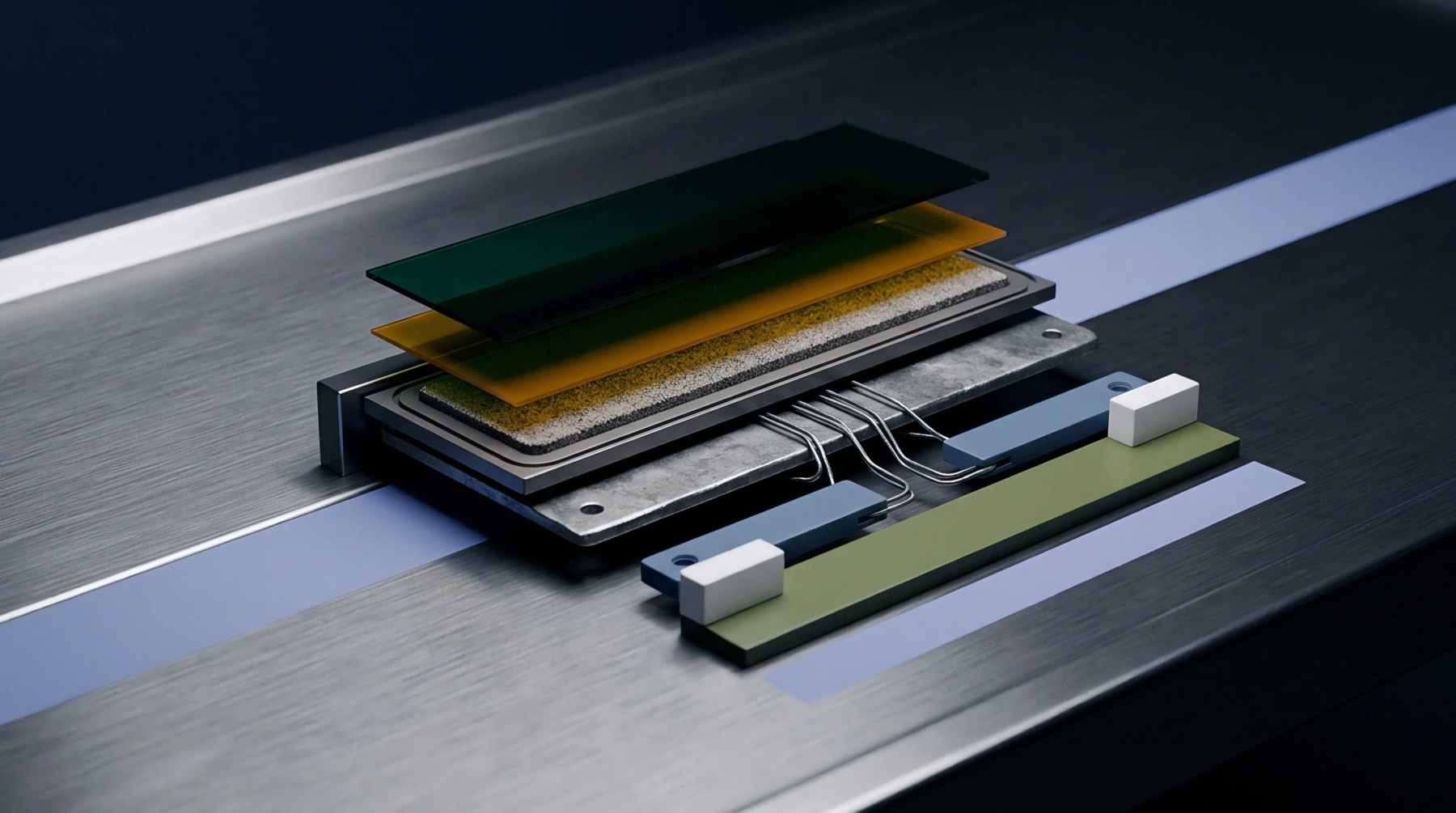
Electrical resistance arises at the microscopic contact points between two conducting surfaces where the current flow is forced to bundle through narrow channels. This phenomenon, known as current constriction resistance, increases localized impedance at the interfaces of battery tab welds and current collectors where surface roughness restricts the true contact area to a small fraction of the apparent area. The resulting localized resistance elevates the overall internal impedance of the electrochemical cell, which in turn reduces energy efficiency during high current discharges and generates localized hotspots that accelerate weld degradation.
Contact Physics
Microscopic asperities on the metal foils determine the actual physical pathways available for electron transport across the interface. As current constriction resistance is inversely proportional to the radius of these contact spots, applying mechanical pressure can deform the asperities and expand the contact zone. This mechanical deformation lowers the electrical barrier and helps maintain stable electrical paths.
Degradation Mechanism
Thermal fatigue during continuous cycling leads to the oxidation of these micro-contacts and drives up the localized resistance. When current constriction resistance increases, the localized heat generation accelerates, which initiates a feedback loop of thermal degradation. This concentrated heating can eventually compromise the integrity of the tab connection.
Measurement Protocol
High frequency impedance spectroscopy provides a method to isolate this localized contact resistance from bulk material resistance. The test operates by measuring the high frequency real impedance where bulk electrochemical processes do not dominate. This measurement helps manufacturers assess the quality of weld joints without damaging the assembled cells.