Meaning
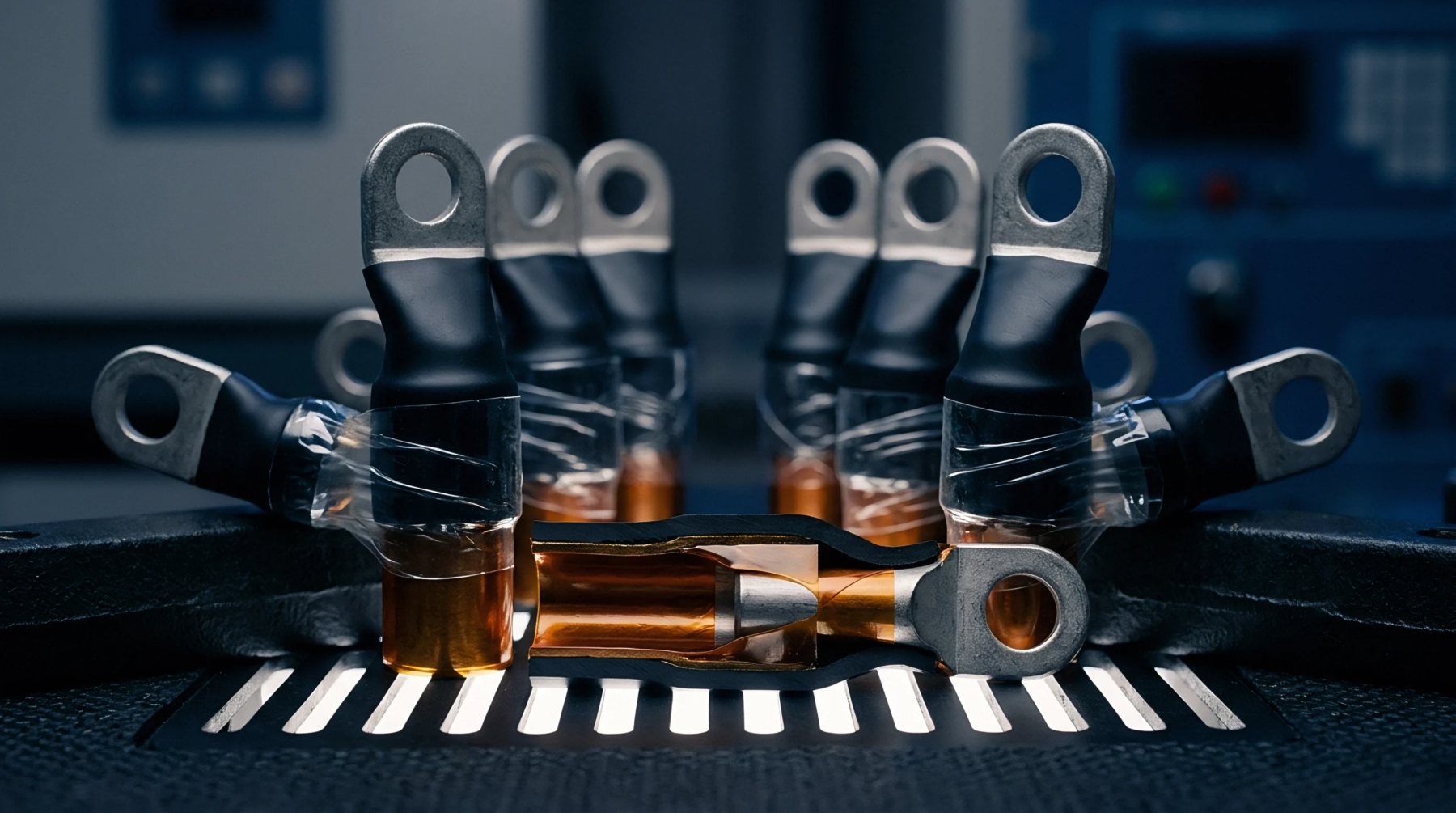
Overpressure safety mechanisms integrated into the header of cylindrical battery cells can prevent thermal runaway by physically disconnecting the internal electrical path when gas accumulates. In cylindrical cell designs, a current interrupt device vent acts as a pressure-sensitive diaphragm that detaches from the internal terminal when gas generation exceeds a designed threshold. This mechanical action breaks the electrical circuit, stopping current flow and terminating the dangerous overcharging or overdischarging that caused the pressure spike.
Mechanical Operation
Internal pressure rises when abusive conditions generate gas through electrolyte volatilization or decomposition. Under normal conditions, the current interrupt device vent maintains a physical connection with the cathode assembly. When internal pressure reaches a threshold, such as one megapascal, the metal plate deforms upward and detaches from the underlying weld joint.
Pressure Release
Complete cell failure is prevented because the deformation is followed by the bursting of a thin score line on the metallic disk. This action allows the high-pressure gas to vent safely into the external environment, reducing the risk of a violent explosion. The vent assembly is carefully calibrated during manufacturing to ensure that it triggers at the correct pressure.
Safety Sourcing
Safety standards require that the pressure limits are tested across batch variations.