Meaning
Standardized test procedures for flexible cellular polymeric materials govern the determination of compression stress-strain properties. The application of din en iso 3386 establishes consistent metrics for evaluating polymer foam behavior under load. This test measures the force required to compress the material to a specified thickness.
These values are used to assess the compression deflection characteristics of cell cushioning materials.
Testing Methodology
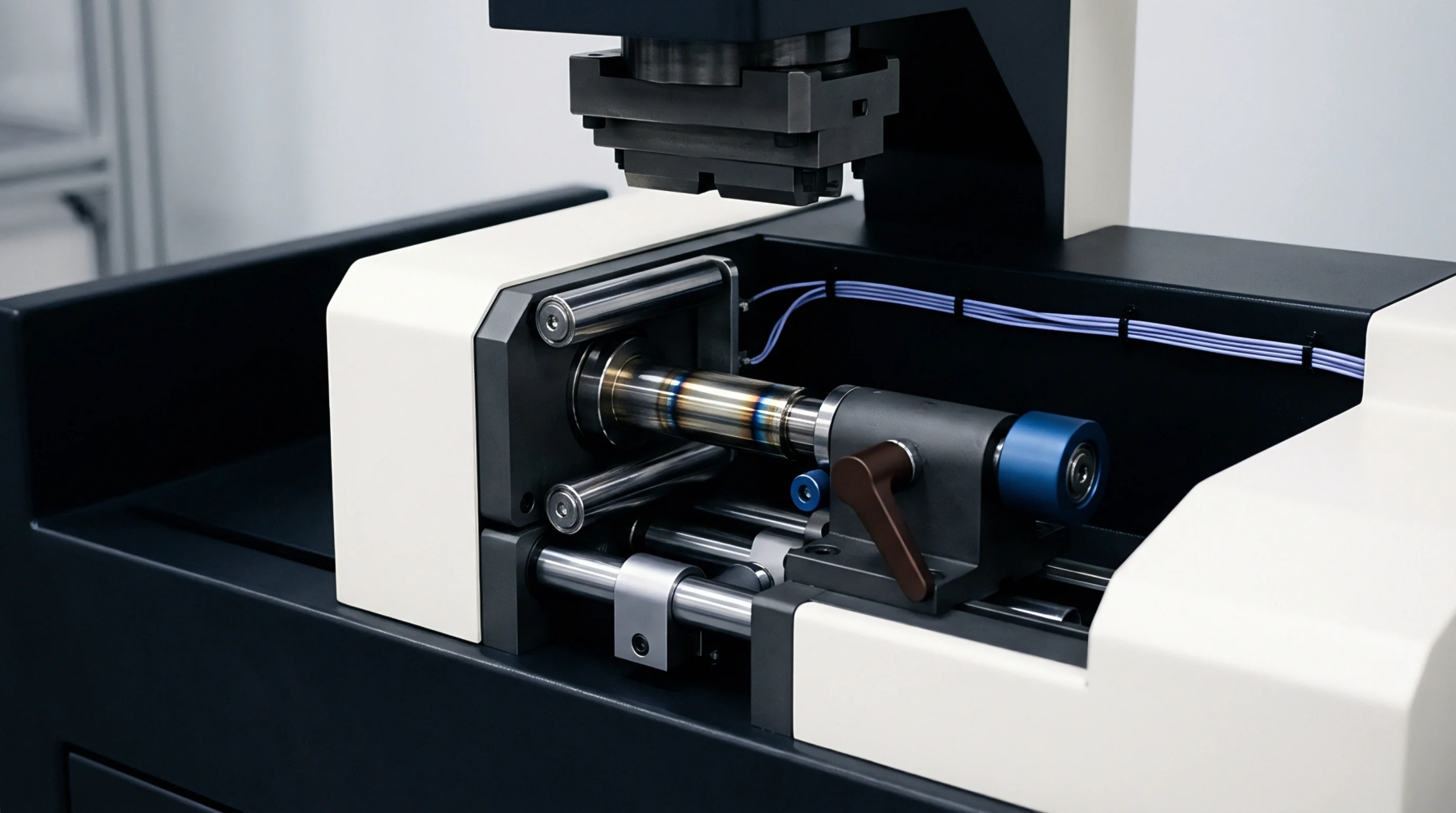
Mechanical compression of the foam sample occurs at a controlled deformation rate during the test. The procedure for din en iso 3386 requires multiple loading and unloading cycles to stabilize the material response. Force and displacement are recorded continuously during the fourth compression cycle.
This dynamic assessment provides the compression stress value at specific deformation points. It ensures that the mechanical hysteresis of the polymer is accounted for before recording the final values.
Material Evaluation
Foam performance is classified based on the resistance observed at designated strain percentages. For battery pack applications, the results of din en iso 3386 help predict how polyurethane gaskets behave under swelling forces. These gaskets must maintain sealing pressure without collapsing completely.
The standard limits testing to materials with a density above a specified threshold.
Purchasing Decision
Commercial contracts for cell padding specify minimum stress values derived from this standard. Procurement teams compare different foam chemistries using the standardized compression curves. This structured comparison ensures that the selected material prevents cell movement over the vehicle lifetime.
Technical sheets must reference the compliant test report to satisfy quality audits.