Meaning
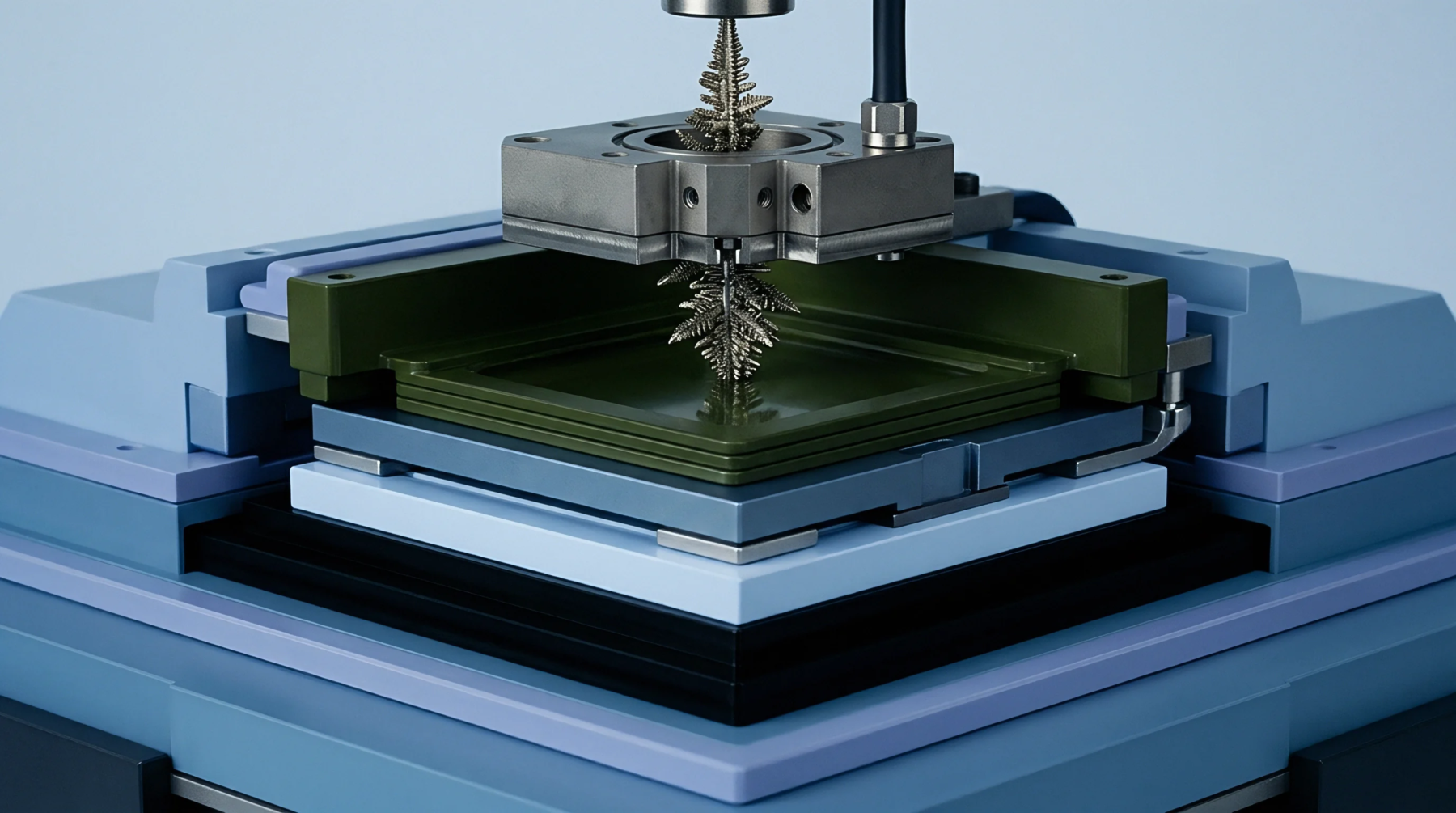
Surface metal buildup describes the undesirable deposition of metallic lithium on the anode surface rather than its healthy insertion into the host material. This lithium plating indicates a kinetic failure during the charging process where ionic movement is restricted by cold temperatures or excessive current. It governs the loss of active lithium inventory and can lead to the formation of hazardous dendrites that compromise the safety of the pack.
The scope of this process is limited to the interface of the electrode and electrolyte during the charging phase. Battery managers monitor this condition to prevent permanent damage and ensure the longevity of high performance energy systems.
Physical Mechanism
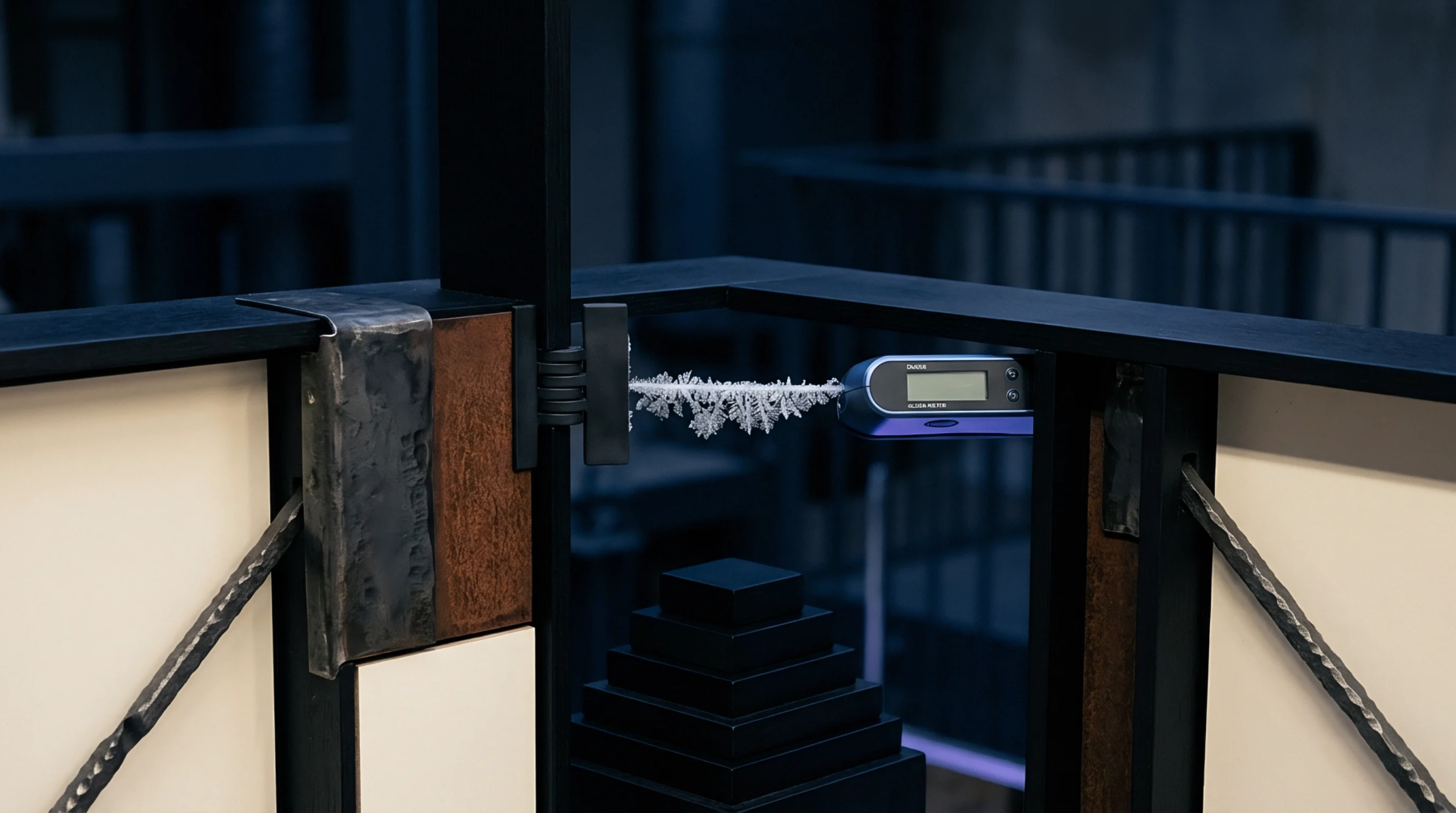
Deposition of free metal begins when the negative potential of the anode relative to the electrolyte drops below the zero volt mark. Inside a normal cycle, lithium plating occurs because the ions arrive at the anode faster than they can physically travel inside the graphite structure. These surface deposits create a film that blocks further ion movement and consumes the liquid electrolyte.
This coating also creates a resistive layer that lowers the efficiency of every subsequent charge and discharge sequence. If left uncorrected, the buildup hardens into an inactive layer of “dead” lithium that no longer participates in power storage. Consequently, the battery loses total capacity at an accelerated rate compared to normal calendar aging.
Safety Consequences
Management systems must intervene to ensure that these layers do not become the starting point for sharp needle like growths that breach the separator. Because lithium plating reduces the mechanical stability of the electrode face, it increases the vulnerability of the cell to vibrations and shocks. When metal flakes off the surface, it can drift into the electrolyte and create localized hotspots during high power draw.
These instabilities potentially lead to thermal issues that software alone cannot manage after the damage reaches a critical mass. Using specialized sensors to detect shifts in internal voltage help identify when the conditions for plating are met in real time. Accurate intervention protocols stop the current flow before the metallic film reaches a dangerous thickness inside the container.
Prevention Logic
Avoidance of this state requires careful adjustment of input rates based on the real time measurements from the thermal sensors. Within the operating map, lithium plating is prevented by lowering the charging speed whenever the internal heat falls below ten degrees Celsius. This reduced speed allows more time for the slower intercalation process to happen without overwhelming the chemical reception limits.
Designers also use specific anode coatings that lower the local energy barrier for ion entry to minimize these plating risks. Such enhancements ensure that high speed charging remains available for longer periods without causing irreversible internal decay. Verification tests at the laboratory level confirm that these parameters match the physical constraints of the specific mineral mix chosen for the project.