Meaning
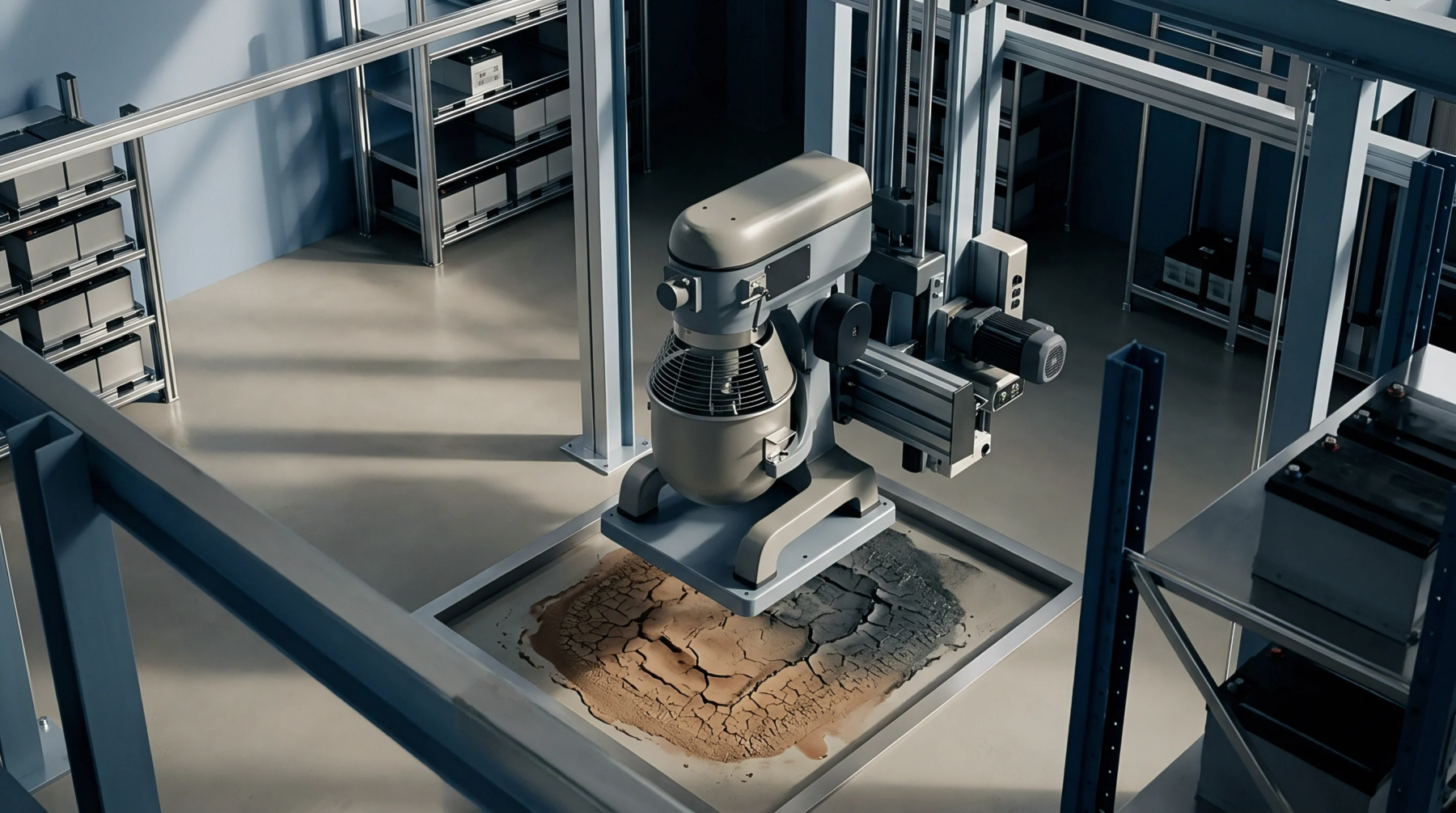
End of life recovery process targets the restoration of spent electrode materials without dissolving the metal oxides into their constituent chemical elements. Functional components are harvested from cells and rejuvenated through physical or chemical treatments while preserving their original crystal framework. Direct recycling governs the retrieval of value from cathode materials by bypassing energy intensive leaching or smelting stages.
Physical Restoration
Separation techniques isolate cathode powders from aluminum foil current collectors and surrounding conductive additives. Chemical additives replenish the lithium lost during years of operation while heat treatments repair the surface lattice. Successful implementation of direct recycling depends on the purity of the sorted input streams and the absence of contaminants.
Economic Advantage
Energy consumption drops when the process eliminates the conversion of oxides back into metal salts and then back into precursors. While conventional methods require complex chemical precipitation, this approach uses minimal reagents to reach technical targets. Savings are realized primarily in lower greenhouse gas emissions and reduced chemical procurement needs for refineries.
Process Limit
Mechanical consistency remains a difficulty when input batches contain powders from multiple different suppliers or age groups. Homogenizing these disparate sources is necessary to create a secondary raw material that meets original equipment specifications. Continued advances in sorting automation reduce the variability of the recovered products.