
Subsurface Structural Phase Inversion in High Nickel Cathodes
Subsurface phase inversion transforms active high-nickel cathode surfaces into high-resistance rock-salt layers, driving impedance growth and safety risks.
Subsurface phase inversion transforms active high-nickel cathode surfaces into high-resistance rock-salt layers, driving impedance growth and safety risks.

XPS depth profiling quantifies nanoscale rock-salt reconstruction on aged cathodes, parameterizing localized solid-diffusion resistance for predictive models.

Precursor internal cavities retard lithium solid diffusion, demanding extended calcination cycles and risking residual salt slurry gelation downstream.

Surface reconstruction degrades high-nickel cathodes via rock-salt shell growth and oxygen release, requiring strict voltage derating to limit impedance fade.
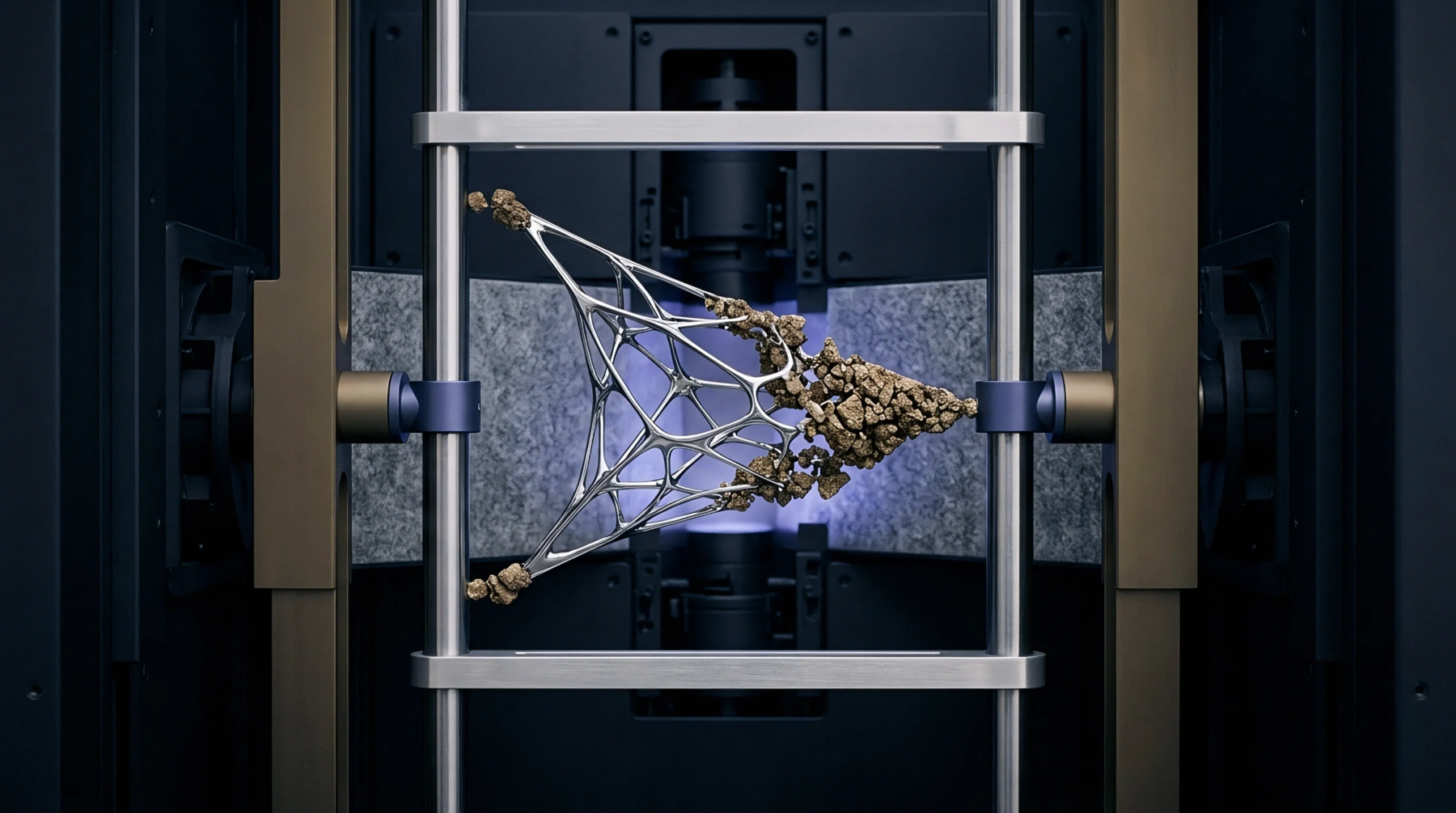
Lattice strain quantification in regenerated NMC requires operando diffraction to control anisotropic c-axis collapse and mitigate microcracking above 4.35V.
Recycled pCAM for high-nickel cathode synthesis requires strict impurity caps below 10 ppm for Cu and 20 ppm for Zn to prevent cell shorting and capacity fade.

High voltage thermal cycling accelerates cathode surface reconstruction and metal dissolution, doubling impedance and driving capacity fade.

Sintering regenerated high-nickel cathode powders at eight hundred degrees Celsius under pure oxygen reduces microstrain below zero point zero eight percent.
Surface phase transitions from layered to rock-salt structures drive impedance growth and oxygen release, requiring targeted surface modifications to preserve cycle life.
High voltage cathode stabilization requires conformal surface coatings and fluorinated additives to prevent phase conversion and ensure transport regulatory compliance.
Expertise is a utility, not a secret. sentiention™ publishes its working knowledge as open reference: intelligence layer covering the materials it sources, the markets it enters, and the reference that serves both.