Meaning
Surface engineering treatments combine plasma nitriding pretreatment with physical vapor deposition of refractory nitride films on metal substrates. Applying a duplex PVD coating enhances wear resistance and load bearing capacity for metal forming dies used in battery enclosure manufacturing. The process applies to tool steels and structural alloy components, ending if substrate temperatures exceed coating tempering thresholds during application.
Manufacturing engineers specify duplex PVD coating to extend tool life in high volume sheet metal stamping and die casting operations. The combined layer structure prevents soft substrate deformation under high contact pressure.
Surface Modification
Subsurface plasma nitriding creates a hard diffusion zone that supports the thin outer physical vapor deposition layer under heavy loads. Operating tools protected by duplex PVD coating prevents micro-cracking caused by plastic deformation of soft underlying steel. Nitriding depths between fifty and one hundred micrometers prevent eggshell collapse of thin hard PVD films during impact loading.
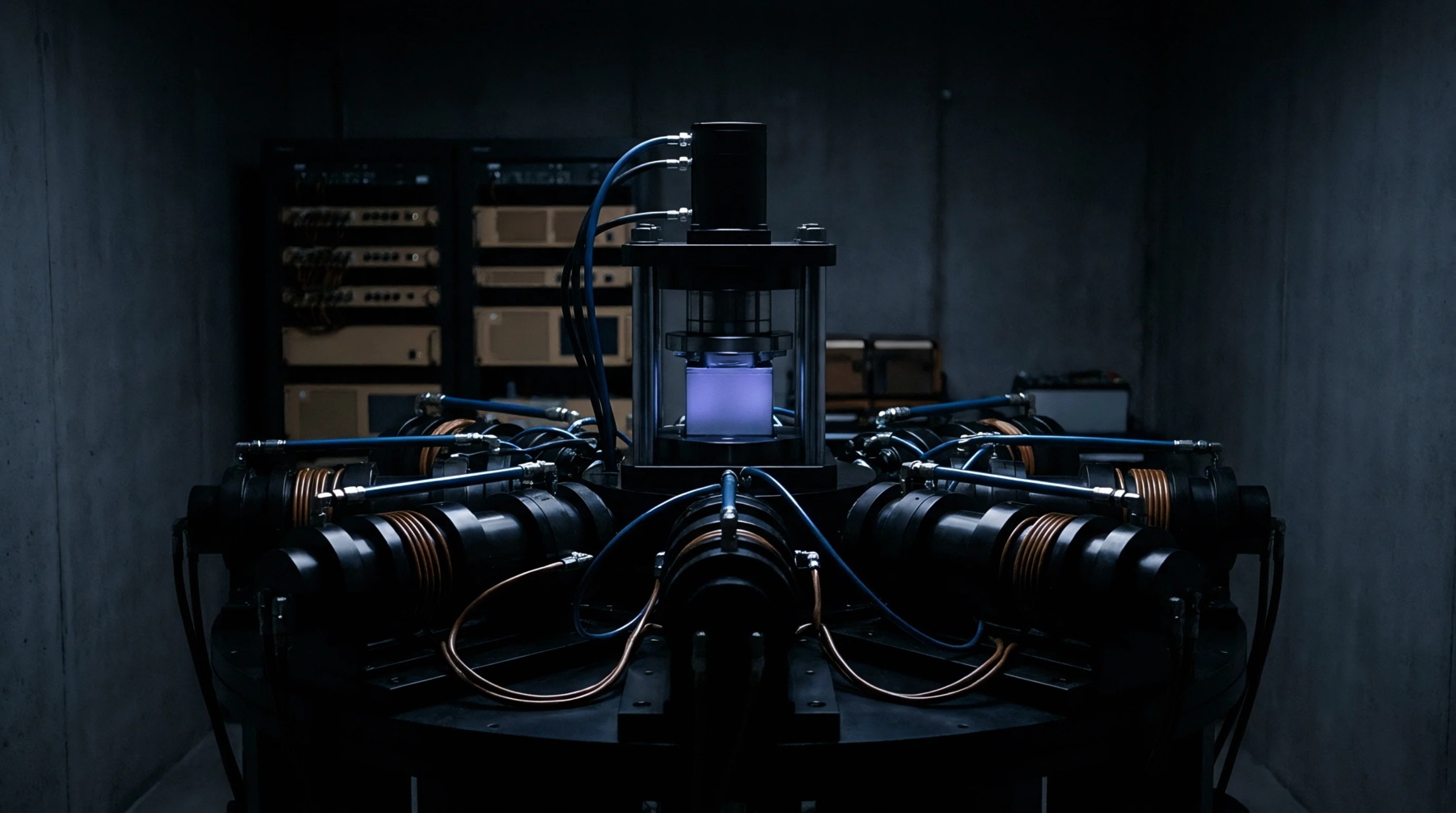
Refractory nitride coatings like titanium aluminum nitride provide exceptional chemical inertness and oxidation resistance up to eight hundred degrees Celsius. Physical vapor deposition occurs in vacuum chambers where evaporated metal ions react with nitrogen plasma to form dense crystalline ceramic layers. Low friction surface finishes reduce abrasive wear and prevent aluminum adhesion on stamping die surfaces during high speed forming cycles.
Residual compressive stress within the nitrided layer improves substrate fatigue strength under high frequency cyclic mechanical loading.
Wear Resistance
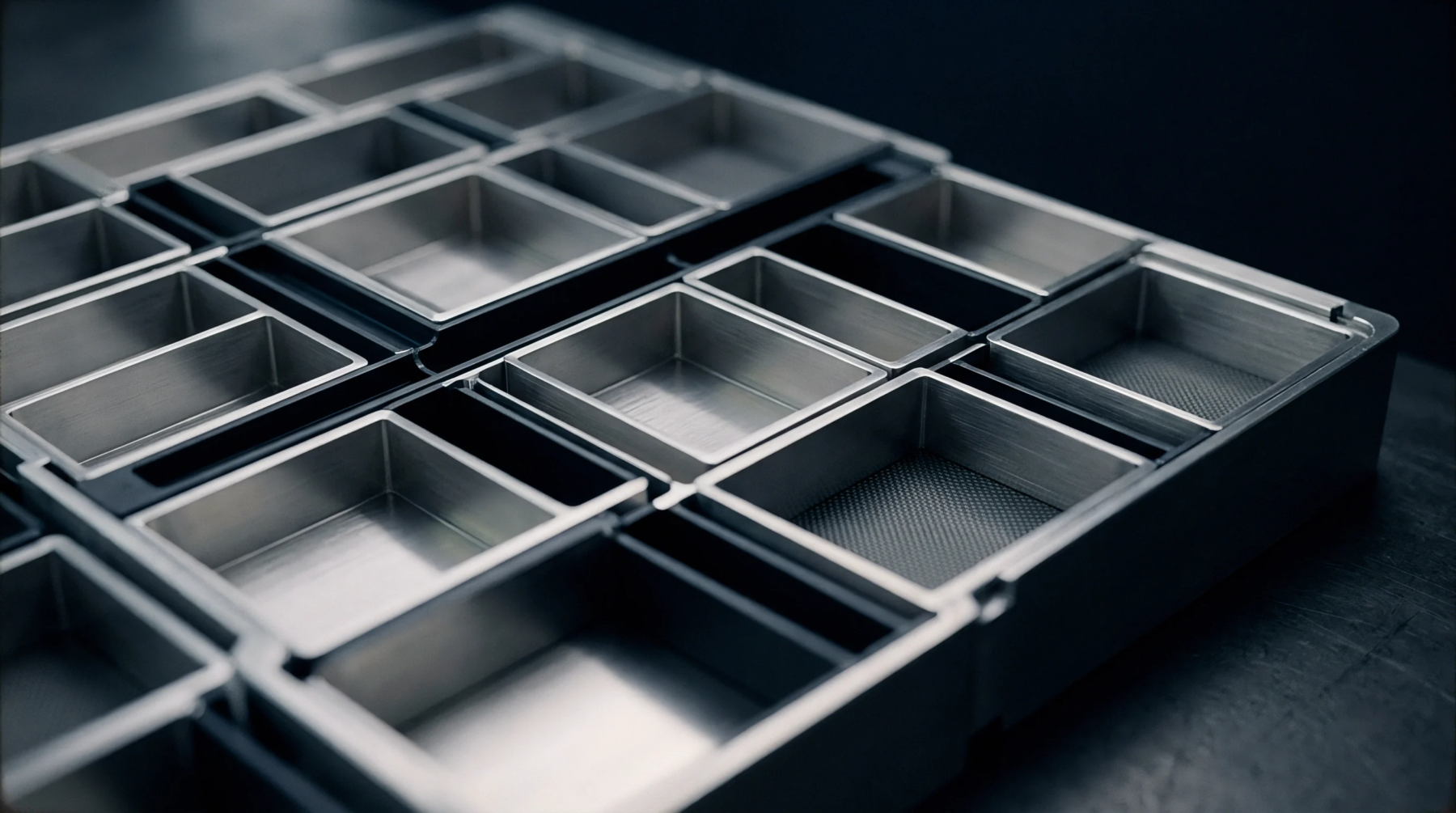
Abrasive friction between workpiece material and forming dies erodes unprotected steel surfaces rapidly during mass production. Choosing a duplex PVD coating lowers frictional energy losses and reduces lubricant consumption during deep drawing of battery module covers. Coated forming tools maintain tight dimensional tolerances across millions of operational stamping cycles.
Substrate Protection
Preventing chemical galling between aluminum alloys and tool surfaces maintains surface finish quality on stamped pack components. Inspected tools displaying localized coating wear undergo chemical stripping and re-application without destroying the original steel substrate geometry. Procurement specifications mandate duplex PVD coating for high stress tooling components to minimize scheduled production line maintenance downtime.
Tooling failure analysis uses cross sectional electron microscopy to verify nitrided layer depth and outer PVD film adhesion before approving production runs. Quality control standards enforce strict surface roughness limits before coating deposition to maximize interfacial adhesion strength.