Meaning
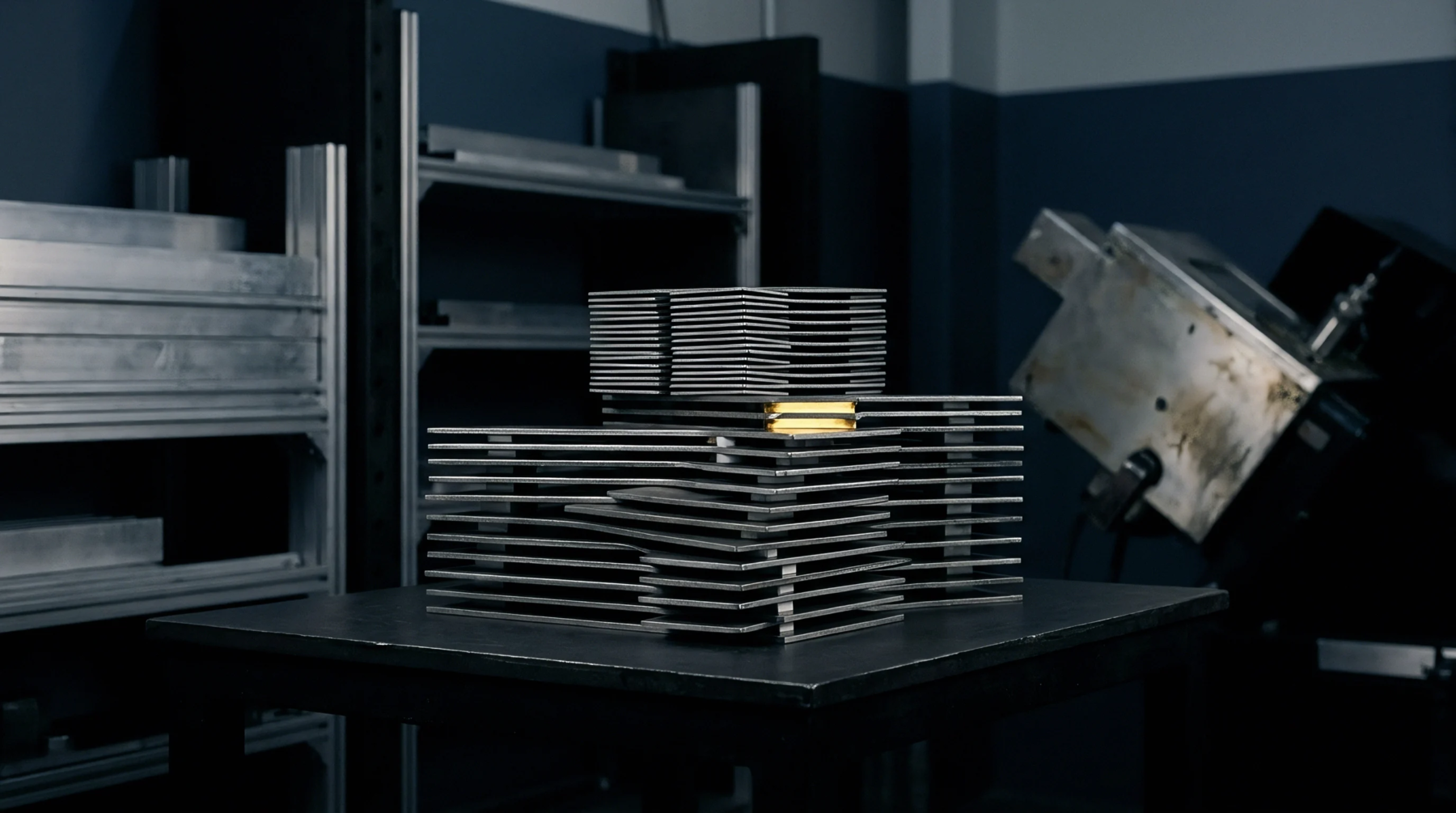
Gradual decrease in the internal force exerted by a compressed material over time under constant strain indicates the dissipation of mechanical energy within battery components. This phenomenon occurs in the gaskets, spacers, and cell materials used within a battery module, potentially leading to a loss of the initial clamping force. Stress relaxation is a time dependent process that is accelerated by high temperatures and repeated mechanical loading.
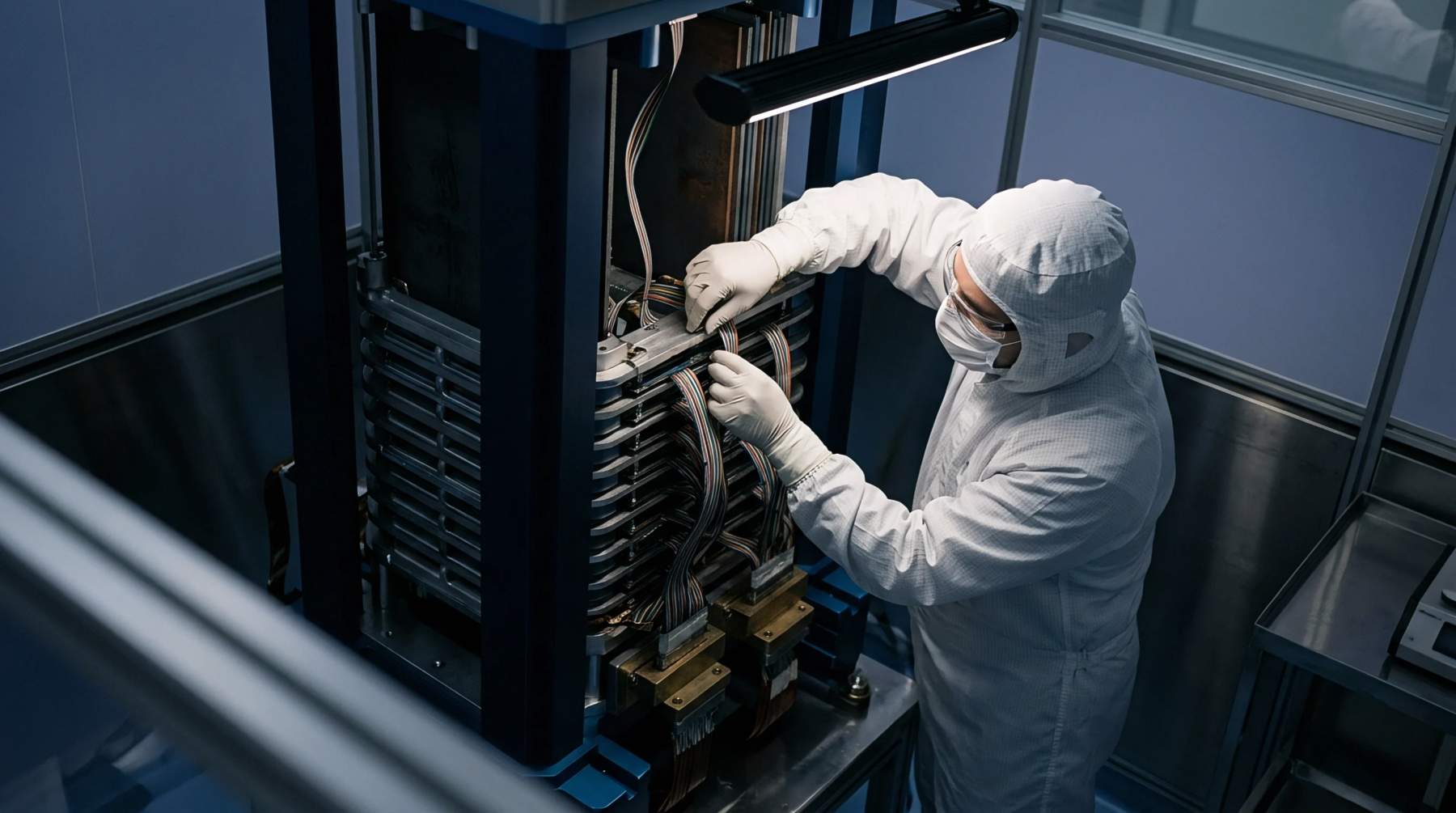
If the pressure holding the cell stack together drops below a certain level, the internal resistance of the battery may increase and the structural integrity of the module could be compromised. Engineers must account for this behavior when selecting materials and designing the mechanical assembly of the battery pack.
Elastic Behavior
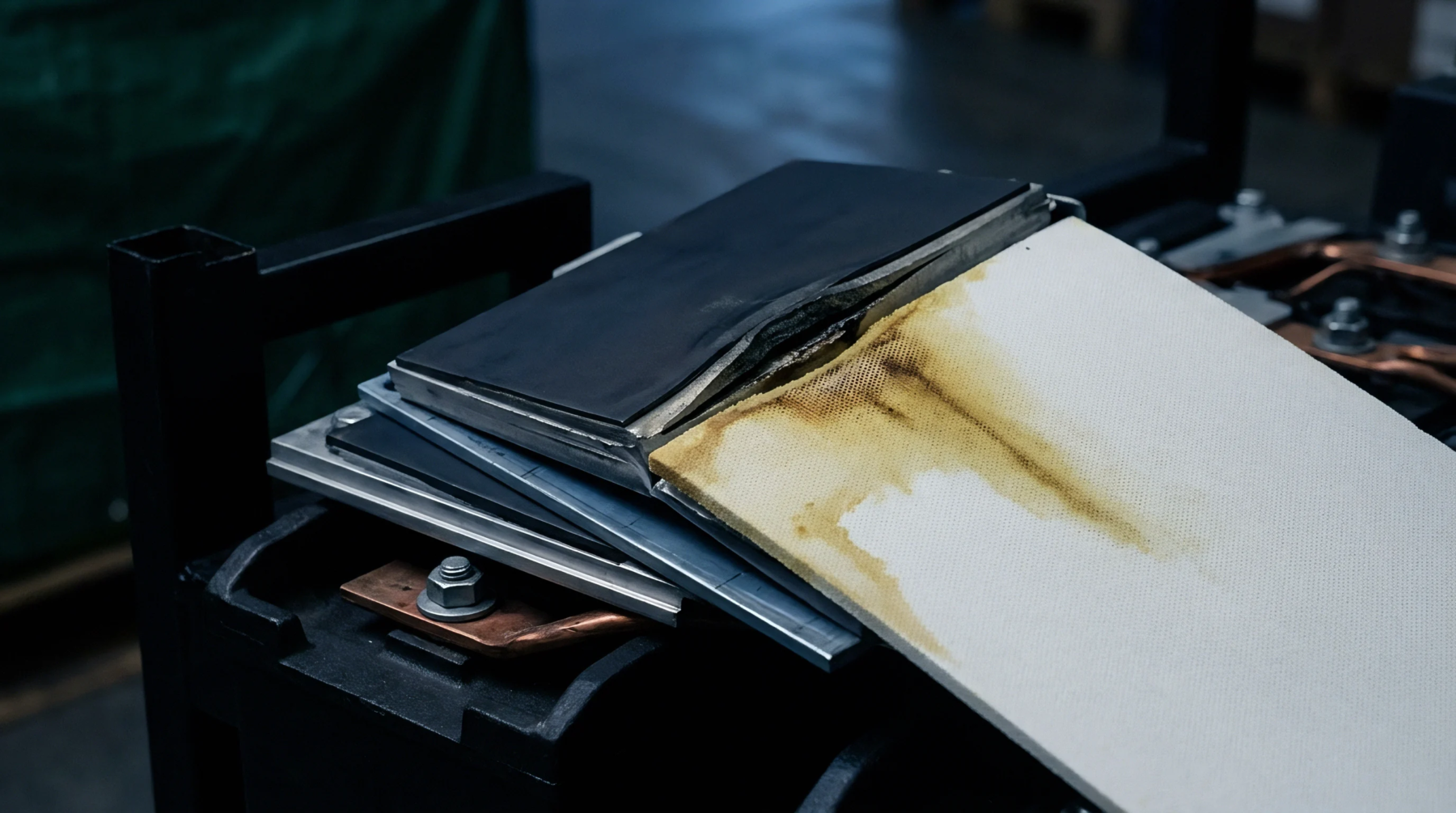
Initial resistance of the material to deformation provides the force necessary to maintain contact between the battery cells and the module housing. Over time, the internal molecular structure of the polymer or metal rearranges to accommodate the strain, leading to the observed stress relaxation in the component. This process is particularly relevant for the foam spacers and plastic frames that are often used to manage the expansion of the cells.
If these materials relax too much, they will no longer provide the necessary support, allowing the cells to move or swell excessively.
Component Longevity
Long term performance of the clamping system depends on the ability of the materials to resist the loss of force over thousands of hours of operation.
Gasket Performance
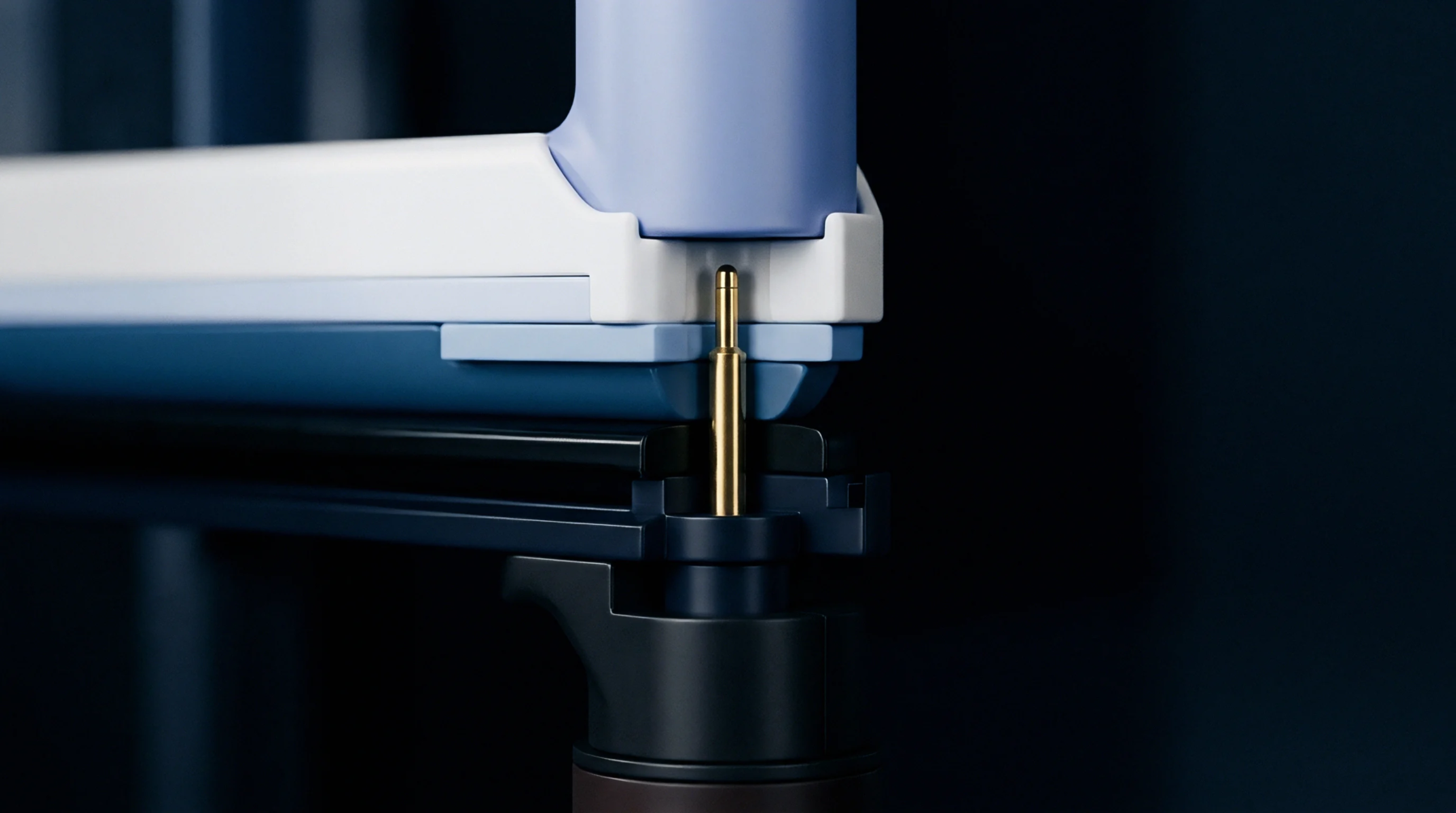
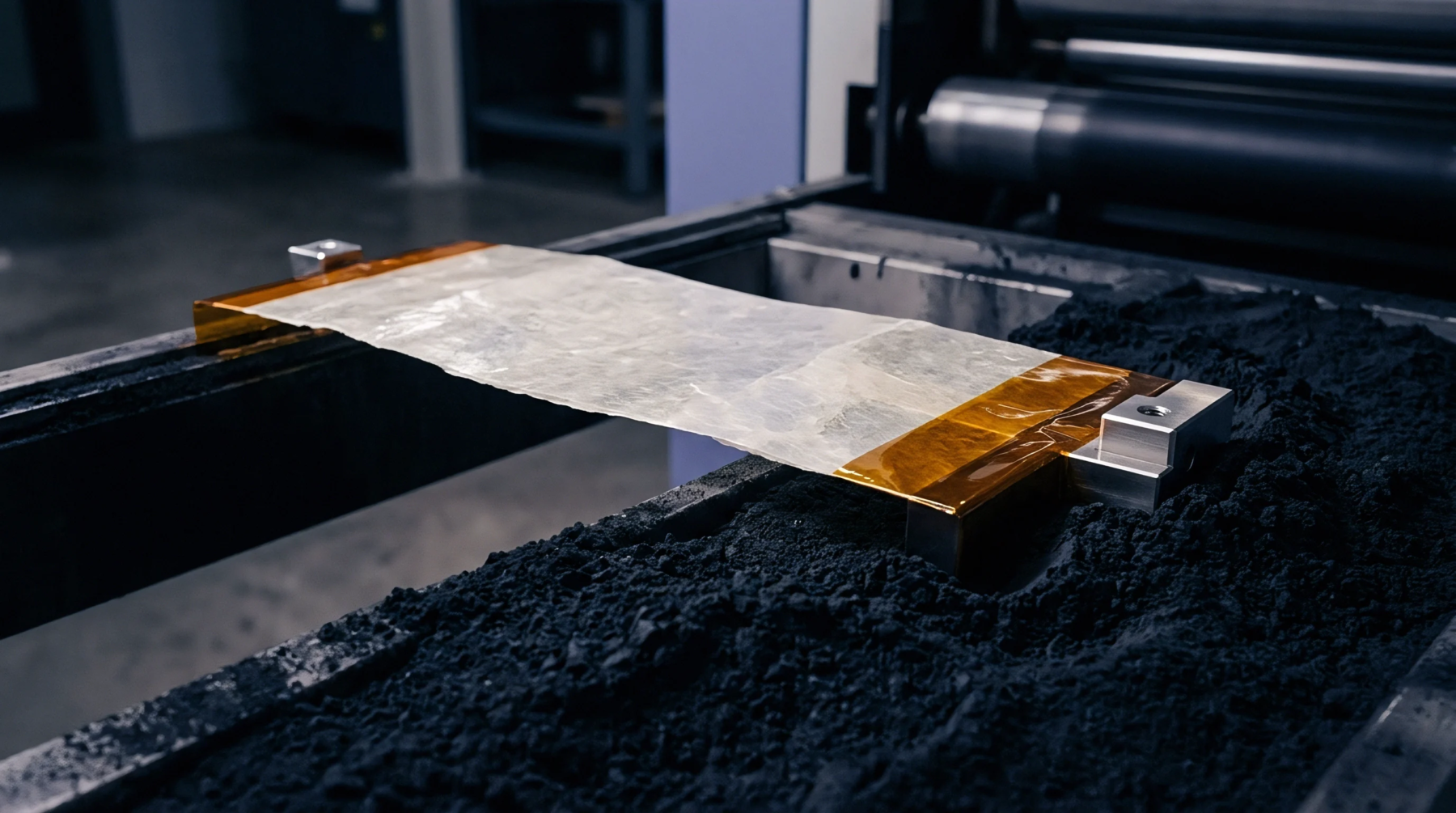
Hermetic seals and moisture barriers rely on a constant level of compression to prevent the entry of contaminants into the battery cell. If stress relaxation occurs in the seal material, the integrity of the barrier may fail, leading to electrolyte leakage or the ingress of water. Manufacturers use high grade elastomers and metallic seals that are specifically designed to minimize the rate of relaxation at high temperatures.
Testing for this behavior involves long term compression tests under various environmental conditions to predict the life of the seal. The data from these tests is used to select materials that will maintain a secure seal throughout the entire life of the battery. Understanding the rate of relaxation is a requirement for the design of durable and safe energy storage systems for automotive and industrial use.