Meaning
Thin layer of pressurized liquid exists between two moving flexible surfaces inside a mechanical joint or bearing where the pressure is high enough to deform the surfaces themselves. An elastohydrodynamic squeeze film provides a protective separation that prevents direct metal to metal contact and reduces wear in situations where the gap between components closes very rapidly.
Pressure Interaction
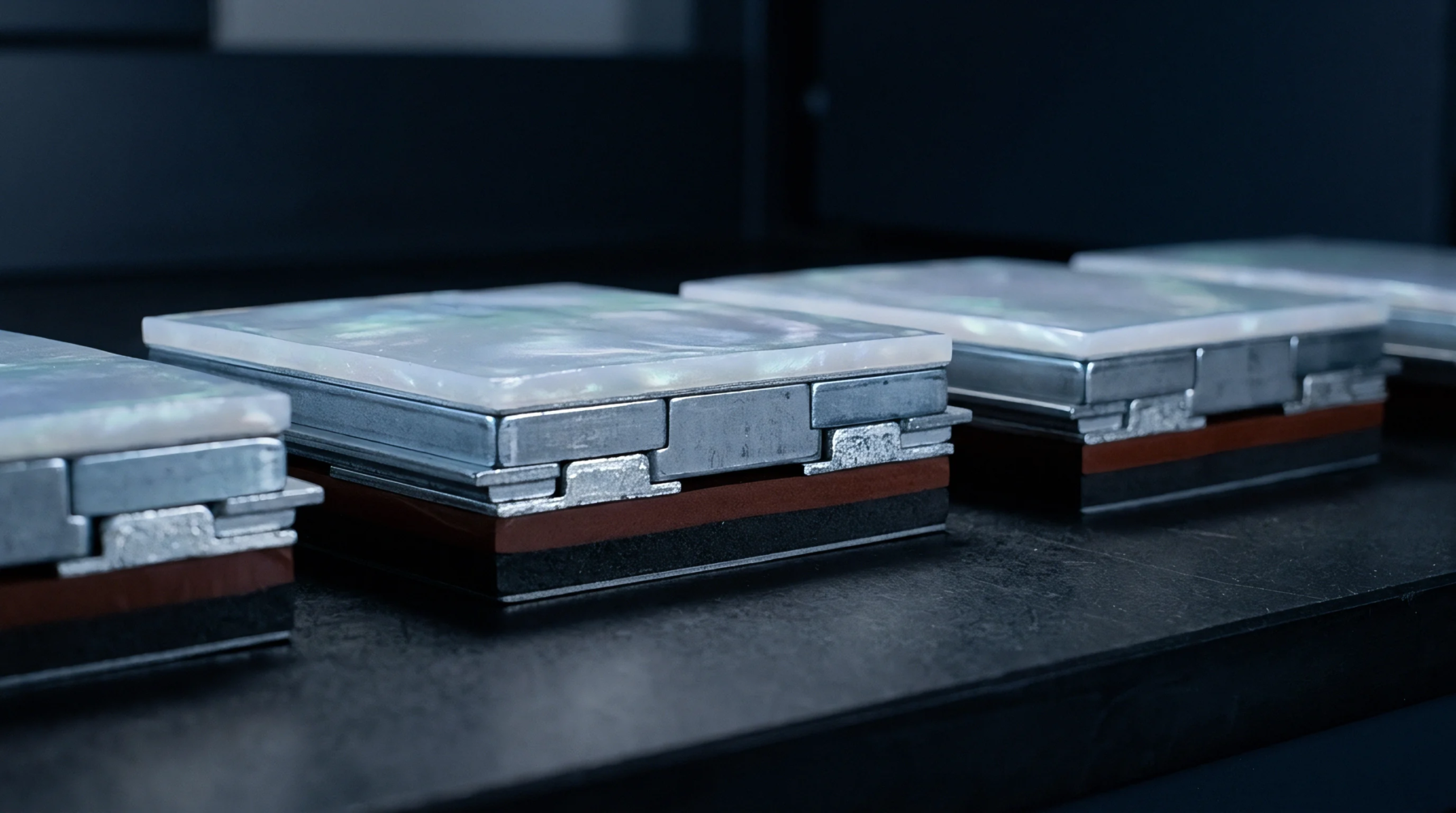
Formation of the barrier depends on the rapid increase in viscosity that occurs when the lubricant is trapped and compressed between converging walls of an expanding battery module. The elastohydrodynamic squeeze film creates a high load capacity within a few microns of thickness because the fluid molecules become nearly solid under extreme localized compression. This effect is crucial for cushioning the impact between internal cell spacers and cooling plates when the battery cells expand during a peak power event.
If the motion is quick enough, the fluid cannot escape easily and the resulting pressure helps to distribute the stress evenly across the entire surface area.
Surface Deformation
Mechanical force from the closing gap causes the elastomeric or metallic interfaces to flatten slightly which increases the size of the contact area and traps more fluid inside. Any elastohydrodynamic squeeze film functions primarily by balancing the rate of fluid escape against the rate at which the surfaces are being pressed together during typical operation. Researchers study this mechanism to select the correct viscosity for thermal gap fillers that must allow for expansion while preventing mechanical shock from reaching the core battery elements.
The elastic recoil of the surfaces once the pressure is released helps the fluid return to the center of the contact zone which prepares the joint for the next cycle.
Thermal Limitation
Heat decreases the effectiveness of this liquid buffer because higher temperatures lower the viscosity of the dielectric fluid or oil and speed up its escape from between the plates. Maintaining an elastohydrodynamic squeeze film requires careful thermal management to ensure that the fluid remains thick enough to provide resistance throughout the hottest periods of operation. Analysis of these films helps in the development of specialized thermal pastes that resist dry out and keep their protective properties over ten or fifteen years of service.
Failure to maintain this film results in abrasive wear between components that may lead to the eventual breach of moisture seals or the fracture of brittle ceramic separators.