Meaning
Maximum force per unit area defines the compression limit for a stack of electrochemical cells within a module. Stack pressure tolerance establishes the range of compression that maintains optimal electrical and thermal contact without damaging the internal structure of the cells. It is measured in megapascals or pounds per square inch during the module assembly process.
Contact Optimization
Uniform pressure ensures that the ions have a consistent path through the electrolyte and separator. Within the limits of stack pressure tolerance, the internal resistance of the cell is minimized because the layers are held in close proximity. Insufficient pressure can lead to high resistance and poor heat transfer to the cooling plate.
Damage Threshold
Excessive force can squeeze the electrolyte out of the active areas or puncture the thin separator membrane. Monitoring stack pressure tolerance prevents the deformation of the current collectors and the crushing of the active material particles. A stack that is over-compressed may suffer from premature failure or reduced cycle life.
Compression Hardware
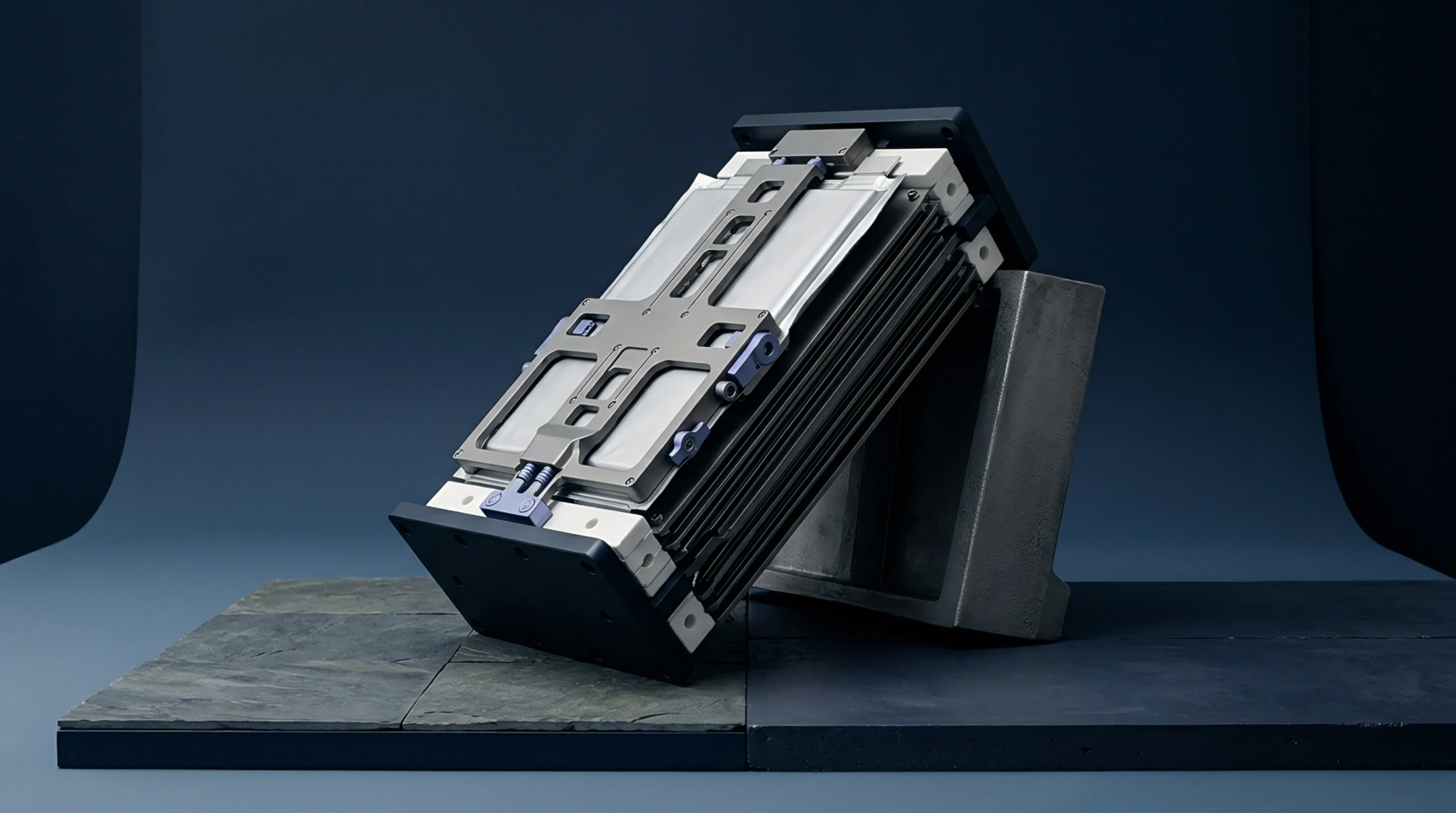
Springs, foam pads, hydraulic tensioners, or rigid bolts are used to maintain the desired force throughout the life of the battery. As cells age and swell, the hardware must accommodate these changes while staying within the stack pressure tolerance range. The design of the endplates and tie rods is directly influenced by these pressure requirements.
Precise torque control during the assembly phase is necessary to reach the initial pressure target. High volume production lines employ automated nut runners with integrated transducers to log the specific force applied to every module on the assembly line.