Meaning
A physical deterioration process occurs inside battery electrodes when rapid lithium insertion and extraction create intense concentration gradients and localized mechanical stresses. Occurrence of high C-rate mechanical degradation leads to active material micro-cracking, delamination from current collectors, and permanent loss of accessible electrochemical capacity. Physical scope spans the microstructural electrode coating and binder networks, excluding macro-level pack structural frame fatigue.
Cell designers set maximum charge rate limits to bound these damaging structural effects within acceptable performance thresholds.
Strain Generation
Rapid ion flux creates steep concentration gradients between the surface and core of active material particles. Non-uniform volume expansion generates internal tensile and compressive stresses that exceed material yield limits. Severe lattice distortion accelerates structural fatigue during fast charging.
Particle Cracking
Repeated stress cycles fracture primary active material grains along grain boundaries. Secondary particle breakdown exposes fresh unpassivated surfaces to liquid electrolyte, promoting continuous solid electrolyte interphase growth. Increased impedance and lithium inventory loss directly follow particle pulverization.
Structural Breakdown
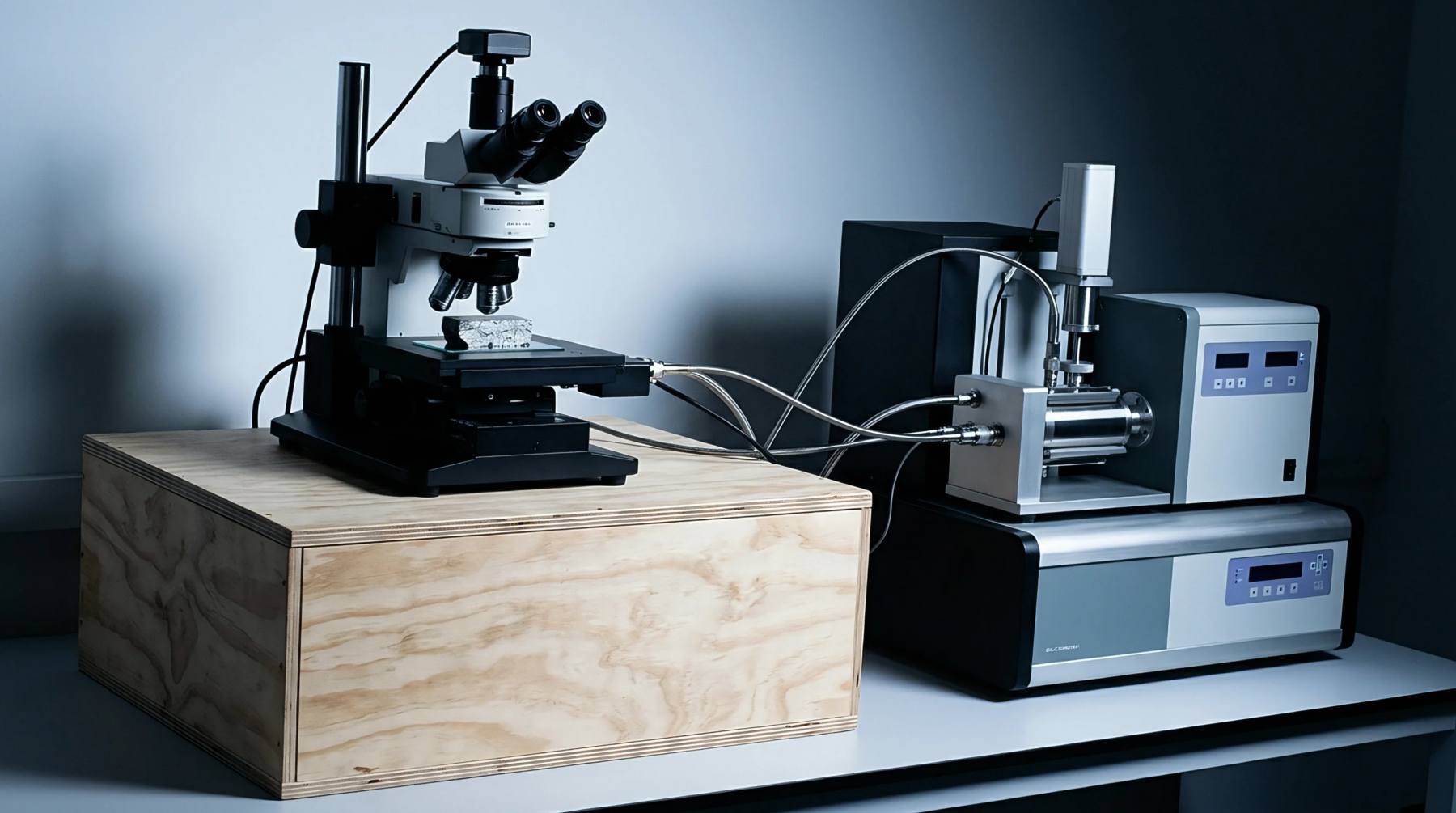
Cumulative internal damage leads to binder rupture and active layer delamination from copper or aluminum current collectors. Loss of electrical contact isolates active regions from current flow, accelerating capacity decline. Monitoring high C-rate mechanical degradation through optical strain techniques guides battery management control strategies.