Meaning
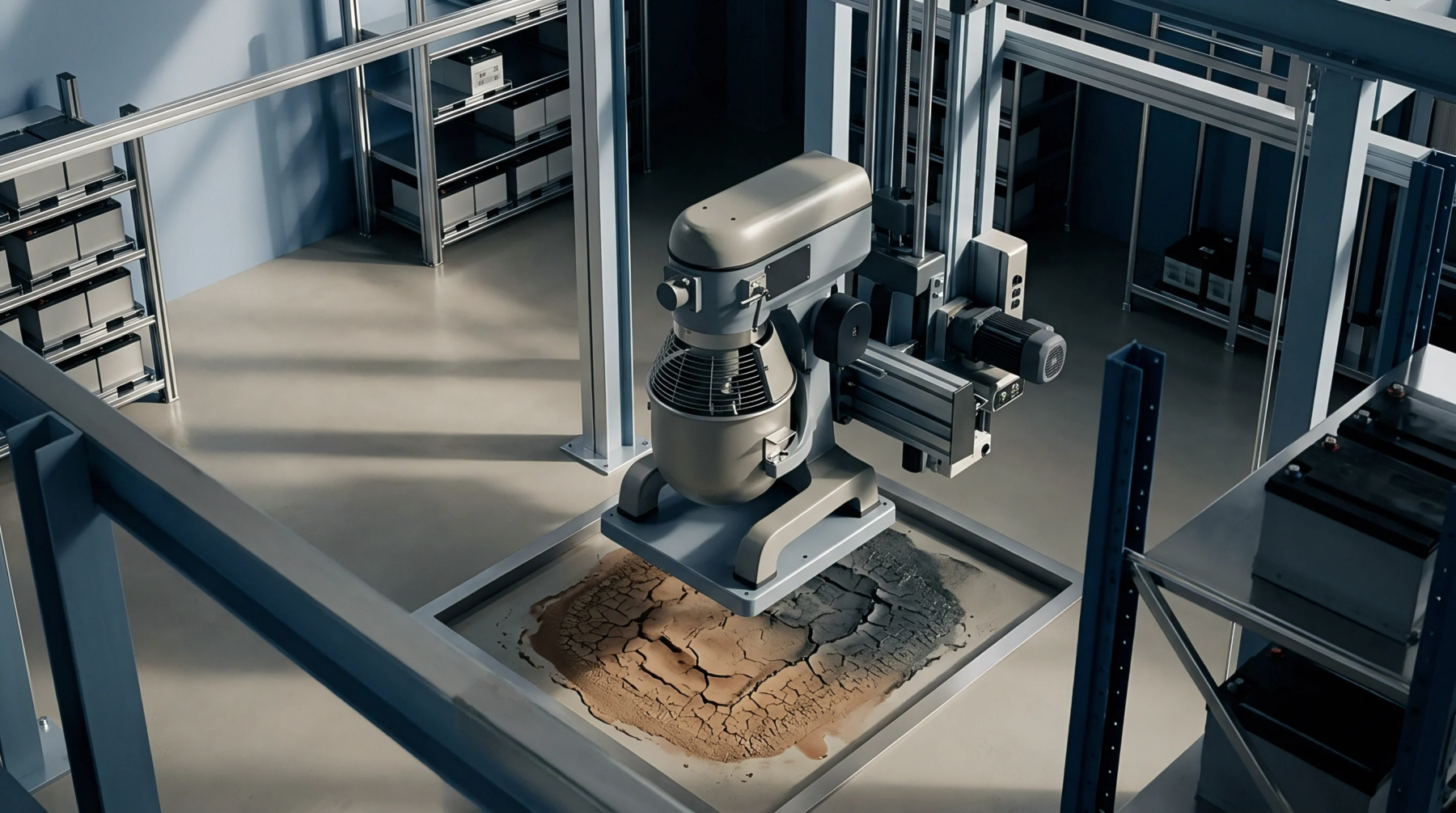
Direct recycling processes restore the lithium content of degraded cathode materials by treating them in aqueous solutions at elevated temperatures and pressures. Hydrothermal relithiation bypasses the intensive energy requirements of smelting or acid leaching by forcing lithium ions back into the depleted crystal structure of the spent active material. The process occurs in a sealed reactor where temperature and precursor concentration are precisely controlled.
Recovered particles often regain their original electrochemical capacity and rate capability.
Solution Chemistry
Aqueous environments containing lithium hydroxide or lithium carbonate provide the ions necessary for the reaction. During hydrothermal relithiation, the concentration of the lithium source must be kept at a stoichiometric excess to drive the diffusion into the solid phase. The pH of the liquid is also monitored to prevent the dissolution of transition metals.
Recovery Efficiency
Performance metrics for the recycled material are measured against the standards for virgin cathode powders. Successful hydrothermal relithiation restores the lattice parameters and the specific capacity of the material to within five percent of its original value. This method is effective for treating materials like lithium iron phosphate or nickel-manganese-cobalt oxides.
The efficiency of the process depends on the initial state of degradation and the particle size distribution of the feedstock.
Thermal Environment
Temperature control inside the pressurized vessel dictates the rate of ion exchange. Most hydrothermal relithiation cycles operate between one hundred and three hundred degrees Celsius. This range provides enough energy to overcome the activation barrier for lithium diffusion without damaging the particle morphology.