Meaning
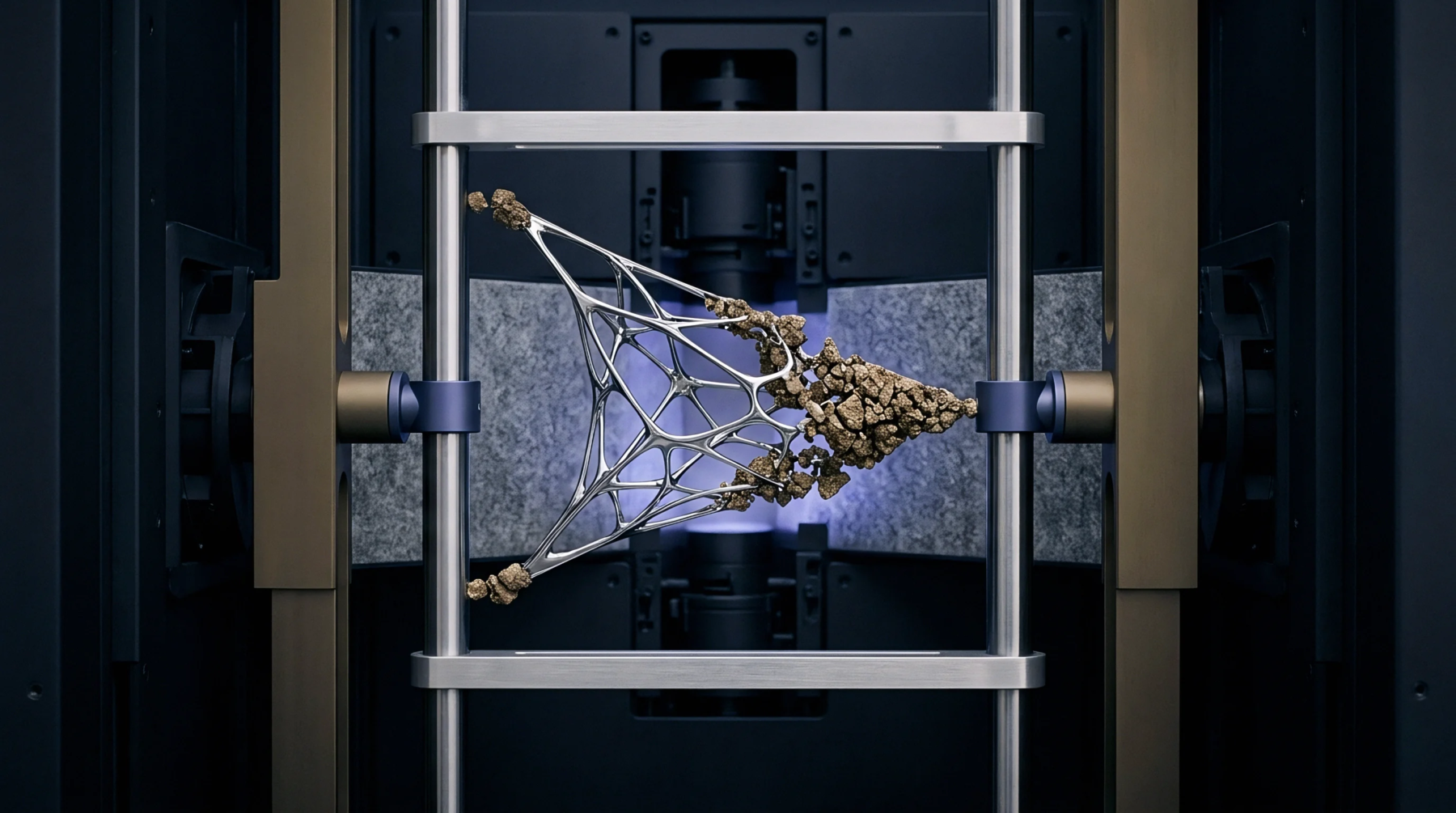
Forced physical deformation of a lithium secondary cell is the technical condition established to simulate a metallic particle or component failure occurring within the winding or stacked layers of the electrode assembly. This iec 62133 internal short circuit test assesses the ability of a battery design to prevent thermal runaway or fire under specific crushing force applied at a defined orientation. It establishes a boundary for mechanical integrity by requiring the cell to neither ignite nor explode when subjected to the simulated contamination or alignment fault.
Mechanical Execution
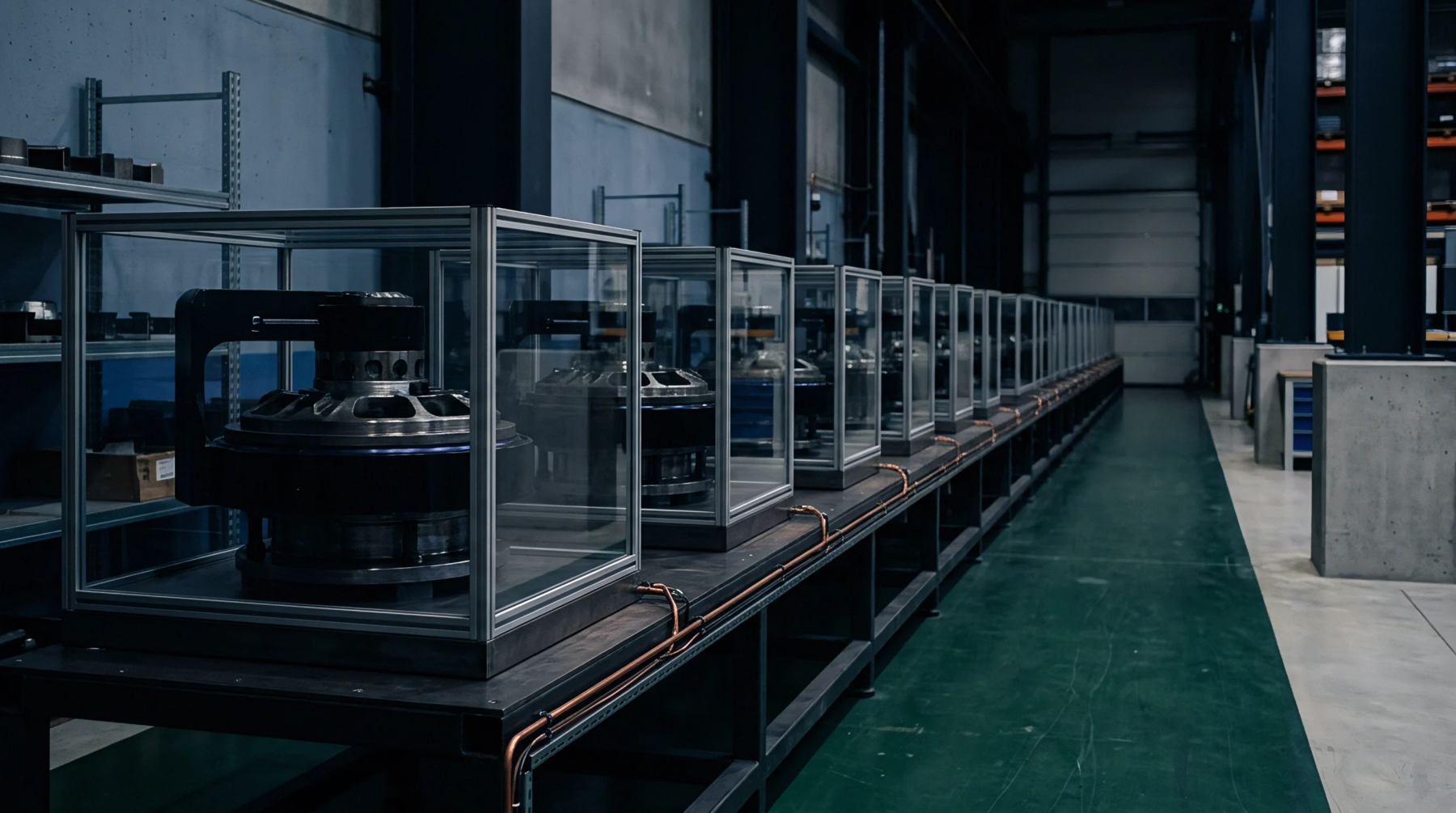
Compression occurs through a hydraulic press that applies a load of eight hundred newtons to a cell placed between two flat parallel plates. The pressure remains constant until the cell voltage drops by at least fifty millivolts or the cell experiences deformation reaching fifty percent of its original thickness. Engineers prioritize this procedure because it isolates the electrochemical response to localized separator damage from other potential failures like external heat or overcharge.
Compliance Verification
Documentation of the results serves to confirm that manufacturers have accounted for impurities introduced during the factory production process. Third-party testing laboratories record the voltage response and temperature rise during the crush to verify that the energy release stays within the non-hazardous parameters set by the governing standard. Any observed breach of the casing or leakage of electrolyte during this assessment indicates a failure of the design to contain the hazardous conditions caused by the simulated metallic bridge.
Operational Implication
Procurement officials request the specific test report to validate that a cell design possesses the internal stability required for high-density energy storage applications. This requirement distinguishes robust cell construction from those vulnerable to catastrophic failure when the jelly roll or stack experiences minor physical shifting or internal contamination. Rigorous adherence to these mechanical constraints prevents the deployment of unstable power units that fail under common physical stress.