Contractual Allocation of Liability for Latent Micro Short Discharges in Import Lithium Cells
Contractual allocation of latent micro-short liability requires strict incoming K-value screening windows, extended defect claim definitions, and explicit supplier indemnification clauses covering recall logistics.


Dross
Microscopic conductive particles inside lithium-ion cells can form hidden electrical paths between opposing electrodes. Contaminants enter during slurry preparation, electrode coating, and current collector slitting ~ copper dust, iron shavings, aluminum flecks, and nickel debris settling onto foil surfaces before winding or stacking. Once sealed inside the casing, these particles interact with internal electric fields and the chemical environment until the cell eventually fails.
Cell manufacturers deploy magnetic separators, air showers, and dry-room filtration to suppress airborne dust, but slitting blades continuously shed sub-micron metallic debris as they wear. Dulling knives tear jagged burrs along foil edges rather than cutting cleanly, and the continuous vibration of coating and calendering operations dislodges these micro-burrs onto active anode and cathode surfaces.

Mechanisms of Particle Inclusion
Slitting burrs and loose foil fragments migrate into cell stacks during winding or Z-folding. Tension across current collector foils drives sharp contaminants straight into polymer separator membranes, which range from 9 to 20 micrometers thick and yield under localized mechanical compression.
Inclusion size determines how fast electrical contact develops. Large particles spanning the full separator thickness cause immediate hard shorts during initial formation cycles. High-current discharges across low-resistance paths vaporize smaller fragments during early testing, leaving carbonized tracks through the material.
Sub-micron contaminants, however, sit embedded inside separator pores beneath the organic liquid electrolyte without bridging the gap immediately, dissolving and migrating only when operational conditions shift.
High electrochemical potentials at the cathode promote the oxidation of metallic impurities. Iron, copper, and nickel particles near that oxidation boundary dissolve into the liquid electrolyte as cations, migrating across the separator gap under concentration gradients and electrical drift. At the lower potential of the anode surface, these metal ions reduce, redeposition as localized conductive structures.
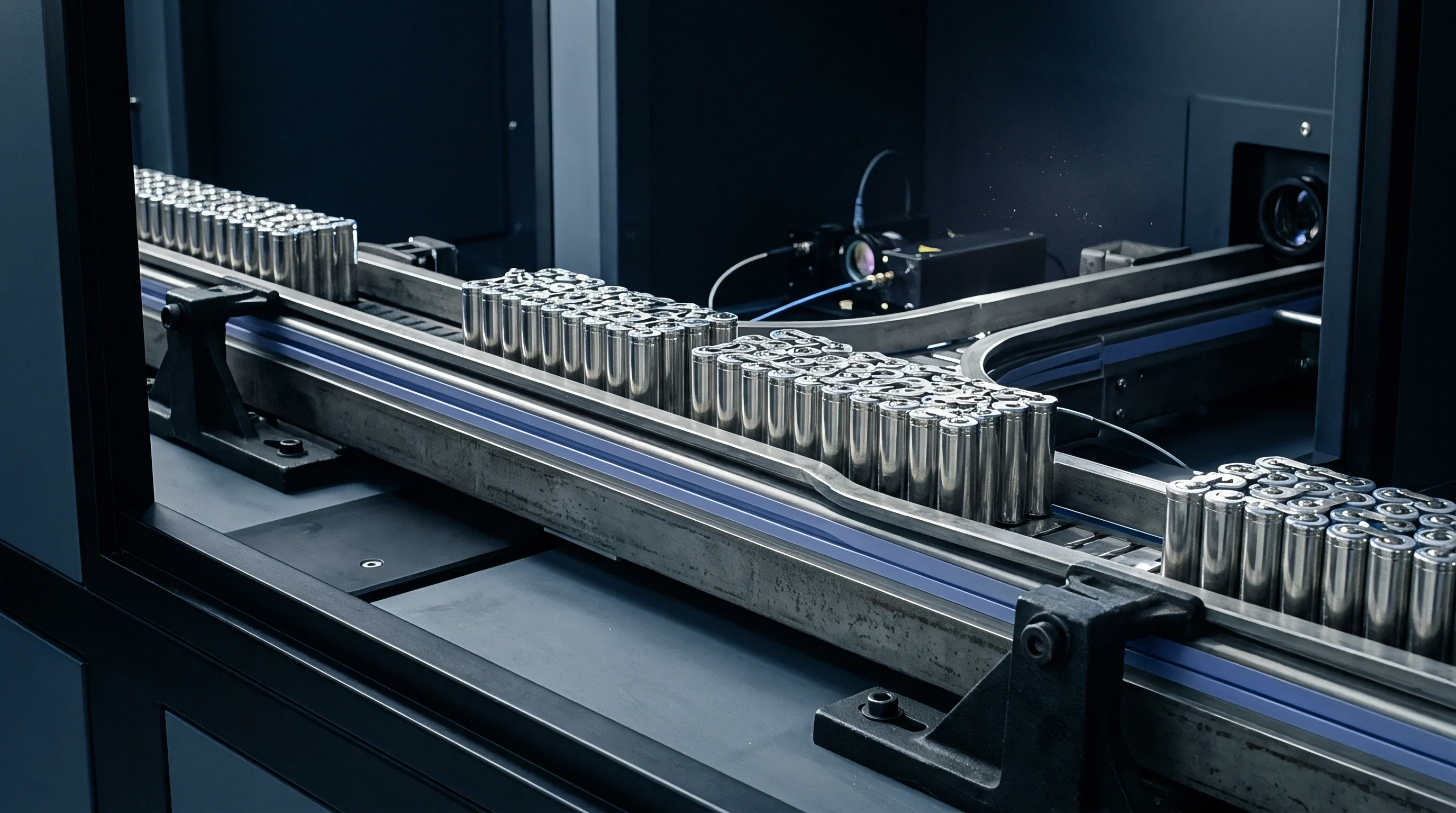
Dendrite Growth across Separator Layers
Local electric field distortions accelerate metal deposition over extended storage or low-rate cycling. Copper dissolves above 3.1 volts against a lithium reference, ionizing loose debris near the cathode into the solvent. The dissolved copper ions migrate to the graphite anode ~ where potential drops near zero volts relative to lithium metal during charge ~ and precipitate onto graphite particles, seeding dendrite growth.
Deposition favors the steep field gradients formed by separator pores and edge boundaries. Unlike lithium dendrites generated during fast cold-weather charging, transition metal dendrites remain electrochemically stable once formed; dissolved iron and nickel settle into branching networks that gradually span separator gaps, while internal casing compression narrows the physical distance between electrodes to speed contact.
Mechanical stress varies by format: cylindrical cells like 21700 and 4680 sustain continuous radial compression from tightly wound jelly-rolls, prismatic cells use stacked plates under side-wall clamping forces, and pouch cells depend on pack compression plates to control swelling. In each case, sustained pressure squeezes soft polymer separators around hard metallic particles, reducing local dielectric strength and relying heavily on separator thickness for safety margins.
Separator morphology directs penetration routes. Wet-process polyethylene membranes feature tortuous 3D pore networks that slow linear particle growth, whereas dry-process polypropylene contains straight, slit-like pores that allow rapid directional growth under electric potential. Ceramic coatings boost thermal stability and puncture resistance, retarding dendrite penetration without entirely removing the risk of latent micro-shorts.
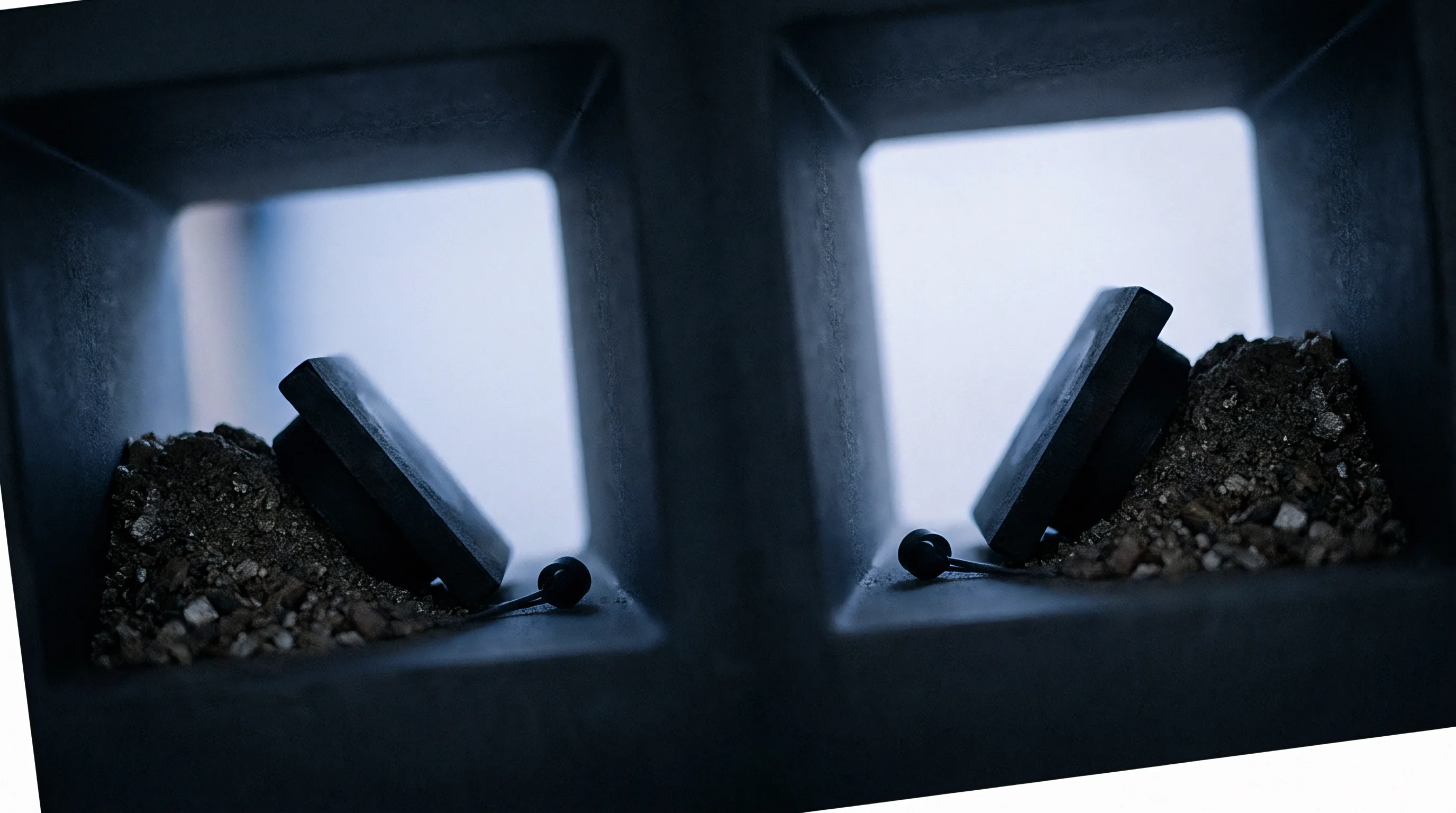
Micro Short Discharge Characteristics
Small leakage currents between microamperes and single-digit milliamperes drain chemical energy without tripping external protection. Micro-short discharges convert that stored energy directly into heat inside tiny internal contact zones; high-resistance bridges generate minimal heat but cause open-circuit voltage to decay gradually over weeks or months of storage.
Low-resistance contacts draw higher local current density, raising spot temperatures at the defect site. Thermal spikes above 130 degrees Celsius melt the adjacent separator and widen the contact zone, while sustained heating breaks down solid-electrolyte interphase layers and triggers exothermic electrolyte decomposition.
Voltage decay profiles distinguish normal self-discharge from micro-short leakage. In lithium nickel manganese cobalt oxide cells, baseline self-discharge follows predictable logarithmic curves driven by parasitic electrolyte reactions, whereas micro-short leakage produces linear or step-change voltage drops that deviate significantly from cohort distributions.
A self-discharge rate exceeding 1.2 millivolts per day at 45 degrees Celsius over a 14-day quarantine period indicates active internal contamination in a 21700 NMC cell.
Cell temperature directly affects leakage magnitude. Higher ambient storage temperatures boost electrolyte conductivity, accelerate dissolution kinetics, and lower viscosity to speed ionic diffusion through separator pores. Thermal expansion of internal components also alters stack pressure, intermittently making or breaking fragile metallic dendrite contacts.
Intermittent micro-shorts create severe quality screening challenges. Fragile copper dendrites can burn out under high local current spikes, temporarily restoring normal open-circuit voltage profiles. Later mechanical shock, thermal cycling, or physical expansion during charge-discharge cycles shifts internal layers and brings metallic fragments back into contact.
Analyzing cell construction reveals how mechanical stress drives this particle migration across the separator.
Minor voltage drops can stem from unconditioned solid-electrolyte interphase stabilization rather than internal metallic contamination.


Telemetry
Tracking state-of-charge decay over extended rest periods provides quantitative indicators of internal leakage. Advanced factory screening uses multi-stage open-circuit voltage measurements to isolate defective cells prior to shipment, requiring strict ambient temperature control, high-resolution digital multimeters, and standardized rest durations to ensure data integrity.
Precision systems capture fractional millivolt changes across incoming cell batches. Logging open-circuit voltage at fixed intervals generates decay curves for each cell serial number, allowing comparison against batch medians to surface statistical outliers long before mechanical swelling or thermal events occur.

Why Do Metal Contaminants Delay Electrical Breakdown?
Metallic contaminants remain initially isolated after electrolyte filling because native oxide films on copper or iron debris act as thin dielectric barriers, restricting immediate electron transfer across electrode interfaces. Exposure to the organic electrolyte slowly dissolves these surface oxides over days or weeks of storage, initiating active chemical transport.
Formation cycling establishes initial solid-electrolyte interphase layers across anode surfaces while electric field lines concentrate around sharp metallic points during primary charge cycles. Dissolution of metallic inclusions proceeds slowly under rest conditions, requiring sustained voltage bias to drive metal ion migration across saturated separator pores ~ which is why contaminated cells often pass end-of-line factory electrical testing intact.
Mechanical relaxation inside cell jelly-rolls or stack structures unfolds over extended timeframes. Residual stresses from high-speed winding redistribute after electrolyte wetting, causing microscopic shifts within sealed enclosures that can bring embedded metallic burrs into physical contact with opposing electrodes long after formation and grading finish.

Open Circuit Voltage Decay Tracking
Automated logging channels record precise potential drops across specified storage intervals. Initial open-circuit voltage measurements taken immediately after formation grading establish baseline data points, allowing latent self-discharge behavior to emerge clearly under controlled environmental storage.
Self-discharge rates vary significantly with temperature. Room-temperature storage requires quarantine periods up to 28 days to yield clear statistical separation between clean and contaminated units, whereas accelerated screening protocols use elevated thermal chambers to compress measurement timelines without sacrificing sensitivity.
High-resolution multimeters with six-and-a-half-digit resolution measure cell potential down to microvolts. Test equipment must maintain tight calibration so drift does not mask genuine internal self-discharge, while temperature compensation algorithms adjust raw voltage readings against live environmental sensor streams.
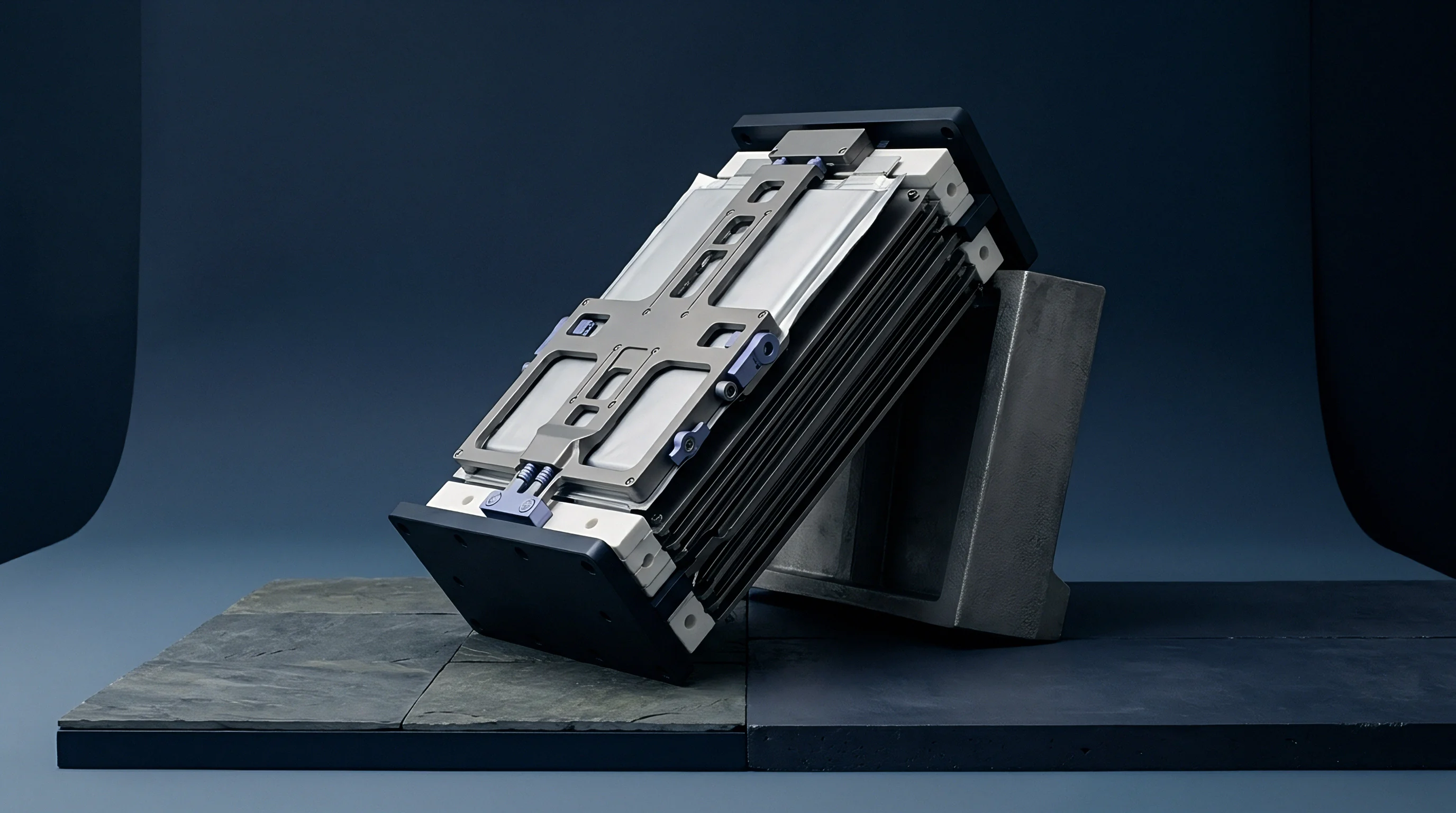
Quantification of K Value Variance
Dividing potential loss by storage duration in hours yields a decay metric in millivolts per day. Designated as the K-value, this rate parameter serves as the primary screening threshold for internal micro-shorts, creating a standardized metric comparable across diverse manufacturing lots and shipping containers.
Calculating K-values requires two discrete voltage readings separated by a defined rest window, taking initial voltage minus final voltage divided by elapsed time in days. Pristine cells yield low, stable K-values reflecting baseline parasitic reactions, whereas contaminated units show elevated values proportional to internal leakage conductivity.
Statistical process control applies normal distribution models to batch K-value data. Setting upper specification limits based on standard deviation multipliers from population medians isolates defective units; cells exceeding three standard deviations above the batch mean face immediate rejection and quarantine, regardless of absolute voltage level.
| Cell Format | Cathode Chemistry | Storage Temperature (°C) | Quarantine Duration (Days) | Baseline K-Value (mV/day) | Reject Threshold K-Value (mV/day) |
|---|---|---|---|---|---|
| Cylindrical 21700 | NMC 811 | 25 | 21 | 0.35 ± 0.05 | 0.65 |
| Cylindrical 21700 | NMC 811 | 45 | 14 | 1.10 ± 0.12 | 1.85 |
| Prismatic 50Ah | LFP | 25 | 28 | 0.18 ± 0.03 | 0.40 |
| Prismatic 50Ah | LFP | 45 | 14 | 0.55 ± 0.08 | 0.95 |
| Pouch 60Ah | NMC 622 | 25 | 21 | 0.28 ± 0.04 | 0.55 |
| Pouch 60Ah | NMC 622 | 45 | 14 | 0.92 ± 0.10 | 1.50 |
Evaluating K-value deltas provides deeper diagnostic clarity. Comparing K-values across two consecutive quarantine intervals exposes non-linear self-discharge acceleration: a steady K-value points to uniform chemical self-discharge, while an increasing value over time signals active dendrite growth and impending electrical breakdown. The baseline screening duration is set to fourteen days at elevated temperature to capture slow-growing dendrites.
Combining high-temperature storage with daily K-value monitoring yields a 98.4 percent detection rate for metallic inclusions. Tracking individual cell trajectories isolates latent micro-shorts before units enter mechanical module assembly, where automated sorting equipment routes flagged cells straight to isolation.
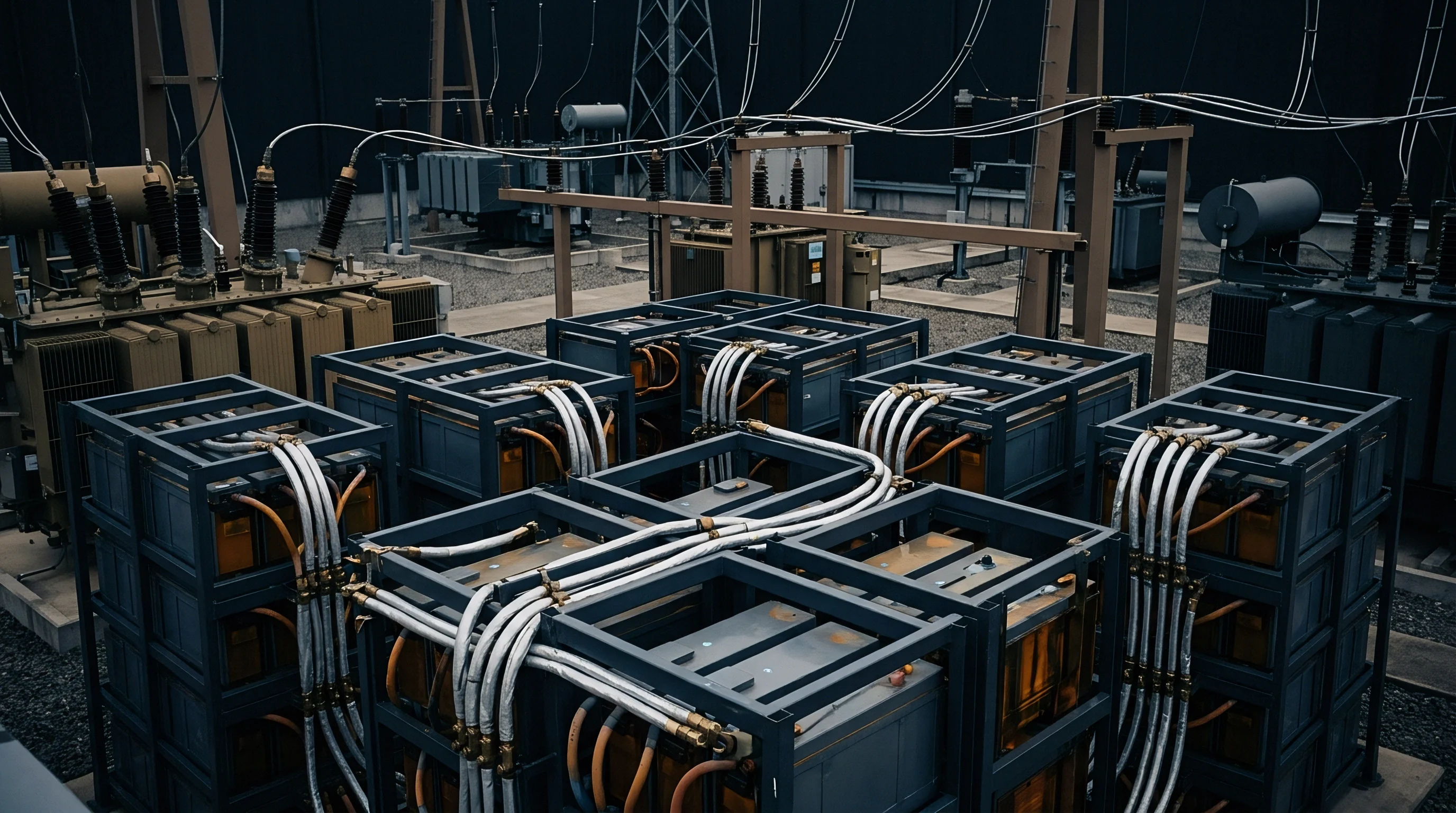
High Temperature Storage Acceleration
Raising ambient chamber temperatures to 45 degrees Celsius increases ion mobility and reaction kinetics. Elevated thermal energy accelerates metal dissolution at cathode surfaces, freeing copper and iron cations into the electrolyte solution, while lower electrolyte viscosity permits faster ionic transport across separator membranes.
Thermal acceleration follows Arrhenius kinetic equations, allowing storage at 45 degrees Celsius to compress a 30-day room-temperature self-discharge evaluation into an equivalent 10-to-14-day screening cycle. Standardizing this elevated-temperature soak reduces work-in-progress inventory footprints without compromising quality control.
A cell showing anomalous voltage decay during elevated thermal storage will continue degrading regardless of post-quarantine cooling.
Temperature uniformity inside storage chambers is critical. Spatial variations exceeding 1.5 degrees Celsius across racks induce artificial K-value variance: edge cells exposed to higher airflow decay at different rates than center-stacked units, making precise environmental control essential for batch data accuracy.
The operational protocol for incoming cell telemetry validation proceeds through mandatory verification stages:
- Receive cell shipments into climate-controlled receiving zones held at 22 degrees Celsius and 45 percent relative humidity.
- Unpack outer shipping crates and scan individual matrix barcodes to register cell serial numbers into the incoming quality database.
- Perform initial high-precision open-circuit voltage and internal AC impedance measurements on every cell within four hours of arrival.
- Transfer cells onto automated burn-in trays equipped with continuous multi-channel voltage and temperature monitoring hardware.
- Load burn-in trays into environmental chambers pre-heated to 45 degrees Celsius for a mandatory 14-day thermal soak period.
- Log cell open-circuit voltages every 24 hours to generate continuous linear and non-linear regression curves for self-discharge rate calculation.
- Compute final K-values and delta K-values for every serial number upon completion of the 14-day thermal soak window.
- Automatically flag and isolate any cell exhibiting a K-value exceeding upper control limits or showing non-linear decay acceleration.
- Cool remaining passing cells back to 22 degrees Celsius and execute final open-circuit voltage confirmation prior to release for pack assembly.
Data integration links cell telemetry directly to contractual liability frameworks. Serial number tracking establishes clear timelines showing whether voltage decay began during manufacturing storage, transit, or post-arrival holding, providing unalterable evidence for quality disputes without manual entry errors.
Cells exhibiting non-linear self-discharge curves during ambient resting inevitably undergo accelerated separator breakdown when subjected to high-rate pulse discharges.


Dock
Container unsealing at receiving facilities marks the first physical inspection boundary for cross-border shipments. Transferring cell batches across international boundaries involves complex shifts in possession and commercial risk, while marine transit exposes containers to extended vibration, thermal cycling, and humidity fluctuations. Receiving inspection protocols must capture physical and electrical state indicators immediately upon arrival.
Shipping documents, bill-of-lading terms, and INCOTERMS dictate the exact points where title and casualty risk transfer from exporter to importer. Unplanned customs delays at ocean ports extend storage under unmonitored environmental conditions.

Acceptance Sampling under ISO Standards
Statistical tables from ISO 2859-1 govern lot sample sizes and acceptable quality limits for incoming shipments. Because 100 percent testing of large import volumes is cost-prohibitive upon arrival, sampling plans determine statistically valid sample counts based on total lot size to define clear acceptance and rejection criteria.
Acceptable Quality Limit (AQL) selections set contractual risk thresholds. Critical defects like internal micro-shorts and metallic contamination demand stringent AQL settings ~ typically 0.010 or 0.040 ~ whereas major defects in dimensional tolerances or casing aesthetics use higher thresholds such as 1.0 or 1.5. Exceeding allowable defect counts in a sample triggers immediate rejection of the entire lot.
| Lot Size (Units) | Sample Size Code Letter | Normal Sample Size | Tightened Sample Size | Critical Defect AQL 0.010 (Ac / Re) | Major Defect AQL 1.0 (Ac / Re) |
|---|---|---|---|---|---|
| 3,201 to 10,000 | K | 125 | 200 | 0 / 1 | 3 / 4 |
| 10,001 to 35,000 | L | 200 | 315 | 0 / 1 | 5 / 6 |
| 35,001 to 150,000 | M | 315 | 500 | 0 / 1 | 7 / 8 |
| 150,01 to 500,000 | N | 500 | 800 | 0 / 1 | 10 / 11 |
| 500,001 and above | P | 800 | 1250 | 0 / 1 | 14 / 15 |
Normal inspection plans switch to tightened protocols upon detecting non-conforming lots. Tightened sampling increases sample sizes and lowers allowable defect limits, raising detection probability for subtle manufacturing flaws; repeated failures under tightened inspection authorize full shipment rejection and trigger vendor audit clauses.
Sampling must maintain true random distribution across entire pallet volumes. Pulling boxes exclusively from top layers skews testing data, missing conditions at pallet cores where thermal retention during transport is highest. Automated unstacking equipment extracts sample cartons from top, middle, bottom, and internal core positions.

Batch Retention and Quarantine Chains
Holding incoming pallets in climate-controlled isolation prevents the premature release of suspect production lots. Dedicated quarantine zones maintain stable temperatures while quality control teams complete electrical and mechanical checks, secured by physical fencing and electronic access locks.
Quarantine duration depends on cell chemistry and screening requirements. Lithium iron phosphate cells demand longer ambient quarantine because their flat discharge curves obscure early voltage decay, whereas nickel-rich chemistries mandate tight thermal control to prevent accelerated degradation while awaiting K-value confirmation.
Receiving inspection checks incoming lot documentation to verify that ambient temperature logs remained continuous during ocean transport. Environmental dataloggers inside shipping containers log temperature and relative humidity hourly throughout transit; spikes exceeding 50 degrees Celsius during port storage invalidate factory baseline voltage data, complicating latent defect attribution.
Chain-of-custody tracking combines tamper-evident seals with digital data locking. Pallet dataloggers stream environmental telemetry to cloud storage upon warehouse arrival, providing unbroken records to confirm that cell degradation stems from manufacturing flaws rather than transit abuse.

Customs Clearance and Transfer of Risk
Commercial terms defining transit handover points dictate property title and casualty exposure. Delivered Duty Paid (DDP) agreements keep shipping risk, customs clearance, and transit insurance with the foreign supplier until goods reach destination warehouses, whereas Cost, Insurance, and Freight (CIF) terms transfer casualty risk to the buyer once cells cross the ship’s rail at foreign export ports.
INCOTERMS selection directly shapes latent defect claim logistics. Under DDP terms, discovering latent micro-shorts during quarantine allows buyers to reject non-conforming lots before absorbing customs duties. Under FOB or CIF terms, the buyer has already cleared customs, paid tariffs, and taken title, forcing financial recovery through complex international arbitration.
Incorporating standard INCOTERMS DDP delivery transfers title upon offloading but leaves latent defect claims enforceable under specified warranty extensions.
Tariff classification dictates landed cost structures. Lithium-ion cells imported under Harmonized Tariff Schedule code 8507.60.00 incur specific import duties and trade remedy tariffs based on country of origin. Rejecting defective shipments after customs clearance requires formal drawback filings to recover paid duties, adding administrative overhead.
Title transfer does not waive warranty rights. Supply contracts must state explicitly that receiving inspection approval, customs clearance, and warehouse acceptance do not waive buyer rights regarding latent defects, protecting buyers when micro-shorts surface months after receipt.
Inserting Section 14.2 of the international supply agreement shifts the burden of proof to the seller for any cell batch exhibiting a baseline K-value variance greater than three standard deviations within ninety days of customs release.


Remedy
Contractual provisions governing latent manufacturing flaws define recovery mechanisms when defects surface after installation. Standard commercial sales terms often attempt to restrict buyer remedies to basic unit replacement within narrow 30-day windows, whereas comprehensive supply agreements establish specific latent defect definitions, extended claim windows, and detailed root-cause arbitration procedures.
Distinguishing patent defects from latent defects forms the core of legal liability allocation. Patent defects ~ such as dented casings, torn insulation sleeves, or reversed polarities ~ are visible during standard receiving inspection. Latent defects, including sub-micron metallic debris and separator pinholes, remain invisible during incoming quality checks and manifest only under operational stress or extended storage.

Latent Defect Definitions in Supply Contracts
Legal definitions of non-obvious manufacturing flaws specify conditions where standard incoming inspection cannot reasonably reveal the fault. Clauses must detail exact technical thresholds defining a latent defect: micro-short self-discharge, latent dendrite growth, and localized metallic inclusion fall under this scope when confirmed by teardown analysis.
Contractual claim windows for latent defects extend far beyond standard express warranties. Buyers must negotiate notice periods lasting 12 to 36 months from delivery to account for the slow electrochemical dissolution and dendrite growth kinetics typical of field operation.
Defect rate triggers initiate batch-level remedies. Discovering a single defective cell in a large deployment warrants individual replacement under standard warranty; crossing a defined epidemic failure threshold ~ typically 0.5 to 1.5 percent of a production batch ~ authorizes full lot rejection, systemic recalls, and complete financial reimbursement.
- Latent Defect Definition Period specifies an extended timeframe ranging from 12 to 36 months during which hidden manufacturing flaws remain fully claimable against the cell manufacturer.
- Epidemic Failure Threshold Clause defines exact percentage boundaries that trigger complete shipment lot rejection and full financial recovery when repeated defects surface.
- Root Cause Arbitration Protocol establishes independent third-party laboratory testing procedures to resolve technical disputes regarding failure mechanisms and responsibility allocation.
- Batch Quarantine Authorization Rights grants buyers immediate contractual power to freeze suspect inventory stocks upon detecting anomalous voltage decay patterns during incoming screening.
- Serial Number Traceability Mandate obligates suppliers to maintain complete cell production line data logs linked directly to individual 2D matrix barcode identifiers.
Defect discovery triggers warranty remedies, making explicit contract language essential to prevent suppliers from disclaiming implied warranties of merchantability and fitness for a specific purpose. Cell manufacturers frequently attempt to cap liability at cell replacement value and exclude consequential damages, limitations buyers must resist during contract negotiation.
Warranty Seams between Cell and Pack
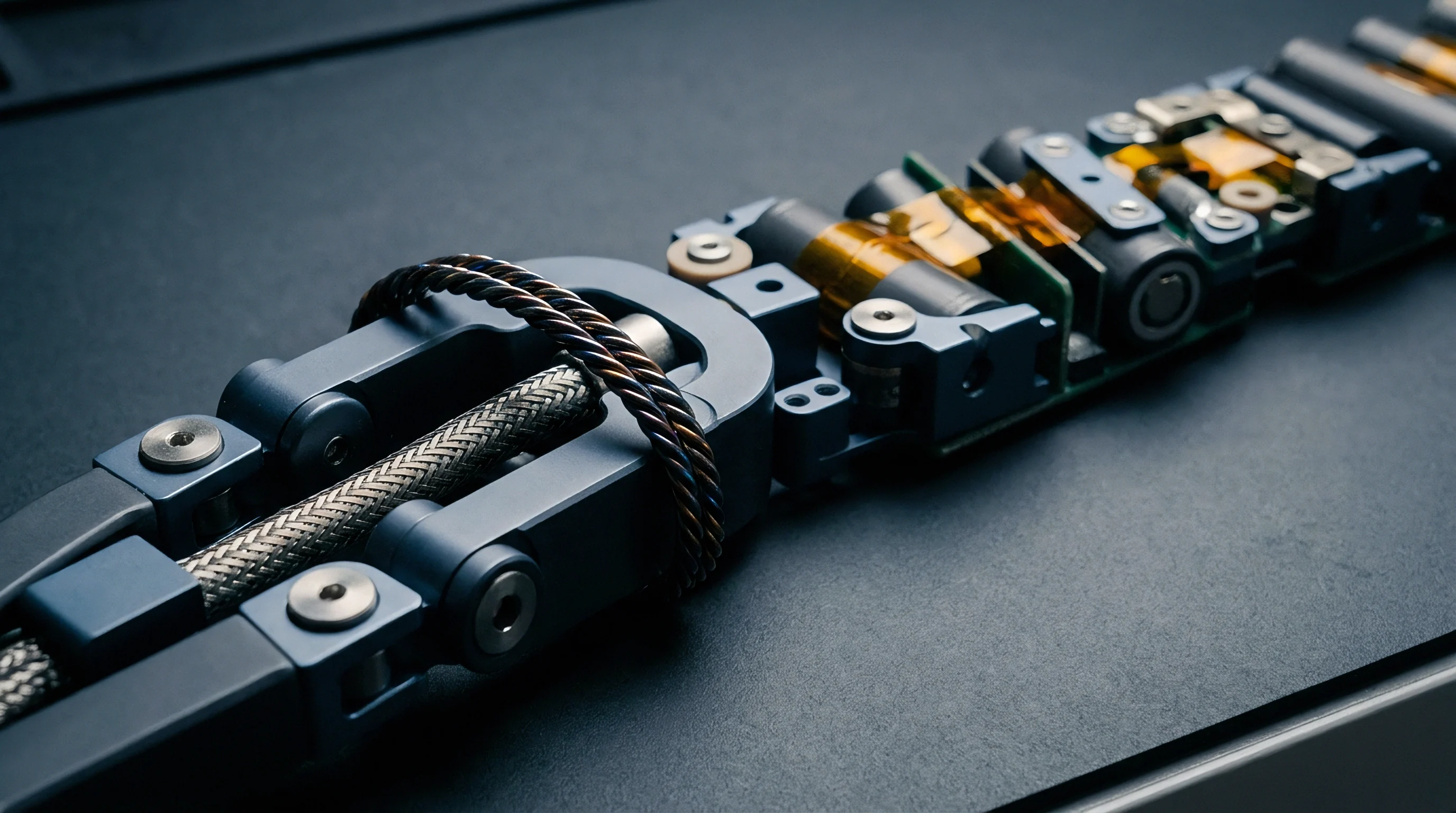
Integrating individual energy cells into multi-cell modules creates complex boundaries for failure accountability. When a latent micro-short causes a cell fire inside an integrated battery pack, suppliers often blame pack engineering, thermal management, or BMS firmware settings ~ making systematic documentation essential to establish clear fault.
Defining clear operational boundaries insulates pack integrators from unfair liability claims. Supply contracts include operational envelope annexes specifying maximum continuous charge currents, peak pulse discharge limits, temperature bands, and voltage cut-off thresholds; operating strictly within these parameters eliminates supplier claims of customer abuse.
Supply agreements separate normal operational capacity fade from latent internal micro-short discharges. Normal capacity fade follows known empirical models driven by equivalent full cycles and calendar aging, whereas micro-short discharges produce sudden capacity drops, severe cell voltage imbalance, and localized thermal anomalies distinct from uniform chemical degradation.
Destructive teardown revealing copper dendrite penetration across separator layers establishes manufacturing defect responsibility regardless of external pack handling.
BMS data logging provides essential evidence during warranty disputes. Systems that record cell-level voltages, pack temperatures, charge currents, and fault codes show whether cells operated within agreed thermal and electrical limits, stripping suppliers of misapplication defenses.

Evidence Thresholds for Root Cause Attribution
Destructive physical analysis protocols mandate precise teardown steps to isolate internal contact points. Investigating latent micro-shorts requires specialized facilities capable of safely disassembling charged or degraded cells inside inert argon gloveboxes, paired with advanced micro-imaging instrumentation.
Scanning electron microscopy coupled with energy-dispersive X-ray spectroscopy identifies elemental compositions of internal inclusions. Finding foreign copper or iron within cathode-anode contact zones provides physical proof of manufacturing contamination: pure lithium dendrites point toward low-temperature charging abuse, whereas transition metal dendrites confirm raw material contamination or slitting burr inclusions.
Computed tomography non-destructively visualizes internal cell geometry before teardown. High-resolution X-ray CT identifies jelly-roll deformation, localized metallic inclusions, and electrode alignment shifts without disturbing internal evidence, preserving physical context prior to glovebox disassembly.
| Observed Failure Mode | Primary Diagnostic Tool | Physical / Chemical Evidence | Attributable Root Cause | Liable Party Under Contract |
|---|---|---|---|---|
| Isolated Micro-Short | SEM / EDX Analysis | Copper or Iron particles embedded in separator pore structure | Foil slitting burrs or manufacturing particle inclusion | Cell Manufacturer |
| Localized Thermal Event | X-Ray Computed Tomography | External casing puncture aligned with module mechanical fastener | Module assembly mechanical intrusion or pack crush | Pack Integrator / OEM |
| Systemic High Self-Discharge | K-Value & ICP-OES | Uniform transition metal contamination across electrolyte batch | Slurry preparation contamination or raw material defect | Cell Manufacturer |
| Anode Lithium Plating | Post-Mortem Optical Scan | Metallic lithium film localized at electrode outer edges | Cold temperature charging below operational specification | End User / Operator |
Teardown evidence resolves commercial disputes. Independent, accredited laboratories perform binding root-cause evaluations when cell manufacturers challenge buyer findings, and naming mutually agreed analytical facilities in contracts before orders ship prevents delays during active disputes.
Cell manufacturers often attempt to classify latent internal shorts as handling damage caused by transit vibration or drop impacts. Subjecting sample cells to UN 38.3 mechanical shock and vibration testing proves whether internal structures withstand standard transportation stress without developing short circuits.
The unresolved legal question remains whether non-destructive acoustic emission testing can legally establish latent micro-short presence prior to physical cell disassembly.


Indemnity
Financial recovery for systemic field failures demands unambiguous contractual mechanisms covering administrative and physical damages. Replacing defective cells represents a minor fraction of total failure costs when latent micro-shorts manifest in deployed commercial systems, making comprehensive indemnification structures essential to protect importers from catastrophic exposure.
Standard warranty remedy clauses offering simple cell replacement fail to address field labor, freight, module teardown, and system replacement costs. Negotiations must focus on establishing broad indemnification coverage encompassing full direct and consequential damage recovery, with landed-cost calculations accounting for every operational recovery step.
Return Material Authorization Financial Mechanics
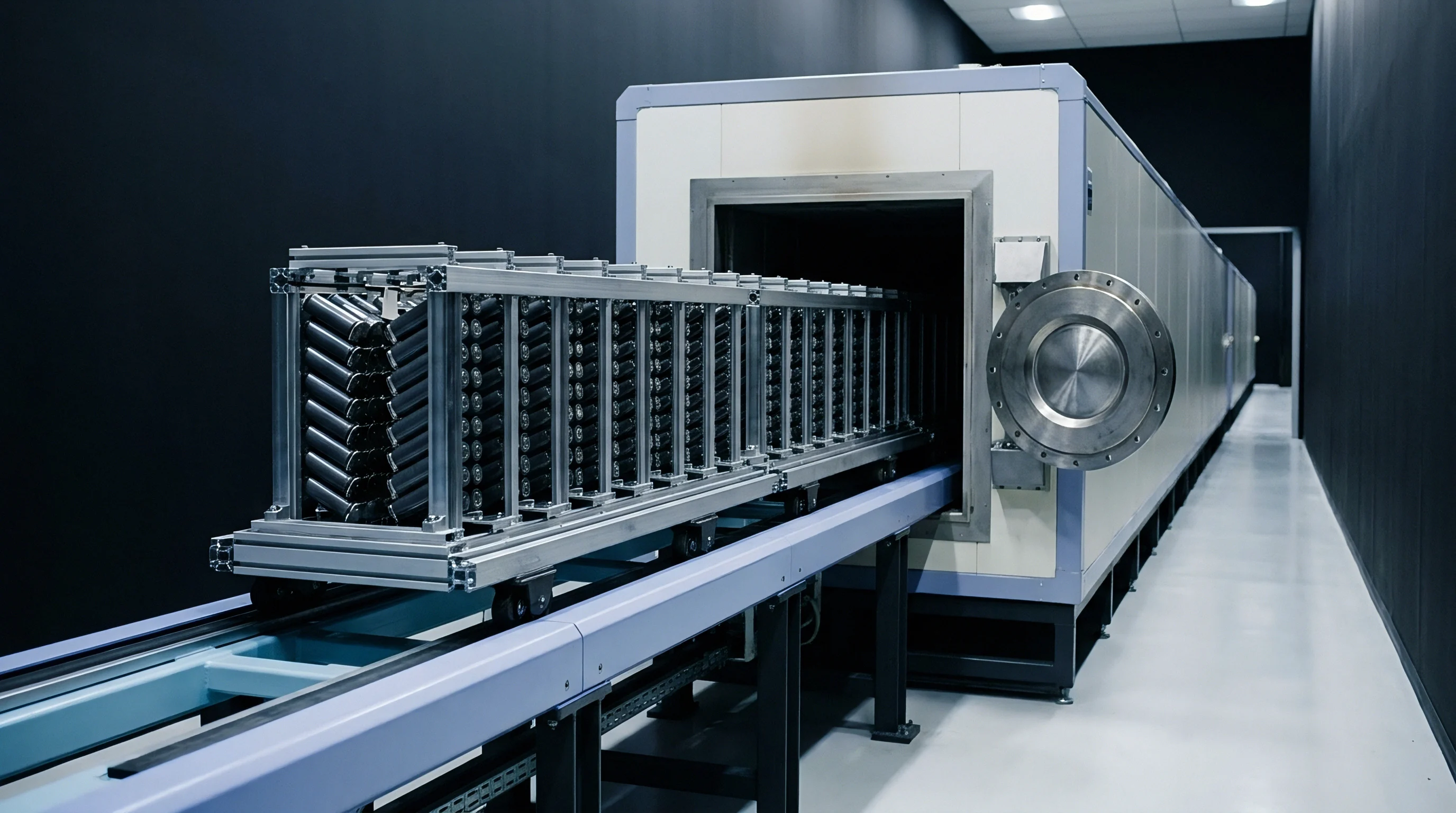
Processing credit memos for failed inventory requires clear operational milestones for physical transit and testing. Standard Return Material Authorization (RMA) procedures often allow cell vendors to hold credit issuance pending lengthy internal lab evaluations, making strict financial resolution timelines essential in contractual RMA terms.
Provisional credit clauses protect buyer cash flow during quality investigations. Contracts should mandate that suppliers issue provisional credit within 15 days of receiving formal defect notification and preliminary diagnostic data, with final credit adjustment occurring after joint root-cause analysis completes.
Scrap-in-place authorization eliminates unnecessary return freight for hazardous defective cells. Shipping damaged or micro-shorted units across international borders requires specialized dangerous goods packaging, certification, and high freight fees; contractual authorization to destroy confirmed defective units at certified local disposal facilities reduces logistical waste and environmental hazard.

Apportionment of Field Recall Expenses
Liability for product replacements extends beyond cell unit costs into logistics, labor, and disposal fees. When a latent micro-short triggers a safety recall across deployed battery systems, total damages escalate rapidly, making it vital for indemnification clauses to assign full financial responsibility for field corrective actions to the cell supplier.
Recall cost calculations encompass diverse operational expenditures, including customer notification campaigns, technician travel, specialized transport containers for damaged batteries, certified hazardous waste recycling, and replacement module manufacturing labor. Contract annexes should list all compensable recall line items explicitly.
- Direct Material Replacement Costs covering full purchase prices of replacement cells, module enclosure hardware, internal busbars, and replacement thermal interface materials.
- Field Service and Labor Reimbursement establishing fixed hourly rates for qualified technician travel, system removal, replacement installation, and site re-commissioning.
- Hazardous Logistics and Transit Premiums obligating suppliers to absorb specialized UN-certified dangerous goods shipping containers and freight surcharges for suspect batteries.
- Administrative and Legal Defense Coverage requiring cell manufacturers to indemnify buyers against third-party property damage claims and associated legal defense expenses.
Liability caps must reflect real-world commercial risk. Cell suppliers routinely push to cap contractual liability at 100 percent of the specific purchase order value, so importers must negotiate separate, elevated liability caps for latent defect indemnification ~ ideally backed by dedicated product liability insurance policies.

Subrogation and Warranty Reserves
Insurance underwriters assessing product liability risks demand clean documentation showing cell lot traceability. Product liability policies held by cell importers carry lower premiums when supply contracts contain robust supplier indemnification and subrogation rights, providing clear legal pathways for insurers to pursue manufacturers directly for recovery of paid claims.
Warranty reserve accounting directly impacts corporate profitability. Maintaining large financial reserves to cover un-indemnified latent cell defects ties up working capital and lowers reported earnings, whereas contractually secured supplier reserves ~ backed by standby letters of credit or corporate guarantees ~ allow buyers to optimize balance sheet allocations.
| Risk Event / Failure Scenario | Standard Vendor Terms | Negotiated Buyer Agreement | Financial Exposure Shift |
|---|---|---|---|
| Single Cell Latent Micro-Short | Replacement of cell unit only | Cell replacement plus module rebuild labor credit | Supplier absorbs pack re-work labor |
| Batch Micro-Short Defect Rate >1.0% | Unit-by-unit replacement as defects surface | Full lot rejection, full refund, scrap-in-place fee | Supplier absorbs full lot financial loss |
| Field Fire Caused by Cell Defect | Total liability disclaimer for consequential loss | Full indemnification for property damage and recall | Supplier insurance covers field damages |
| Customs Hold Due to Defect Quarantine | Buyer pays demurrage and storage fees | Supplier reimburses storage and port fees after 7 days | Supplier absorbs logistics delay costs |
Standby Letters of Credit (SLOC) provide financial security against foreign supplier default. Enforcing court judgments or arbitration awards against overseas cell manufacturers presents severe legal hurdles, so requiring suppliers to post an irrevocable SLOC issued by an international bank secures funds for potential latent defect claims.
Escrow retention mechanisms withhold final purchase order payments until quarantine and screening windows expire. Retaining 5 to 10 percent of total order value for 90 days past warehouse receipt provides immediate liquid funds to cover identified quality non-conformances without waiting for vendor credit approval.
Failing to define explicit reimbursement terms for assembly line teardown and safe field disposal leaves the pack integrator bearing total financial responsibility for cell-level manufacturing defects.