Meaning
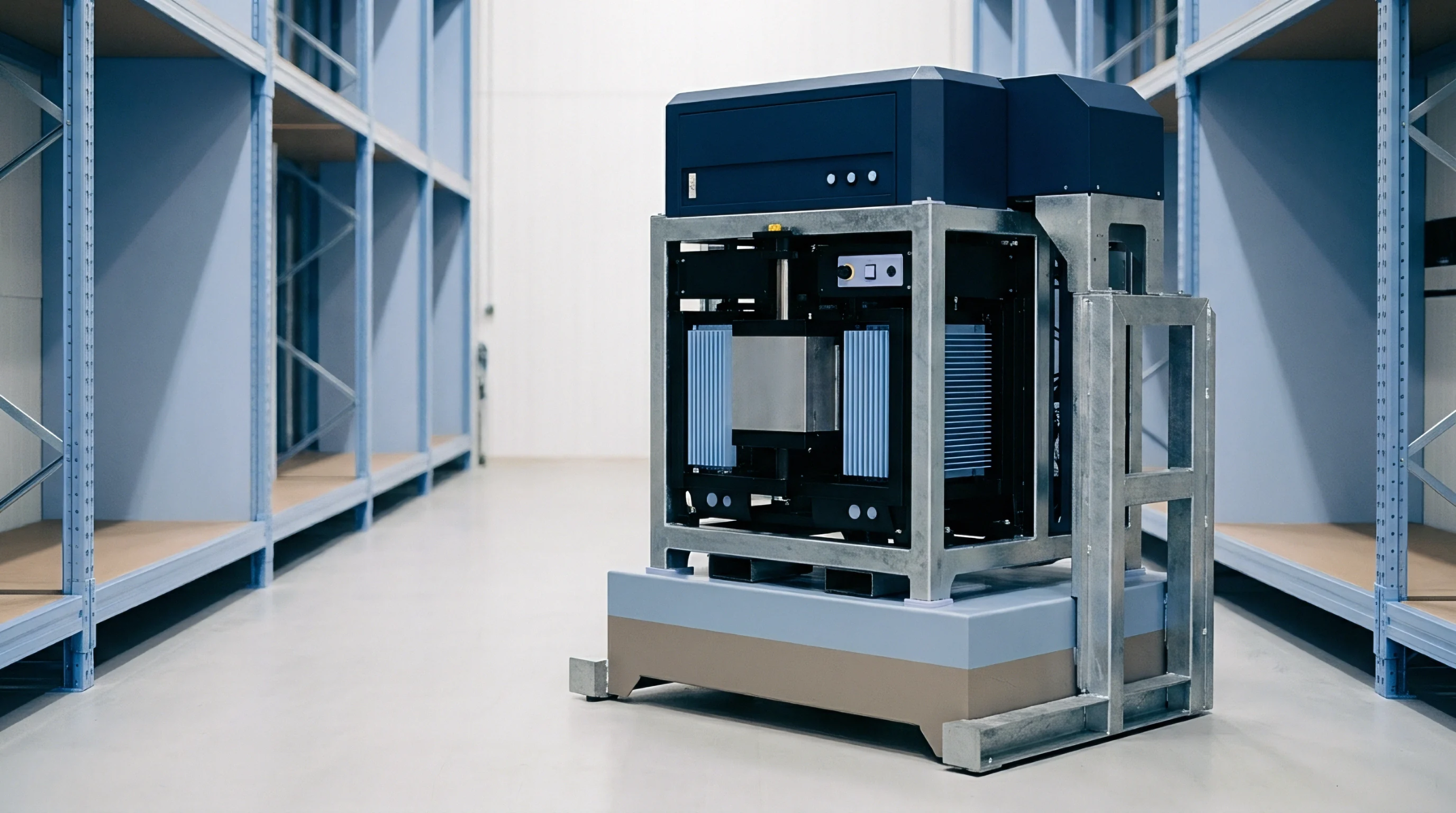
Geometric measurement records the physical displacement of battery cell surfaces during charge and discharge cycles. In situ deflection mapping captures these dimensional fluctuations to assess the health of internal components. Operators utilize this technique to detect excessive swelling which signals gas generation or structural degradation inside the pouch or prismatic housing.
External sensors provide high resolution data that links mechanical expansion to electrochemical performance. Precise monitoring prevents module failure by identifying cells prone to mechanical instability before the system reaches a critical state.
Measurement Mechanism
Displacement transducers attach to the face of a cell stack to track microscopic shifts in thickness during operation. High sensitivity gauges record the physical work performed by anode particles as lithium ions insert into the crystal structure. Each test cycle requires fixed boundary conditions to ensure the mechanical constraints remain constant throughout the duration of the scan.
Variations in expansion force occur when material integrity shifts during the life of the unit. These recorded values translate into thermal and chemical signatures that describe the internal physics of the architecture.
Operational Utility
Engineers apply this method to calibrate the mechanical pressure requirements for battery module assembly. Proper stack compression preserves the contact between layers while accommodating the natural volume changes inherent in high energy density chemistries. Tight tolerances protect the separator from mechanical stresses that induce short circuits under high current density.
Data from the process guides the design of enclosure materials to manage the forces exerted by the electrodes without compromising the form factor.
Safety Verification
Structural evaluation identifies non-uniform expansion which indicates localized faults in the active material. Discrepancies between individual cell profiles provide early notice of potential thermal runaway scenarios within the pack. Systematic tracking confirms the reliability of the safety features designed to contain high pressure events during an off-nominal condition.
Consistent movement patterns guarantee that the battery hardware operates within the established physical limits of the mechanical design.