Meaning
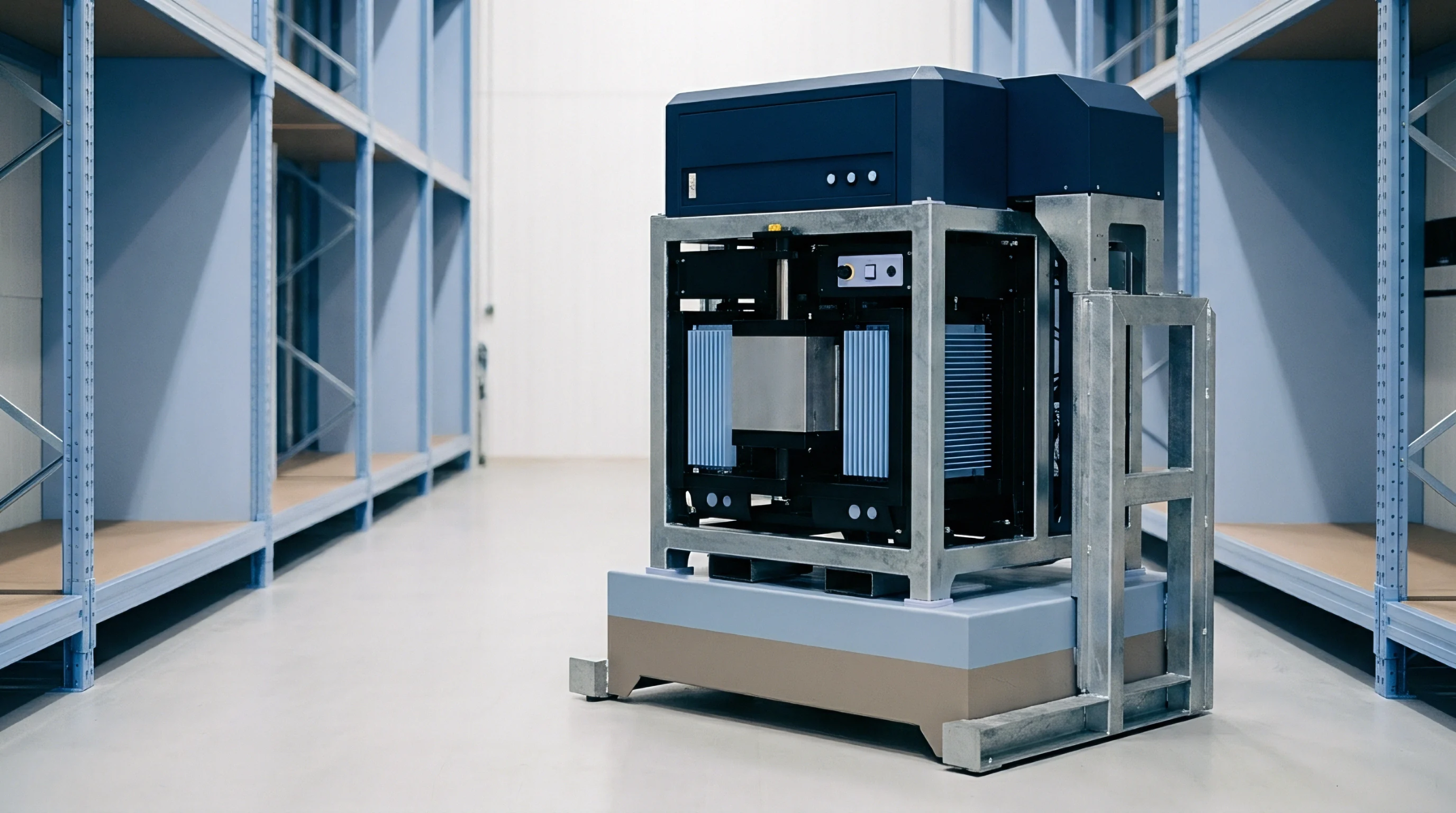
Characterization of electrochemical cells under rigid physical constraints that prevent any dimensional changes during charging and discharging cycles reveals the swelling forces generated by electrode expansion. This testing methodology, referred to as constant volume battery testing, measures the dynamic compressive force exerted by the cell against a rigid fixture. It governs the evaluation of cell expansion behavior and provides critical data for the design of module restraint systems.
The testing is conducted within highly stiff load frames that prevent displacement of the cell surfaces.
Force Generation
Electrode swell during lithium insertion generates considerable mechanical force when the cell is prevented from expanding. During constant volume battery testing, these forces are continuously recorded by a load cell positioned in the physical load path. The resulting force-state of charge curves are highly sensitive to the cell chemistry and the rate of charge.
Sourcing engineers analyze this force data to ensure that the chosen cells will not generate forces that exceed the structural limits of the module housing.
Testing Apparatus
Highly rigid load frames and precise temperature chambers are required to maintain a constant gap between the compression plates. Even minor deflection of the test fixture can introduce serious measurement errors by allowing the cell to expand. The testing apparatus must utilize closed-loop displacement control or massive steel frames to minimize compliance.
This mechanical stiffness ensures that the force recorded is solely due to the electrochemical processes within the cell.
Sourcing Influence
Procurement specifications for automotive battery cells frequently demand force data generated under these rigid test conditions. By comparing different cells under constant volume battery testing, buyers can assess the mechanical durability and aging characteristics of each supplier’s technology. This comparison is critical for selecting cells that can be safely packaged into compact, high-density modules.
Sourcing teams rely on these test results to make informed purchasing decisions that minimize pack-level structural costs and optimize the overall weight of the vehicle’s battery enclosure.