Meaning
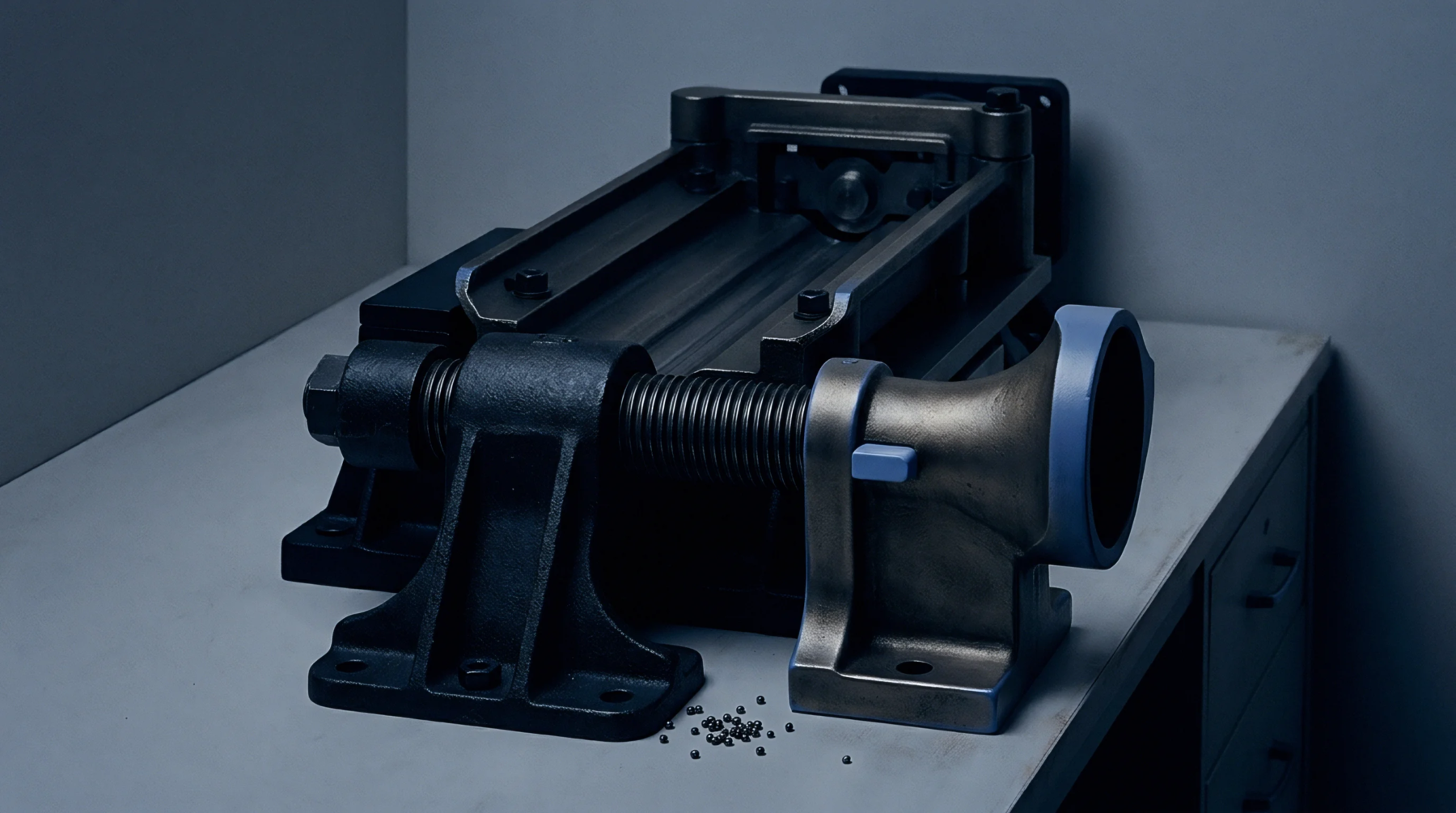
Mechanical force exerted by the layers of a battery cell against the outer casing or adjacent layers increases during charging as the electrode materials expand within the fixed volume. A balanced compression level is necessary to keep the active materials in good contact with the current collectors. This internal stack pressure affects the rate of chemical reactions and the lifespan of the electrochemical device.
It governs the mechanical design of the cell and the selection of the separator material. The measurement of this force stops being relevant once the cell housing has ruptured or the compression is lost.
Mechanical Load
Compression of the internal components ensures that ions have a short and direct path between the anode and the cathode. When internal stack pressure is too low, the gap between layers can grow, which increases the internal resistance and reduces power output. Conversely, excessive pressure can squeeze the electrolyte out of the separator or cause mechanical damage to the electrodes.
The force changes dynamically as the battery is used, reaching its peak when the cell is at a full state of charge. Housing designs must be strong enough to contain these forces without bowing or cracking. Spring loaded assemblies are sometimes used in large modules to maintain a constant load.
Performance Degradation
Changes in the physical contact between layers can lead to uneven current distribution and localized aging. If the internal stack pressure is not uniform across the surface of the electrode, some areas will work harder than others. These high stress zones will experience faster capacity fade and may become sites for lithium plating.
This plating can grow into dendrites that eventually pierce the separator and cause a short circuit. Maintaining the correct pressure helps ensure that the entire volume of the cell contributes equally to the energy storage. Monitoring the thickness of the stack over time provides a metric for the structural health of the battery.
Housing Design
Enclosures for prismatic and pouch cells are engineered to provide the specific amount of support needed to optimize performance. Within the cell, the internal stack pressure is a primary factor in determining the thickness of the metal or plastic walls. Thicker walls can withstand higher pressures but add weight and cost to the final product.
Some designs use external plates and bolts to apply pressure to the cells after they are assembled into a module. This external reinforcement allows the individual cell cases to be thinner and lighter. Engineering teams use finite element analysis to simulate how the pressure will be distributed under different operating conditions and temperatures.