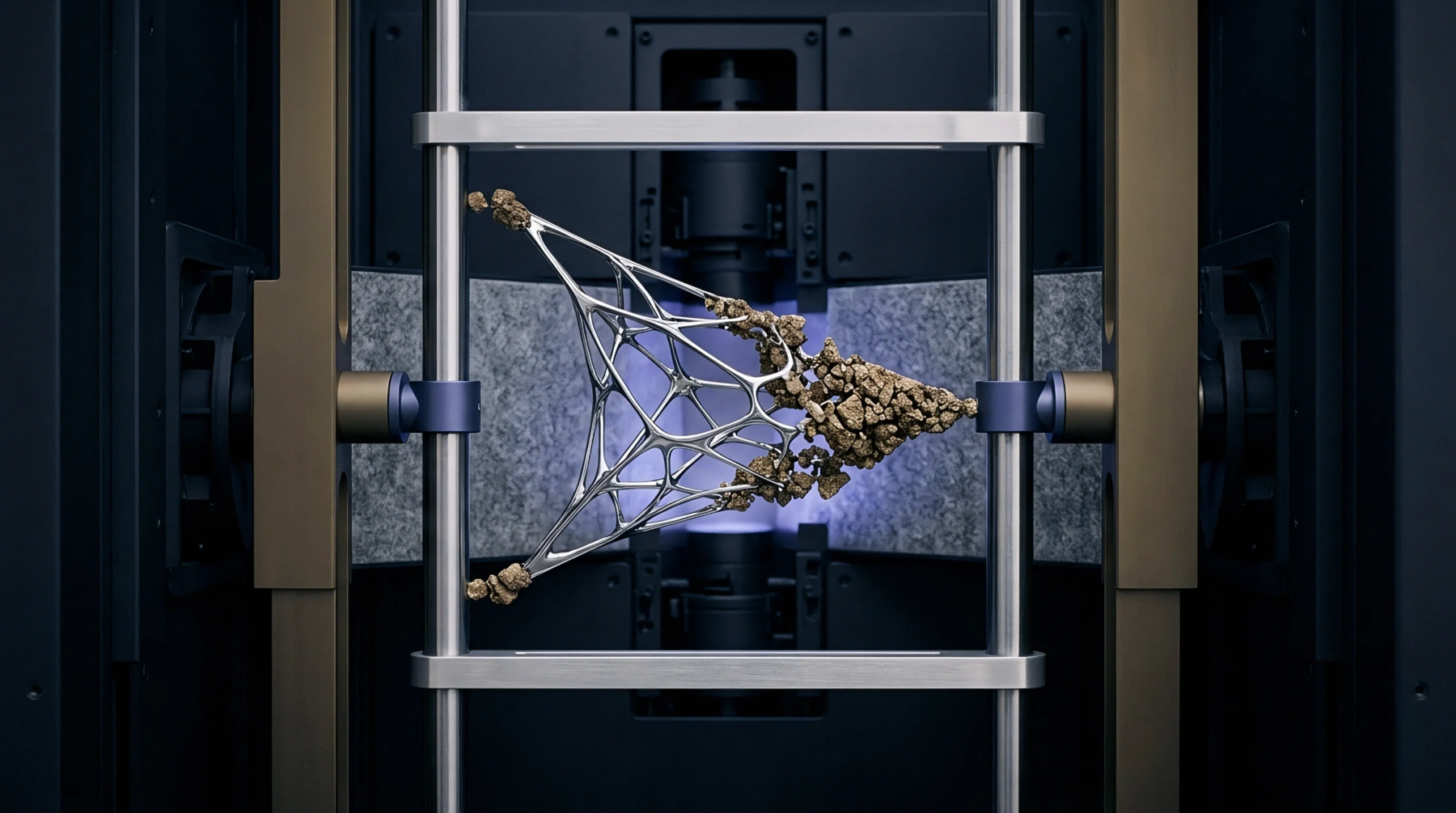
Meaning
Tempered surfaces in contact with an electrochemical cell must maintain a constant thermal profile. Integrating an isothermal platen into a test station prevents temperature gradients from affecting cell performance. Internal fluid channels or electric heating elements regulate the surface temperature within tight tolerances.
By ensuring the cell surface remains at a constant temperature, the plate allows for accurate measurement of heat generation. Effective control is limited to the temperature range of the circulating medium.
Thermal Uniformity
Thermal uniformity prevents the formation of hot spots that could trigger premature cell aging. Using an isothermal platen ensures that every part of the cell face remains at the same temperature.
Mechanical Interface
Mechanical interface supports the application of uniform pressure to the cell during cycling. Laboratory protocols use an isothermal platen to mimic the constrained environment of a module. The plate must be stiff enough to resist bending when the cell expands against it.
This combination of thermal and mechanical control is required for high precision calorimetry. Fluid flow rates are adjusted to compensate for the exothermic heat of the reaction.
Precise Control
Precise control relies on external recirculating chillers or PID controllers. An isothermal platen maintains the target setpoint by circulating tempered fluid through internal channels.