Meaning
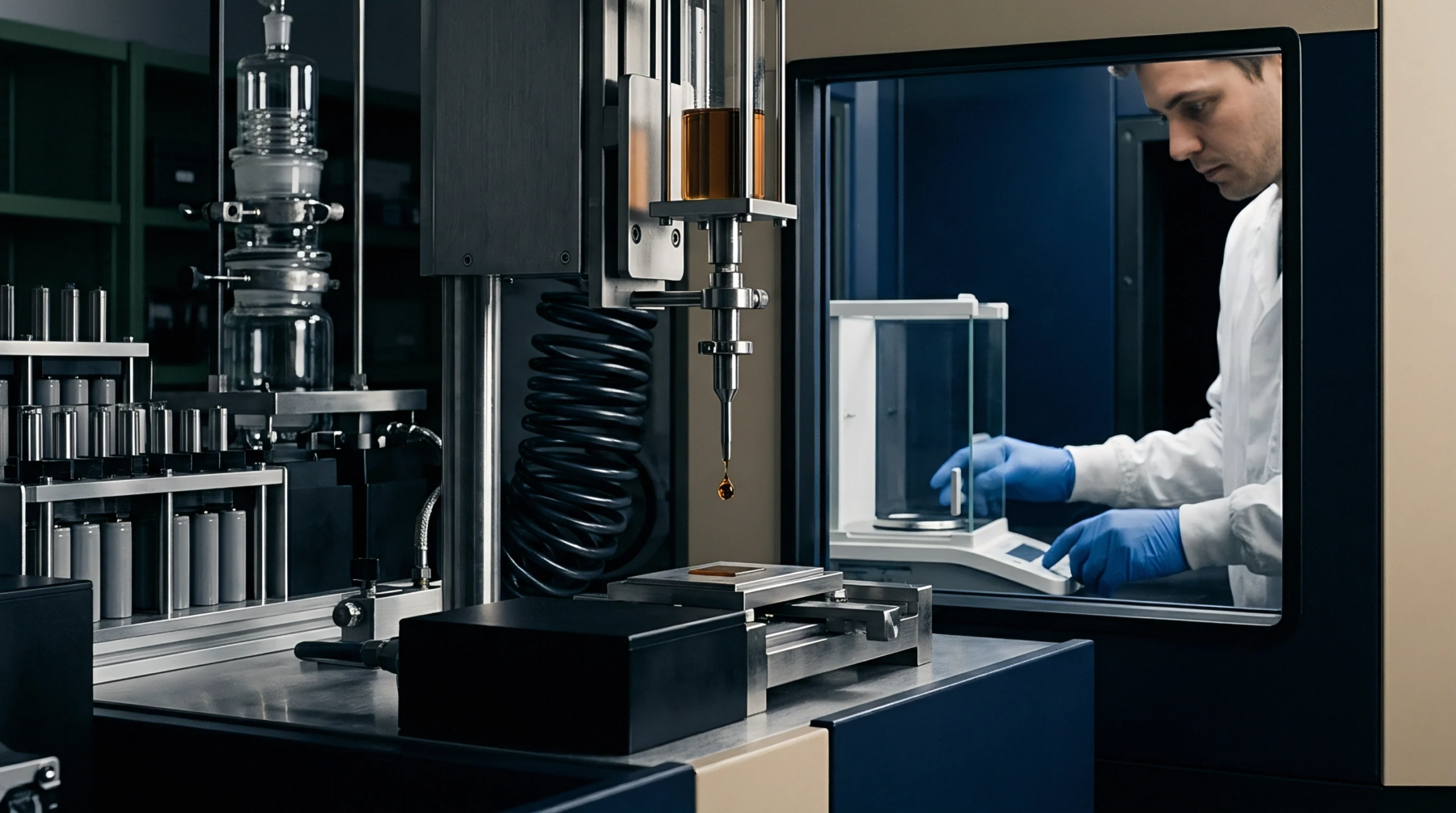
Automated fluid application systems measure and blend multi-component reactive resins in precise proportions before extruding them onto a target surface. This process of meter mix dispensing is essential for applying two-part epoxies and silicones that cure upon contact. It ensures that the catalyst and base material are combined in the correct ratio to achieve full polymerization.
The process is used in electronics assembly, battery pack sealing, and structural bonding.
Ratio Control
Accurate ratio control is maintained by synchronized positive displacement pumps that drive each component independently. Any deviation from the specified mix ratio can cause incomplete curing, resulting in soft spots or reduced mechanical strength. Modern equipment utilizes continuous monitoring systems to verify that the pressure and flow rate of both fluid lines remain within tight tolerances during the dispensing cycle.
This feedback loop prevents defective parts from moving down the assembly line.
Mixing Integration
Homogeneous blending occurs in a static or dynamic mixing nozzle located just upstream of the application point. The static mixer uses a series of internal baffles to split and recombine the fluid streams repeatedly. This mechanical splitting creates a uniform mixture without introducing air bubbles.
Dynamic mixers are preferred for materials with high viscosity differences or wide mixing ratios, using a rotating element to force the components together.
Process Automation
Integration with robotic gantries allows the mixed material to be deposited in complex patterns. The dispensing head moves along pre-programmed paths to apply continuous seals or potting compounds.