Meaning
Identification of the chemical compounds released during early-stage battery degradation provides a direct warning of internal cell failure. This evaluation method, known as off-gas analysis, utilizes gas chromatography and mass spectrometry to detect trace volatile organic compounds. It operates as an essential safety diagnostic during laboratory abuse testing of new cell designs.
Technical Execution
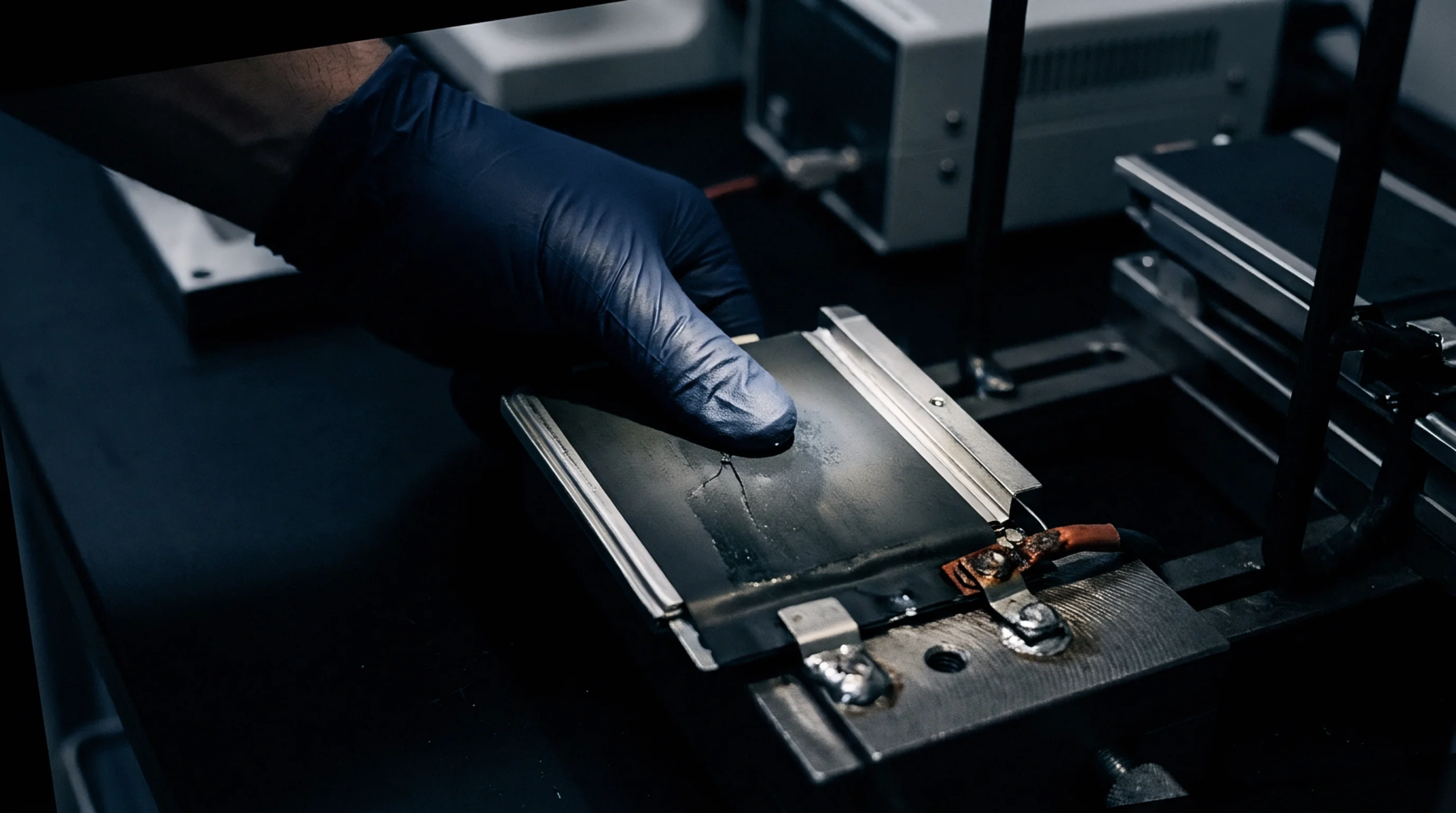
Vapor extraction occurs during simulated failure tests where cells are heated or overcharged inside a sealed test chamber. The gas stream is routed to analyzer columns where the chemical constituents are separated and identified, providing the basis for off-gas analysis. These analyzers track the generation of toxic and flammable gases like carbon monoxide and hydrogen.
This detailed profile allows safety engineers to design appropriate ventilation systems and thermal runaway detection algorithms for the vehicle cabin.
Venting Event
Gaseous emissions increase when the internal pressure of the cell ruptures the safety vent. By performing off-gas analysis, developers can identify the temperature at which the electrolyte solvent starts to boil and escape. This data is used to adjust the chemical composition of the electrolyte, such as adding co-solvents that raise the boiling point.
Sourcing Metric
Sourcing teams utilize gas emission reports to compare the safety profiles of candidate cell suppliers. Choosing cells that release fewer toxic compounds during a thermal event reduces the requirements for pack-level venting systems, lowering the total cost of the battery enclosure. This selection process protects both the end users and the manufacturing facility from hazardous chemical exposures.