Meaning
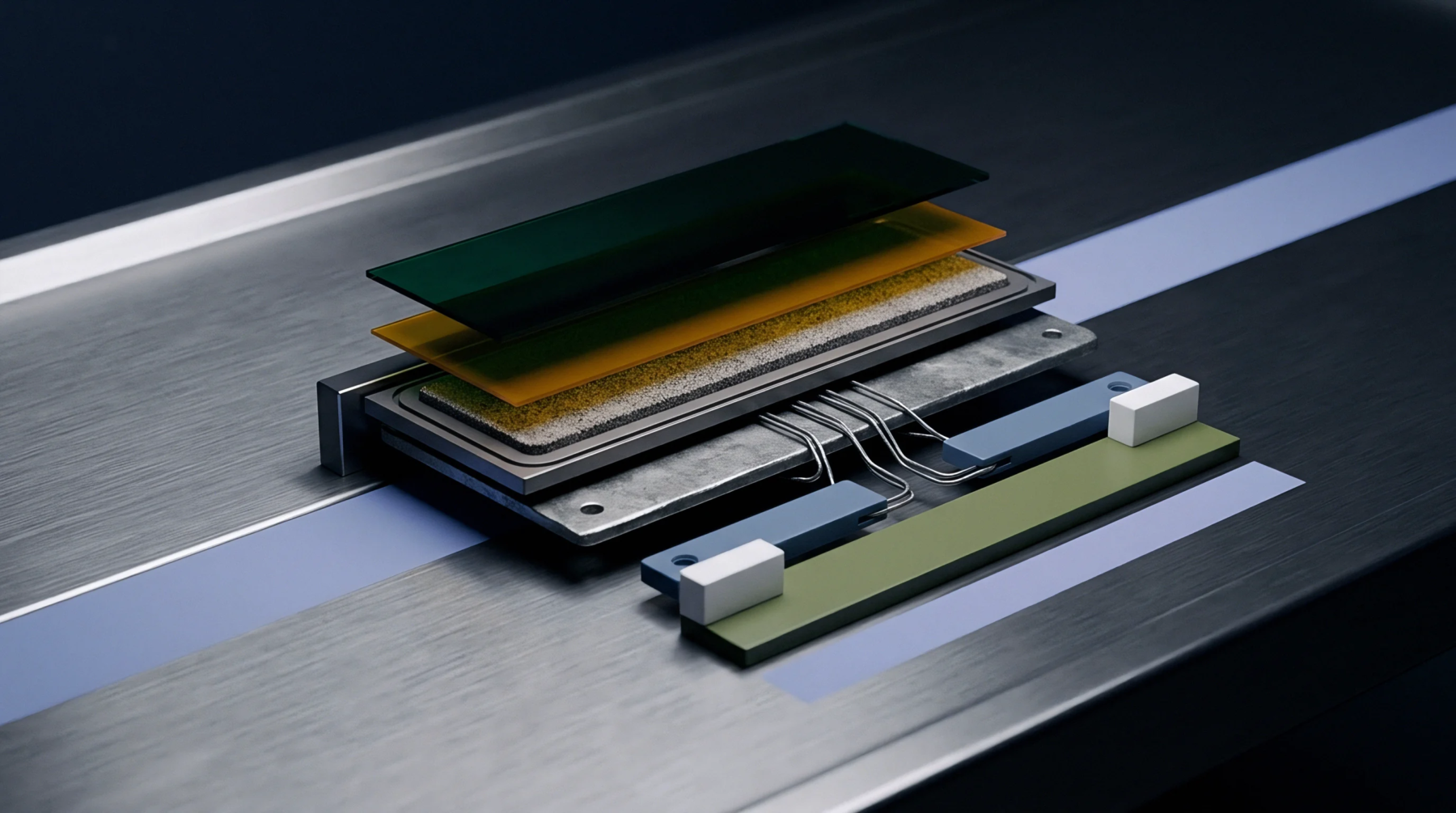
Precision timing components maintain frequency stability through thermal isolation of a piezoelectric resonator. An oven controlled crystal oscillator relies upon an internal heating element and a proportional temperature control circuit to keep the quartz blank at a constant, elevated set point above the maximum ambient environment. This steady thermal state reduces frequency drift caused by environmental fluctuations, ensuring that the output signal remains locked to a specific reference.
The device operates where high phase noise performance and frequency accuracy are necessary for telecommunications, test instrumentation, and satellite navigation systems.
Thermal Regulation
Heat transfer management dictates the construction of the internal housing. A thermal bridge connects the crystal unit to a sensing thermistor while vacuum seals or low conductivity materials provide insulation from external air movement. If the control loop fails, the device loses its frequency lock and drifts according to the natural temperature coefficient of the quartz blank.
High quality units implement multi-stage ovens to separate the sensing electronics from the heating element. Precise temperature control allows these components to reach stabilities surpassing that of standard crystal units by several orders of magnitude.
Power Requirements
Electrical demands remain substantial compared to simpler timing architectures. Active heating elements draw significant current until the component reaches the operating temperature, causing a spike in power usage during the warm-up sequence. Once the thermal equilibrium arrives, the power consumption drops to the level required for sustaining the internal temperature against heat loss.
Designers must consider this draw when integrating the component into portable or battery-constrained hardware architectures. Total consumption reflects the insulation quality and the temperature gradient between the set point and the outside surroundings.
Operational Limits
Frequency accuracy remains bounded by the long-term aging characteristics of the quartz crystal itself. Manufacturer specifications typically define the maximum permissible shift over periods of one year or ten years, which establishes the absolute life cycle performance. Calibration at the point of manufacture sets the initial frequency offset relative to a primary atomic standard.
Beyond this initial calibration, aging processes within the quartz lattice impose an unavoidable limit on how long the device retains its original specification. The reliability of these units depends upon the integrity of the vacuum seal protecting the crystal from atmospheric contamination.