Meaning
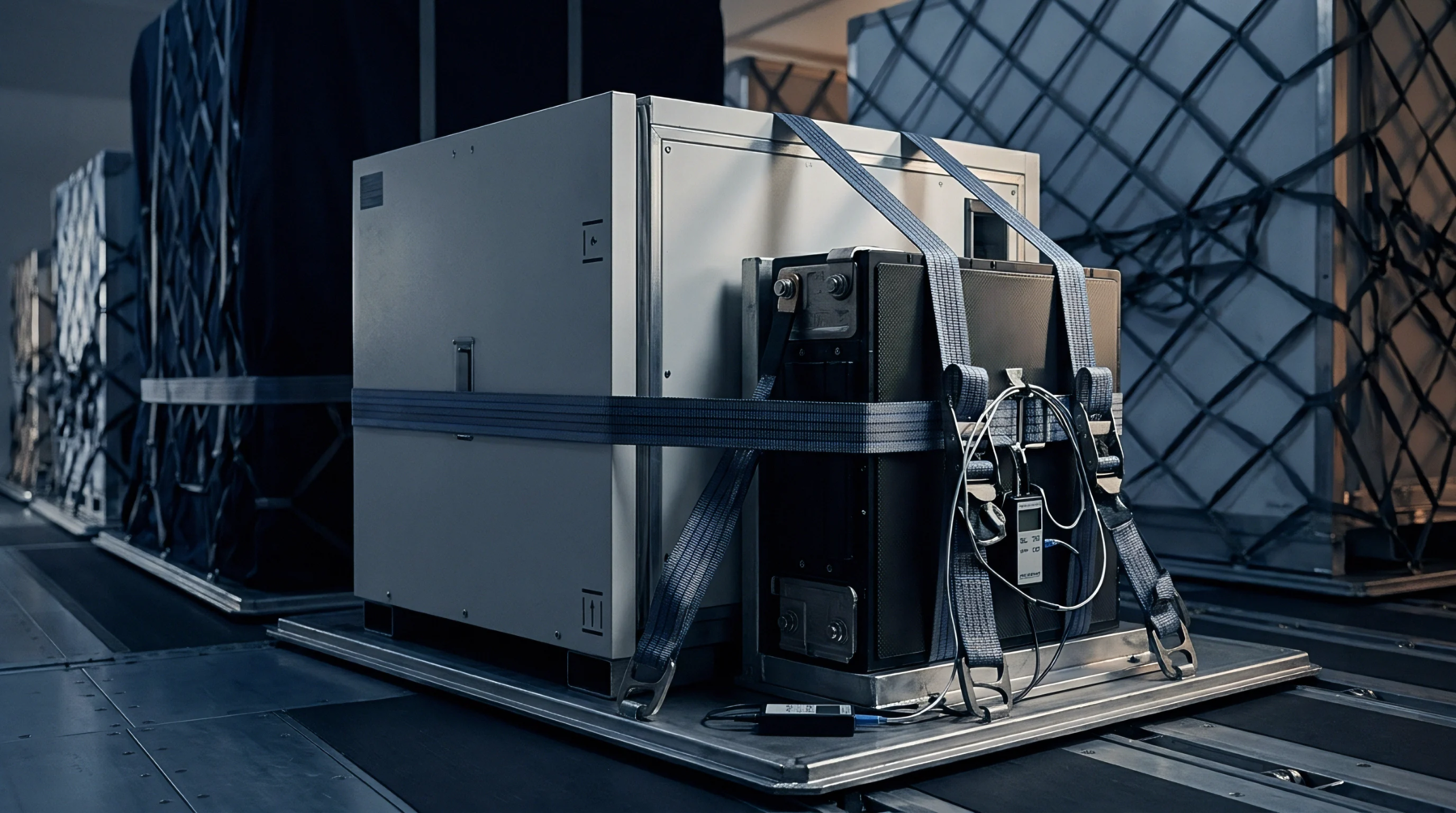
Lithium battery regulation defines the specific conditions for shipping standalone rechargeable cells and batteries by air when they are not contained in or packed with equipment. The packing instruction 968 governs the consignment of lithium ion cells and batteries under the International Air Transport Association dangerous goods regulations. Consignments compliant with this mandate must meet testing requirements derived from the united nations manual of tests and criteria.
Section one applies to fully regulated shipments while section two addresses smaller consignments exempt from specific documentation but still restricted by state and operator variations.
Shipping Compliance
Carriers classify these energy storage components as class nine dangerous goods during transit. The packing instruction 968 necessitates that the outer packaging provides sufficient physical protection to prevent damage during flight. Packages must withstand a drop test from a specific height to ensure integrity under transport conditions.
Operators verify that each shipment avoids proximity to flammable materials or sources of heat within the cargo hold.
Testing Verification
Lithium ion cells and batteries require evidence of successful passage through the testing regime established by the united nations. Each manufacturer provides a test summary document detailing performance across various environments like altitude simulation and thermal cycling. Documentation serves as proof that the internal architecture resists short circuits or ignition under stress.
Laboratories perform these tests according to established criteria to validate the safety of the chemical composition.
Weight Restriction
Consignors calculate the total net mass of cells or batteries per package to determine if the load exceeds the limit allowed by the regulation. Exceeding these mass limits forces the shift from the relaxed requirements of section two to the more rigorous standards of section one. Heavy consignments necessitate detailed dangerous goods declarations and specific hazard labelling on the exterior of the container.
Proper mass estimation prevents logistical delays and ensures adherence to the weight thresholds established for safe aircraft operations.