
Managing State of Charge Declarations for Lithium Ion Sea Freight
Verify cell voltage stability after relaxation to certify thirty percent state of charge limits on dangerous goods ocean shipping manifests.
Verify cell voltage stability after relaxation to certify thirty percent state of charge limits on dangerous goods ocean shipping manifests.

GC-SIM calibration for battery permeation quantifies trace solvent leaks, proving cell hermetic containment to satisfy transport regulations and warranty specs.

Penalties issued to non-resident cell manufacturers default onto domestic importers because foreign courts refuse to enforce extraterritorial administrative fines.

Cross-border battery transport requires verified UN 38.3 test summaries, sub-30-percent aviation charge limits, and modal UN packaging marks to clear customs.
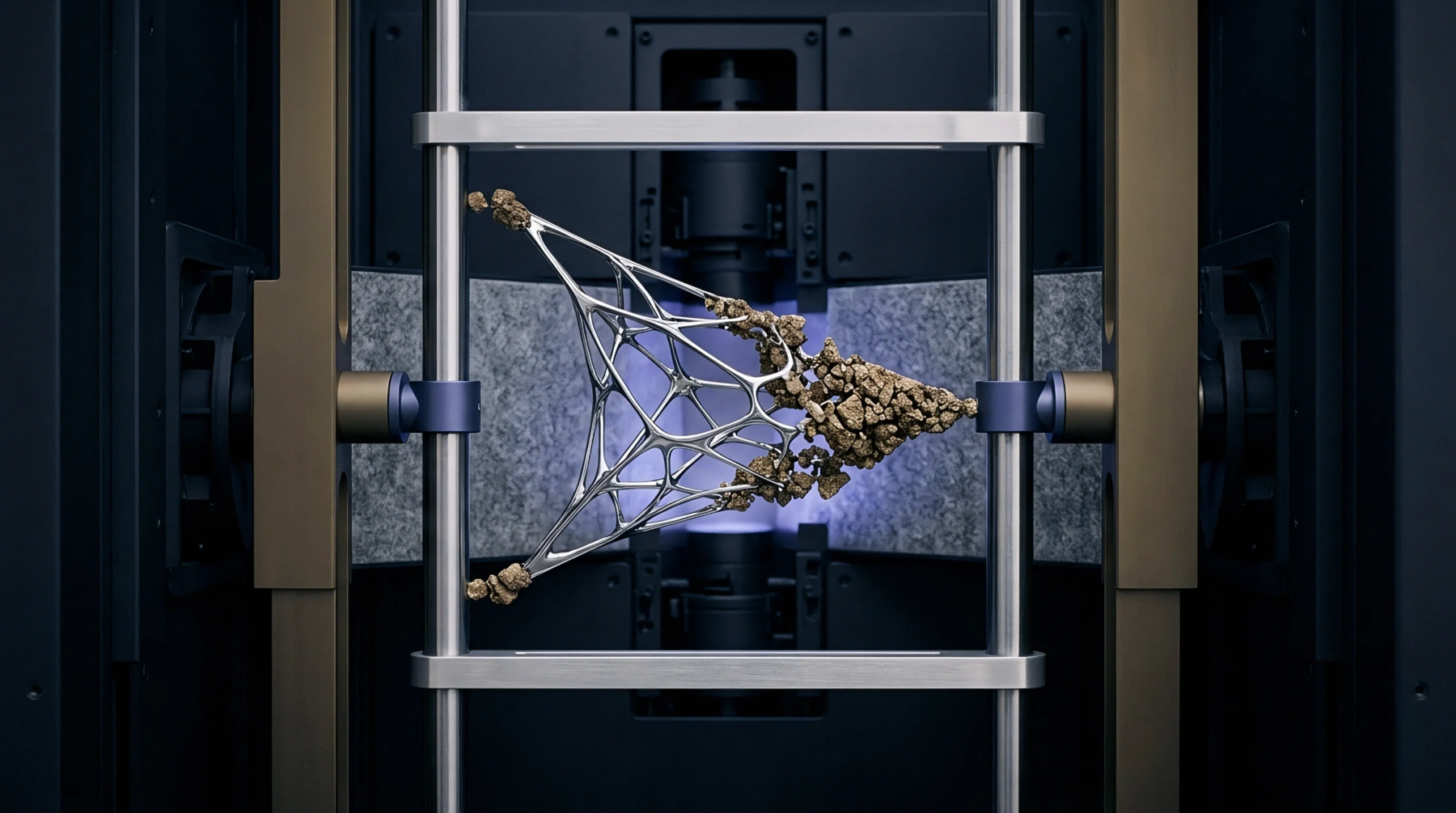
Regularized spatial matrix inversion reconstructs internal cell gradients from boundary sensors while suppressing noise amplification on embedded hardware.

UN 38.3 caps transport mass loss at 0.5% for cells under 1g, 0.2% up to 75g, and 0.1% above 75g, evaluating solvent containment across tests T.1 to T.5.

Inbound cell receiving mandates thermal quarantine, UN 38.3 documentation verification, four-wire impedance sampling, and strict AQL defect thresholding.

Legal importers face strict liability and full financial recall exposure for cell shipments backed by unaccredited subcontracted UN 38.3 transport test schedules.

Importers lower hazardous cargo clean-up liability by structuring purchase escrows and drafting explicit hazardous waste indemnities.
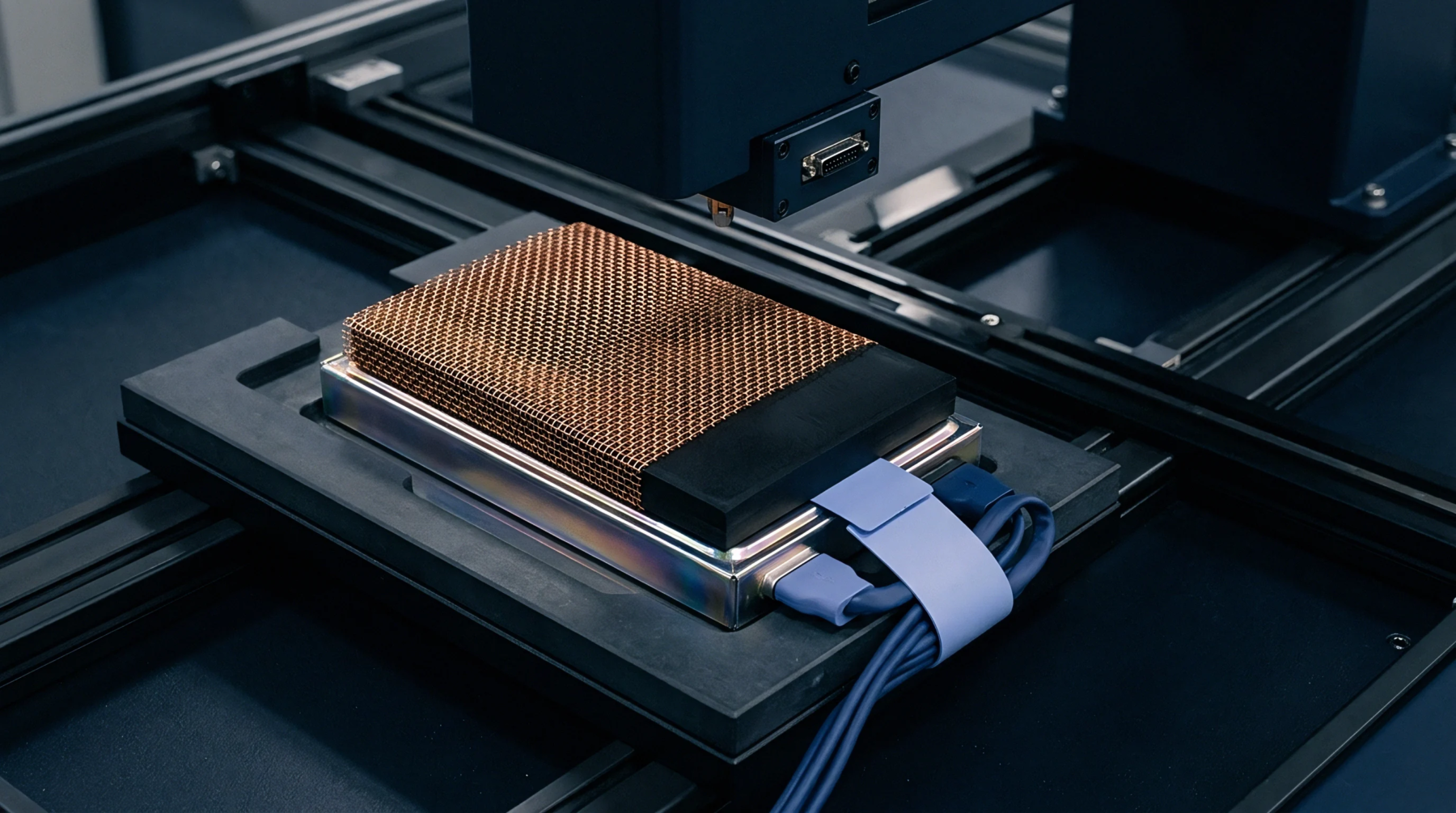
Air freight clearance for lithium batteries demands a fully compliant UN 38.3 test summary matching cell serials, state of charge, and IATA packing rules.

Reconciling module test reports with final pack enclosure safety documentation requires mapping insulation resistance, UN 38.3 metrics, and transport state-of-charge data.

Align UN 38.3 test summary model numbers, watt-hour ratings, and test editions with carrier booking forms to prevent cargo rejection and terminal demurrage fees.

Validating UN 38.3 transport test summaries requires verifying ten specific data fields against accredited laboratory reports before cargo tender.

Pouch cell heat seals require precise thermal pressing and non-destructive inline acoustic or helium screening to prevent micro-void leaks during transit.
Non-compliant battery seizures trigger compounding port detention, equipment demurrage, statutory fines, and hazmat destruction costs exceeding cargo value.

Freight forwarder intake controls verify UN 38.3.5 test summaries by cross-referencing cell parameters, laboratory accreditation, and physical cargo markings
Expertise is a utility, not a secret. sentiention™ publishes its working knowledge as open reference: intelligence layer covering the materials it sources, the markets it enters, and the reference that serves both.