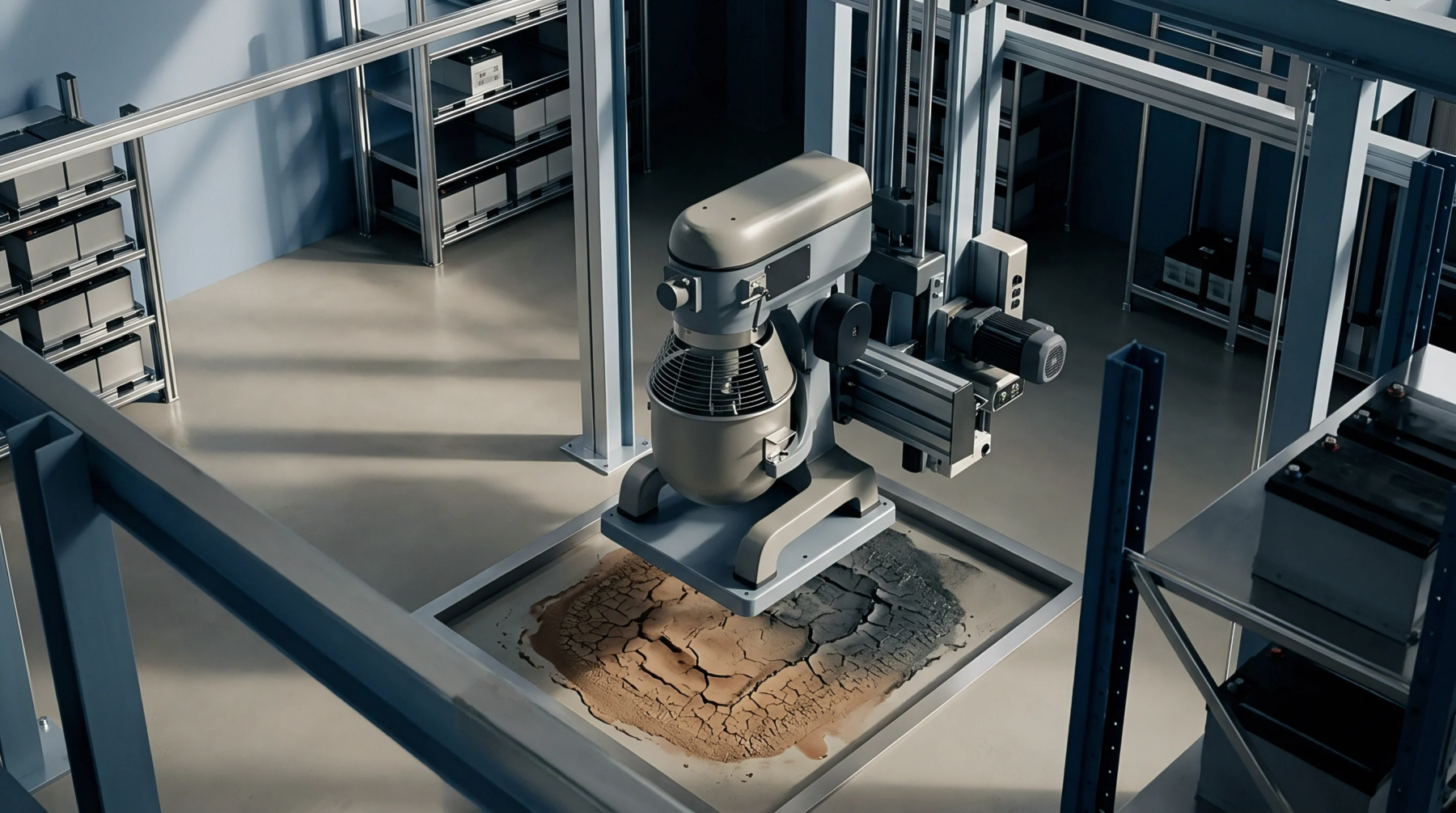
Meaning
Small crystalline domains enlarge during the high-temperature synthesis of active battery materials. This process involves the coalescence of atoms into larger ordered structures that form the basic building blocks of electrode particles. Primary crystallite growth determines the internal grain boundary density and the distance ions must travel to reach the surface.
Synthesis Temperature
Heating precursors in a kiln facilitates the diffusion of elements into a stable crystal lattice. Excessive primary crystallite growth results in large grains that may trap ions, reducing the usable capacity of the battery.
Morphology Control
Adding specific dopants can pin the grain boundaries to prevent unwanted expansion during the firing stage. Fine control over primary crystallite growth allows manufacturers to optimize the balance between surface area and structural integrity.
Performance Impact
Small grains provide more pathways for rapid ion movement but increase the surface area exposed to the electrolyte. If primary crystallite growth is not managed, the resulting material may suffer from higher side reactions and shorter lifespan. Large crystallites offer better resistance to chemical attack but struggle with the mechanical stresses of cycling.
The choice of grain size depends on whether the final battery is intended for long life or high power. Optimizing this growth phase is a fundamental step in cathode production.