Meaning
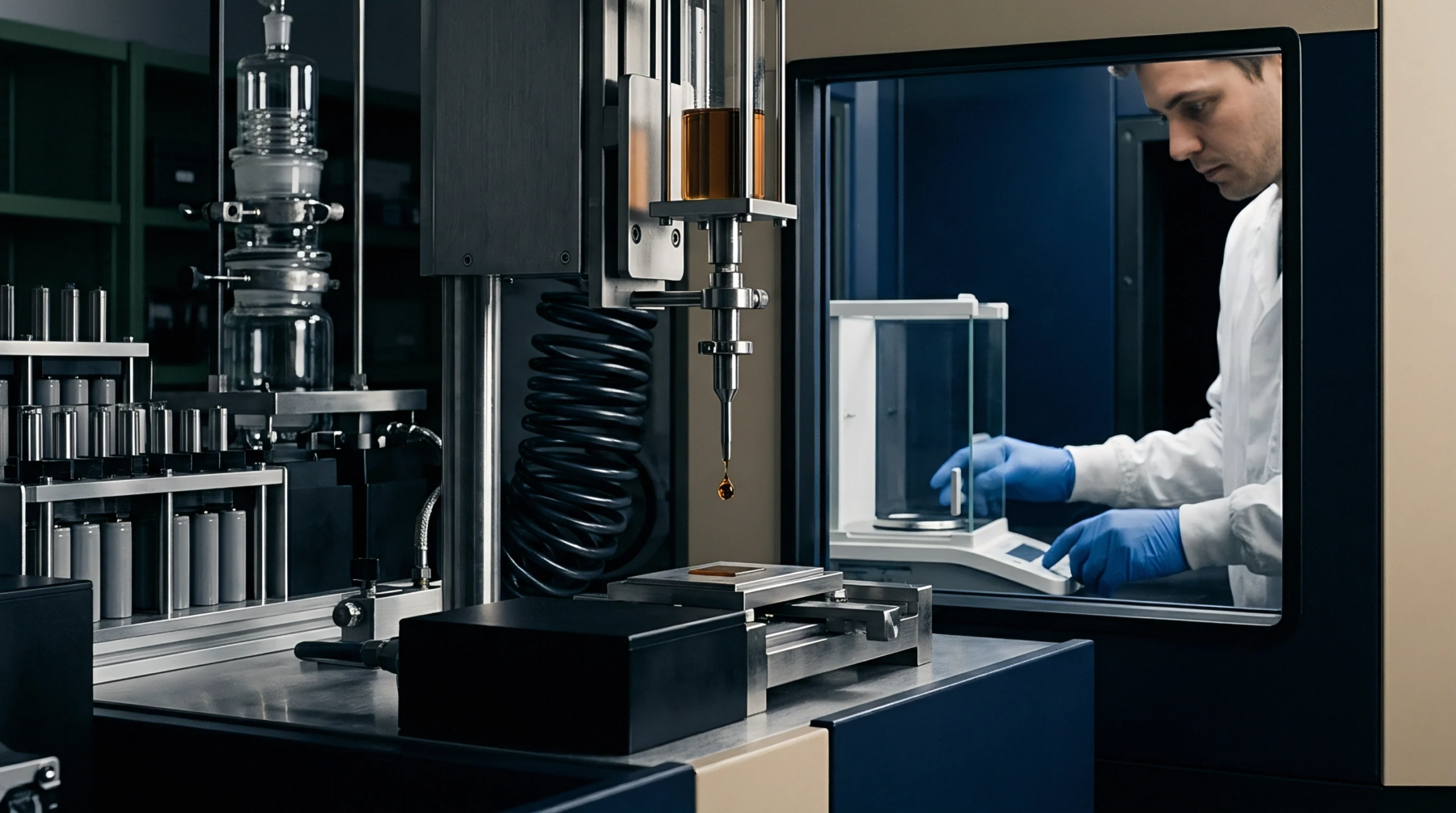
Method of reducing pressure spikes and flow fluctuations caused by reciprocating positive displacement pumps during fluid transport. Effective pulse dampening ensures that a steady, continuous stream of fluid reaches the nozzle, preventing deposit variations. This process is essential when applying high-precision lines of gap fillers or electrolytes where dose uniformity determines product quality.
Attenuation Mechanism
A compressible gas chamber or a flexible elastomer diaphragm is positioned directly in the fluid line to absorb excess pressure during the pump stroke. This pulse dampening occurs when the diaphragm expands to store fluid energy temporarily and releases it during the pump refill cycle. Mechanical compliance smooths out the severe peaks and troughs that characterize piston or peristaltic pumping systems.
Maintaining the correct pre-charge pressure in the dampener ensures that the mechanical compliance matches the operating pressure of the fluid.
Equipment Protection
Reducing pressure spikes prevents mechanical fatigue in the delivery lines and pump seals. It extends hardware life.
Flow Stability
Consistent fluid pressure allows the dispensing valve to release precise amounts of material without dripping or tailing. It prevents the surging that often causes over-dispensing at the start of a bead. This stability is required to maintain the strict dimensional tolerances specified for cell bonding processes.