Meaning
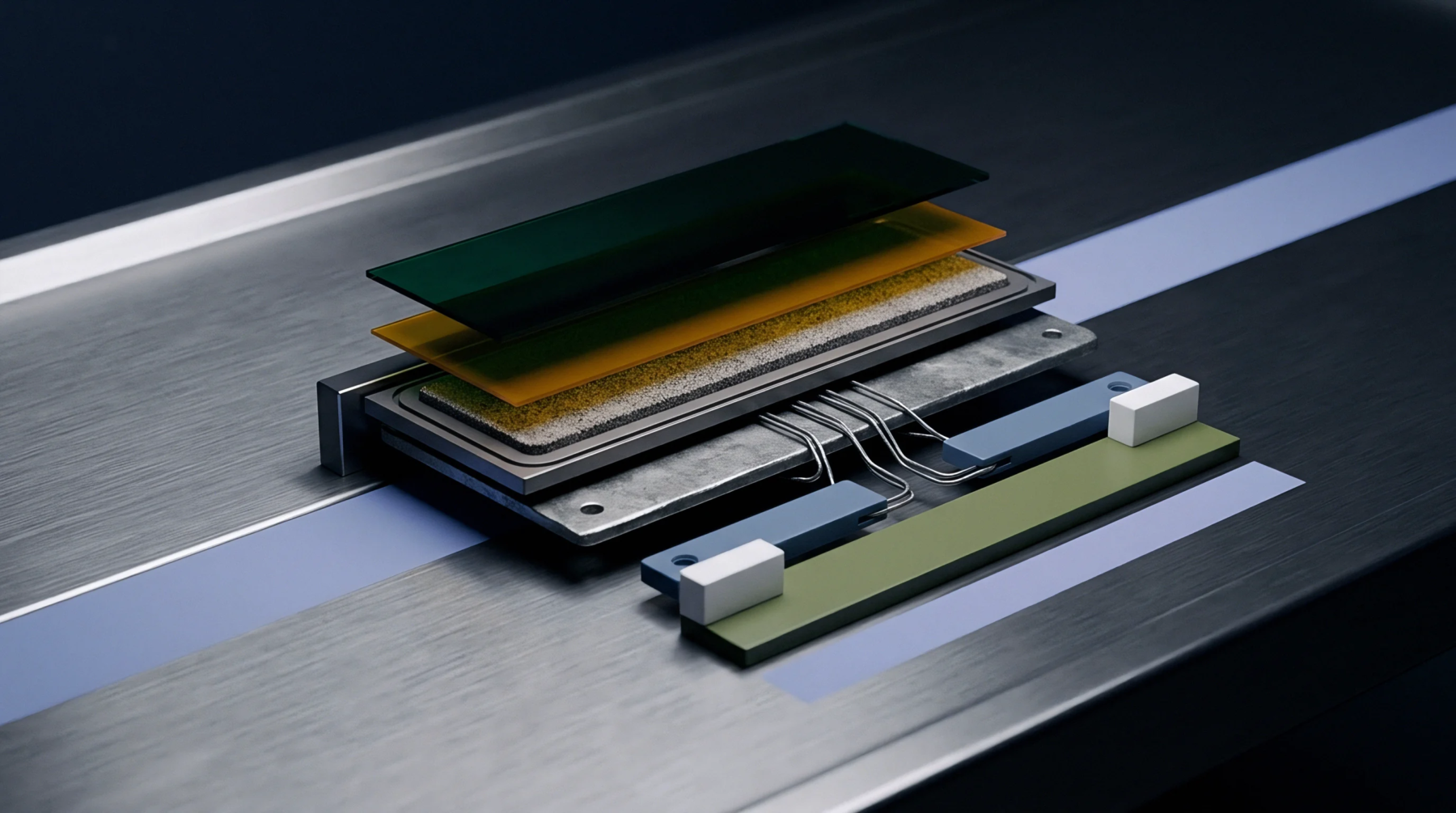
Quartz crystal oscillator incorporates an internal analog temperature sensor and a correction network to stabilize output frequency against thermal fluctuations in portable electronic hardware. A temperature compensated crystal oscillator counteracts the natural frequency drift of quartz resonators by injecting an opposing reactance into the oscillator circuit as ambient conditions change. Piezoelectric frequency sources require this thermal compensation strategy whenever deployment environments experience wide operating swings that would otherwise degrade clock accuracy beyond system tolerances.
Precise timing references govern synchronization protocols in telecommunication transceivers, global navigation satellite system receivers and cellular base stations where frequency stability directly affects channel allocation.
Thermal Drift
Quartz exhibits a cubic frequency temperature curve that shifts output by several parts per million across standard operating ranges without corrective intervention. A temperature compensated crystal oscillator minimizes this parabolic or cubic deviation by generating an analog correction voltage from a calibrated thermistor resistor network. Circuit designers map individual resonator characteristics during production testing to determine the specific compensation voltage curve required for a target frequency band.
Resistor divider networks scale the thermistor output across discrete temperature segments to approximate the inverse of the crystal frequency curve with high fidelity.
Power Consumption
Active analog compensation networks draw direct current from the host power supply, introducing an operational trade off between frequency stability and battery endurance in portable devices. A temperature compensated crystal oscillator typically demands between one and ten milliamperes of supply current depending on the oscillator frequency and internal circuit complexity. System integrators evaluate this parasitic draw against overall energy budgets in battery powered telemetry units and handheld instrumentation.
Thermal sensors and analog linearization circuits must remain energized continuously to maintain frequency stability, preventing the implementation of aggressive sleep states within the timing module.
Output Frequency
Nominal frequency accuracy for a temperature compensated crystal oscillator generally falls within plus or minus zero point five to plus or minus five parts per million over the specified operating temperature range. Commercial procurement specifications define this stability limit alongside aging rates and supply voltage sensitivity to ensure reliable long term operation in target applications. Frequency adjustment pins permit external calibration during assembly to correct for initial manufacturing tolerances and long term quartz aging phenomena.
Finished oscillator modules deliver stable clock signals to radio frequency mixing stages and digital signal processors regardless of external thermal gradients.