Meaning
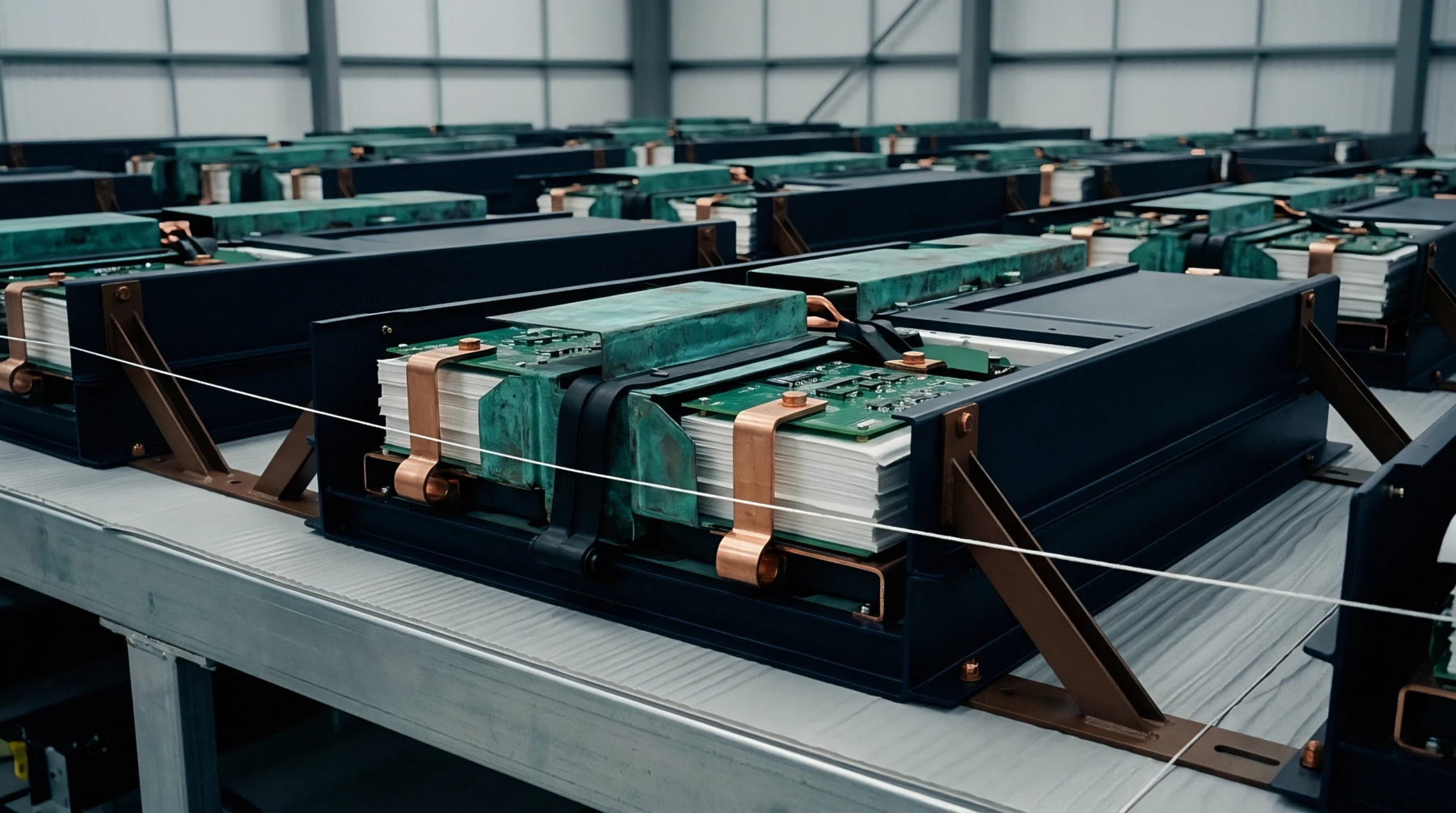
Intentional mechanical force applied during assembly secures a connection against future dynamic displacement. This terminal pre-stress ensures that electrical joints remain tight despite the vibration and thermal cycling experienced during normal use. It establishes a baseline compressive force that must be balanced against the mechanical limits of the cell terminal.
Incorrect load application can lead to premature seal failure or loose connections over time.
Mechanical Origin
Preload is typically introduced through the torque applied to threaded fasteners or during the clamping of modules. When designers calculate terminal pre-stress, they account for the coefficient of thermal expansion of both the fastener and the busbar. This calculation ensures the joint does not loosen in cold conditions or over tighten in hot ones.
Component Protection
Maintaining the integrity of the cell seal is essential to prevent electrolyte leakage. Excessive terminal pre-stress can damage the glass to metal seal, creating a pathway for moisture ingress. This degradation degrades the internal cell chemistry and shortens service life.
Design Accommodation
Flexible structural elements mitigate the effects of excessive preload. Incorporating spring washers helps maintain a constant load despite material relaxation over time. This mechanical compensation maintains joint integrity throughout the lifetime of the battery pack.