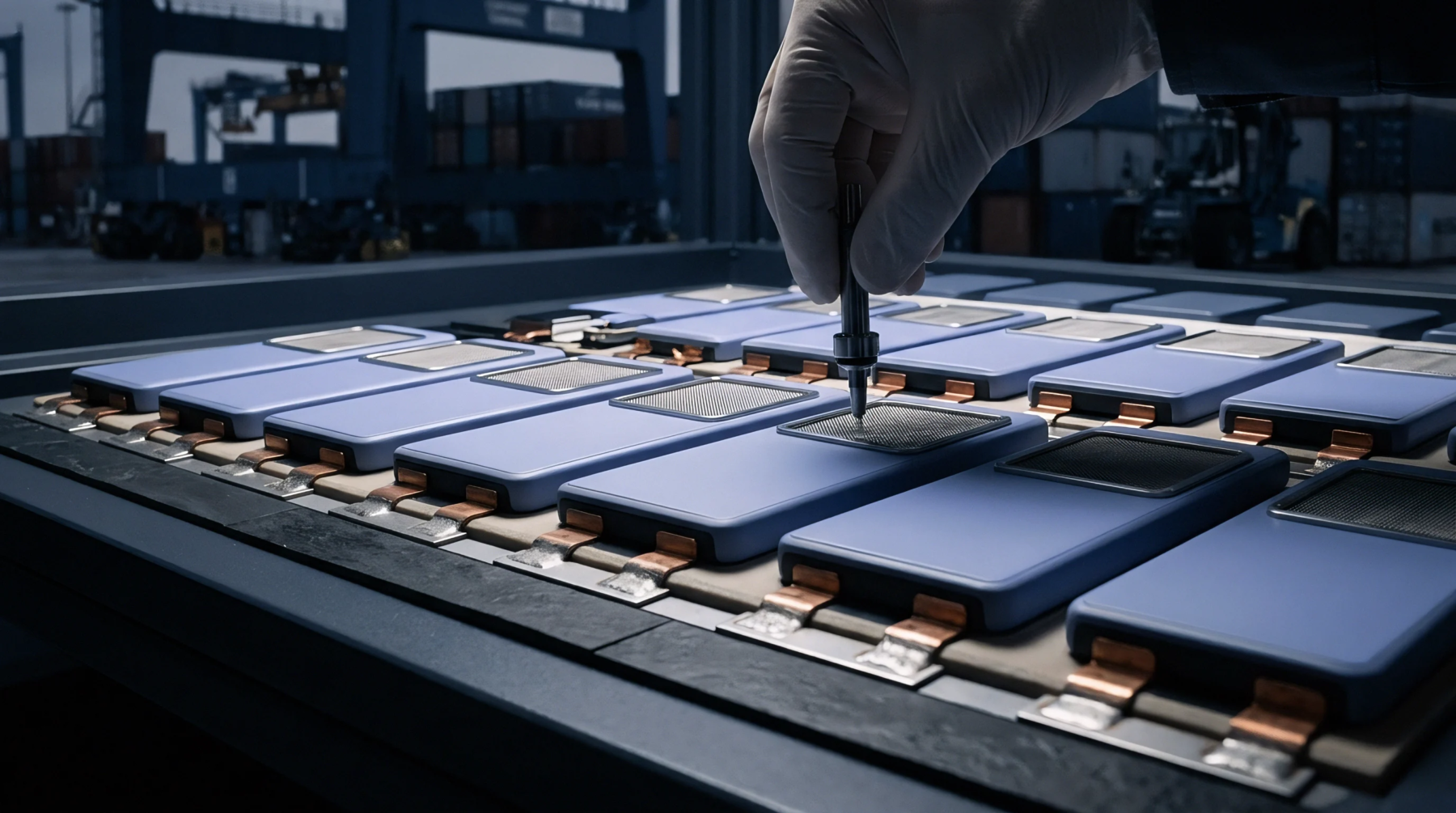
Distinguishing AC Impedance and DC Resistance in Prismatic Cell Quality Control
AC impedance screens tab welds at high speed while DC resistance predicts real operating voltage drop, thermal runaway risk, and pack degradation.
AC impedance screens tab welds at high speed while DC resistance predicts real operating voltage drop, thermal runaway risk, and pack degradation.
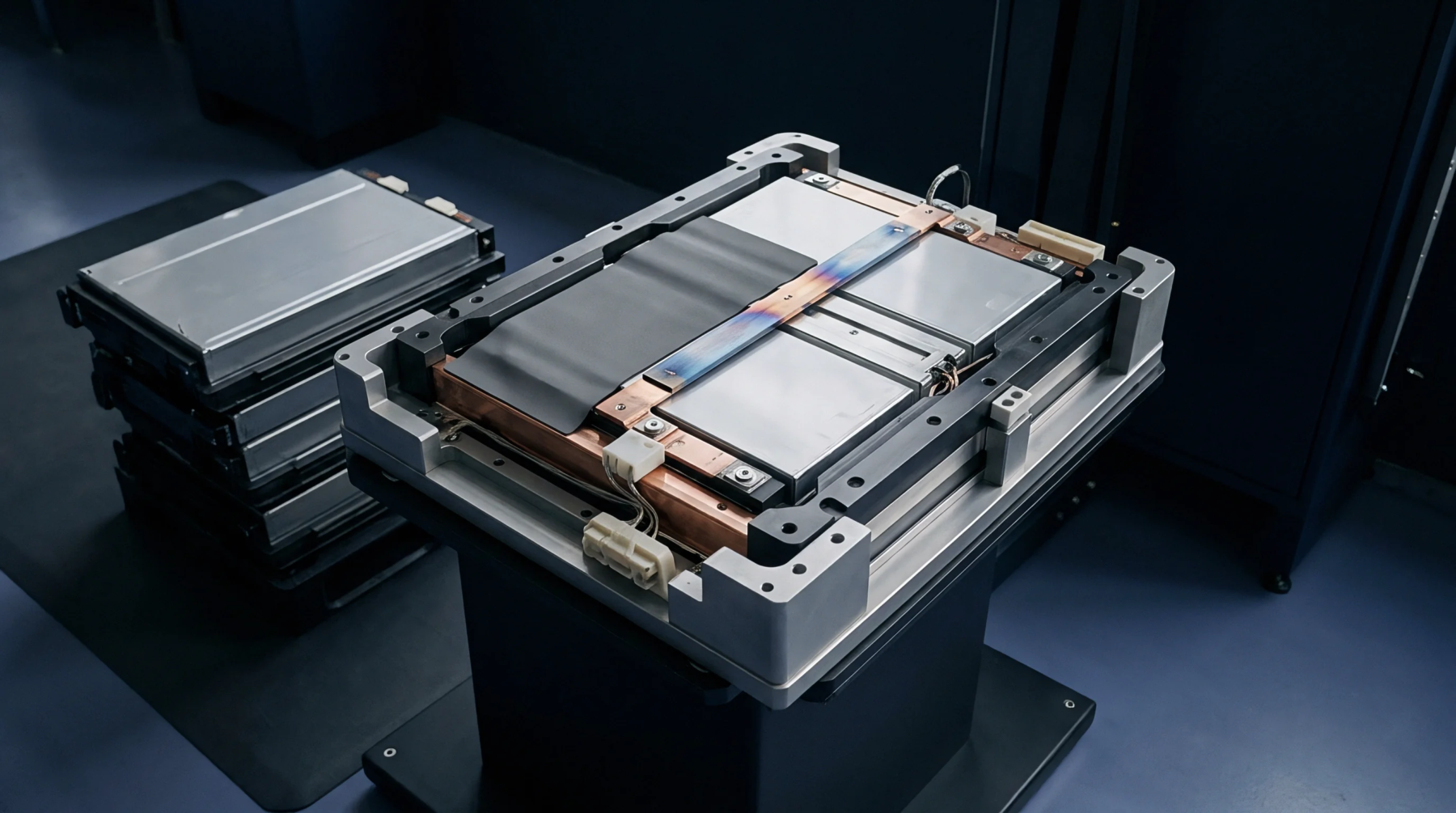
Incoming prismatic cell sampling relies on ISO 3951-1 variable plans and ISO 2859-1 attribute plans to reject defective lots before module integration.

Laboratory qualification of LiFePO4 cells demands precise mechanical clamping, strict IEC cycling regimes, and Arrhenius acceleration to verify true capacity retention.

Choosing between cylindrical and prismatic cell formats demands balancing tooling capital, thermal conduction interfaces, and structural face pressure limits.
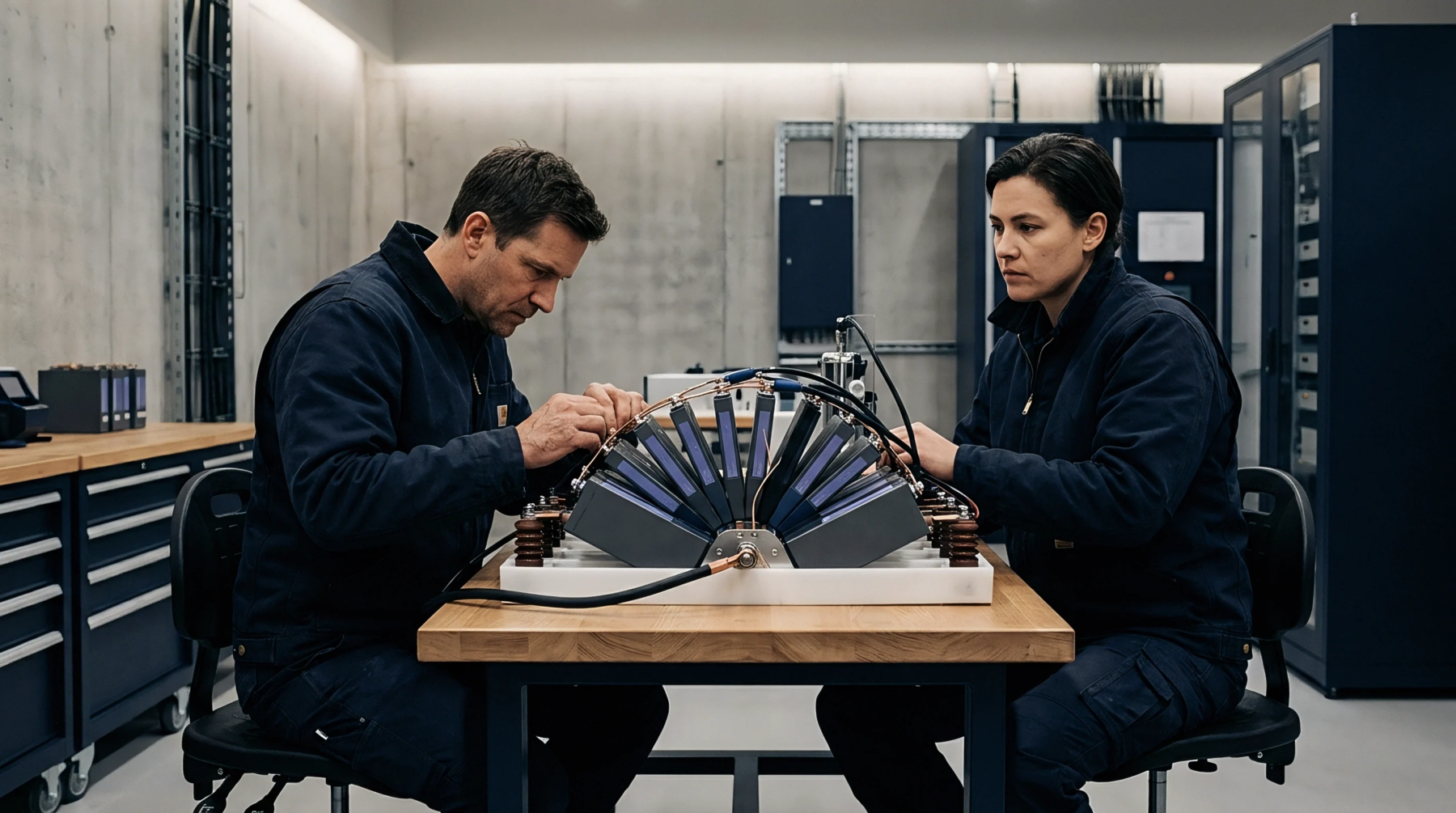
Procuring custom industrial battery modules requires locking cell format trade-offs, welding verification, and compliance files before amortizing tooling.

Augmenting filter state vectors with differential hysteresis operators resolves LFP voltage plateau ambiguity and eliminates conservative 15% capacity buffering.

LFP open circuit voltage settling requires at least 14 days post-charge to distinguish structural phase equilibrium from latent micro-short decay.

Differential capacity analysis transforms flat LFP voltage plateaus into distinct peak signatures to quantify lithium loss and electrode decay non-destructively.

Decouple surface thermal gradients from differential capacity curves by combining C/50 baseline cycling with multi-point thermistor arrays and model corrections.

Dynamic cross-plane thermal gradients drive non-uniform internal SEI growth, accelerating core degradation and shifting warranty liabilities on fast-charged cells.

Prismatic cell spatial thermal gradients stem from anisotropic heat path resistance and tab current crowding, accelerating localized lithium plating and capacity fade.
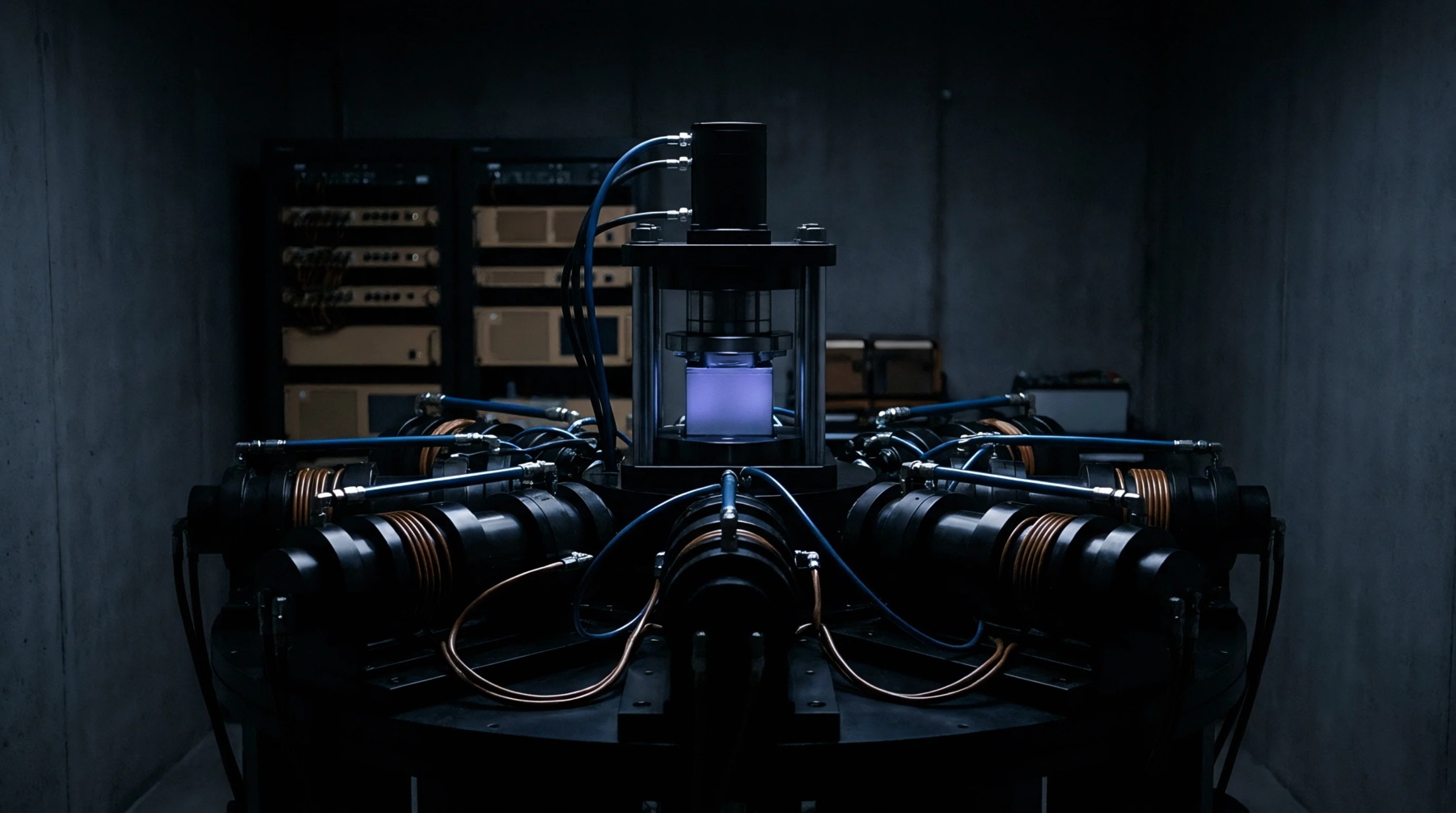
Dynamic fast-charge swelling pressure in structural cell-to-pack enclosures requires bounded preloads to suppress lithium plating without crushing separators.
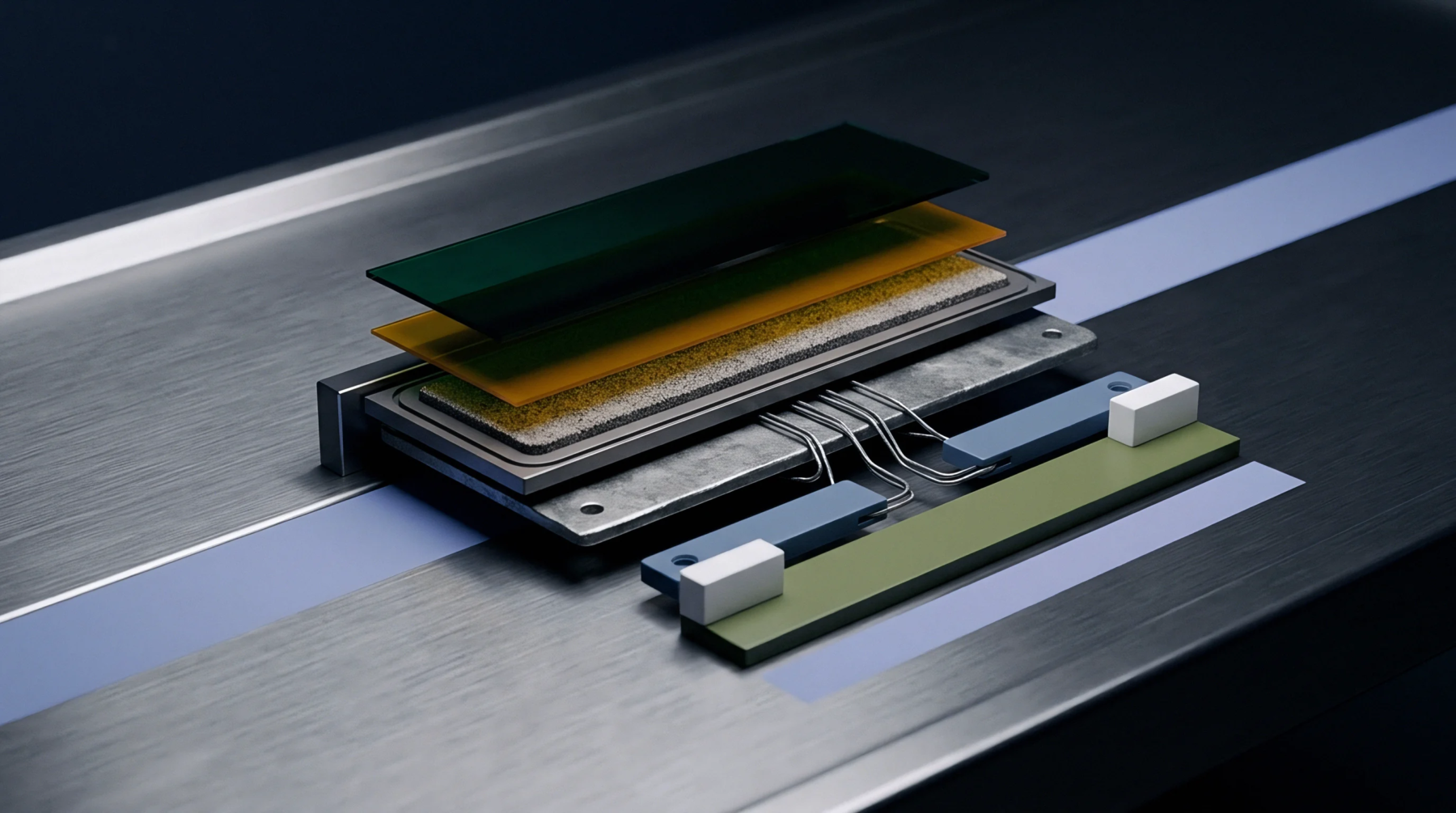
Variable thermal boundary layers create local cell temperature spreads that accelerate solid electrolyte interphase growth and void supplier warranties.
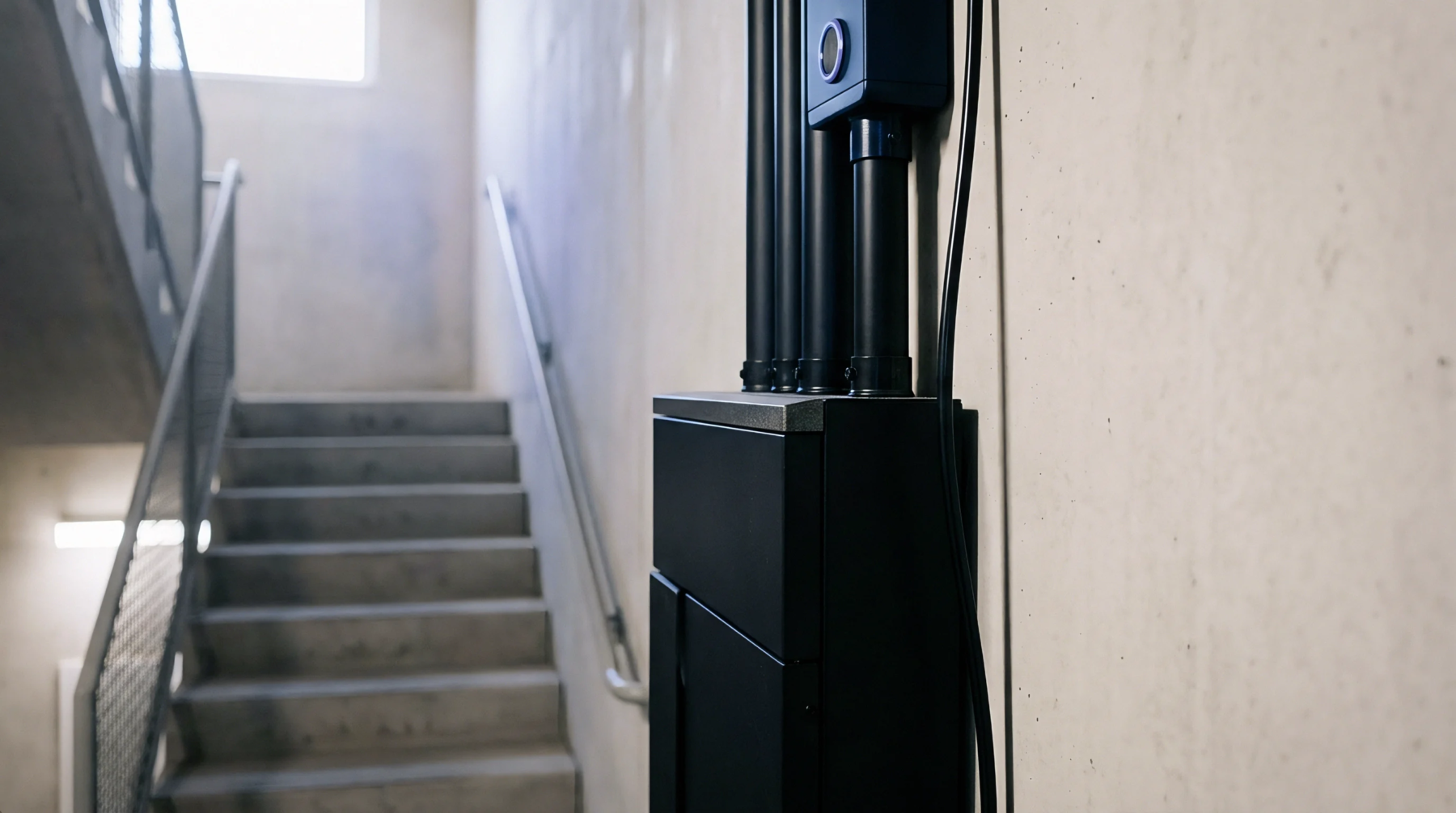
High-voltage operation accelerates cathode surface reconstruction and transition metal dissolution, demanding operando impedance testing and warranty risk controls.
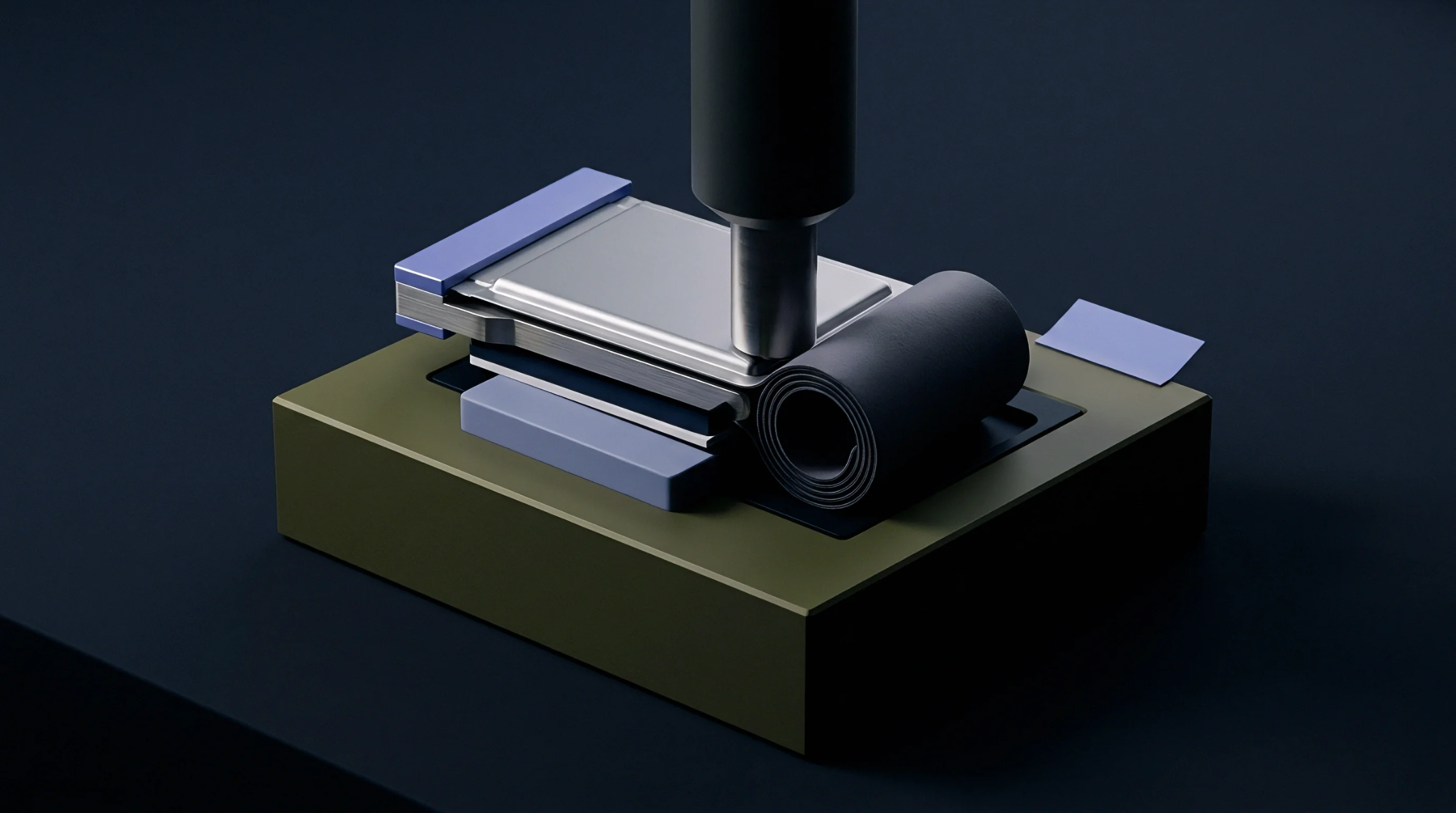
Format selection dictates tooling capital, cooling architecture, and mechanical containment: cylindrical cells minimize stack stress, while prismatic cells maximize spatial fill.
Solid-state prismatic expansion demands dynamic stack compression and strict header weld strain limits to prevent interfacial delamination and capacity fade.

Core-to-surface thermal gradients in prismatic cells drive localized plating and SEI growth, requiring 3D electro-thermal models to prevent early fade.
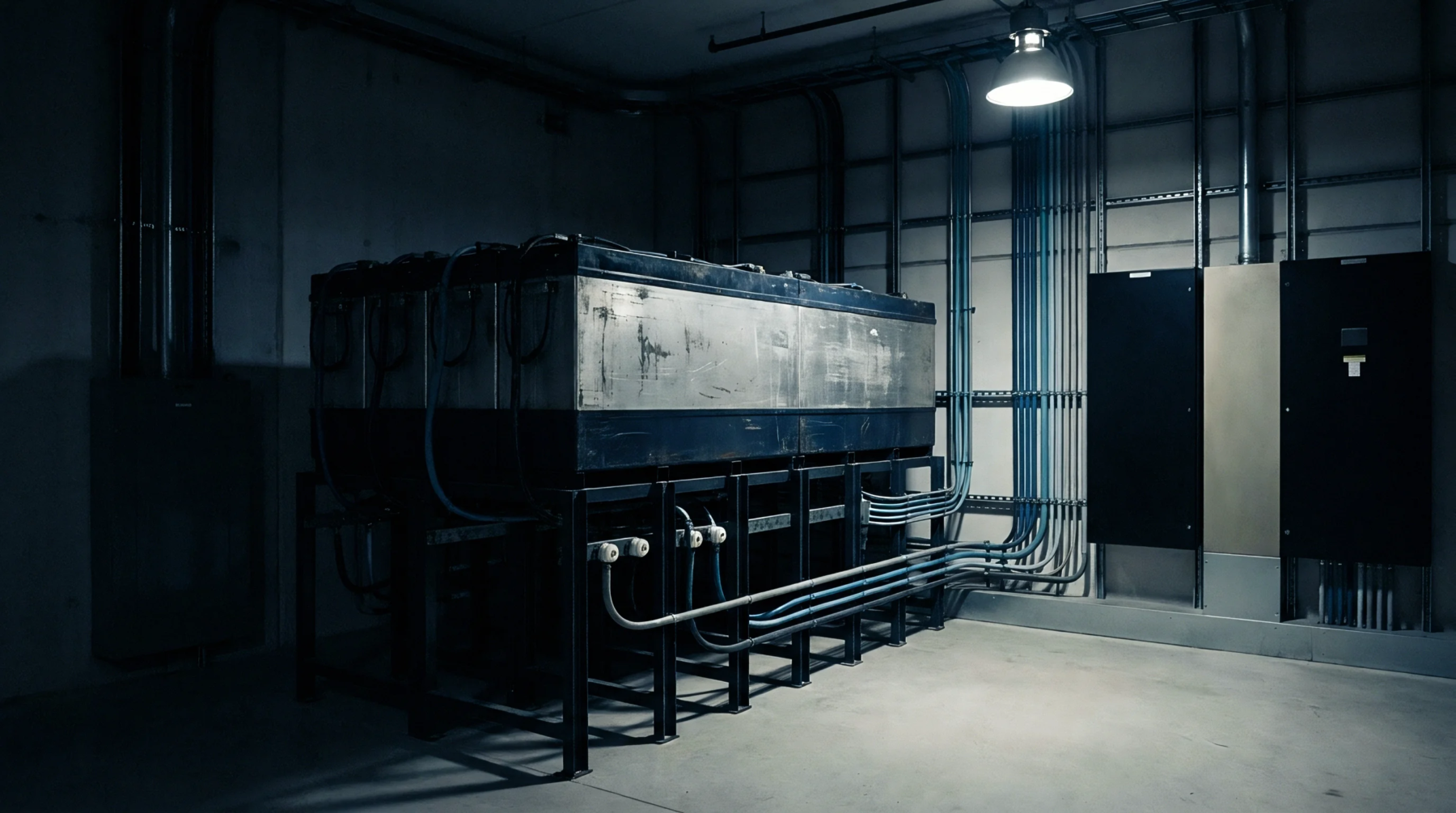
Local intercalation overpotentials in large format cells force anode potentials below 0V vs Li/Li+, causing lithium plating long before terminal voltage limits.
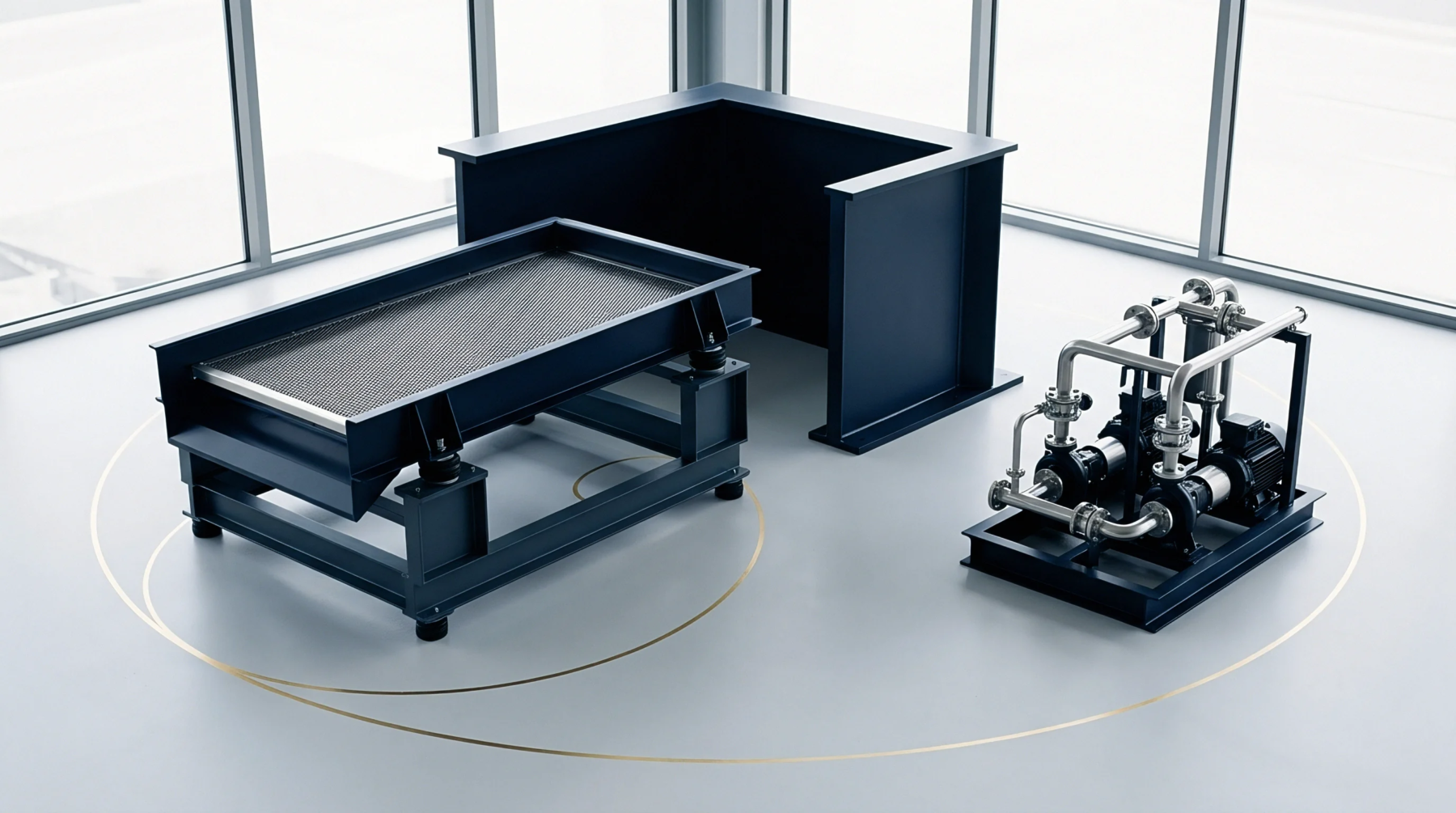
Structural warranty seams rely on precise pressure limits and micro-strain sensor telemetry to separate cell expansion defects from pack structural loading.

Cell format selection dictates pack thermal dissipation paths, stack compression mechanics, busbar welding tolerances, and compliance responsibility.

Constraining prismatic cells between 300 and 500 kPa prevents electrode delamination and suppresses localized lithium plating over long cycle life.
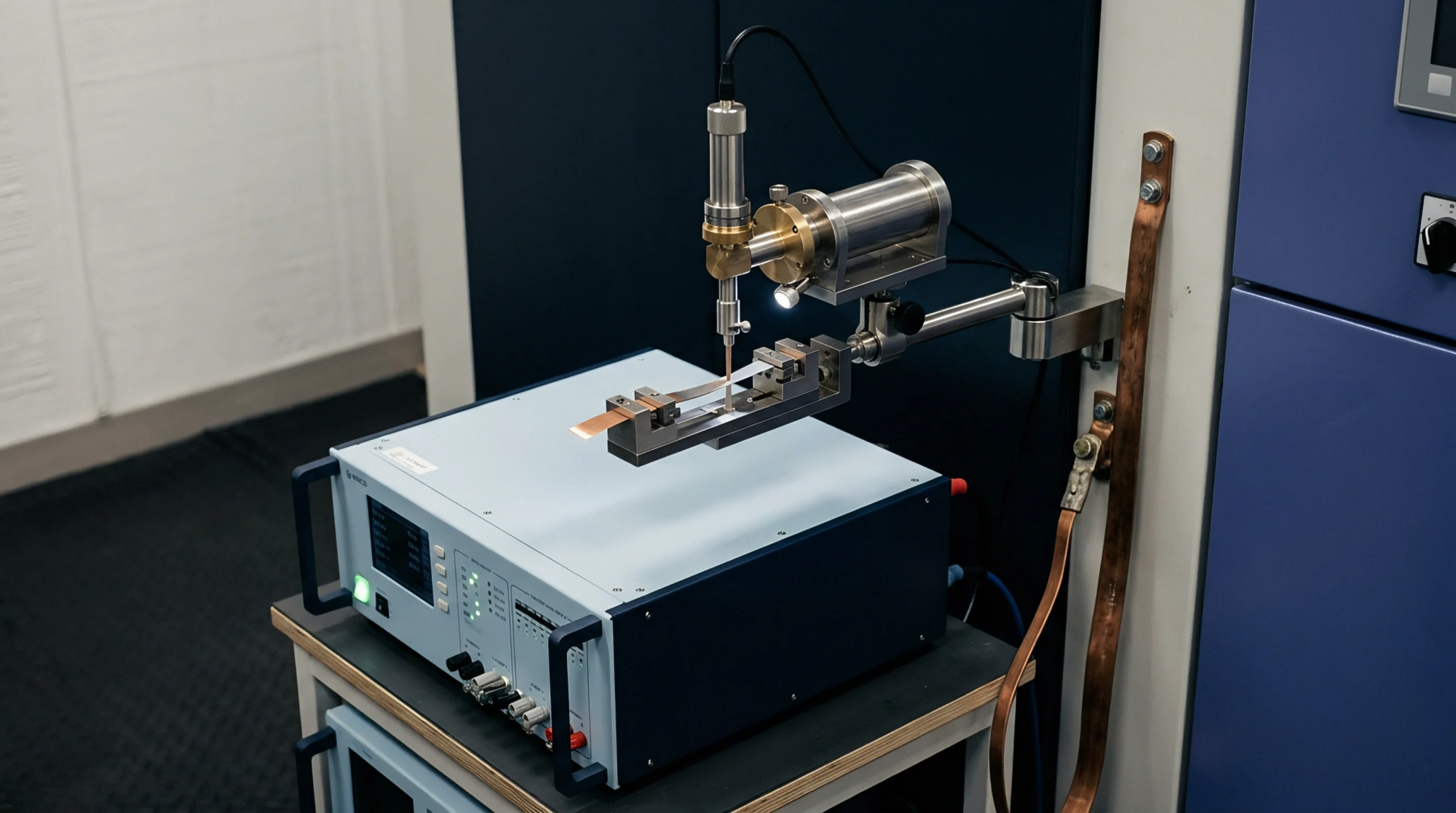
Optimal mechanical constraint extends lithium cell cycle life by suppressing electrode delamination while avoiding separator pore collapse and intergranular cathode fracture

High nickel cells experience self-discharge via transition metal dissolution and interphase breakdown, demanding strict K-value screening to prevent pack imbalance.

Incoming cell lot clearance requires zero-acceptance sampling combined with temperature-controlled K-value screening to intercept latent internal micro-shorts.
Buying cells requires owning BMS development, weld quality, thermal isolation, and pack safety files; buying packs trades unit margin for transferred liability.
Expertise is a utility, not a secret. sentiention™ publishes its working knowledge as open reference: intelligence layer covering the materials it sources, the markets it enters, and the reference that serves both.