Long-Term Interface Shear Stress Relaxation under Prismatic Cell Breathing Pressure
Cyclic cell breathing drives interfacial shear relaxation in prismatic packs, causing clamping pressure decay and thermal contact resistance spikes over life.


Displacement
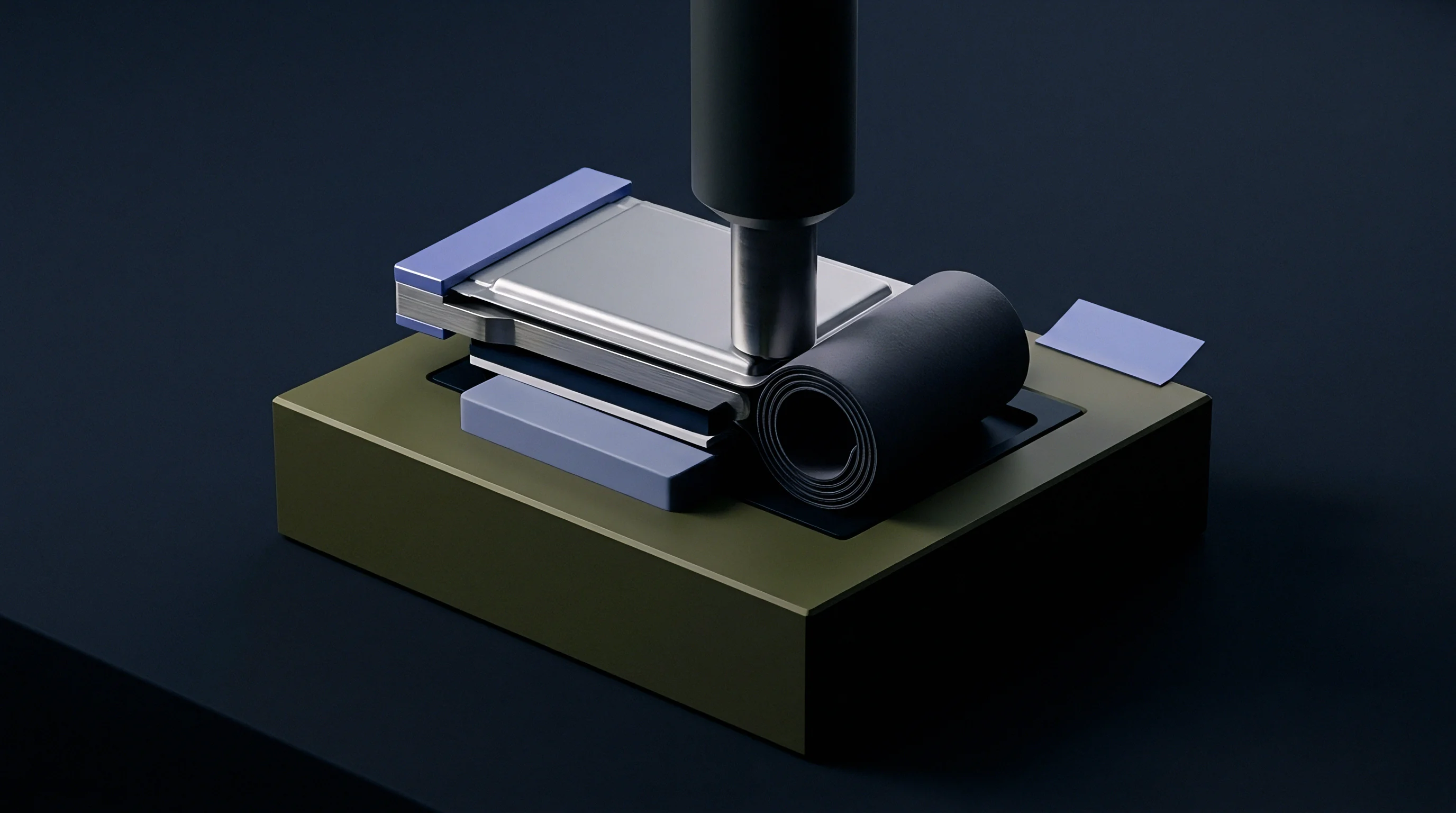
Lithium intercalation into graphitic and silicon-doped host lattices during charging causes physical volume expansion across the broad faces of prismatic cells. In high-capacity units from two hundred eighty to three hundred fourteen ampere hours, this expansion produces face movements between zero point eight and two point two millimeters per cell over full state-of-charge cycles. When arrayed in a rigid module assembly bound by end plates and structural tie rods, face expansion converts into normal compressive stress ranging from zero point two to one point zero megapascals.
Concurrent differential swelling across adjacent cells or between cell faces and the cooling plate structure introduces lateral shear movements ranging from zero point zero five to zero point thirty-five millimeters. This lateral motion creates continuous shear strain cycles across inter-cell cushioning pads and thermal interface layers. The magnitude of lateral displacement depends on cell chemistry, electrode coating uniformity, state-of-health degradation, and module restraint rigidity.
Lithium Intercalation Mechanics and Face Expansion
Silicon blend anodes exhibit higher volumetric strain than pure graphite, increasing transverse physical stroke during cycling. Anode thickness changes alter the internal stack tight-pack condition, transferring mechanical strain directly to outer cell packaging. In constrained modules, this expansion cannot convert to free volume growth, driving internal pressure upward while generating proportional frictional resistance at bound boundaries.
Prismatic three hundred ampere hour cells operating at full depth of discharge generate cyclic lateral shear displacements exceeding zero point two five millimeters against fixed cooling surfaces.
Cell swelling manifests in two distinct components: reversible dimensional breathing driven by lithium migration during charge-discharge cycles, and irreversible structural expansion caused by solid electrolyte interphase accumulation, gas generation, and electrode binder degradation over cycle life. The reversible component creates continuous fatigue loading on interface materials, whereas the irreversible component steadily elevates baseline static pre-load over thousands of operational hours.
Interfacial Friction Mechanics across Module Interfaces
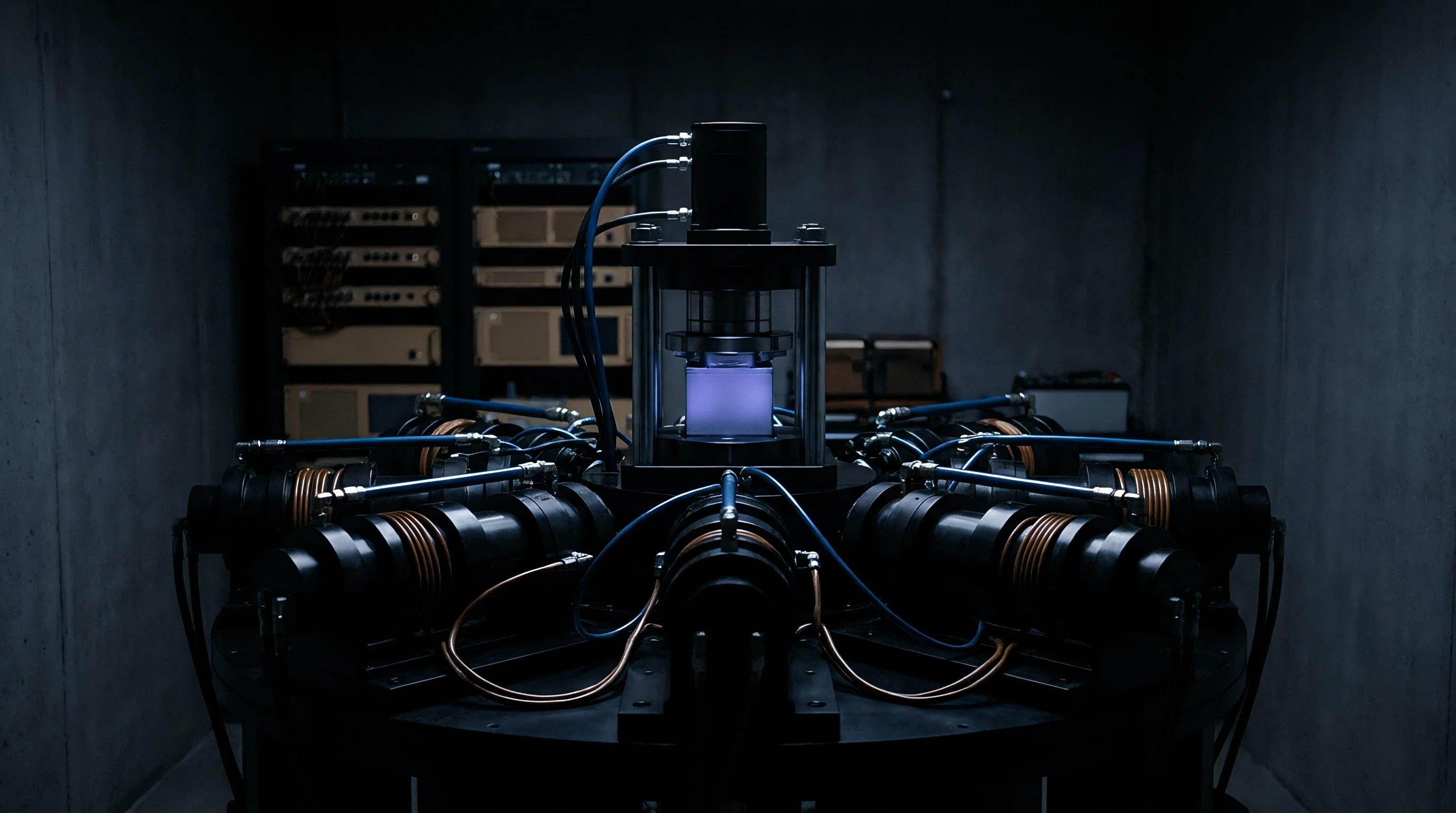
Movement between cell housing aluminum lacquers, dielectric insulation films, and thermal cooling plates governed by surface friction characteristics dictates whether interface materials absorb movement elastically or suffer interfacial micro-sliding. When friction limits exceed elastic compliance, micro-sliding occurs at interface boundaries, initiating physical wear on thin isolation coatings.
- Transverse breathing amplitude dictates the fundamental normal stroke applied to compressive inter-cell pads during charge and discharge.
- Lateral differential expansion drives cyclic friction and shear strain across thermal interface material bonds.
- Anode swelling hysteresis causes irreversible lifetime expansion that elevates baseline clamping loads.
- Interfacial friction coefficient governs whether the contact surface slips or absorbs shear elastically.
Whether micro-textured cell casings can suppress interfacial sliding without causing localized wear on thin aluminum enclosures remains an unresolved design question.

Viscoelasticity
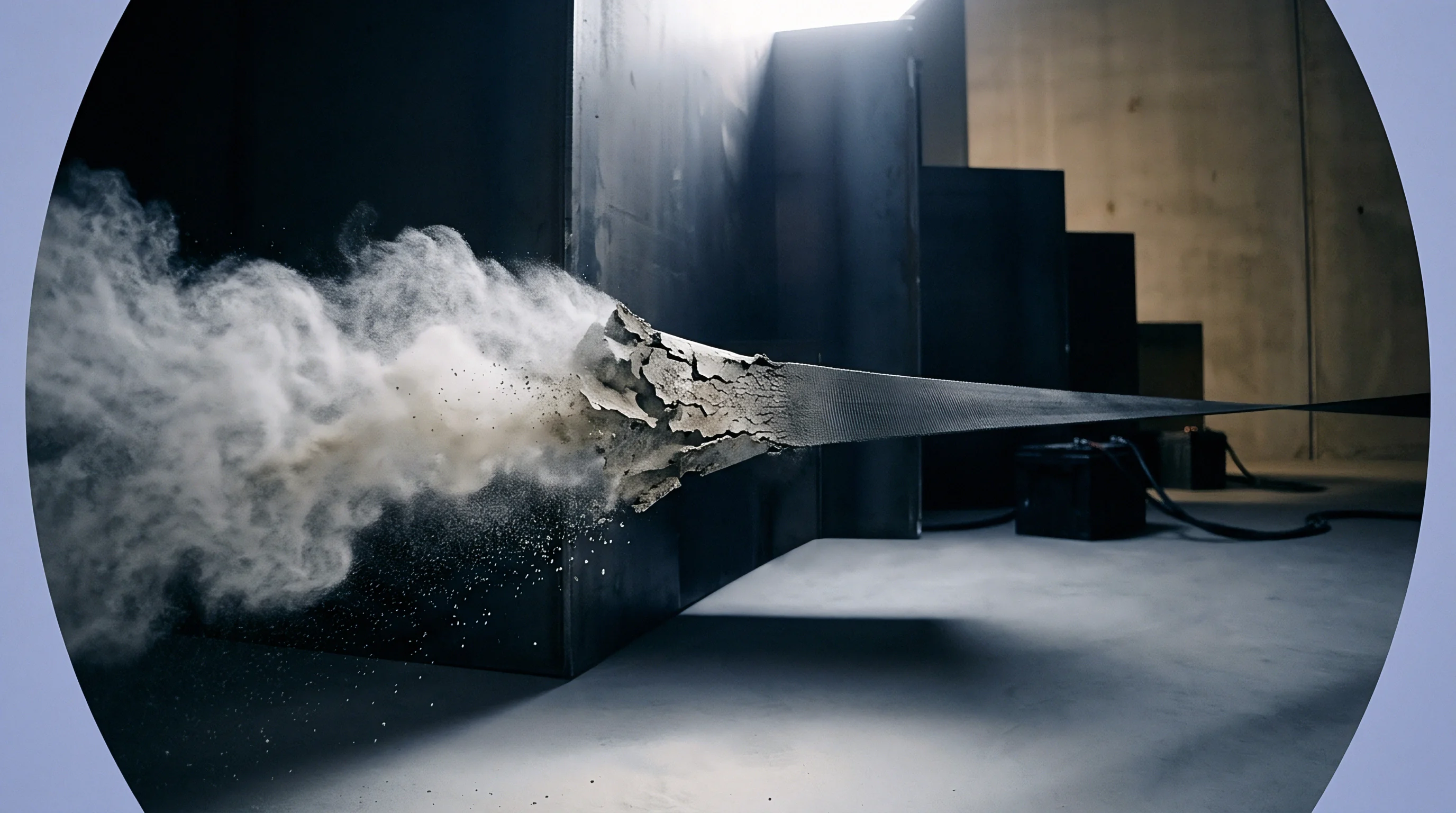
Polymer materials utilized for thermal interface management and cell cushioning exhibit time-dependent mechanical behavior under multi-axial load profiles. When subjected to continuous compressive bias combined with cyclic shear, these materials undergo stress relaxation and continuous creep deformation.
Microcellular polyurethane foams, closed-cell silicone sponges, and wet-dispensed thermal gels lose load retention capacity under sustained compression. The rate of relaxation increases under elevated operating temperatures and continuous shear cycles. Over long time horizons, viscoelastic flow lowers the mechanical retention force, altering the intended mechanical pre-load balance within the pack structure.

Polymeric Stress Relaxation under Biaxial Shear
Polymer backbones subjected to sustained normal loads reorient over time to minimize internal strain energy. Superimposing cyclic lateral shear forces accelerates this molecular realignment process, causing stress relaxation rates higher than those measured under static compression alone. Maxwell and stretched-exponential relaxation models describe this behavior, showing rapid initial force decay followed by long-term asymptotic creep.
Temperature accelerates viscoelastic relaxation according to time-temperature superposition principles. Operating module interiors at forty-five degrees Celsius reduces polymer shear modulus significantly faster than room-temperature testing predicts. Designers who rely on ambient static compression curves underestimate lifetime retention force loss.
Thermal Interface Gel Pump out Dynamics
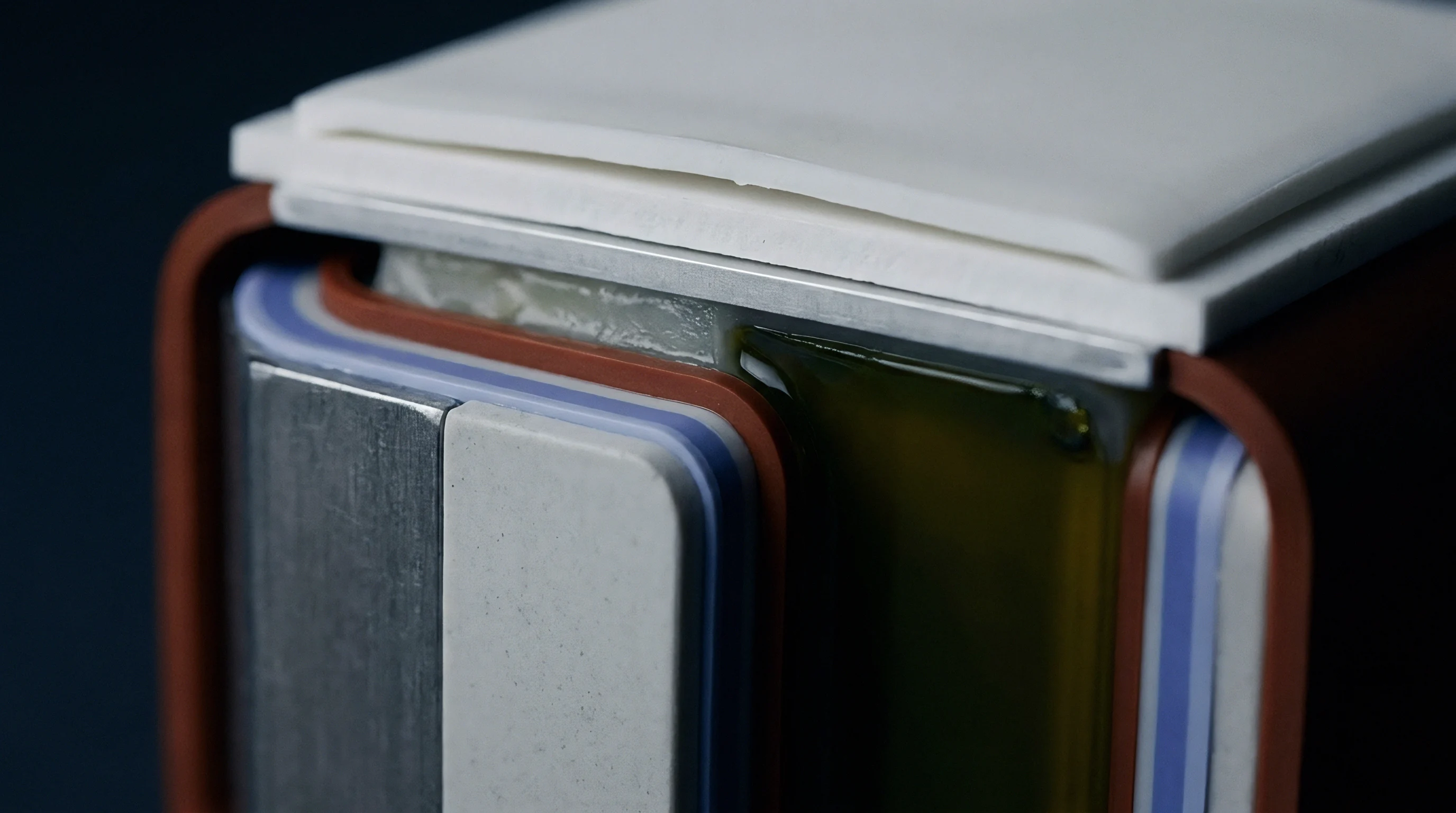
Dispensed thermal gels lacking cross-linked polymer matrices suffer from cyclic pump-out under relative lateral surface movement. Repeated transverse cell breathing creates a mechanical pumping action that forces non-cured silicone or polyurethane gap fillers outward from high-pressure contact zones toward low-pressure edge margins.
| Material Chemistry | Initial Shear Modulus (MPa) | 1000-Hour Stress Relaxation (%) | Permanent Set (%) | Shear Fatigue Life (Cycles) |
|---|---|---|---|---|
| Microcellular Polyurethane Foam | 1.45 | 42.5 | 18.2 | 120,000 |
| Closed-Cell Silicone Sponge | 0.88 | 21.0 | 8.5 | 500,000+ |
| Dispensable Acrylic Thermal Gel | 0.32 | 68.0 | 34.0 | 45,000 |
| Silicone Thermal Pad with Glass Carrier | 2.10 | 15.5 | 4.2 | 500,000+ |
Compressive cushioning pads designed without cross-linked polymer backbones undergo accelerated permanent deformation under combined heat and cyclic shear strain.
Progressive migration of thermal interface material leaves dry spots devoid of gel, substantially degrading conductive heat paths between cell bottoms and liquid cold plates. Selecting cross-linked thermoset thermal pads or cured gap fillers prevents phase separation and lateral flow under cyclic shear strain.
Specifying higher foam density reduces long-term thickness loss when cyclic lateral displacement dominates module stress.

Degradation
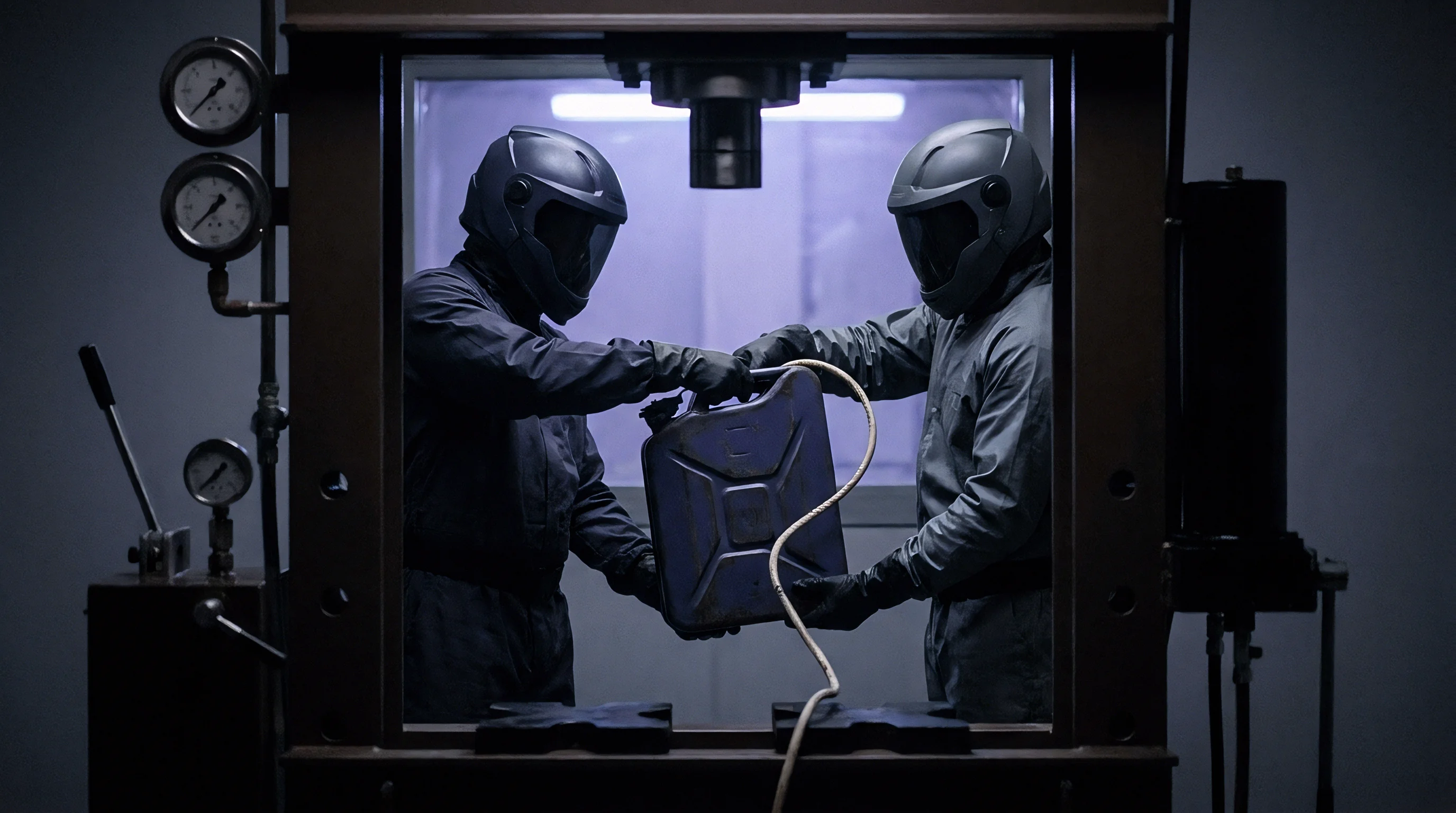
Thermal contact resistance across solid interfaces scales inversely with local clamping pressure. Loss of normal force resulting from viscoelastic shear relaxation degrades the heat removal path between cell walls and liquid cooling plates.
As interfacial contact pressure drops below zero point fifteen megapascals, microscopic air gaps form at interface asperities. Air exhibits thermal conductivity vastly lower than thermal interface pads, introducing high impedance barriers to thermal flow. Localized cell temperatures rise during fast-charging operations, accelerating electrochemical capacity loss.

Thermal Impedance Escalation under Pressure Decay
Heat dissipation relies on intimate physical contact across all thermal interface surfaces. Loss of clamping pressure increases junction temperature gradients, raising cell core operating temperatures during peak current discharge cycles.
- Initial force relaxation reduces localized interface contact pressure below the threshold required for low thermal impedance.
- Interfacial gap opening introduces microscopic air voids that impede conductive heat transfer to cold plates.
- Localized cell overheating accelerates lithium plating and capacity fade during high-rate charging.
- Abrasive sheath wear strips protective dielectric coatings, exposing cell housings to chassis short circuits.
Compliance with UN 38.3 electrical safety provisions mandates complete dielectric isolation between current collectors and structural pack enclosures throughout vibration and thermal stress cycling.
Mechanical Wear and Insulation Abrasion
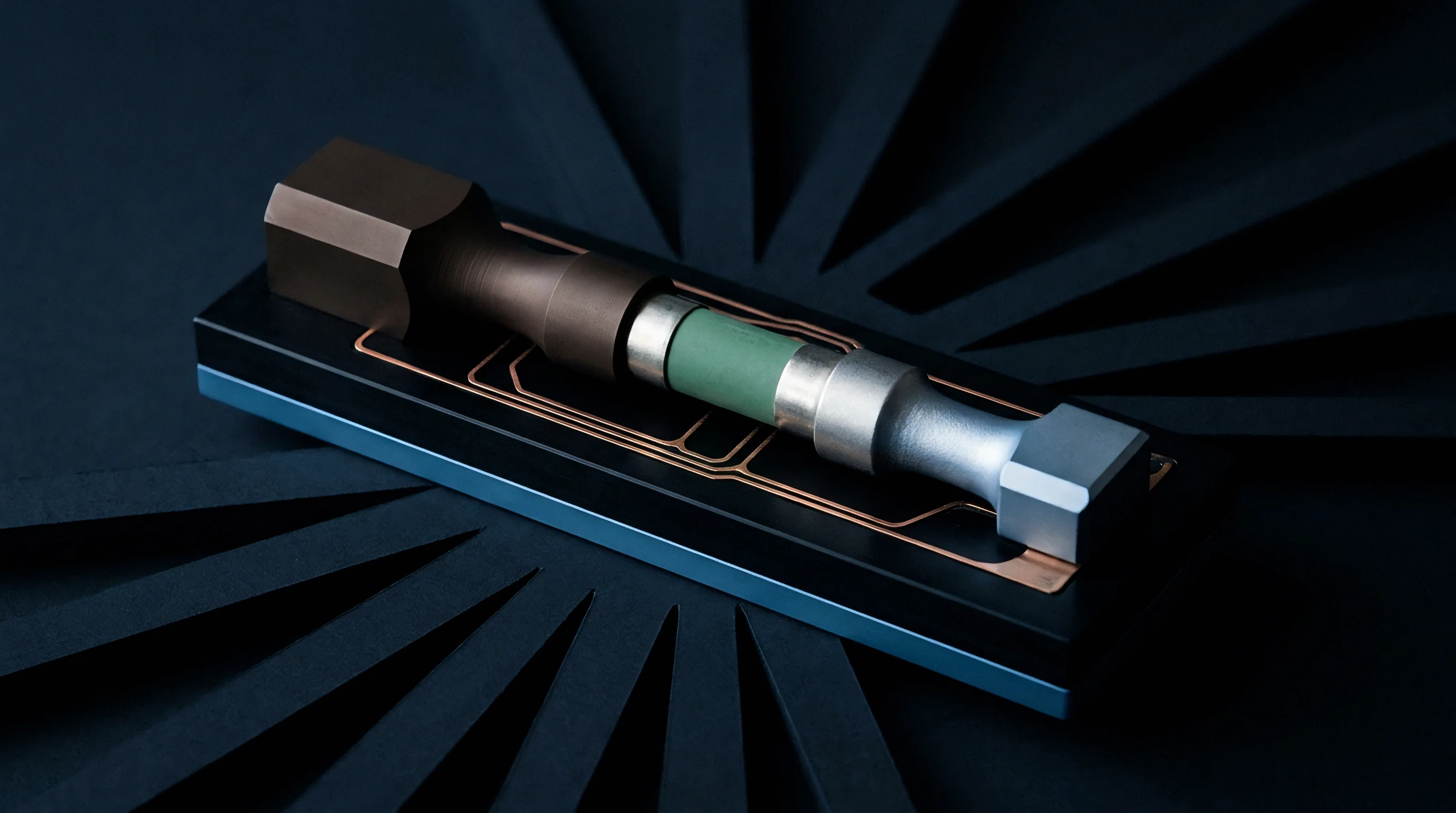
Interfacial sliding between prismatic cell cans and structural module walls wears down protective insulation coatings. Polyethylene terephthalate wrap films or powder-coated blue lacquers undergo abrasive wear under repetitive cyclic shear.
Exposing raw aluminum cell housings to grounded module frames compromises dielectric isolation barriers. Dielectric breakdown causes high-voltage isolation faults, triggering system safety shutdowns and creating elevated safety hazards during field service operations.
Failing to account for cyclic shear relaxation results in thermal runaway propagation risks and mandatory pack line recalls.

Bench
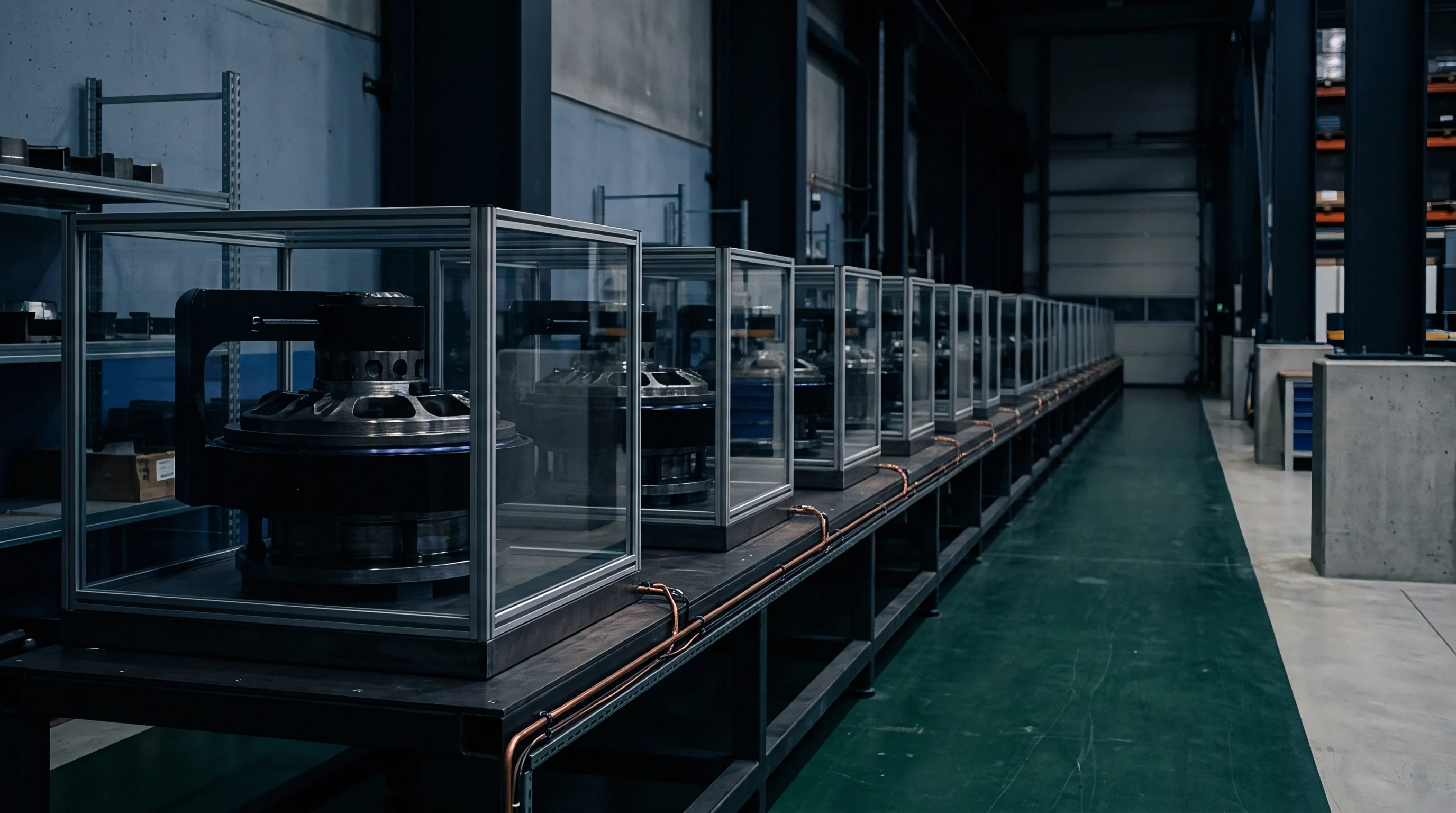
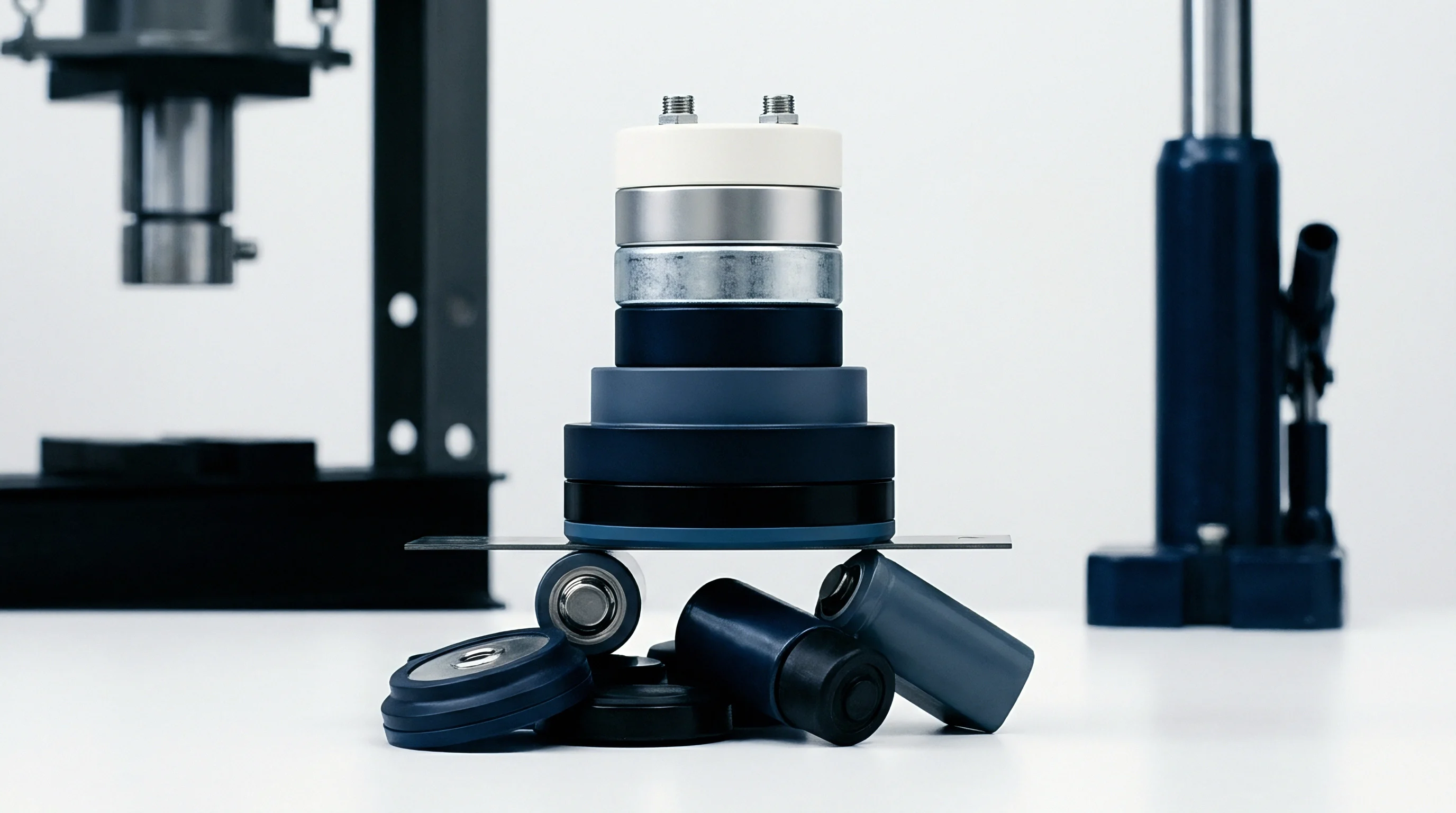
Multi-axis mechanical testing of module interfaces demands testing rigs capable of applying simultaneous normal pre-loads and cyclic lateral shear strokes. Uniaxial static compression testing fails to capture interactive degradation caused by cell breathing motion.
Custom mechanical test fixtures use electromechanical actuators to apply continuous normal load while linear motors drive cyclic horizontal displacement. Environmental chambers hold test samples under controlled elevated temperatures to simulate full lifecycle thermal environments.

Does Cyclic Breathing Accelerate Interface Relaxation?
Experimental validation confirms that cyclic displacement increases load loss rates relative to static relaxation conditions. Superimposing lateral micro-sliding disrupts internal polymer chain locking, facilitating faster creep and thickness reduction under sustained compression.
Testing protocols measuring normal force decay under static displacement overstate long-term pre-load retention. Accurate qualification protocol demands multi-axis loading profiles that match localized cell face displacement, temperature cycling, and chemical swell kinetics observed in full-scale pack trials.
Multi Axis Test Rig Calibration
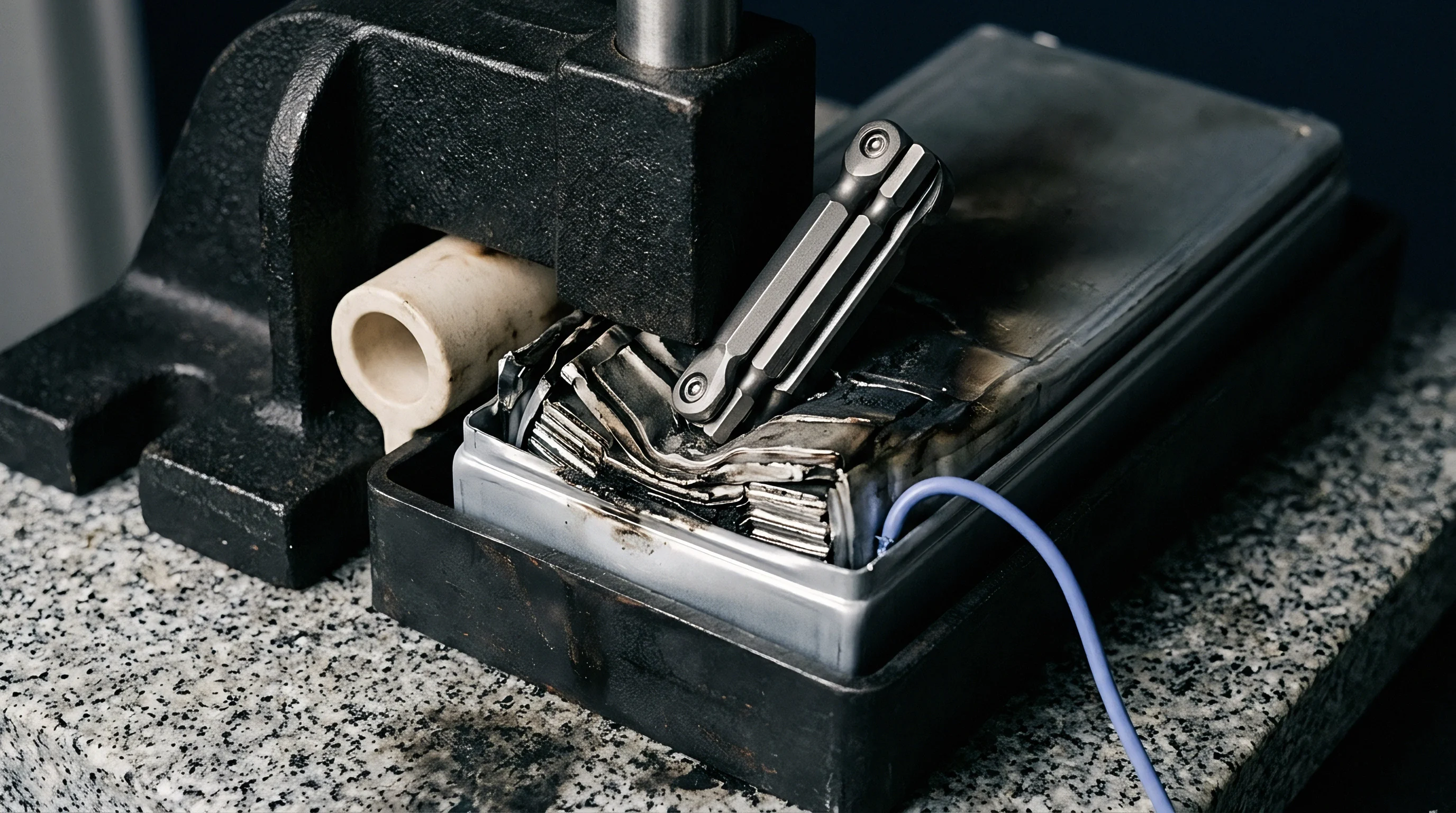
Precise load cells and laser displacement sensors measure normal stress, shear force, and interface thickness simultaneously. Data acquisition systems record hysteresis loops across thousands of displacement cycles to measure dynamic shear modulus loss and permanent set evolution.
Static force decay measurements miscalculate lifetime pressure loss in breathing modules by failing to model cyclic lateral friction work.
Thermal pad thinning often stems from intrinsic shear creep under cyclic displacement rather than unpredicted thermal expansion spikes.

Margin
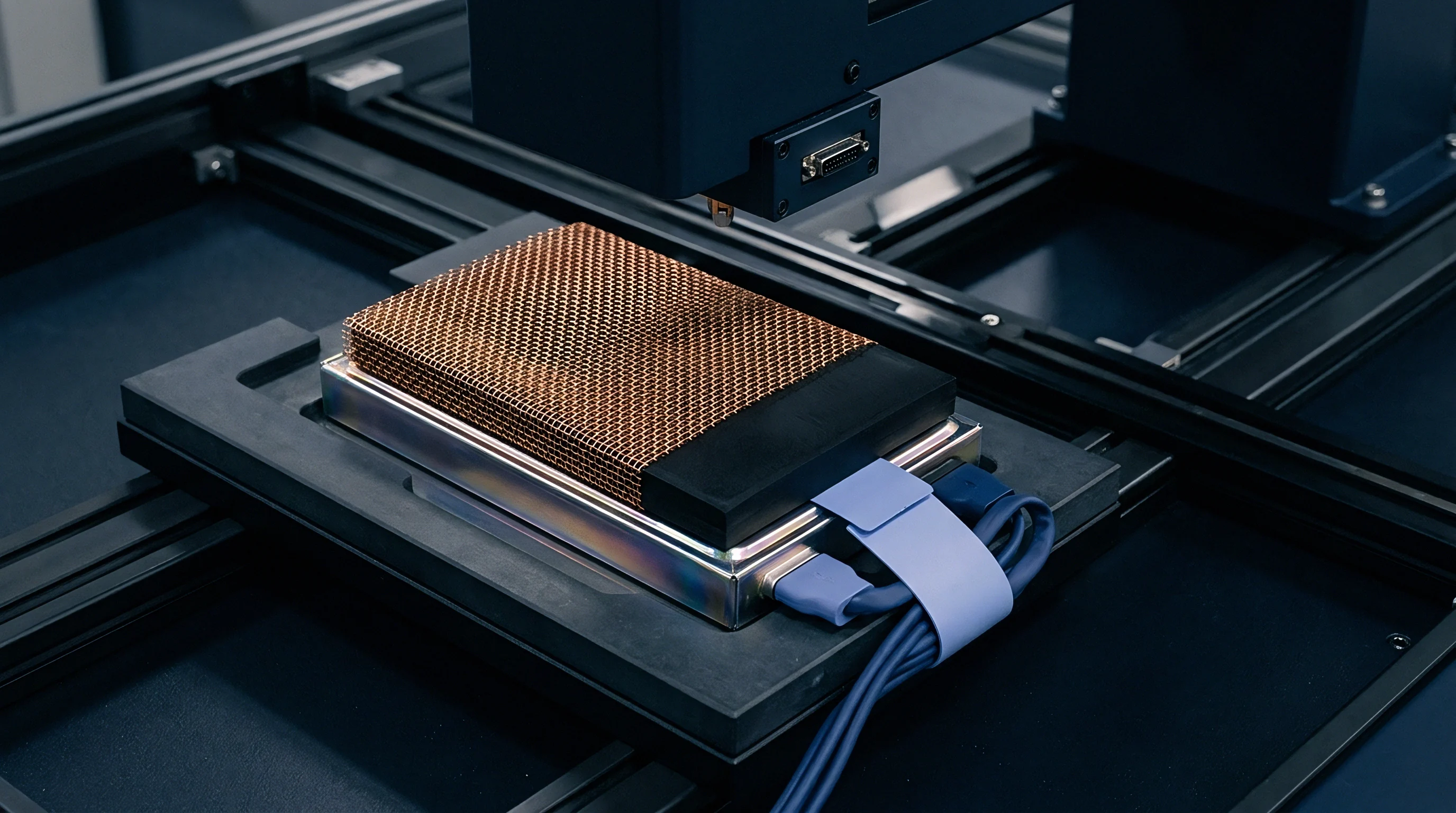
Design limits for cell restraint structures force a balance between minimum contact pressure and maximum allowable structural load. Minimum pressure of zero point ten megapascals ensures adequate thermal coupling and prevents internal anode delamination. Maximum pressure of zero point eighty megapascals avoids crushing cell jelly rolls or overstressing structural end-plate welds.
Mechanical tolerance stack-ups across multiple prismatic cells in a module string aggravate pressure variations. Variations in cell thickness, pad manufacturing tolerances, and end-plate flexure combine to create wide bands of initial clamping pressure across manufacturing lots.
Calculated Pre Load Window and Tolerance Stack Up
Consider a sixteen-cell module string utilizing two hundred eighty ampere hour prismatic cells with nominal thickness of seventy-one point five millimeters plus or minus zero point five millimeters. Compressive polyurethane pads placed between cells possess a nominal thickness of two point zero millimeters plus or minus zero point one5 millimeters.
At minimum material conditions, initial clamping pressure yields zero point twenty-two megapascals. At maximum material conditions, initial clamping pressure rises to zero point sixty-eight megapascals. Accounting for forty percent stress relaxation over three thousand cycles drops minimum contact pressure below zero point zero nine megapascals, triggering thermal impedance failures.
| Design Configuration | Initial Pre-Load (MPa) | EOL Pre-Load (MPa) | Interfacial Shear Strain (%) | Thermal Resistance Shift (K/W) |
|---|---|---|---|---|
| Unconstrained Rigid Block | 0.65 | 0.12 | 22.5 | +0.18 |
| Microcellular Polyurethane Pad | 0.45 | 0.22 | 11.0 | +0.05 |
| Engineered Silicone Sponge with Gel | 0.38 | 0.28 | 5.5 | +0.02 |
Structural Margin Optimization Mechanics
Optimizing initial pre-load windows demands selecting materials with flat stress-strain curves in the operational compression range. Low-modulus materials absorb manufacturing tolerance variations without introducing severe peak forces or falling below minimum thermal contact thresholds after relaxation.
- Calculate maximum transverse face displacement using chemical swell percentages and thermal expansion coefficients.
- Establish minimum interfacial contact pressure required to maintain target thermal impedance based on vendor surface roughness curves.
- Select cushioning pad thickness and compression modulus to absorb stack tolerances while maintaining pre-load limits.
- Validate shear stress limits of dispensable thermal interface materials under maximum expected lateral strain.
- Verify that structural end-plate tie rods sustain combined static pre-load and dynamic breathing force spikes without plastic yield.
Contractual compliance under ISO 12405 battery pack qualification protocols requires verified maintenance of minimum clamping pressure across the specified operational temperature window.

Settlement
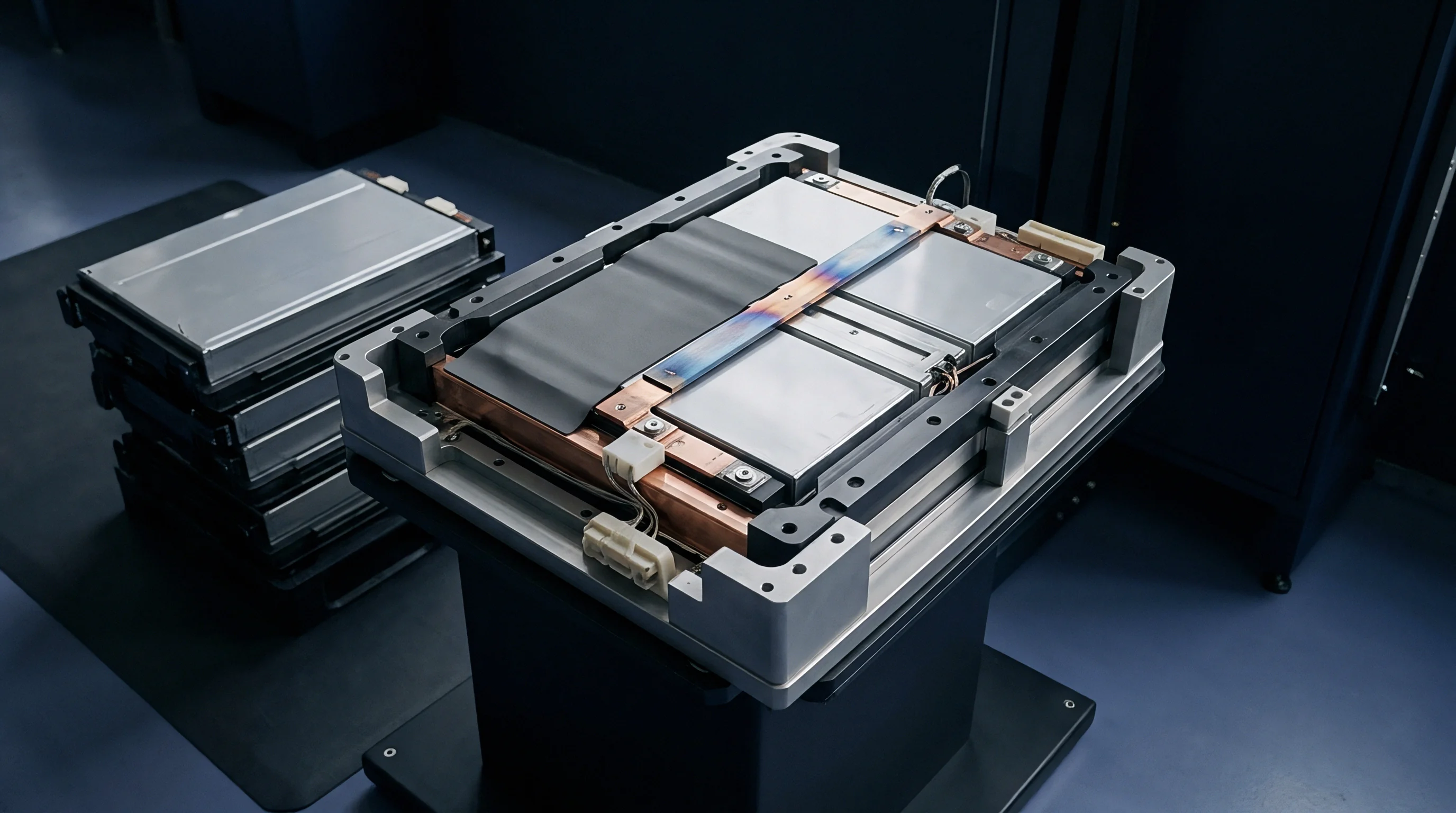
Commercial agreements between cell vendors, pack integrators, and product owners hinge on explicit allocation of mechanical warranty boundaries. Clear definition of breathing pressure profiles and interfacial wear tolerances prevents disputed warranty claims when pack performance degrades in field operations.
Cell manufacturers publish swelling force limits based on specific static constraint conditions. Pack integration engineers assume responsibility for designing module structures, selecting interface pads, and maintaining cell clamping pressure within warranty bounds throughout life cycles.
Commercial Responsibility across Interface Boundaries
When module thermal performance fails due to interface material relaxation, responsibility allocation depends on whether cell swelling exceeded datasheet boundaries or pad relaxation exceeded material specifications. Rigorous incoming material verification and lot testing establish legal evidence protecting buyers against non-compliant components.
Interface pad manufacturers must supply long-term biaxial relaxation test data under combined shear and compression bias. Relying on basic static datasheet parameters leaves pack integrators legally exposed during field reliability claims.
Specification Writing for Module Mechanics
Engineering change orders adjusting cell swelling allowances, structural spring rates, or interface pad formulations alter the compliance profile of completed pack assemblies. Re-certification under transport regulations becomes mandatory when structural module dimensions change beyond drawing limits.
Documenting multi-axial mechanical boundaries within incoming cell quality specifications ensures that mechanical failure costs fall cleanly on the responsible tier without delaying pack production schedules.