Meaning
Safety verification procedures for lithium metal and lithium ion cells ensure stability during international transit. Lithium batteries must undergo un 38 point 3 testing before they are accepted for air or sea freight according to global shipping regulations. These tests simulate the various environmental and mechanical stresses that a product might encounter during a typical journey.
Safety Category
The standard divides the requirements into eight distinct subtests that cover different potential failure modes. Passing un 38 point 3 testing is mandatory for the manufacturer to provide a summary report to logistics providers and customs authorities.
Mechanical Test
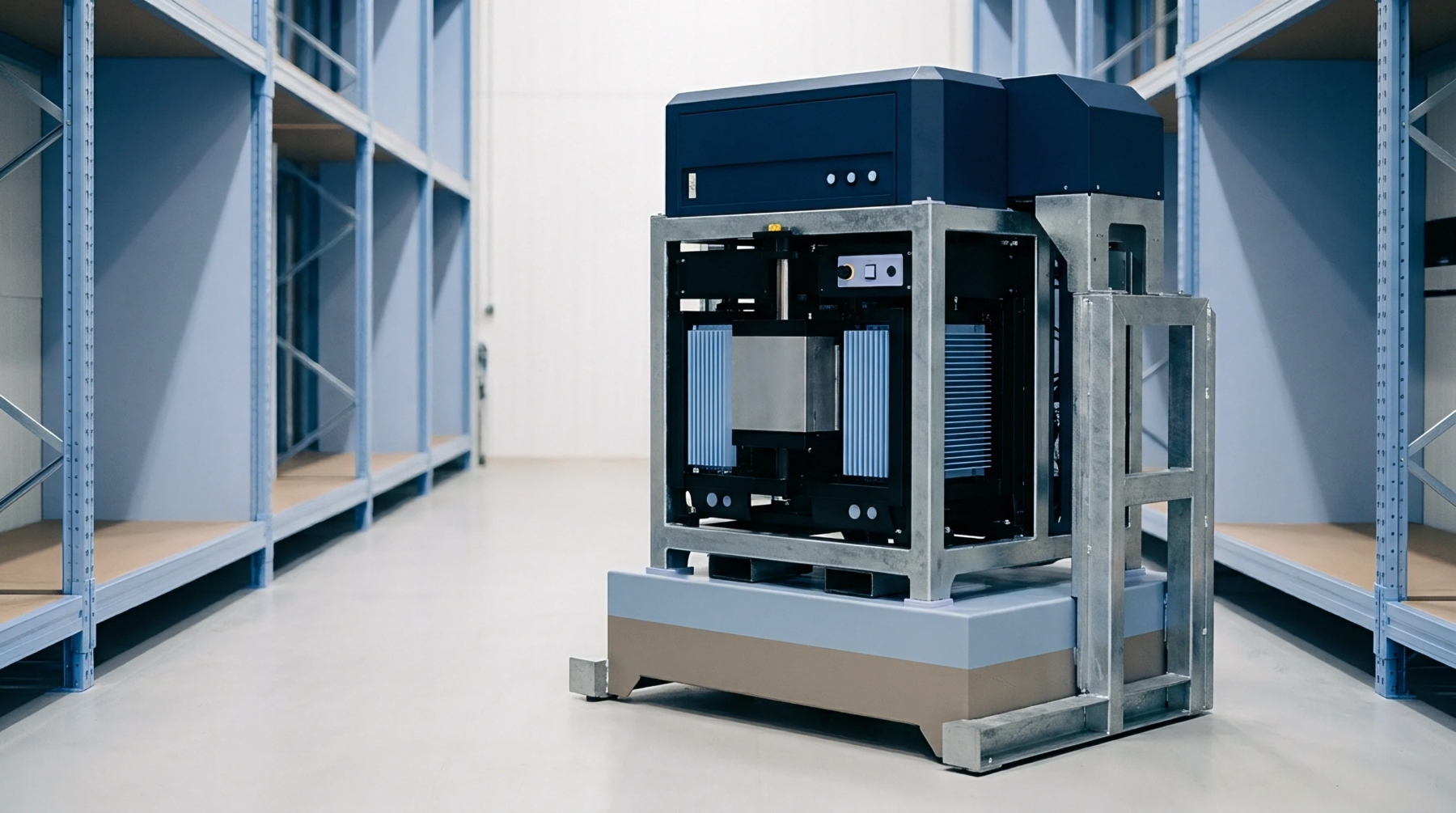
High intensity physical challenges include vibration, shock, impact and crush sequences to prove the structural integrity of the cell casing. During un 38 point 3 testing the batteries are also subjected to altitude simulation and thermal cycling to ensure that the seals and internal components do not fail under pressure or temperature changes. A failure is recorded if the cell shows signs of leakage, venting, disassembly or fire during any of these stages.
Shipment Approval
Documentation of a successful pass allows the product to be classified as dangerous goods for transport. Without a valid record of un 38 point 3 testing a shipment can be legally rejected at the port of entry.