Meaning
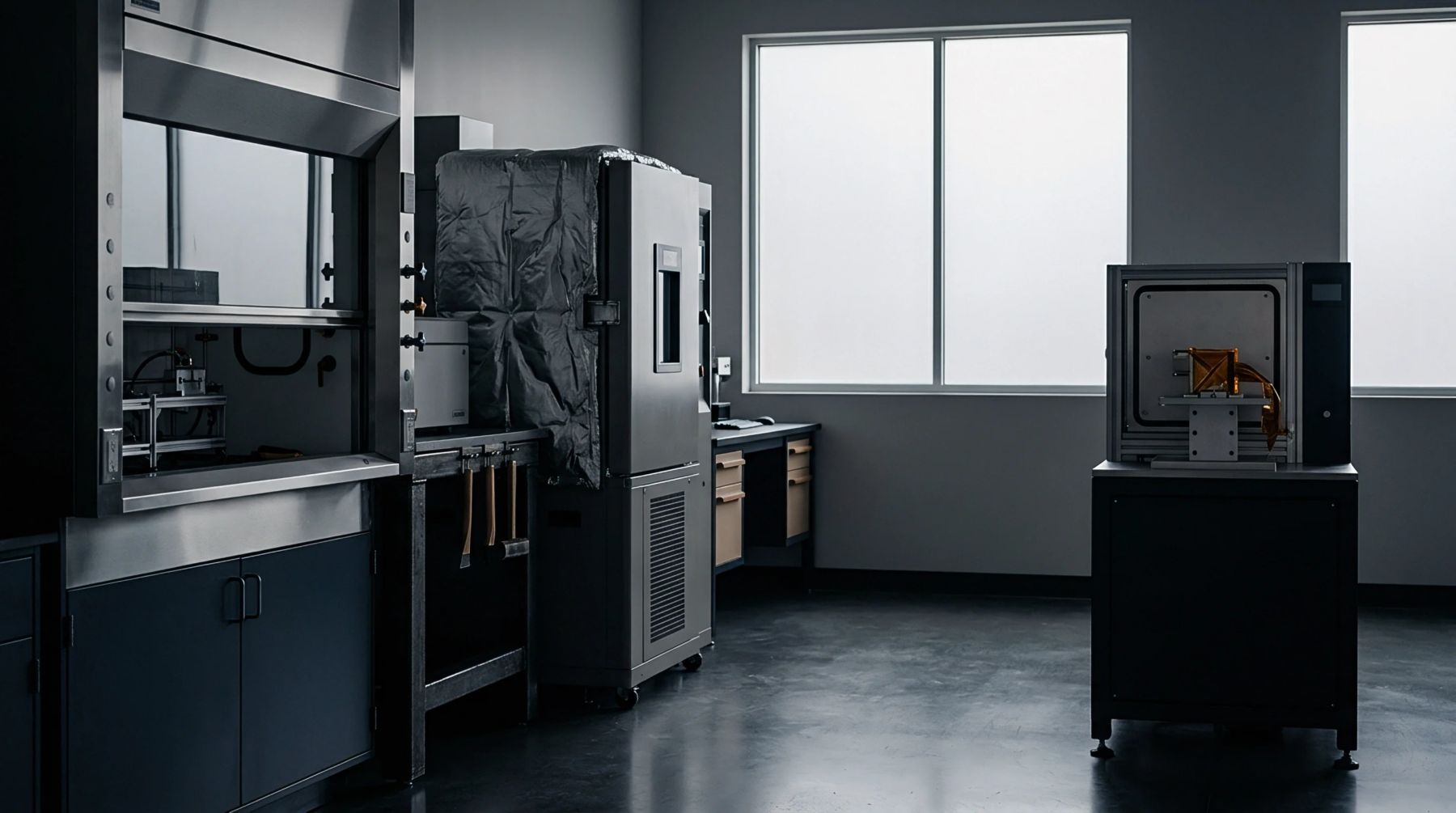
Thin film deposition technology controls the gradual build-up of gaseous precursors onto a substrate under vacuum or controlled atmosphere conditions. This vapor phase accumulation process is utilized to deposit highly uniform coatings or thin films of active materials and protective layers in advanced battery cells. It enables the creation of nanostructured interfaces with high precision and low defect rates.
Deposition Process
Coating execution involves the vaporization of a precursor material, which then travels through the gas phase to condense on the surface of the target electrode. When the vapor molecules land on the substrate, they nucleate and grow into a continuous film through vapor phase accumulation. By adjusting the substrate temperature and the pressure of the carrier gas, the density and crystal structure of the deposited layer can be modified.
This process allows for the deposition of protective oxides on the surface of active materials to enhance thermal stability.
Layer Control
Precision control of the film thickness is crucial to avoid increasing the internal resistance of the battery cell. If the protective coating is too thick, it will act as an insulating barrier that hinders ion transport and reduces performance. Conversely, an insufficiently thin layer will fail to protect the electrode from parasitic side reactions with the electrolyte during cycling.
This delicate balance is managed by monitoring the deposition rate in real-time to ensure that the accumulation is terminated at the target thickness.
Industrial Sourcing
Equipment procurement for these vacuum deposition systems is driven by the required throughput and the roll-to-roll compatibility of the technology. Sourcing professionals must evaluate the capital cost of the deposition chambers against the potential yield improvements and cycle-life extensions of the resulting batteries. High-vacuum deposition systems represent a significant investment that must be justified by the performance gains in high-end applications.