Barometric Pressure Cycling Impact on Electrolyte Micro Venting Rates in Sealed Transport Containers
Cyclic altitude depressurization drives fugitive electrolyte micro-venting past crimp seals, forming flammable headspace mixtures in sealed transit drums.


Altitude
Pressurized aircraft cargo compartments fluctuate between nominal sea-level atmospheric pressure and minimum transit pressures of 75 kilopascals during long-haul flight operations. Feeder aircraft operating regional legs with unpressurized cargo bays drop freight to 55 kilopascals at cruising elevations of 15,000 feet. These barometric swings occur repeatedly across intermodal transport legs.
Cargo hulls breathe constantly. International carriage subjects packaged cells to multiple depressurization and repressurization sequences between factory floor packaging and destination warehouse receipt.
The standard baseline verification for air transport rests on the UN Manual of Tests and Criteria, Part III, sub-section 38.3, Test T.1. That procedure places cells at an absolute pressure of 11.6 kilopascals for a continuous minimum duration of six hours at ambient temperature. Passing criteria demand no mass loss, no leakage, no venting, no disassembly, no rupture, and no fire, alongside an open-circuit voltage retention of at least 90 percent.
Test T.1 evaluates static equilibrium under extreme vacuum. Commercial shipping environments expose packages to dynamic cyclic stress at moderate depressurization levels. Flight cycles repeat six times.
Standard type approval tests assess the outer limits of seal integrity without measuring the incremental creep of polymer gaskets under alternating pressure loads.
Under UN 38.3 Test T.1, a cell pass requires mass loss below 0.1 percent after six hours at 11.6 kilopascals.
Pressure gradients exert mechanical force across every mechanical boundary. When ambient container pressure falls from 101.3 kilopascals to 75 kilopascals, an internal overpressure of 26.3 kilopascals develops instantly against the cell cap assembly and vent disc. In unpressurized regional feeders, this transient differential reaches 46.3 kilopascals.
Ground logistics across high-altitude mountain passes generate equivalent differentials between 20 and 30 kilopascals. Road transit across high mountain corridors generates similar pressure drops over several hours. Sealed transport containers experience outward pressure deflection on ascent, followed by compressive atmospheric ingress during descent.
| Exposure Environment | Absolute Pressure (kPa) | Pressure Differential (kPa) | Cycle Frequency | Regulatory Test Standard |
|---|---|---|---|---|
| UN 38.3 Altitude Simulation (T.1) | 11.6 | 89.7 | Single static soak | UN Manual Part III 38.3.4.1 |
| Pressurized Wide-Body Cargo Hold | 75.2 to 81.3 | 20.0 to 26.1 | 1 to 3 ascents per route | IATA DGR Packing Instruction 965 |
| Unpressurized Regional Turboprop | 54.0 to 60.0 | 41.3 to 47.3 | 3 to 6 ascents per route | IATA DGR Section 5.0.2 |
| Mountain Highway Logistics Pass | 68.0 to 79.0 | 22.3 to 33.3 | Continuous oscillation | ADR / 49 CFR Part 173.185 |
Rapid ascent cycles thin the sealing margin faster than sustained cruising at stable low pressure.


Gasket
Polymeric compression rings, crimped metal headers, and laser-welded aluminum terminal feedthroughs isolate the internal cell environment from external conditions. In cylindrical 18650 and 21700 cells, the header assembly seats against a ring fabricated from polypropylene or polybutylene terephthalate. Mechanical crimping compresses this polymer between the outer nickel-plated steel can and the top inner cap.
Compression maintains an interference seal against internal cell operating pressures. External barometric cycling disturbs this compression balance.
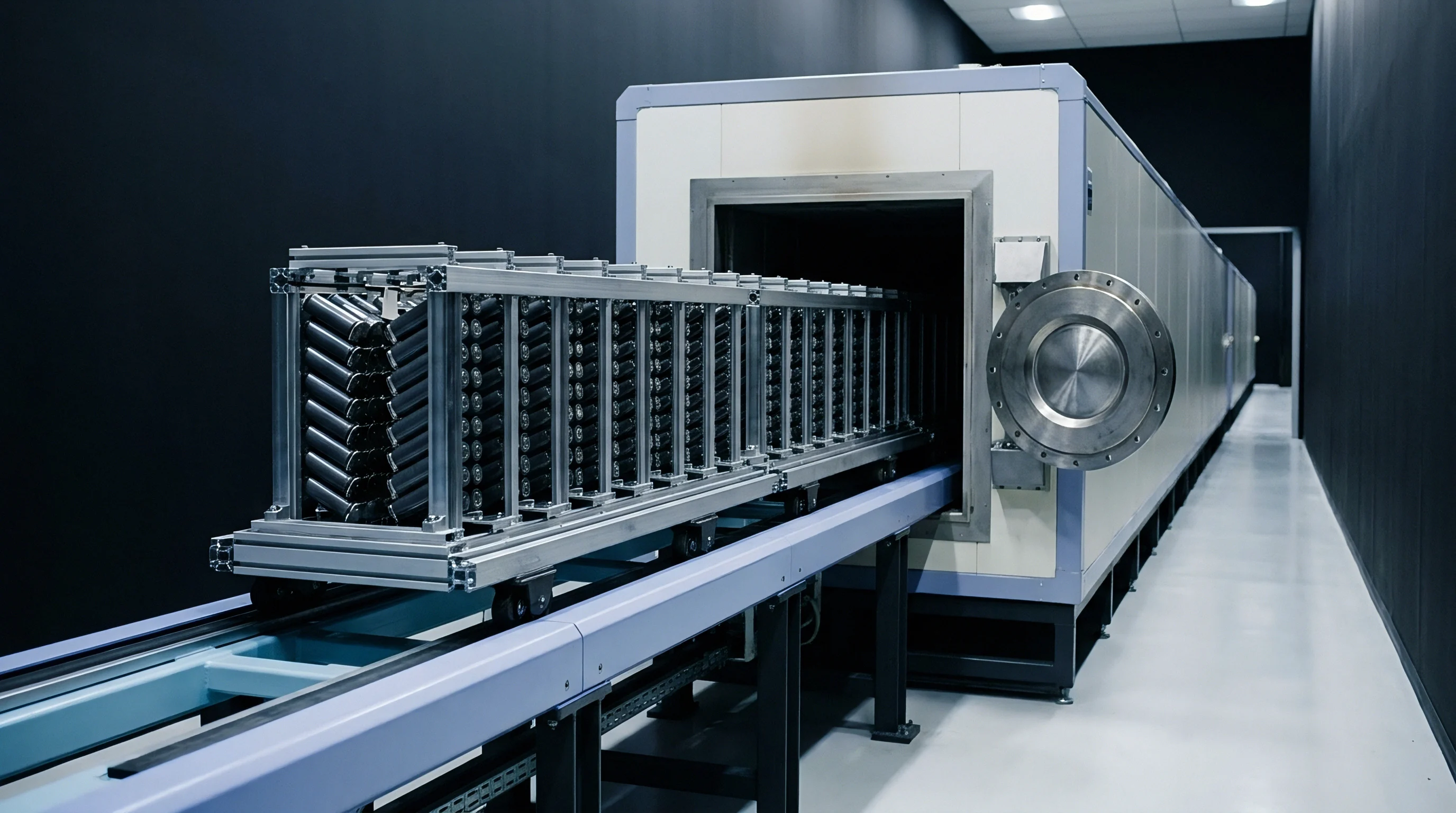
Mechanical Crimp Relaxation under Cyclic Pressure Differentials
During aircraft ascent, the drop in cabin air pressure increases the net outward force acting against the internal face of the top cap. The cap flexes outward by several micrometers. This mechanical deflection relieves compressive stress on the crimped polymeric gasket along its inner sealing shoulder.
Repeated cycling causes viscoelastic hysteresis in the polymer. The material fails to recover its initial compressed thickness when ambient air pressure returns to 101.3 kilopascals on descent. The seal ring yields.
Microscopic voids develop at the polymer-to-metal boundary layer.
Gasket compression loss exceeding twelve percent creates continuous capillary leakage routes along the header perimeter.
Prismatic formats replace mechanical crimps with laser-welded lids and glass-to-metal or ceramic feedthrough seals. Their primary mechanical vulnerability sits at the burst disc vent membrane. Engineered score lines in aluminum rupture discs localize mechanical stress so the vent activates reliably between 0.8 and 1.2 megapascals during thermal runaways.
Cyclic pressure differentials flex this thin foil membrane. Deflection work hardens the aluminum grain structure. Micro-fatigue along the scored boundary creates sub-micron fissures long before nominal rupture pressures occur.
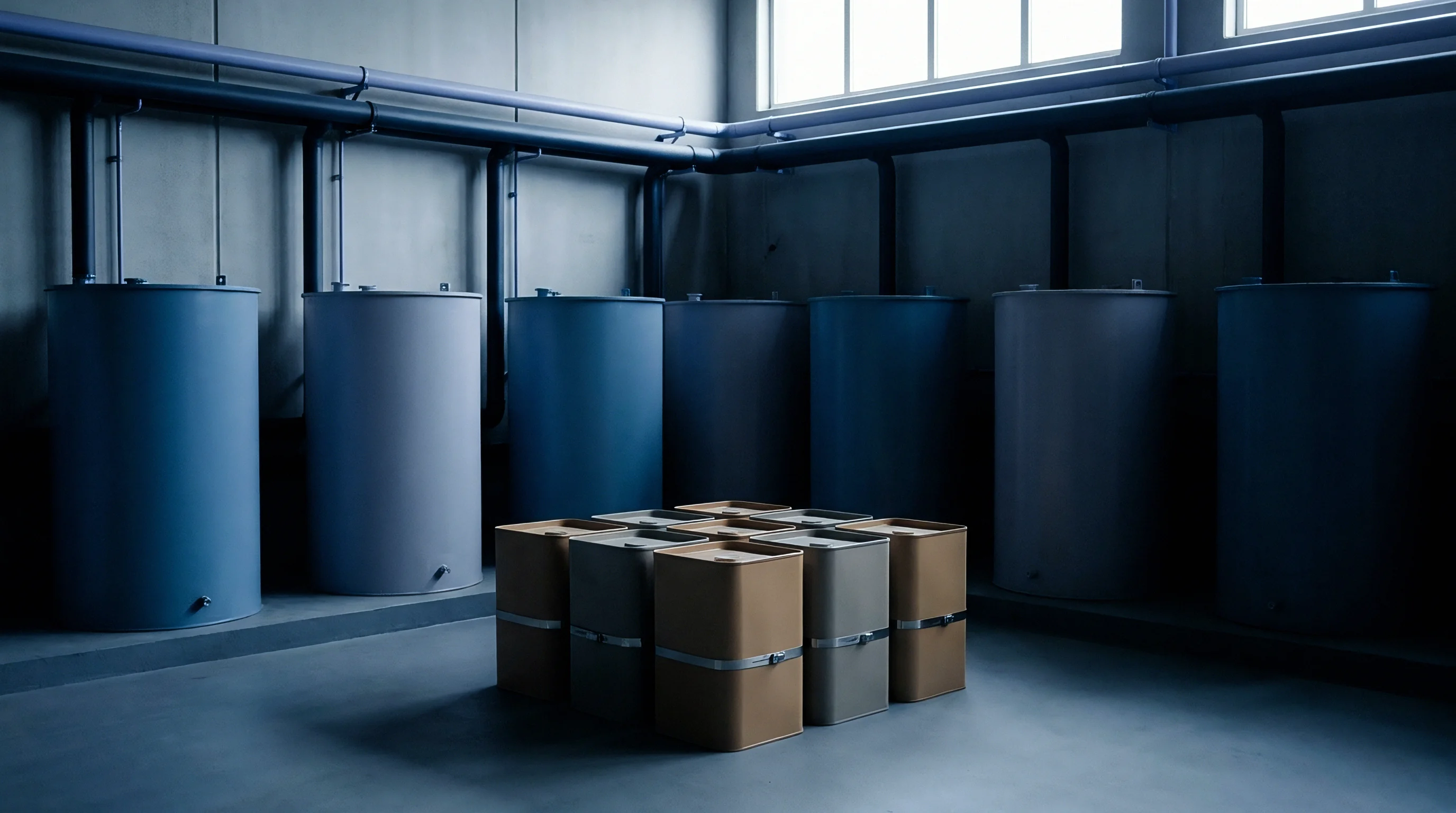
What Drives Mechanical Seal Deflection at Cruising Altitude?
Transient pressure differences between the cell interior and the transport container drive structural movement across the header interface. Factory filling operations seal cells at local ambient atmospheric pressure. Air transport reduces external resistance.
The internal gas phase expands against the flexible components of the header. Pouch cells experience volumetric expansion because their flexible aluminum-laminate casing lacks rigid wall support. The heat-sealed perimeter seam bears the entire tensile peel load generated by internal expansion.
- Interfacial Delamination occurs when cyclic tensile stress pulls the inner polypropylene layer away from the barrier foil along the heat-seal margin.
- Polymer Creep deforms the gasket material permanently under sustained outward pressure during long flight legs.
- Micro-Channel Formation establishes permanent capillary networks through which vaporized volatile organics escape into outer packaging.
- Cap Disc Fatigue micro-cracks the localized notch region of stamped metallic safety vents after multiple pressure reversals.
Helium leak rates demonstrate this progressive degradation. Freshly manufactured cylindrical cells show helium leakage rates below 1.0 multiplied by 10 to the minus 8 standard cubic centimeters per second. Ten consecutive barometric cycles from 101 to 60 kilopascals degrade that rating to 1.0 multiplied by 10 to the minus 5 standard cubic centimeters per second.
The cell retains sufficient mechanical integrity to avoid catastrophic venting while permitting continuous micro-venting of volatile vapor. The factory claims ambient humidity outside the container accounts for every trace of moisture found inside the packing sleeve.
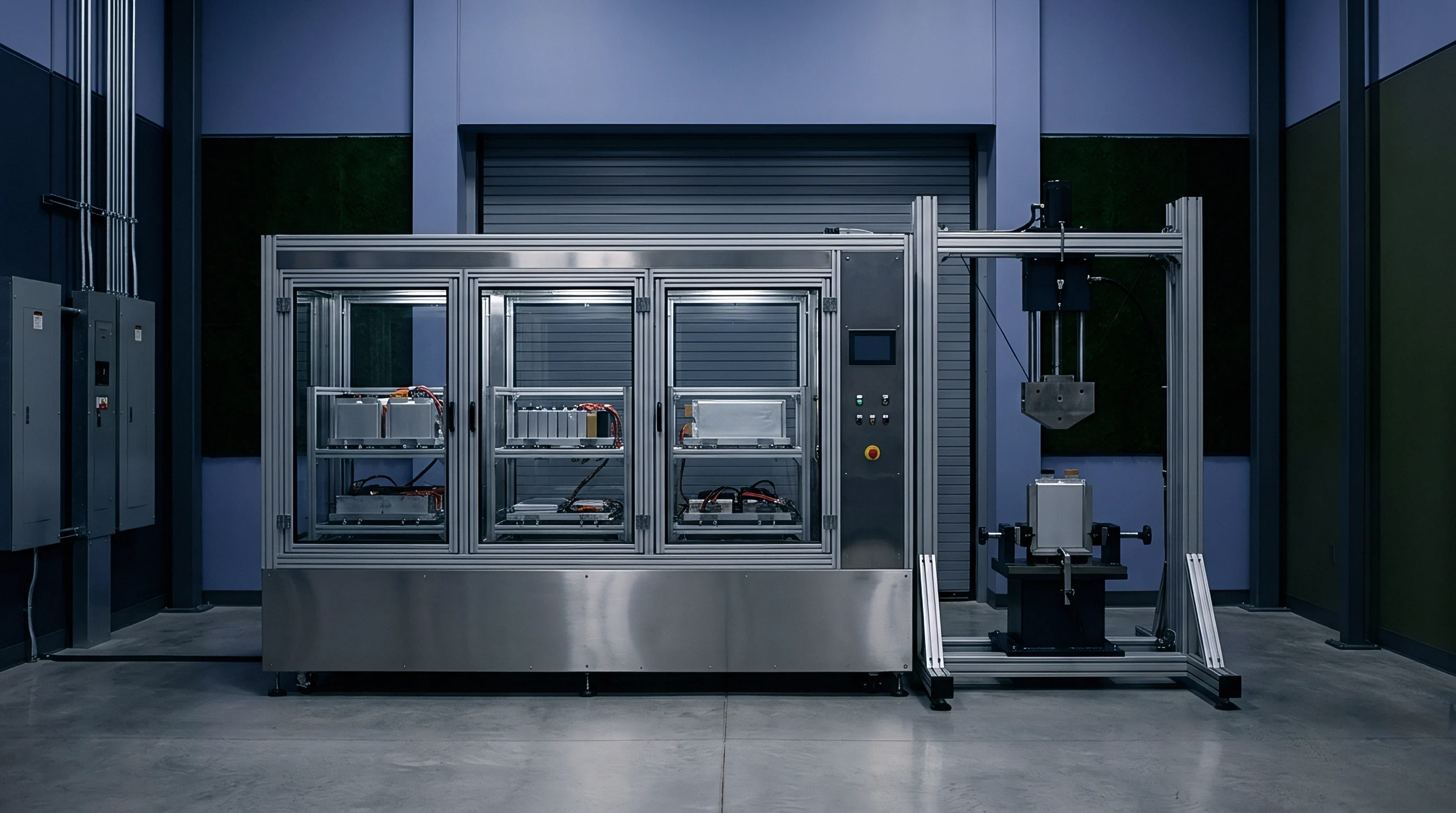
Vapor
Liquid battery formulations rely on non-aqueous solutions of lithium hexafluorophosphate dissolved in mixtures of cyclic and linear carbonic acid esters. Volatile components determine the flash point, odor, and flammability of escaped gas mixtures. Linear carbonates exhibit high volatility and low boiling points.
Dimethyl carbonate boils at 90 degrees Celsius and ethyl methyl carbonate boils at 107 degrees Celsius. Cyclic carbonates show greater thermal stability. Ethylene carbonate boils at 248 degrees Celsius and propylene carbonate boils at 242 degrees Celsius.
Solvent evaporation rates follow partial vapor pressures dictated by Raoult’s law inside the sealed cell. At a transport temperature of 25 degrees Celsius, pure dimethyl carbonate exerts a vapor pressure of 7.5 kilopascals. Ethyl methyl carbonate exerts 3.6 kilopascals.
Ethylene carbonate exerts less than 0.01 kilopascals. Evaporation converts the linear components into vapor that gathers in the cell header space. When barometric depressurization opens micro-leak channels, the volatile linear carbonates escape first.
Microscopic fissures vent solvent fractions selectively. Mass loss accumulates silently.
| Solvent Component | Molecular Mass (g/mol) | Boiling Point (C) | Vapor Pressure at 25C (kPa) | Micro-Venting Rate at 60 kPa (mg/cell/cycle) |
|---|---|---|---|---|
| Dimethyl Carbonate (DMC) | 90.08 | 90.5 | 7.52 | 0.180 to 0.420 |
| Ethyl Methyl Carbonate (EMC) | 104.10 | 107.5 | 3.61 | 0.085 to 0.190 |
| Diethyl Carbonate (DEC) | 118.13 | 126.8 | 1.45 | 0.035 to 0.080 |
| Propylene Carbonate (PC) | 102.09 | 242.0 | 0.04 | 0.002 to 0.005 |
| Ethylene Carbonate (EC) | 88.06 | 248.0 | 0.01 | 0.001 to 0.003 |
Calculation of cumulative solvent loss requires evaluating specific batch parameters. Consider a standard transport unit consisting of a steel salvage drum packed with 1,200 cylindrical 21700 cells destined for stationary grid storage assembly. Each cell contains 6.0 grams of total electrolyte formulated with a 1 to 1 weight ratio of dimethyl carbonate to ethylene carbonate.
Assume a flight route with four air transit legs between Asian manufacturing hubs and North American distribution centers. Each takeoff and landing subjects the cargo to an ascent depressurization to 70 kilopascals followed by ground repressurization.
Empirical micro-venting yields an average release rate of 0.25 milligrams of dimethyl carbonate per cell during each pressure drop. Four flight legs generate 1.00 milligram of cumulative ester release per cell. Across the entire drum consignment of 1,200 cells, total cumulative dimethyl carbonate venting reaches 1.20 grams.
Because ethylene carbonate exhibits negligible vapor pressure at 20 degrees Celsius, over 95 percent of the released mass consists of pure dimethyl carbonate. Dimethyl carbonate carries a flash point of 16 degrees Celsius. Vented vapor alters the chemical balance inside the transport drum.
Ground crews smell the esters. Whether microscopic ester loss during three consecutive feeder flights degrades long-term electrolyte conductivity remains unsettled in commercial warranty disputes.


Ullage
Transport packaging encloses cell arrays inside sealed outer receptacles to meet dangerous goods carriage requirements. Steel drums matching UN specification 1A2 or heavy corrugated fiberboard boxes with inner hermetic plastic barrier liners contain the internal atmosphere. The internal free volume between packaged cells and the outer packaging wall constitutes the ullage space.
Escaped organic vapors accumulate directly within this confined zone during transit. Barometric cycling pumps solvent vapor from individual cells into the common packaging headspace.
A closed transport drum headspace reaching four percent solvent vapor by volume enters the explosive combustion envelope.
Safety parameters depend on the lower explosive limit of the venting solvent mixture. Dimethyl carbonate exhibits a lower explosive limit of 4.22 percent by volume in air, equivalent to approximately 158 grams per cubic meter at 20 degrees Celsius. Ethyl methyl carbonate has a lower explosive limit of 3.80 percent by volume, or 164 grams per cubic meter.
Diethyl carbonate exhibits a lower explosive limit of 1.40 percent by volume. Solvent vapors collect overhead. Flammable mixtures form slowly.
Solvent Accumulation within Hermetic Packaging Barriers
When cells sit inside sealed secondary foil pouches or poly liners, the ullage volume remains restricted. Take an inner sealed moisture-barrier bag holding 200 cylindrical cells within an aggregate free air volume of 0.015 cubic meters. If cyclic depressurization vents 0.20 grams of total dimethyl carbonate into that pocket, the resulting vapor concentration reaches 13.3 grams per cubic meter.
This value remains below the lower explosive limit under static room conditions. Temperature spikes inside parked airport ramp containers raise the equilibrium vapor pressure dramatically. Cargo containers sitting on asphalt reach 60 degrees Celsius.
The elevated temperature accelerates the vaporization of residual liquid droplets clinging to header crimps. Localized vapor pockets breach lower explosive thresholds within tight inner wraps.

Will Secondary Barriers Prevent Flammable Mixture Formation?
Packaging design determines whether vapor disperses harmlessly or builds into a concentrated hazard. Hermetically sealed metallic drums trap every micro-vented molecule within the container body. Cardboard outers allow slow outward vapor diffusion into the cargo hold, reducing local drum concentration while elevating the ambient cargo compartment VOC signal.
- Active Scavenger Addition incorporates granular activated carbon inside secondary bags to adsorb linear carbonates as they escape.
- Diffusion Barrier Optimization selects multilayer barrier films with low organic vapor transmission rates below 0.5 grams per square meter per day.
- Controlled Reseal Venting fits transport containers with calibrated one-way pressure relief valves that release air during ascent while blocking inward moisture travel.
- Direct Headspace Sniffing uses handheld photoionization detectors at receiving docks to sample drum bungs before breaking mechanical security seals.
Headspace monitoring upon international customs arrival serves as a direct indicator of cell seal integrity. Container receiving protocols deploy gas chromatography or photoionization detectors calibrated to isobutylene equivalents. Readings exceeding 50 parts per million of volatile organic compounds signal active micro-venting during prior transit.
The carrier checks drum seals. Vapor accumulation exceeding flammable thresholds converts a standard cargo consignment into an undeclared dangerous goods violation that cancels shipping insurance.
Remedy
Contractual procurement terms address transit micro-venting by linking incoming inspection measurements directly to supplier warranty obligations. Typical purchase contracts treat battery shipments as conforming products if outer packages exhibit no liquid wetness and cells pass standard open-circuit voltage tests. Voltage measurements miss micro-venting completely.
A cell losing one to two milligrams of solvent shows zero initial voltage drop because the lithium inventory remains intact. Electrolyte loss degrades high-rate discharge capacity, cycle longevity, and low-temperature internal impedance months after field installation.
Commercial purchase orders incorporate specific headspace concentration thresholds within incoming quality criteria. Incoming quality inspectors deploy photoionization detectors through drum sampling ports prior to destuffing. A lot fails incoming acceptance when drum headspace volatile organic compound readings exceed 25 parts per million at 20 degrees Celsius.
The buyer rejects the entire pallet consignment without incurring return freight charges or restocking penalties. Helium testing misses this. Customs halts the shipment.
| Detector Signal (ppm VOC) | Estimated Mass Loss (mg/cell) | Cargo Safety Designation | Commercial Quality Action |
|---|---|---|---|
| Under 5.0 | Under 0.05 | Clean / Normal Aging | Lot released to active production queue |
| 5.0 to 25.0 | 0.05 to 0.25 | Minor Permeation Trace | Conditional release with lot impedance tracking |
| 25.1 to 100.0 | 0.26 to 1.00 | Elevated Fugitive Micro-Venting | Quarantine lot; initiate supplier quality claim |
| Over 100.0 | Over 1.00 | Hazardous Atmosphere Detected | Formal rejection; trigger dangerous goods incident report |
| Testing conditions assume photoionization detector calibrated to isobutylene, 1A2 steel drum with 20 percent ullage volume, measured at 20C within two hours of container unloading. | |||
Air transport regulations treat fugitive emissions under strict reporting rules. Packing Instruction 965 and Packing Instruction 952 of the International Air Transport Association Dangerous Goods Regulations forbid packages releasing dangerous quantities of toxic or flammable vapor. A consignment emitting detectable ester odors during cross-dock handling faces immediate carrier refusal.
Cargo forwarders quarantine suspected pallets on airport ramps, billing the shipper of record for environmental containment, hazmat survey fees, and repacking costs. Vented vapor voids the manifest. The demurrage invoice arrives daily.
Special Provision A88 in the dangerous goods regulations forces the consignor to assume total indemnification for cleanup and quarantine expenses once volatile solvent readings breach customs thresholds.