Restructuring Dedicated Battery Component Tooling Contracts across Cross Border Asset Buyout Transactions
Novate dedicated battery tooling contracts using tripartite agreements with micrometer tolerance audits, re-indexed shot-life valuation, and cleared assist filings.


Novation
Cross-border asset purchase agreements frequently stall when proprietary battery component tooling remains legally tied to solvent or insolvent regional subsidiaries. In cross-border M&A transactions involving electric vehicle battery pack assemblies or cell manufacturing infrastructure, physical stamping dies, injection molds, and ultrasonic welding jigs often sit inside tier-two vendor plants under historical purchase orders. When an acquiring entity purchases the asset portfolio of a target corporation, transferring legal rights to these custom tools demands a structured tripartite novation framework rather than a generic assignment clause.
Direct assignment of purchase orders fails when original supply agreements contain non-assignment covenants or localized retention-of-title restrictions. The novation process replaces the legacy counterparty with the buyer entity, extinguishing existing liabilities while transferring operational rights and intellectual property licenses attached to the physical die set. Failure to execute precise novation documentation leaves the acquiring party exposed to third-party creditor claims if the seller enters corporate restructuring or bankruptcy proceedings in the local jurisdiction.
A contract novation clause that omits explicit transfer of ongoing tooling warranty claims forfeits buyer recourse for baseline tolerance drift.
Securing vendor consent requires resolving outstanding engineering change orders and unamortized fixture costs prior to closing. Tier-two suppliers often utilize corporate buyouts as leverage to negotiate price increases or clear historical tooling maintenance debts. Mapping every active tool drawing against historical purchase invoices establishes the precise commercial baseline needed to execute binding novation schedules.

Tripartite Novation Structure in Cross Border Asset Transfers
Executing a valid novation demands concurrent execution between the seller, buyer, and the contract manufacturing facility housing the asset. The agreement defines the exact moment liability transfers, the settlement of historical non-recurring engineering charges, and the ongoing ownership of custom mold components. Without explicit tripartite consent, localized courts may classify tooling housed in foreign plants as inventory of the local contract manufacturer, subjecting high-value stamping assets to general supplier liens.
| Acquisition Model | Title Passage Trigger | Vendor Consent Exposure | Tooling Recourse Mechanism | Freight and Tax Liability |
|---|---|---|---|---|
| Direct Asset Purchase | Escrow Release Confirmation | High Negotiation Risk | Direct Replevin Demand | Buyer Imports Under New Tariff Basis |
| Corporate Entity Buyout | Share Transfer Closing | Low Direct Resistance | Legacy Contract Retention | Inherited Tax Basis and Historical Liens |
| Distressed Asset Receivership | Court Order Execution | Extreme Restructuring Friction | Super-Priority Claim Rights | Exempt from Prior Debts, Duty Re-entry |
Jurisdictional variances between the buyer parent company and the foreign manufacturing subsidiary complicate enforceability. Incorporating specific governing law selection alongside recognized international commercial terms isolates the buyer from local insolvency freezes. Title passes upon payment.

Title Transfer Timing and Vendor Consent Encumbrances
Disputes originate when asset purchase agreements declare immediate title transfer while underlying purchase orders mandate final component acceptance before title vests. When custom battery enclosures require progressive die stamping, tooling remains incomplete until final first-article inspection approval. Buyers must harmonize asset transfer dates across corporate purchase contracts and line-level qualification certificates to prevent ownership gaps.
Section 14.2 of the master tooling transfer agreement stipulates that unassigned tooling rights automatically vest in the buyer upon written tender of payment into an international escrow account.


Clamp
Physical inspection of transferred tooling reveals hidden structural degradation and dimensional drift that paper contracts mask. Stamping dies for prismatic cell caps, pouch cell sealing jaws, and module end-plate fixtures operate under continuous thermal and mechanical stress. Transferring these assets across manufacturing sites or legal entities without physical benchmarking introduces production line downtime during new product introduction ramps.
Dimensional tolerance stack-ups on lithium-ion battery enclosures demand micrometer-level precision to ensure structural integrity and thermal pad contact pressure. High-volume cell holder injection molds suffer core pin wear and cooling channel scaling over extended production runs. Inspecting physical clamp mechanisms, alignment pins, and hydraulic interfaces establishes the baseline condition prior to equipment relocation.

Physical Tooling Audit and Dimensional Tolerance Verification
Metrology audits utilize coordinate measuring machines and optical laser scanners to map physical tooling surfaces against original computer-aided design files. Wear on high-speed progressive stamping dies alters the burr height on aluminum cell cover plates, directly causing micro-shorts along peripheral laser welds. Auditing tooling dimensions before signing contract assignment paperwork isolates historical degradation from transport damage.
Die clearance deviations exceeding twelve micrometers across a four-cavity prismatic aluminum cap mold double the rate of burst-disc laser welding defects at nominal line speeds.
Laser welding fixtures for module busbars require exact clamping force to maintain zero-gap fit-up across nickel-plated copper junctions. Deformation in mechanical toggle clamps alters pressure distribution, causing cold welds and elevated internal resistance. Verification protocols measure surface flatness across all clamping faces under full pneumatic load.
- Burr Formation Limits Stamping die clearances widen over extended strokes, generating edge burrs exceeding twenty-five micrometers on battery cap assemblies.
- Thermal Profile Decay Sealing jaw heating elements develop internal hot spots, causing localized over-melting of laminate pouch foil material.
- Pin Alignment Drift Guide pin wear on high-cavity module bracket molds induces asymmetric wall thickness across structural polymer frames.
- Hydraulic Seal Degradation Internal cylinder seal breakdown reduces holding pressure on automated battery enclosure forming presses.
Tolerances determine cell yield. Machine shops refurbish worn die inserts prior to physical asset handover to restore target component geometry. Documenting wear parameters establishes clear baseline metrics for subsequent warranty enforcement.

Wear Profiling of Critical Stamping Dies and Fixture Assemblies
Stamping dies for battery busbars experience cumulative abrasive wear, altering cut-edge taper and surface finish. Analyzing historical stroke counter logs against actual physical dimensional drift establishes remaining operational life. Dies operating near total stroke capacity demand immediate re-tooling allowances within restructured asset acquisition budgets.
Failing to verify fixture alignment before executing cross-border asset transfers exposes the acquiring entity to catastrophic line downtime and multi-million dollar die retooling expenses during product ramp.


Valuation
Financial asset write-downs and tax disputes emerge when book values for dedicated battery component tooling diverge from physical utility. Accounting schedules depreciate tooling using linear time-based models, whereas battery manufacturing dies degrade as a direct function of total stroke counts and cycle intensity. Restructuring contracts demands recalibrating asset valuation based on remaining rated production capacity.
Cross-border asset transfers trigger scrutiny from tax authorities monitoring transfer pricing and capital gains. Transferring specialized battery tooling at arbitrary accounting book values invites penalty assessments from customs agencies and domestic tax authorities. Appraising physical dies using standardized replacement-cost methods adjusted for verified wear mitigates compliance exposure.
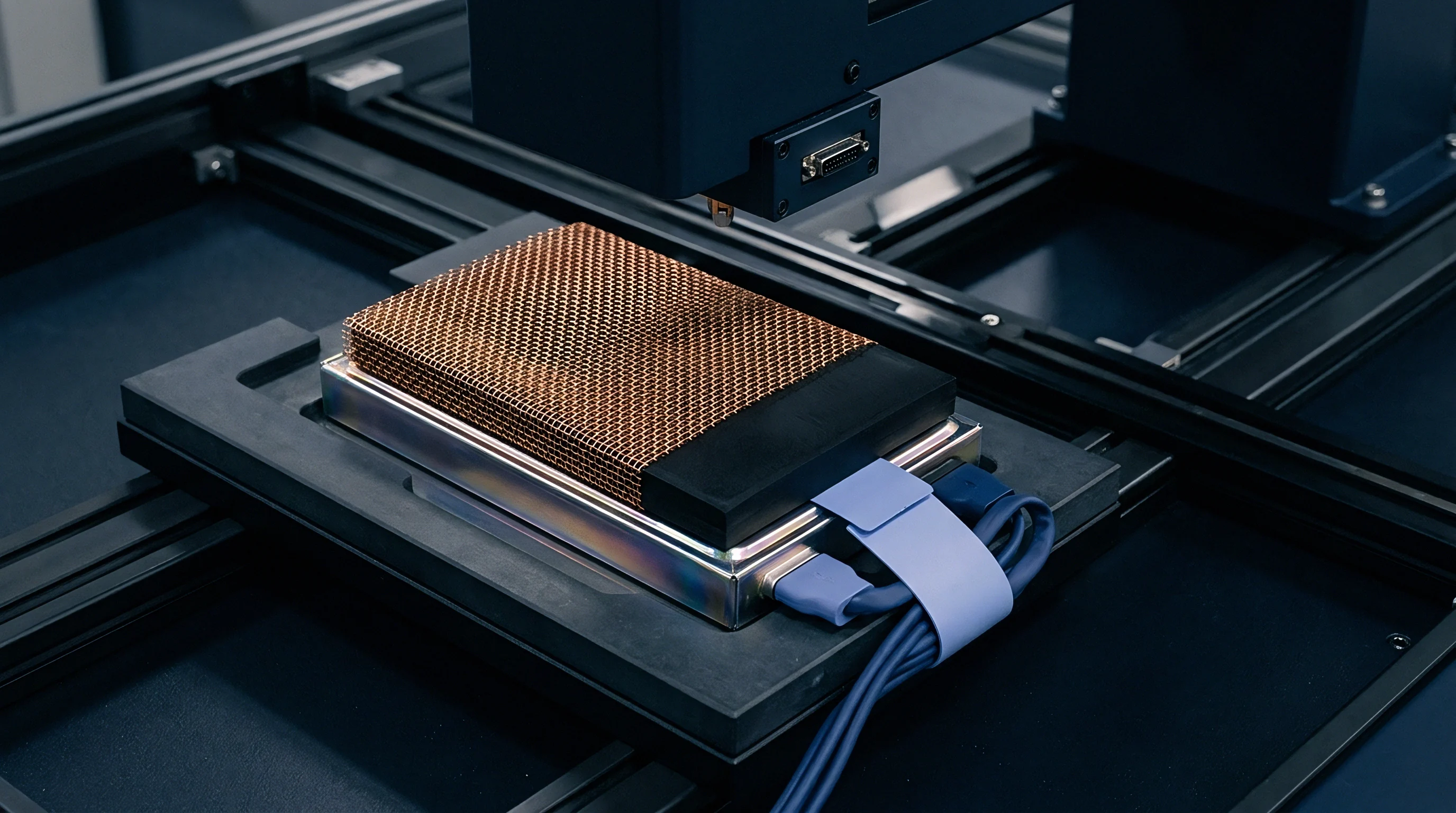
Amortization Recalculation Based on Remaining Cycle Life
Calculating the true financial value of dedicated battery tooling requires evaluating initial non-recurring engineering charges against total achieved unit cycles. A progressive die rated for two million strokes that completed one point two million operations retains forty percent of its functional structural value, irrespective of asset age on balance sheets. Adjusting purchase price allocation metrics prevents over-capitalization of legacy manufacturing assets.
| Component Tooling Class | Initial Shot Life Rating | Wear Limit Threshold (mm) | Residual Value Factor formula | Tax Basis Adjustment |
|---|---|---|---|---|
| Prismatic Cap Stamping Die | 3,000,000 | 0.015 Burr Rise | (Rated – Actual) / Rated | Straight-Line Machine Accelerated |
| Pouch Cell Heat Seal Jaw Set | 500,000 | 0.050 Flatness Loss | Surface Profile Metrology Metric | Impairment Write-Down Applied |
| Module Structural Injection Mold | 1,000,000 | 0.080 Core Shift | Cavity Pressure Curve Deviation | Transfer Price Fair Market Value |
| Automated Busbar Weld Fixture | 750,000 | 0.030 Location Drift | Clamping Force Retention Index | Salvage Value Floor Settlement |
Accelerated wear caused by abrasive filler materials in flame-retardant polymers shortens injection mold lifespan significantly. Financial auditors adjust depreciation rates down when chemical testing confirms high resin glass-fiber content. Molds wear unevenly.

Cross Border Asset Appraisal and Transfer Pricing Exposure
Customs agencies recalculate import values when tooling transfers between related corporate entities at below-market rates. Independent engineering appraisals evaluate original component drawings, material specifications, and physical wear data to substantiate arm’s-length valuation filings. Maintaining transparent documentation prevents customs delays during international transit.
Unamortized tooling expenses retained on a supplier ledger create direct customs duty tax liabilities upon physical export.
Tooling assets evaluated strictly on accounting depreciation rather than physical stroke counts consistently misstate the landed cost of manufactured components.


Customs
Shipping custom battery component tooling across international borders subjects assets to strict tariff classifications and customs assist regulations. When a buyer supplies dedicated dies or molds to an overseas contract manufacturer without financial compensation, customs authorities reclassify the physical tool as an assist. Import agencies add the prorated fair market value of the buyer-furnished tooling directly to the dutiable value of finished battery components entering the destination market.
Mistakes in declaring tooling assists lead to severe tariff penalties, retroactive duty assessments, and seizure of imported cell components. Structuring cross-border asset buyout contracts demands explicit clauses allocating responsibility for duty payments, temporary export filings, and bonded warehouse management. Tariffs alter landed economics.

Which Jurisdiction Governs Cross Border Tooling Duty Liabilities?
Determining duty jurisdiction depends on the physical location of the tooling and the legal residency of the entity retaining ownership. When foreign manufacturing assets transfer to an offshore holding company, local customs codes govern export licensing requirements for specialized dual-use manufacturing hardware. Tooling designed for high-capacity battery production often falls under national export control registers due to strategic energy technology classifications.
Executing international asset transfers without cleared export authorizations halts physical shipments at ports of departure. Legal counsel verifies whether stamping dies or automated winding fixtures require specific dual-use export permits before attempting international freight forwarding.
- Obtain original customs entry declarations and commercial invoices from the target entity’s freight records.
- Conduct physical serial number audits on all die sets to ensure compliance with export declaration manifests.
- Submit temporary import under bond documentation to foreign customs authorities prior to physical tool extraction.
- File updated tooling assist schedule declarations with destination customs offices prior to component import.

Bonded Movement and Temporary Admission Regulations for Tooling Dies
Utilizing temporary admission protocols allows acquiring entities to move high-value molds into overseas contract manufacturing plants without triggering immediate import duties. Carnets and temporary import bonds suspend duty payments provided the tooling exits the jurisdiction within prescribed regulatory windows. Equipment title requires proof.
Customs authorities treat buyer-furnished tooling as assists, adding their fair market value directly to the declared dutiable value of imported battery components.
Subcontractors frequently state that physical tooling delivery delays originate from missing customs release notes when internal export paperwork was never filed.


Warranty
Restructuring dedicated tooling contracts requires renegotiating underlying quality guarantees and maintenance SLA parameters. Original equipment manufacturers typically warrant tooling for a specified shot life under controlled operating conditions. When an asset buyout changes the operating entity, location, or resin vendor, tier-one suppliers often invalidate historical warranty commitments.
Establishing continuous warranty coverage demands structured refurbishment protocols, defined preventative maintenance cycles, and agreed scrap rate thresholds. Component buyers write strict scrap rate penalty clauses into restructured supply contracts to protect against degraded tooling performance. Scrap rates escalate rapidly.

Maintenance Obligations and Refurbishment Cost Allocation
Routine tooling maintenance includes cleaning core pins, polishing cavity surfaces, replacing worn ejector pins, and sharpening cutting punches. Defining the boundary between routine maintenance paid by the contract manufacturer and major capital overhauls funded by the asset owner prevents operational disputes. Supply contracts mandate detailed maintenance logbooks tied to stroke counters integrated into the physical mold frame.
A scrap rate exceeding two point five percent on module busbar stamping runs triggers non-conformance penalties under restructured supply agreements.
Overhauling worn multi-cavity dies requires specialized precision machining capabilities often unavailable at contract manufacturing plants. Restructured contracts specify qualified machine shop vendors for major refurbishments, eliminating unauthorized local tool modifications.

Yield Threshold Benchmarks and Vendor Scrap Indemnification
Yield performance ties directly to mechanical tooling integrity during high-speed production runs. Degradation in module assembly fixtures causes cell misalignment, resulting in rejected battery module sub-assemblies during automated laser welding steps. Establishing clear scrap allowance limits holds vendors financially responsible for excess raw material waste caused by unmaintained customer-owned tooling.
- Baseline Yield Criteria Defining target component acceptance rates using standard first-pass yield metrics recorded during initial first-article inspection trials.
- Scrap Cost Reimbursement Establishing financial compensation schedules where suppliers reimburse full raw material costs whenever tooling wear causes scrap rates above threshold limits.
- Tooling Modification Approvals Restricting suppliers from altering core dimensions, gate locations, or cooling lines without prior written authorization from the buyer engineering team.
- Preventative Maintenance Audits Reserving buyer audit rights to physically inspect maintenance logs and tool condition at supplier facilities with twenty-four hours notice.
It remains uncertain how international tribunals will treat scrap rate guarantees when physical tooling is relocated across continents to facilities with differing ambient humidity and operator skill levels.


Arbitration
Enforcing contract rights across international boundaries requires robust dispute resolution mechanisms embedded within master tooling agreements. Cross-border asset acquisitions carry inherent jurisdictional risks, particularly when physical tools remain inside foreign vendor facilities. Standard local court litigation often results in asset freezes or delayed remedies when disputes arise over tooling title or production allocation.
Selecting neutral international arbitration frameworks ensures enforceable judgments under the New York Convention on the Recognition and Enforcement of Foreign Arbitral Awards. Contracts specify established arbitral seats such as London, Singapore, or Geneva, avoiding home-court advantages for foreign contract manufacturing partners. Arbitral rules allow interim relief orders, enabling buyers to secure emergency injunctions to recover physical tooling during contract disputes.

Replevin Enforcement and Physical Asset Recovery Mechanics
Physical repossession of custom tooling demands explicit contract language granting self-help replevin rights to the legal owner. When a vendor defaults or refuses to transfer assets following contract restructuring, physical access provisions authorize buyer representatives to enter supplier premises and extract designated dies. Local enforcement of international arbitral orders requires filing emergency petitions in the district court possessing physical jurisdiction over the manufacturing facility.
| Arbitral Seat | Injunction Speed for Replevin | IP Protection Index | Asset Seizure Reliability | Local Enforcement Recourse |
|---|---|---|---|---|
| Singapore (SIAC) | Fast (Emergency Arbitrator 14 Days) | High International Standard | High via Bilateral Treaties | Direct District Court Order Execution |
| London (LCIA) | Moderate (21 to 30 Days) | High Established Case Law | High Global Enforcement | High Reciprocal Recognition |
| Hong Kong (HKIAC) | Fast (Emergency Order Provision) | High Specialized IP Bench | Moderate Regional Variations | Cross-Border Mainland Arrangement |
| Domestic Local Court | Slow (Months to Years) | Variable Local Bias Risk | Low Subject to Local Injunctions | Direct Law Enforcement Access |
Maintaining secondary escrow arrangements for critical CAD files and manufacturing parameters ensures rapid re-tooling at alternative vendor sites if recovery fails. physical possession determines control.

Jurisdictional Forum Selection for Multi Asset Buyout Disputes
Structuring multi-jurisdictional buyout agreements requires harmonizing choice-of-law clauses across all asset transfer schedules, supply agreements, and tooling bailment contracts. Contradictory forum selection clauses between master purchase agreements and localized purchase orders create procedural impasses during breach of contract litigation. Standardizing arbitration clauses across every contractual layer guarantees consolidated proceedings in a single legal forum, reducing legal fees and eliminating conflicting judicial rulings during complex corporate restructuring operations.