Meaning
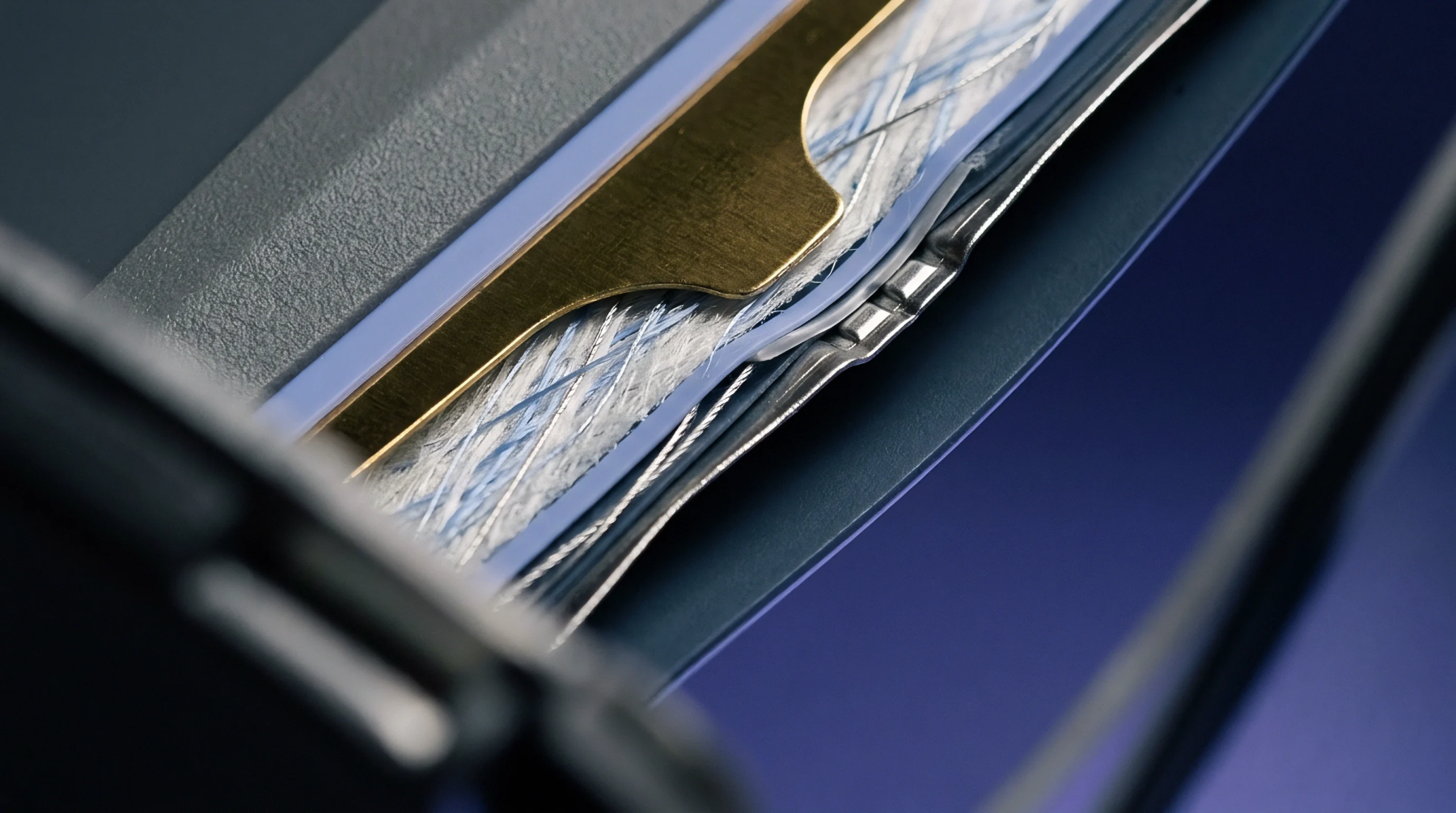
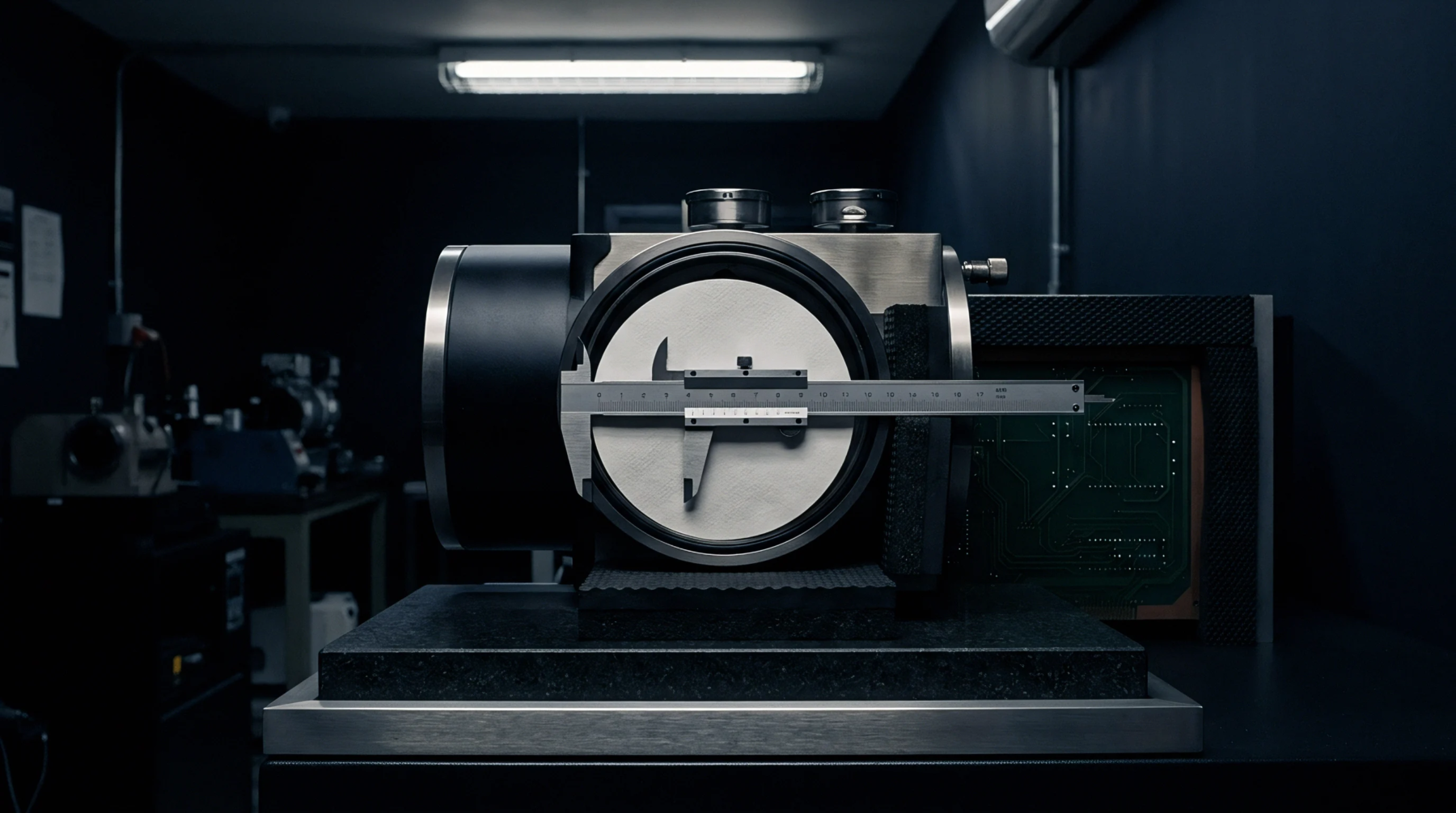
A high-precision manufacturing process uses a concentrated light beam to join metal components in battery packs. This laser welding is used to connect cell tabs to busbars and to seal the outer metal cans of prismatic cells. In cell purchasing, the quality of these joints determines the electrical resistance and vibration resistance of the pack.
The process applies to thin metallic foils and thick conductive plates, and it stops applying to wire-bonded or mechanical terminations. Buying decisions are influenced by the low thermal impact and high throughput of this joining method.
Process Mechanism
The system focuses a high-power laser beam onto the interface of the two metals to be joined. This action melts a small region of the metals, which fuse together upon cooling. The process operates in milliseconds, which prevents heat from transferring to the sensitive internal materials of the cell.
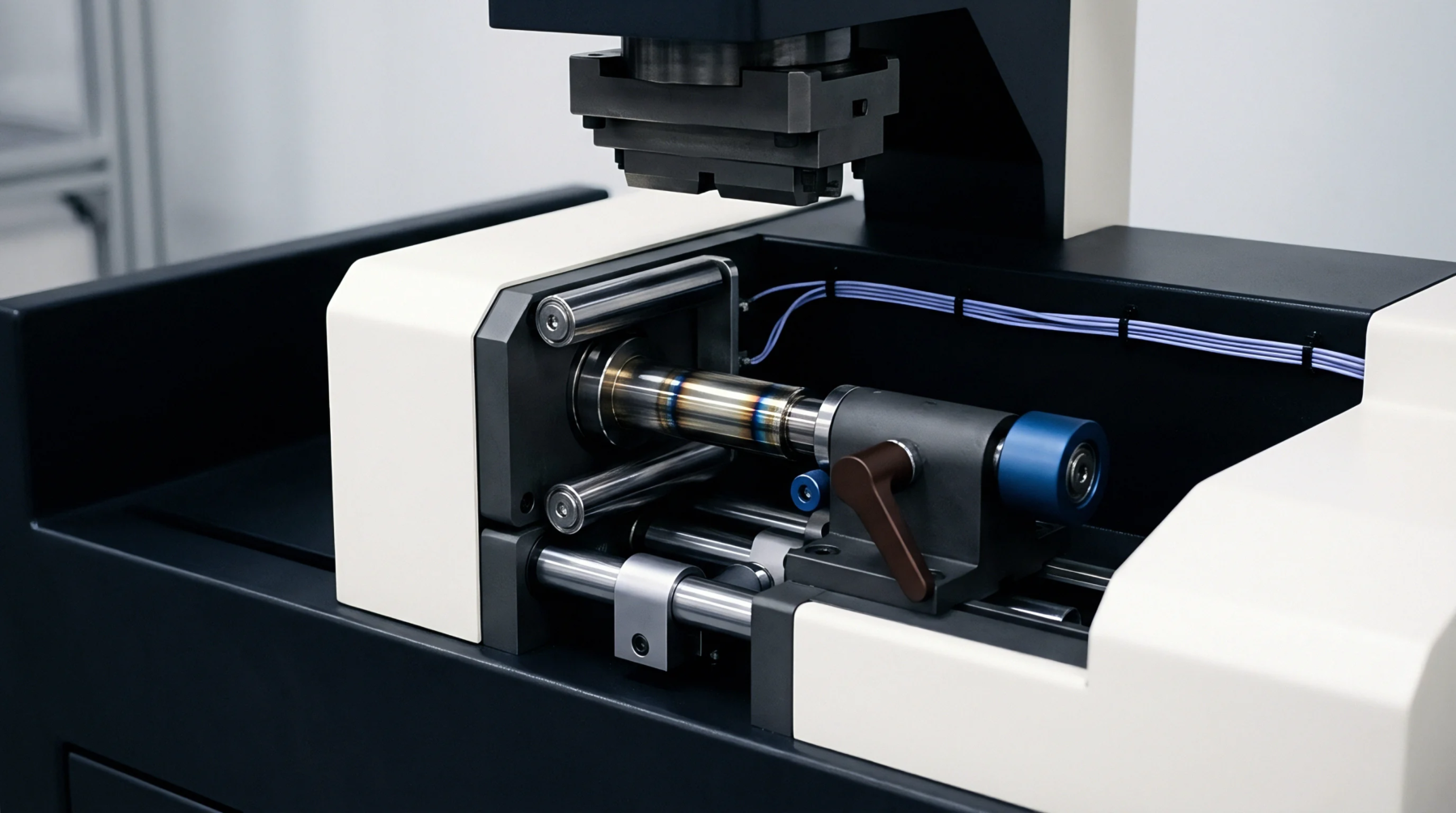
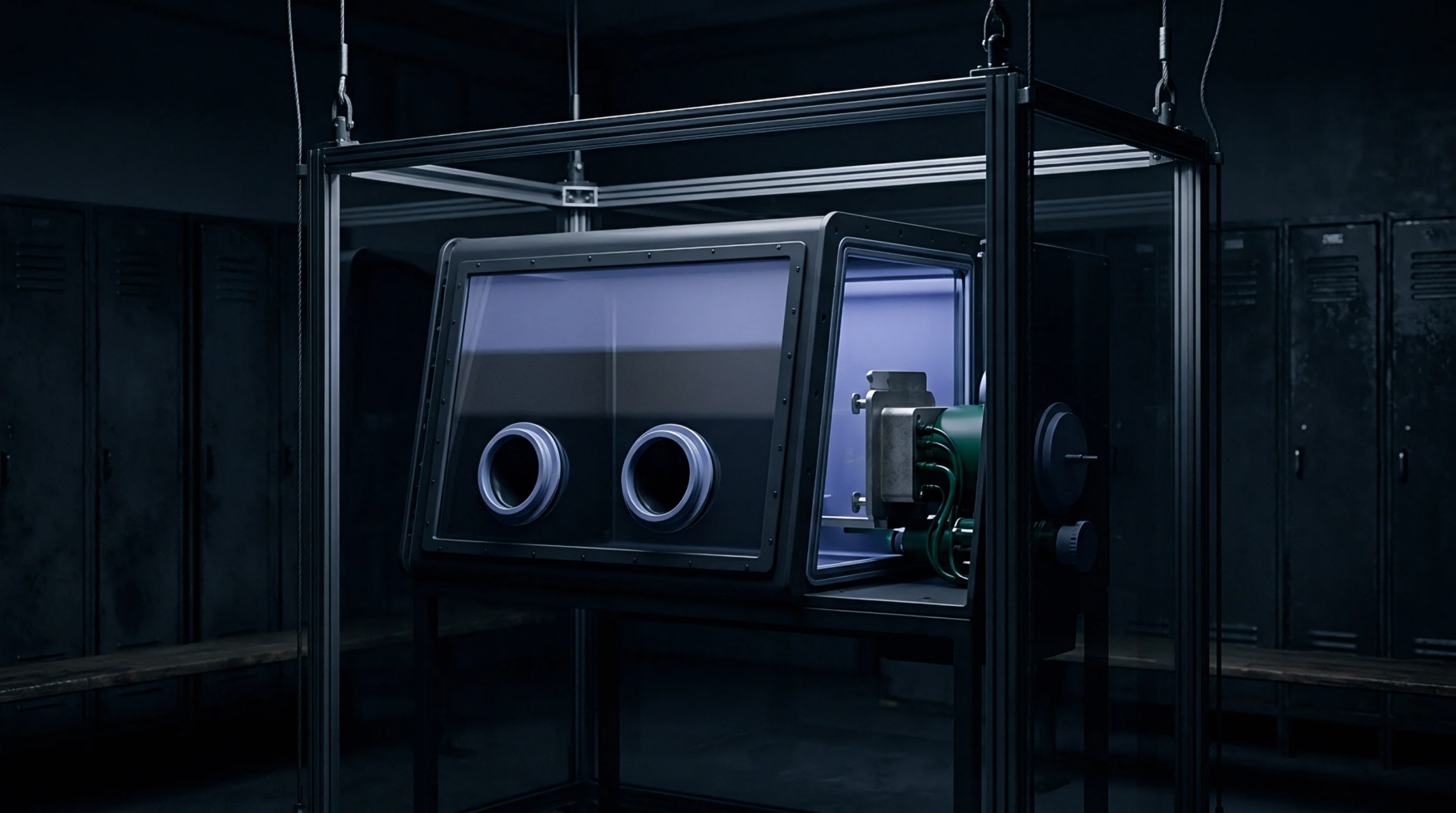
Shielding gases like argon or nitrogen are used to prevent oxidation of the weld pool. This shielding ensures a clean, conductive joint with low electrical resistance. Automation systems use vision sensors to align the laser beam with the joint line.
This alignment is critical because even minor deviations can burn through the cell casing.
Assembly Selection
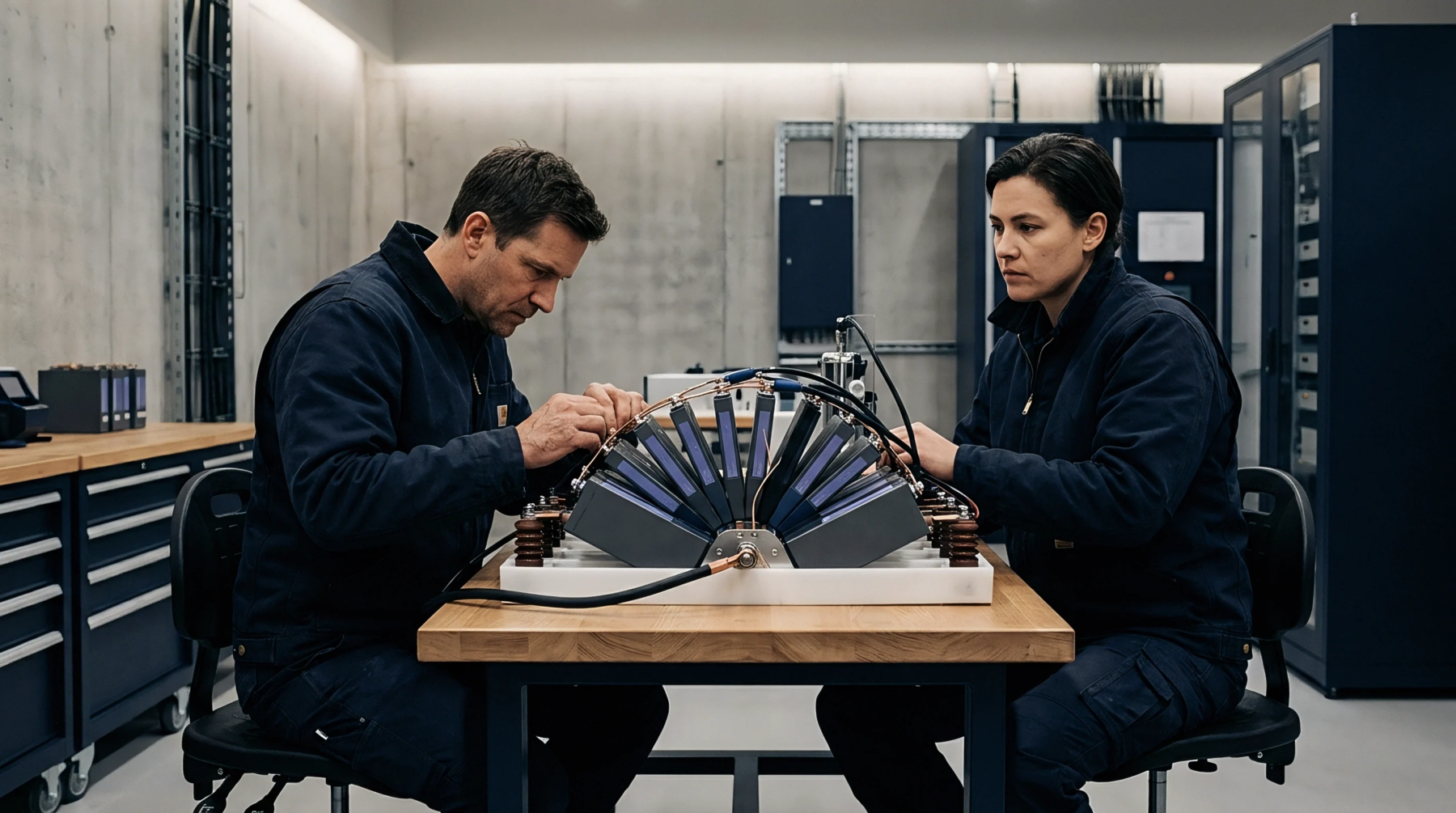
Production engineers choose this process for its speed and mechanical strength compared to traditional resistance welding. This laser welding method allows the use of copper and aluminum busbars which have high thermal conductivity. Sourcing teams verify that the supplier uses real-time weld monitoring systems to detect defects.
Poor joints cause localized heating and voltage drops during vehicle operation. Importers require non-destructive pull tests and optical inspections to confirm the weld quality. This verification minimizes the risk of joint failure under high vibration loads.
Mechanical Durability
High-quality welded joints are essential for withstanding the mechanical stress of automotive applications. When laser welding is performed correctly, the joint strength exceeds the strength of the base metal. This durability prevents the busbars from detaching when the battery pack is subjected to road vibration.
Failed joints lead to open circuits or high-resistance paths that disable the entire module. The process must be tightly controlled to avoid spatter, which can cause electrical shorts. Regular maintenance of the laser optics is necessary to maintain consistent energy delivery.