Tooling Non Recurring Engineering Amortization Limits in Custom Battery Packs
Amortizing custom battery pack tooling costs into unit prices introduces volume clawback risks that are mitigated by itemizing physical molds as client-owned capital assets.


Capital
Upfront non-recurring engineering fees represent the primary hurdle when transitioning from off-the-shelf battery modules to custom pack architectures. Custom packs require dedicated tooling, bespoke BMS wiring harnesses, board layout revisions, and targeted compliance testing. Procurement teams generally divide these upfront outlays into physical tooling assets and non-physical engineering services.
The physical side covers hardened injection molds, extrusion dies, cell holder stamp tooling, nickel-plated copper busbar stamping dies, and automated weld fixtures. Non-physical engineering spans firmware adjustments, thermal simulation work, CAD layout, and test laboratory slot bookings.
Tooling assets depreciate, and rolling physical tool costs into the pack unit price distorts long-term margins. When a pack maker absorbs initial tooling to amortize it across early production runs, the per-unit price inflates accordingly. Reaching the projected volume target liquidates the tooling cost as scheduled, opening the door for unit prices to step down.
If volume misses projections, the supplier typically invokes clawback clauses or holds onto the physical dies, preventing the customer from shifting production to a different assembly plant.
Direct capital payments for tooling secure clear ownership for the buyer, provided the procurement agreement isolates tooling line items from general engineering labor. Combining engineering hours and physical mold fabrication into a single lump sum encourages tax authorities and corporate accountants to classify the entire invoice as a service expense rather than a capital asset, delaying legal title until final payment settles.
Custom injection tooling for flame-retardant polycarbonate enclosures incurs an upfront expenditure of 45,000 to 120,000 USD depending on cavity count and surface texture.
Custom development programs require a clean asset breakdown before cutting steel. Matching the physical life expectancy of each tool against lifecycle volume forecasts prevents surprise re-tooling expenses mid-program.

Non Recurring Engineering Asset Categories
Tooling wear rates vary widely across components. High-pressure die-cast aluminum housings run in hardened steel dies that endure 100,000 to 300,000 shots before critical dimensions drift. Stamping dies for nickel-plated copper busbars often reach 500,000 strokes, while silicone perimeter gaskets depend on cheaper compression tooling that degrades after roughly 20,000 cycles.
Non-physical engineering deliverables do not wear out, but their intellectual property terms determine whether source code, Gerber files, and mechanical assembly drawings transfer at project sign-off.
| Asset Description | Tooling Category | Typical NRE Range (USD) | Expected Lifespan (Cycles/Units) | Ownership Transfer Standard |
|---|---|---|---|---|
| Plastic Enclosure Injection Molds | Hard Tooling | 45,000 – 120,000 | 100,000 shots | Transfers upon full invoice payment |
| Busbar Stamping Dies | Hard Tooling | 15,000 – 35,000 | 500,000 strokes | Transfers upon full invoice payment |
| Ultrasonic / Laser Weld Fixtures | Soft Tooling | 8,000 – 22,000 | 50,000 cycles | Retained by pack assembly factory |
| BMS PCB Stencil and Test Jigs | Soft Tooling | 5,000 – 12,000 | 100,000 boards | Transfers upon full invoice payment |
| Firmware Development and Validation | Engineering Service | 25,000 – 80,000 | N/A (Software) | Executable licensed; source code restricted |
| UN 38.3 & IEC 62133 Certification | Compliance Dossier | 18,000 – 45,000 | Pack design life | Test report owned by applicant of record |
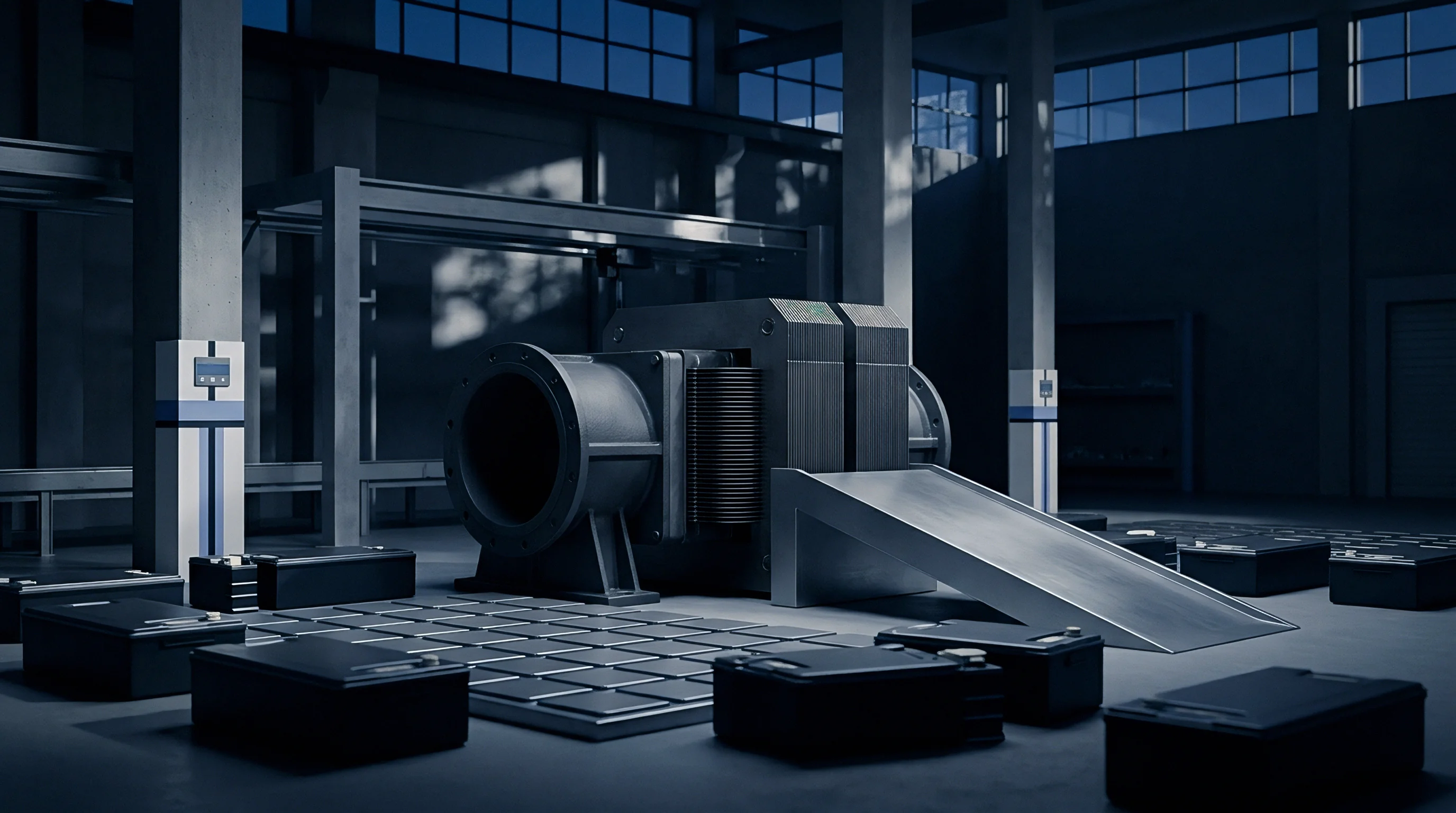
Tooling Amortization Financial Mechanics
Amortization structures spread upfront capital across scheduled shipments. In practice, an integrator might add 5.00 to 15.00 USD per pack over the first 10,000 units to recover a 100,000 USD tooling bill. Complications surface when order volumes fall behind schedule.
A buyer taking delivery of only 3,000 units over twelve months leaves the integrator holding 70,000 USD in unrecovered tooling costs. Without contractual volume floors, the manufacturer will typically demand price renegotiations or halt shipments.
- Itemize hard tooling expenses separately from software development labor within the master engineering quote.
- Establish fixed volume milestones where unit prices drop immediately upon full amortization of the agreed tooling value.
- Define explicit transfer protocols for physical molds, specifying that title transfers upon receipt of the final amortization installment.
- Audit supplier labor hours assigned to custom wire harness layouts and structural thermal simulations before signing NRE release forms.
- Draft clear early-termination compensation schedules that calculate remaining unpaid tooling balances without added margin penalties.
Signing an NRE contract without isolating physical tool assets from engineering labor gives the pack manufacturer outsized operational leverage, often preventing the buyer from recovering injection molds or stamping dies during a production transfer.

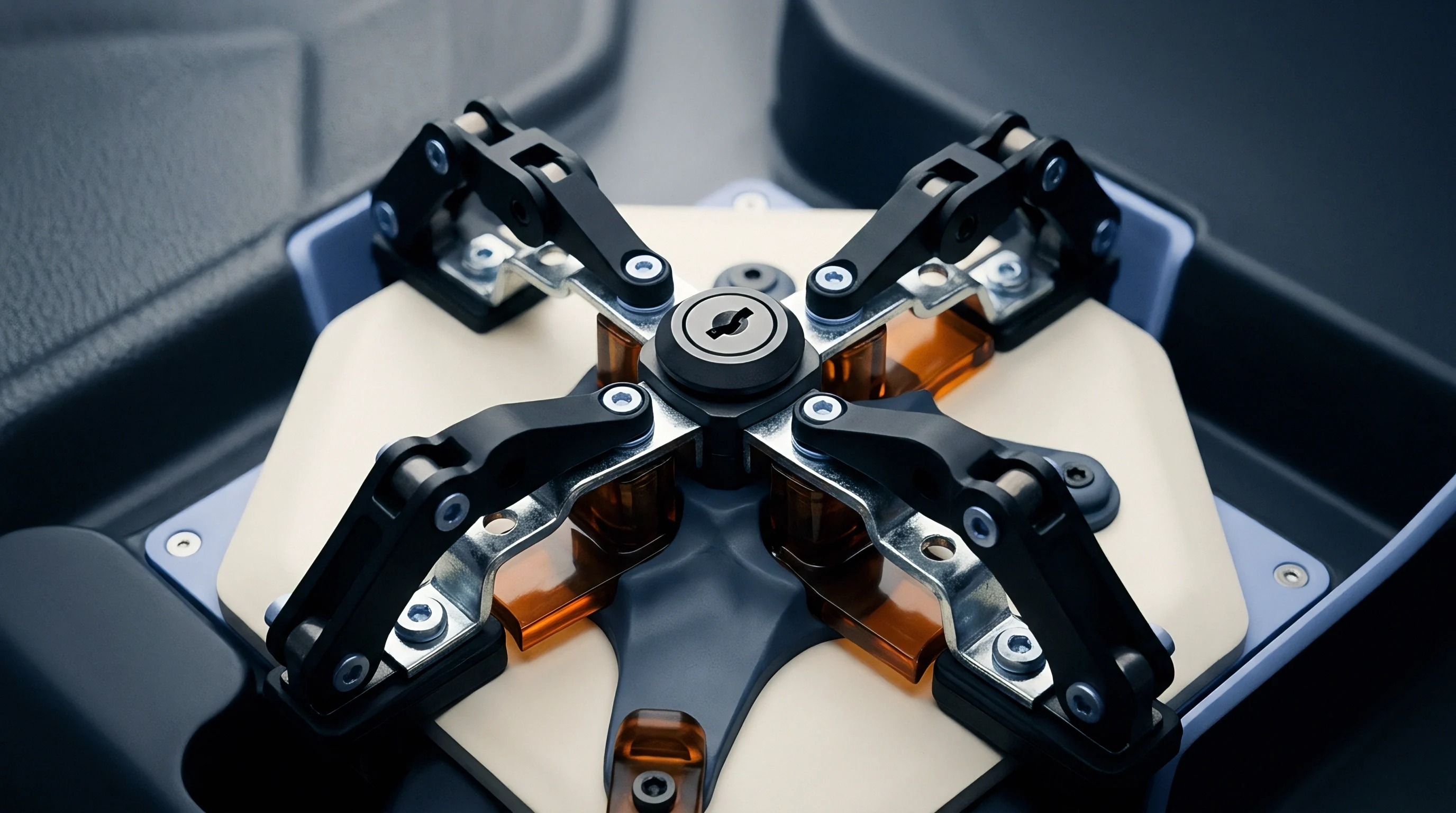
Mold
Mechanical tooling sets both structural stability and ingress protection for custom battery packs. Injection-molded plastic shells, extruded aluminum housings, and stamped sheet-metal lids house the lithium-ion cell arrays. Machining hardened steel inserts for multi-cavity injection molds takes anywhere from eight to fourteen weeks.
Using lower-grade steel or rushing cavity polishing produces sink marks, binding draft angles, and wall-thickness variations that break IP67 perimeter seals.
When CAD models call out tight tolerances across large cell arrangements, cavity wear steadily alters stack-up geometry. Cylindrical cell cradles molded from polybutylene terephthalate or polycarbonate blends shrink during cooling. Tool designers apply shrinkage allowances of 0.5% to 0.7%, depending on glass-fiber content; miscalculating these rates yields loose cell pockets that subject wire bonds and spot-welded tabs to severe vibration fatigue.
Tooling shops run P20 steel for low-volume prototype tooling rated under 50,000 cycles, whereas serial production calls for H13 or S7 hardened tool steel capable of sustaining hundreds of thousands of shots under pressure. Opting for cheaper steel trims upfront tooling costs by roughly 30%, but leads to cavity erosion, flash on cell holders, and unscheduled mid-program rebuilds.

Steel Selection and Cavity Lifetime Limits
Hardened cavities handle the abrasive flame-retardant fillers found in V-0 rated resins. These additives off-gas corrosive vapors during injection, attacking bare mold surfaces. Chrome plating or titanium nitride coatings protect cavity walls and preserve tool life.
When quotes drop these surface treatments to present a leaner NRE figure, the buyer absorbs the difference in maintenance downtime later on.
Dimensional drift inside plastic cell spacers shifts the pitch between adjacent cylindrical cells, inflating scrap rates. A drift of just 0.2 millimeters across a 20-cell parallel group misaligns automated laser welders. The beam then misses the terminal center, scorching the outer insulation ring or creating high-resistance cold joints that fail end-of-line quality checks.

Fixture Wear and Tolerance Drift
Laser welding fixtures, stacking nests, and pack assembly cradles wear down through regular shop handling. Aluminum welding nests exposed to repetitive heat cycles warp over time, unevenly distributing clamping force across cell banks. Inadequate clamping lets prismatic pouches expand during formation and early cycling, producing air gaps between the cells and their cold plates.
UN 38.3 testing responsibility defaults to the pack manufacturer unless explicit assignment language transfers the file upon full payment of certification fees.
Worn assembly fixtures transfer mechanical stresses into electrical joints. Forcing busbars onto misaligned cell terminals with sloppy clamping tools loads the feedthrough seals in shear. After months of thermal cycling and field vibration, these stressed hermetic seals crack, releasing electrolyte vapor and degrading pack capacity.
Alignment disputes divide between mold cavity wear across production runs and incoming cell diameter tolerances when automated laser welders fail to hit terminal centers.
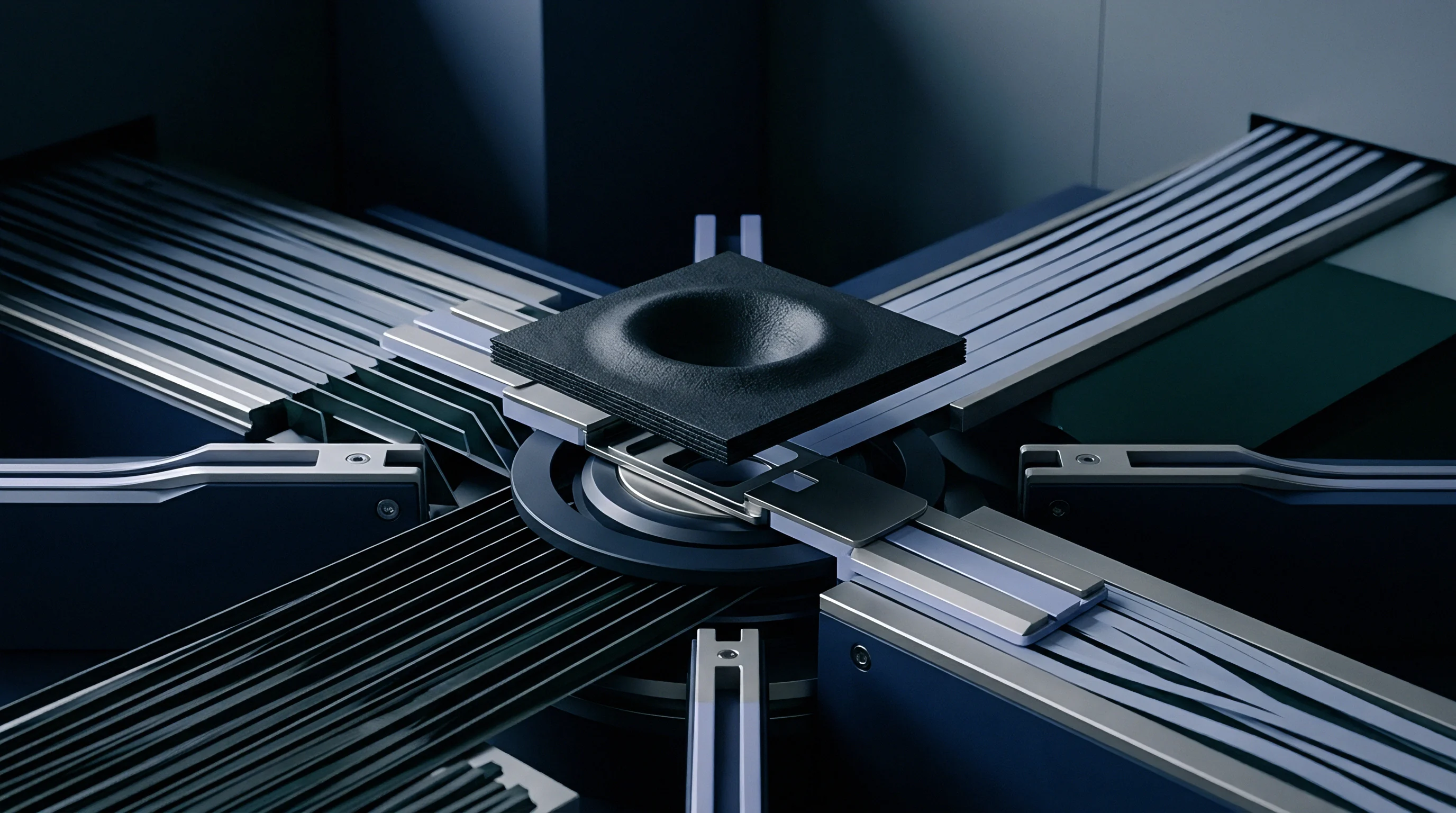

Scope
Custom pack engineering covers far more than enclosure design; it encompasses BMS hardware, embedded control software, thermal management, and regulatory approvals. The software NRE covers tuning state-of-charge tracking, balancing triggers, fieldbus communication over CANopen or Modbus, and fault safety limits. Electronic hardware NRE covers board layout, high-current shunt sizing, contactor selection, and electromagnetic compatibility filtering.
Reopening electronics or enclosure mechanical designs after issuing tooling cut orders triggers heavy engineering change order charges. Modifying an injection mold cavity to accommodate a wider circuit board adds thousands of dollars in EDM machining fees and pushes delivery schedules out by six weeks. Vaguely scoped work orders at contract signing drive the bulk of NRE cost overruns.
Regulatory compliance represents another major non-physical NRE cost. Certifying a battery pack under UN 38.3 transport standards, IEC 62133 safety mandates, or UL 2580 electric vehicle specifications requires sacrificial test packs, custom fixtures, and accredited lab time. The testing subjects packs to mechanical shock, external shorts, high heat, and forced internal discharge.
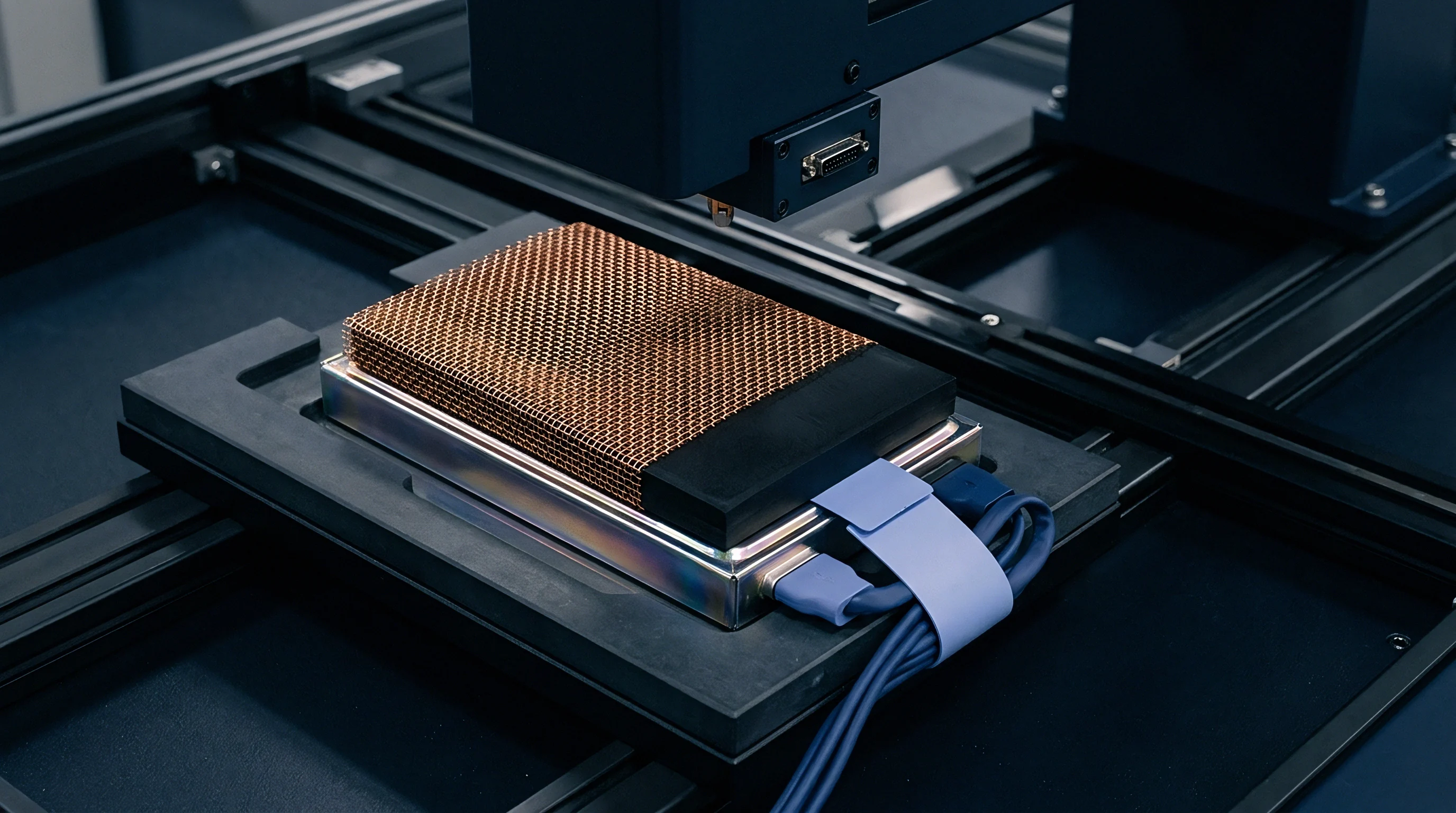
Compliance Certification Ownership
Compliance documentation functions as a commercial gatekeeper. When an accredited laboratory issues a UN 38.3 summary or IEC 62133 certificate, the document names a specific applicant. If the supplier pays the testing facility directly using unitemized NRE funds, the supplier lists themselves as the applicant and owner of the compliance dossier.
The buyer cannot transfer production of the identical pack design to another assembly site without re-funding the full testing sequence.
| NRE Scope Element | Standard Amortization Ceiling | IP Assignment Default | Critical Failure Mode |
|---|---|---|---|
| BMS Firmware Modifications | 10,000 Units | Licensed Executable Only | Vendor lock-in on custom CAN frames |
| PCB Layout & Gerber Files | 5,000 Units | Owned by Client upon Payment | Inability to re-source component sourcing |
| UN 38.3 Certification Dossier | Full Upfront Payment Preferred | Owned by Applicant of Record | Inability to ship products via air freight |
| Thermal Interface Tooling | 15,000 Units | Joint Ownership Structure | Die-cut pad dimension drift across batches |
| Vibration & Shock Test Jigs | 20,000 Units | Retained by Testing Facility | Unusable fixtures at third-party test labs |

Firmware Customization and IP Boundaries
Battery management system firmware controls cell balancing timing, temperature cutout thresholds, short-circuit response times, and state-of-health estimation algorithms, but pack integrators generally treat base firmware libraries as proprietary intellectual property. Buyers receiving compiled binary executables face complications when requiring customized communication layers or safety thresholds. The NRE contract must define who owns the customized application code.
- Source Code Access establishes whether full software repositories or only binary flash files transfer upon completion of NRE milestones.
- Test Dossier Title defines which party holds official ownership of laboratory test reports for UN 38.3 and UL standard filings.
- Component Gerber Files guarantee the buyer can manufacture replacement BMS circuit boards through independent surface-mount assembly lines.
- Tooling Modification Limits specify maximum permitted design revisions before engineering change order fees apply.
- Calibration File Rights protect access to low-level battery management parameter maps necessary for field servicing.
Preventing an integrator from repurposing custom BMS application code across competing customer programs requires explicit non-use terms, because general development fees do not automatically grant exclusive IP rights.

Volume
Amortization structures rely on realistic volume forecasts to spread upfront engineering charges into unit costs. When order delivery rates match initial targets, pack costs decrease along a clear trajectory. If deliveries miss expectations, an unrecovered capital deficit opens up.
Suppliers guard against this through clawback language in master agreements or by hiking pack prices on subsequent purchase orders.
Under a standard agreement that amortizes 60,000 USD of tooling expenses over an expected volume of 10,000 packs ~ adding 6.00 USD per unit ~ an actual order of only 2,500 units leaves the supplier absorbing a 45,000 USD shortfall. To balance this exposure, contracts incorporate minimum purchase quantities, specified delivery schedules, or graduated pricing tiers.
If a customer cancels a project before fulfilling the agreed order volume, suppliers retain physical tooling assets under possessory liens on injection molds, cell holders, and custom busbar dies, blocking production transfers to alternative contract manufacturers.

Unit Cost Amortization Curves
Evaluating amortization dynamics across varying production levels demonstrates how vulnerable piece prices are to volume shortfalls. Paying NRE directly upfront keeps the unit cost flat and transparent from the initial build onwards.
| Production Target (Units) | Actual Delivered (Units) | Amortized Fee Per Unit (USD) | Base Pack Unit Price (USD) | Effective Landed Unit Cost (USD) | Supplier Unrecovered Balance (USD) |
|---|---|---|---|---|---|
| 20,000 | 2,000 | 40.00 | 180.00 | 220.00 | 72,000 |
| 20,000 | 5,000 | 16.00 | 180.00 | 196.00 | 60,000 |
| 20,000 | 10,000 | 8.00 | 180.00 | 188.00 | 40,000 |
| 20,000 | 20,000 | 4.00 | 180.00 | 184.00 | 0 |
| 20,000 | 30,000 | 2.67 | 180.00 | 182.67 | 0 (Over-amortized) |
| Assumes base battery pack manufacturing cost of 180.00 USD and fixed tooling NRE of 80,000 USD. Over-amortization occurs when orders exceed targets without a contractually defined price step-down clause. | |||||
When Is Direct NRE Payment Preferable to Amortization?
Direct upfront payment of tooling NRE is preferable when project volume forecasts carry uncertainty. Paying for tooling up front lowers per-unit prices and provides clear legal ownership of physical molds from day one. This structure removes clawback exposure, volume penalties, and asset retention disputes if product demand falls short of internal expectations.
Amortizing tooling costs into cell pack unit prices shifts financial risk directly onto supplier volume forecasts.
Conversely, early-stage ventures with limited capital reserves may choose amortization to preserve working capital for market launch. In this setup, buyers accept higher per-unit costs and agree to short-fall clawback clauses in exchange for reduced upfront expenditure.
- Unearned Amortization Overcollection happens when suppliers continue charging the amortized tooling fee after total order volumes cross the contractual recovery milestone.
- Premature Mold Abandonment arises when low production volume leads suppliers to halt tool maintenance, causing dimensional drift before the tool reaches its intended operational lifespan.
- Unilateral Price Hikes occur when suppliers adjust unit prices mid-contract to make up for slow order cadences and unrecovered tooling costs.
- Tooling Repossession Deadlocks happen when buyers attempt to transfer molds to a new assembly site while holding outstanding unpaid amortization balances.
Volume shortfalls compress landed margins by concentrating unamortized capital charges onto fewer finished battery packs.
Paying for tooling upfront ensures asset ownership, eliminates unit-cost distortion, and prevents legal disputes over unrecovered NRE balances during volume downturns.
Audit
Tooling management demands hands-on verification on the factory floor. Injection molds, dies, and weld fixtures wear under mass production. Without formal tracking, tools get misplaced, modified without approval, or run for unauthorized off-shift production.
Metal asset tags, disciplined first-article inspections, and routine tool maintenance defend the initial investment.
Buyers should attach permanent metal asset plates directly to hard tooling, stamped with legal ownership details and part drawing revisions. Regular factory audits ensure the molds sit in proper storage, undergo routine maintenance, and run only on authorized production lines.
Even after complete tooling payments, pulling molds out of an existing supplier’s plant faces physical and procedural roadblocks. Heavy injection molds demand specialized rigging, dedicated freight handling, and formal export-import customs clearance. Contracts need explicit facility access clauses to make tooling handovers feasible during manufacturing transitions.
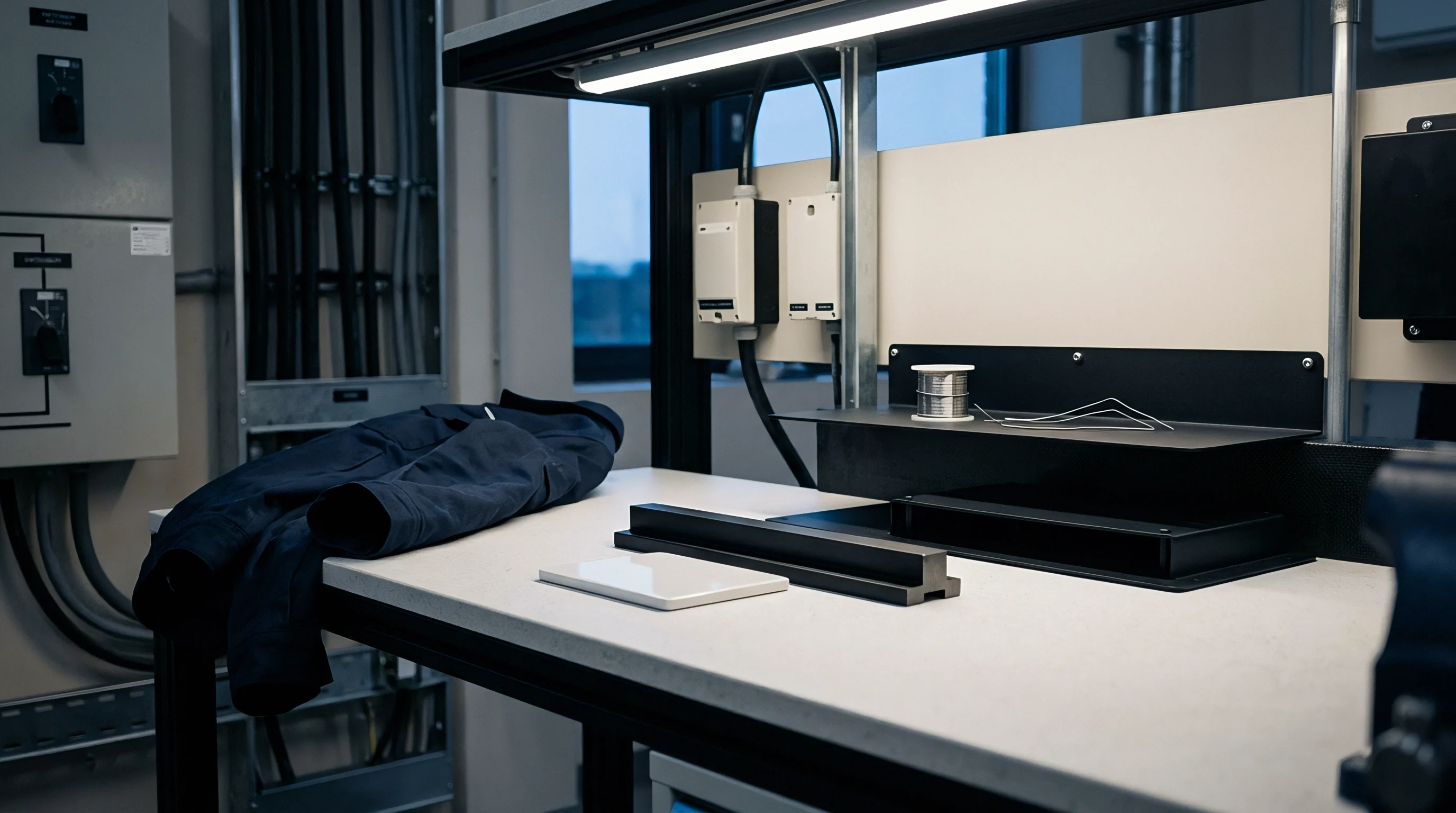
Physical Asset Verification on Factory Floors
Direct inspection reveals true mold health, operational wear, and service records. Technicians verify cavity guide pins, ejector pins, cooling circuits, and cavity plating for pitting or physical wear. Unrecorded tool tweaks, like hand-grinding a runner or gate to clear a flash issue, signal underlying dimensional defects that will distort molded parts.
First Article Inspection (FAI) reports confirm that parts produced from audited tooling meet engineering drawing tolerances. A proper FAI protocol measures dimensional parameters across initial mold shots using coordinate measuring machines. Approving first-article samples establishes the quality baseline for subsequent production runs.

Tool Maintenance and Refurbishment Thresholds
High production volumes wear cavity faces, demanding planned maintenance and periodic refurbishments. Standard upkeep includes descaling cooling lines, repolishing worn cavities, and swapping tired ejector pins. Defining maintenance cost thresholds beforehand stops quality disputes from stalling ongoing runs.
Pre-molded silicone cell gaskets eliminate custom compression tooling while maintaining structural ingress barriers.
- Physical Asset Identification Photo confirms metal tag application containing serial numbers, part numbers, and legal ownership markers.
- Dimensional Inspection Report provides coordinate measuring machine documentation verifying part dimensions against master CAD drawings.
- Shot Counter Log Extract records total operational cycles completed by the mold to track wear against expected lifespan limits.
- Tool Maintenance History Log details past repairs, cavity repolishing activities, and replacement of internal wear components.
- First Article Sign-Off Dossier documents formal engineering approval of initial parts produced by the tooling asset.
Under Section 4.2 of standard international manufacturing agreements, physical tooling assets held by a contract manufacturer remain the exclusive property of the buyer and must be released within ten business days of written notice without assertion of possessory liens.

Contract
Commercial contracts define the financial and legal framework for custom battery pack development. Clear contract terms manage intellectual property assignment, tooling ownership transfer, early termination obligations, and warranty boundaries between cell suppliers, pack integrators, and end buyers. Without explicit legal provisions, generic supply agreements default to supplier-favorable terms, risking asset loss and project delays during supply chain disruptions.
Contracts must explicitly separate hard tooling purchases from general engineering services. Liquidated damages clauses, volume adjustment mechanisms, and clear payment schedules ensure transparent financial commitments throughout the development and production lifecycle.
Insolvency risk protection requires proactive legal drafting. If a pack manufacturer enters bankruptcy, uncollected physical tooling stored on their premises may be seized by secured creditors. Attaching clear legal ownership plates and filing public asset notices protects buyer-owned tooling from third-party liquidation claims.

Early Termination Clawback Frameworks
Project cancellations require clear contract termination language. Early termination frameworks define how remaining unpaid NRE balances are calculated if a buyer cancels a project before reaching agreed volume milestones. Fair clawback clauses limit buyer liability to the actual unpaid capital balance of physical tooling, excluding unearned supplier profit margins.
When sales fall below projections, suppliers invoke clawback terms to recover unamortized capital expenses unless phased payment schedules are established to limit financial exposure.

Insolvency and Tooling Repossession Protocols
Asset retention language must hold up under corporate insolvency or restructuring. Securing clean asset title, archiving offsite tooling drawings, and defining clear repossession steps allows buyers to recover physical molds if a supplier encounters financial distress.
Warranty boundaries depend on component isolation. When field battery failures occur, suppliers often dispute whether defects stem from cell chemistry flaws, bad enclosure sealing, or improper BMS software logic. Clean contract language isolates component warranties, assigning liability based on root-cause failure analysis rather than generic system claims.
Contract execution locks production parameters, locks financial risk boundaries, and defines physical asset recovery options across the entire manufacturing lifecycle of a custom battery pack design.