Meaning
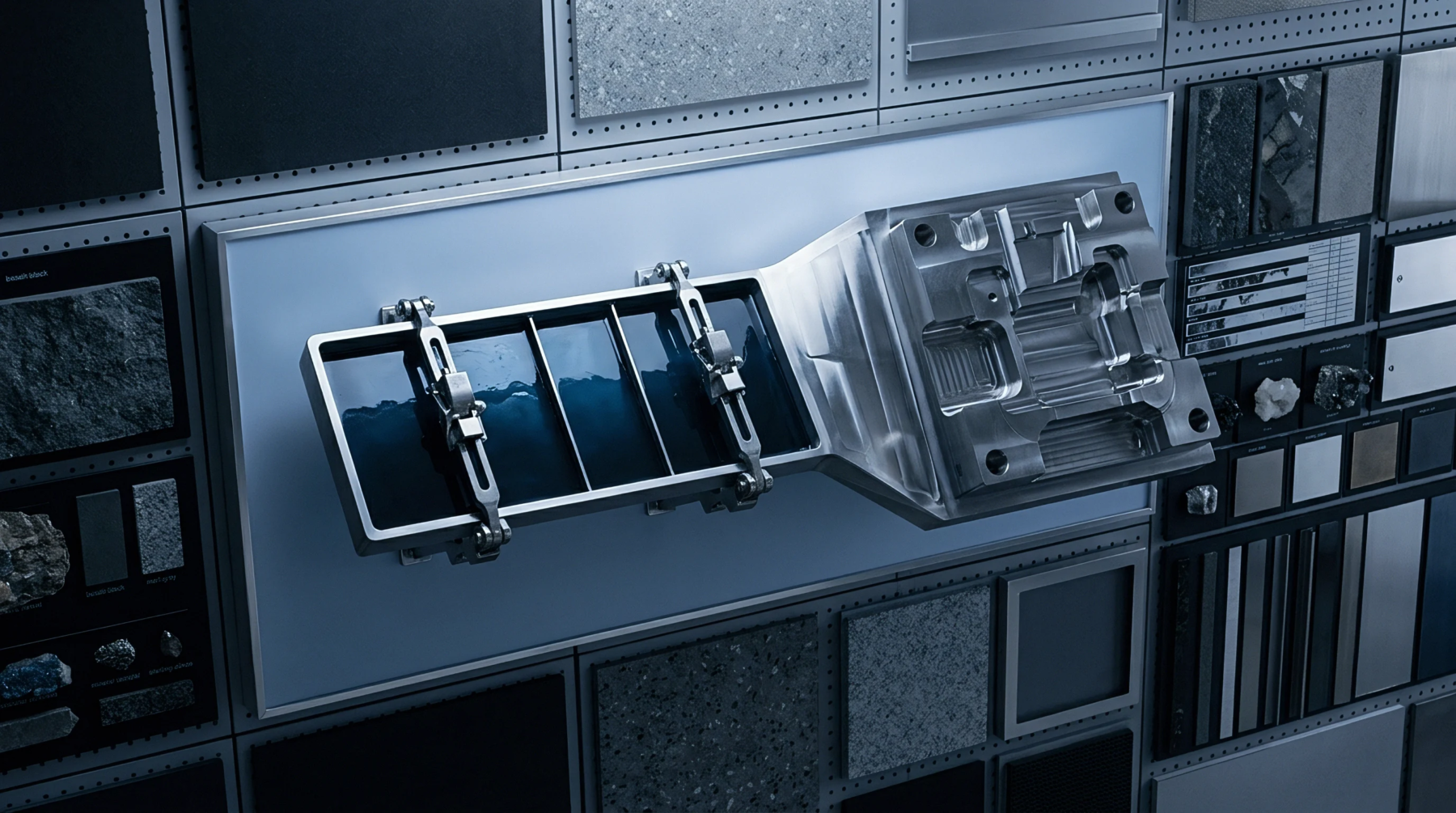
Precision engineered steel tools are used to shape molten plastic into complex components through a high pressure cooling process. In battery manufacturing, injection molds are the primary means of producing cell spacers, module covers and cooling manifolds with high repeatability. They govern the final dimensions and structural integrity of the plastic parts that house and protect the electrochemical cells.
The tool’s application stops when the part is ejected and the mold closes for the next cycle. High quality steel and intricate cooling channels are required to maintain the tight tolerances necessary for automated assembly. These tools represent a significant capital investment for any battery production line.
Tooling Geometry
The design of the cavity and core determines the wall thickness and the location of the reinforcement ribs in the battery part. When creating injection molds, engineers must account for the shrinkage rate of specific polymers used for flame retardant enclosures. This calculation ensures that the finished part fits perfectly within the battery tray after it has cooled.
The mold also includes a gating system that directs the flow of molten plastic to ensure even filling of the cavity. If the geometry is not optimized, the parts may suffer from internal stresses or surface defects like sink marks. Venting channels are placed at the edges to allow trapped air to escape during the injection phase.
These features ensure that the plastic housing is strong enough to withstand mechanical vibrations.
Cooling Circuit
Managing the temperature of the tool is essential for achieving a fast cycle time and consistent part quality. Inside modern injection molds, a network of water channels removes the heat from the molten plastic to solidify the part as quickly as possible. This thermal management system must be designed to provide uniform cooling across the entire surface of the component.
If some areas cool faster than others, the part might warp and fail to meet dimensional specifications. High conductivity alloys are sometimes used in specific sections of the mold to improve the heat transfer rate. Sensors embedded in the tool monitor the temperature in real time to ensure the process stays within the defined window.
Efficient cooling is the primary factor in determining the overall productivity of the molding machine.
Production Cycle
The sequence of clamping, injection, cooling and ejection defines the speed at which the factory can produce battery components. Every cycle of the injection molds starts with the high pressure closure of the two halves to prevent the molten plastic from leaking. Once the plastic is injected and solidified, the mold opens and pins push the finished part out of the cavity.
This process repeats millions of times over the life of the tool, requiring regular maintenance to prevent wear on the sliding surfaces. Lubrication and cleaning of the mold faces are necessary to avoid damage to the high polish finish. The longevity of the tool depends on the quality of the base steel and the precision of the initial machining.
These tools provide the structural foundation for the entire battery pack assembly.