UL 9540 Re-Certification Triggers during Remote Software Modifications
Remote firmware alterations that modify UL 9540 functional safety parameters or operating envelopes trigger mandatory NRTL re-evaluation and delta testing.

Gate
An engineering change order pushed across a cellular gateway into an active 4 MWh lithium iron phosphate storage array alters control execution within milliseconds. Remote communication channels provide grid operators direct access to internal battery management logic, allowing rapid deployment of capacity adjustments and thermal control updates. Modern energy storage hardware depends heavily on software to maintain operation within strict electrochemical boundaries.
When code changes touch the algorithms governing voltage, current, and temperature limits, the fundamental safety foundation evaluated during original equipment listing shifts. Regulatory evaluation regimes treat these embedded software routines as integral safety structures rather than optional operational enhancements.
Safety standard UL 9540 mandates that any energy storage system certified for utility or commercial installation maintains rigid containment of electrical, thermal, and mechanical hazards. The standard relies on underlying component standards, specifically UL 1973 for battery packs and UL 60730-1 or CSA E60730-1 for automatic electrical software controls. Embedded firmware controls the relays, contactors, and thermal management loops that prevent battery cell excursions into thermal runaway.
Evaluating software safety requires establishing strict division between non-critical telemetry reporting and functional safety protection logic. Software patches that alter protection execution pathways demand full functional safety audit scrutiny.
Software Control Architecture Classifications
Embedded control logic inside stationary battery energy storage equipment operates across distinct operational layers. The regulatory framework established under UL 60730-1 categorizes software routines into three discrete functional classes based on their potential to cause immediate safety hazards upon failure.
| Software Classification | Control Target | Fault Mitigation Requirement | Remote Modification Evaluation Impact |
|---|---|---|---|
| Class A | Human-machine interfaces, cloud telemetry logging, external scheduling algorithms | None required under safety evaluation rules | No recertification required when safety routines remain untouched |
| Class B | Thermal management logic, cell balancing controls, overcurrent protective cutoffs | Prevents unsafe operation following single software or hardware fault | NRTL delta evaluation mandatory for parameter or execution path changes |
| Class C | Dual-redundant emergency shutoff routines, high-voltage contactor latching, explosion control logic | Prevents special hazards without reliance on secondary protection mechanisms | Full system safety re-evaluation and potential physical testing mandatory |
Class A software performs functions that do not affect equipment safety, including display updates, historical data logging, and long-term degradation forecasting. Modifications restricted entirely to Class A binary code pass without triggering regulatory review. Class B software includes routines intended to prevent unsafe system operation, such as monitoring cell temperature sensors to trigger cooling fans or opening contactors when current exceeds rated limits.
Class C software targets the prevention of immediate special hazards, including dual-redundant emergency shutdown logic designed to prevent thermal runaway propagation.
Distinguishing between Class A operational code and Class B functional safety code determines whether a remote update remains a routine maintenance release or becomes a formal recertification trigger. System manufacturers often attempt to package performance optimizations alongside safety parameter adjustments inside a single over-the-air firmware binary. Certification laboratories view any binary package containing Class B or Class C alterations as a complete safety system modification.
Revision control binds legal risk.
Safety shutoff timing is fixed. Operating limits define compliance files. When a software update modifies the execution speed, sensor sampling rate, or fault reaction thresholds of Class B protection routines, the original certification report no longer accurately reflects the fielded hardware configuration.
Code modifications affecting primary safety cutoffs convert a software patch into a system redesign.


Classification
Modifying code executed by embedded microcontrollers introduces distinct regulatory consequences depending on whether the affected binary routine touches primary protection mechanisms. Remote software updates deployed to fielded energy storage systems fall into three operational categories: cosmetic updates, parameter tuning, and structural safety revisions. Testing laboratories review binary differential files to verify that software modifications remain strictly confined within documented functional boundaries.
An update that alters thermal control logic or state-of-charge calculation routines changes the physical operating conditions of the lithium-ion cells.

Operating Envelope Adjustments and Protective Thresholds
Parameter changes transmitted remotely often adjust usable pack capacity or modify thermal derating logic to offset capacity loss over time. Increasing cell upper cut-off voltage from 3.60 volts to 3.65 volts recovers lost discharge capacity, yet directly diminishes the thermal stability margin of the cathode chemistry. Lowering minimum operating temperatures allows winter operation, but increases the probability of lithium plating during high-rate charging cycles.
Each change moves the cell closer to severe safety boundaries established during initial laboratory evaluation.
An increase of 50 millivolts per cell in upper charge cutoff voltage reduces thermal runaway onset time by 38 percent during cell level overcharge testing.
Remote modification of embedded BMS software can inadvertently bypass certified safety hardware protections. System integrators face specific structural software failure modes when pushing field modifications:
- Overvoltage Cutoff Threshold Elevation adjusts maximum allowable cell voltage beyond original UL 1973 tested limits, increasing thermal runaway risk during sustained charging.
- Thermal Management Derating Suppression delays automatic current reduction during high ambient temperature conditions, accelerating electrolyte decomposition and cell venting.
- Overcurrent Protection Delay Extension lengthens the software reaction window before opening contactors during short-circuit events, overwhelming physical fuse clearing curves.
- State of Charge Rescaling Logic modifies internal Coulomb counting algorithms, masking physical cell imbalance and leading to undetected localized overcharging.
- Contactor Execution Path Bypassing alters digital output sequences during emergency shutdown routines, leaving high-voltage buses energized during fault conditions.
Firmware changes invalidate existing testing. Cell degradation alters safety boundaries. Standard listing files maintained by Nationally Recognized Testing Laboratories contain precise descriptions of approved firmware version numbers, memory checksums, and software parameter tables.
Adjusting a single protection parameter outside the bounds recorded in the laboratory evaluation file creates an unlisted equipment condition.
Field deployment alters system liability. Software patches alter safety boundaries. Authority Having Jurisdiction officials inspecting installed stationary storage systems check on-site software documentation against the original NRTL certificate.
Discrepancies between installed firmware versions and listed dossier revisions stop site operating permits until formal evaluation updates occur. Compliance with UL 9540 Clause 12.1 mandates that any software alteration modifying a safety shutdown threshold automatically invalidates the underlying listing report until an engineering evaluation report is issued by the certification body.

Variance
Thermal runaway propagation risk assessed during UL 9540A unit level fire testing depends on precise cell operating conditions during thermal abuse initiation. Test conditions evaluate cell surface temperature, gas composition, flame acceleration, and radiant heat flux under specific voltage and state-of-charge states. Over-the-air firmware updates that elevate maximum charging voltages or alter passive thermal management response profiles change the energy density and thermal release rates of the storage enclosure during catastrophic cell failure events.
When Does Software Revision Require Field Recertification?
Remote adjustment of primary control thresholds invalidates site listing records maintained by local fire marshals and electrical inspectors. Evaluating whether an over-the-air parameter change demands a formal field evaluation or file revision depends on how the software update alters system-level safety margins. Consider a worked engineering comparison of a containerized 1.5 MW / 3.0 MWh energy storage system operating with lithium iron phosphate cells across two distinct software configurations.
Under Baseline Configuration A, the listed UL 9540 safety file specifies an upper charge voltage limit of 3.65 V per cell, a maximum continuous charging current of 500 A across the DC bus, and an upper thermal shutdown threshold of 50 °C measured at the cell module header. Laboratory UL 9540A testing under Configuration A demonstrates that thermal runaway forced upon a target cell via internal heater abuse yields a peak heat release rate of 120 kW, with fire containment verified within the primary module rack without cascading propagation.
Under Modified Configuration B, an over-the-air firmware update elevates upper charge voltage to 3.72 V per cell to compensate for capacity fade, increases continuous charge current to 600 A, and extends the upper thermal shutdown threshold to 58 °C to reduce auxiliary HVAC power consumption. The increased voltage elevates stored electrochemical energy within the pack by 3.8 percent. Heat generation rates (I2 R) within internal interconnecting busbars increase by 44 percent due to the elevated current limit.
Operating at 58 °C reduces the temperature margin between normal operation and separator collapse by 8 °C.
The parameter shifts in Configuration B directly invalidate the UL 9540A explosion control analysis and fire propagation boundaries established during baseline certification. The physical fire containment proven during baseline UL 9540A testing no longer guarantees containment under the elevated thermal and electrical stress profiles of Configuration B. The certification laboratory requires delta physical testing or detailed computational fluid dynamics fire modeling before amending the system listing file.
UL 9540 Third Edition Section 13.2 requires complete functional safety re-validation whenever operating software governing battery thermal protection is altered remotely.
| Software Parameter | Baseline Listed Range | Field OTA Modification | UL 9540A Risk Profile Impact | NRTL Re-Certification Action |
|---|---|---|---|---|
| Upper Voltage Cutoff | 3.65 V / cell | 3.72 V / cell | Elevates gas volume and thermal runaway violent venting severity | Mandatory delta overcharge testing and file revision |
| Thermal Shutdown Limit | 50 °C cell surface | 58 °C cell surface | Reduces time margin to thermal runaway initiation under cooling failure | Functional safety audit and thermal re-evaluation |
| Overcurrent Trip Time | 100 ms response | 250 ms response | Increases short-circuit arc flash and busbar melting probability | Circuit protection clearing analysis re-verification |
| Active Balancing Window | Rest mode only | Charge and discharge | Introduces continuous thermal loading on balance resistors | Module level thermal rise re-test |
Parameter drift breaches certified limits. Unlisted firmware voids utility interconnection. UL 9540A test data links directly to NFPA 855 installation limits regarding unit separation distances, maximum allowable quantities, and indoor explosion venting requirements.
Pushing unauthorized firmware revisions across installed storage assets creates uninsurable structural liabilities that void product warranty coverage and trigger immediate site operating suspension by authority inspectors.

Testing
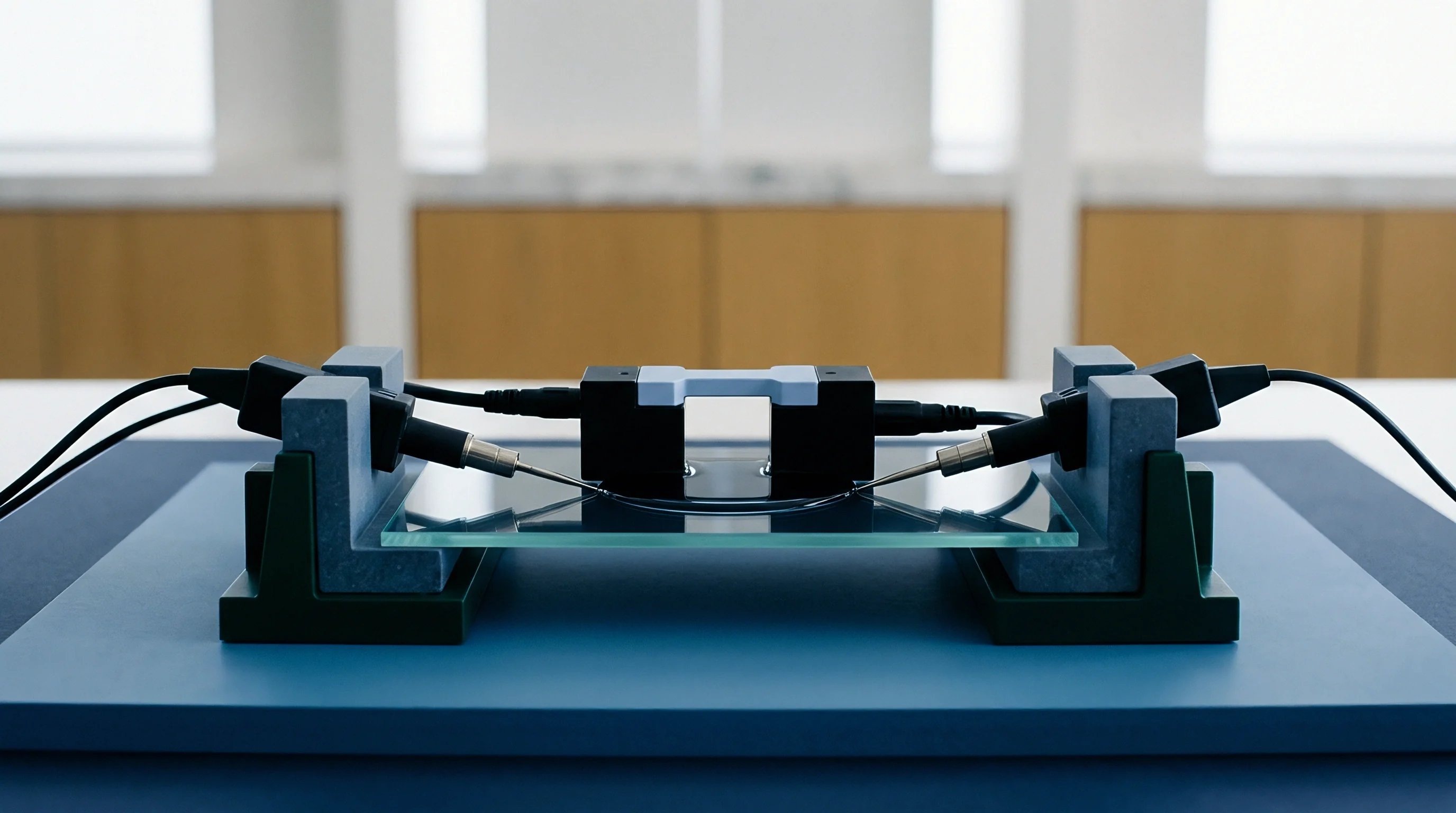
Verification of modified battery management code relies on structured validation environments that isolate safety logic from secondary application code. Testing laboratories employ standardized software auditing protocols to evaluate binary revision changes without re-running entire multi-week physical test campaigns. Delta evaluation strategies combine static code analysis, automated hardware-in-the-loop simulation, and targeted physical fault injection to prove that safety controls operate predictably following firmware updates.

Hardware in the Loop Delta Validation
Emulating electrical and thermal faults at the microcontroller pins provides definitive proof that safety software responds within mandated time windows. Hardware-in-the-loop test benches simulate dynamic sensor inputs, cell voltage imbalance conditions, communication loss events, and high-voltage contactor feedback signals. The simulation environment verifies that modified Class B software executes protective routines within specified maximum reaction latency windows regardless of processor computational load.
Hardware-in-the-loop validation demonstrates that software fault detection remains active even when main communication telemetry fails completely.
Executing an NRTL-compliant delta evaluation for remote software updates follows a rigid sequential verification process:
- Documenting software version control hashes and compiling binary diff files between listed and proposed code bases.
- Executing static code analysis to verify isolation between Class A application routines and Class B safety routines.
- Injecting simulated sensor failures across simulated CAN bus nodes to measure fault detection reaction times.
- Verifying primary contactor open commands occur within specified limits during simulated overvoltage events.
- Re-running physical overcharge and thermal runaway safety tests if functional safety parameters exceed original UL 9540A testing limits.
Listed hardware requires listed controls. Delta testing limits audit scope. System listing rests on code integrity.
When testing laboratories verify that Class B routines remain fully isolated from Class A modifications, the recertification scope shrinks dramatically to administrative dossier updates. Equipment vendors frequently claim that over-the-air patch releases contain only optimization routines, yet physical laboratory verification repeatedly proves these updates shift core battery protection boundaries.

Attestation
Maintaining regulatory compliance across installed storage fleets requires detailed paper records that trace every software binary version to its authorized certification report. Certification marks stamped on battery enclosures apply strictly to the specific hardware and software configurations identified within the testing laboratory listing report. When remote software modifications occur post-installation, the asset owner and equipment manufacturer share responsibility for updating technical files and maintaining site compliance folders for inspection by local fire authorities.

Technical Dossier Maintenance and Authority Filing
Certification laboratories issue updated evaluation certificates only after reviewing documented software revision histories and delta verification test records. The technical dossier supporting a UL 9540 listing serves as the evidentiary chain during municipal fire safety reviews, insurance underwriting assessments, and warranty dispute arbitrations. Any gap between the software build version running on site microcontrollers and the binary checksum recorded in the NRTL listing dossier compromises the legal validity of the installation certification.
Unrecorded remote software patches represent the primary cause of invalid field listings during municipal fire code compliance audits.
| Dossier Component | Originating Entity | Regulatory Purpose | Mandatory Update Trigger |
|---|---|---|---|
| Software Version Ledger | Equipment Manufacturer | Traces binary checksums, build dates, and change logs | Every remote software build release |
| Class B Isolation Certificate | NRTL / Safety Auditor | Proves non-safety code cannot disrupt safety execution | Architecture or compiler toolchain updates |
| Delta Evaluation Report | Nationally Recognized Testing Lab | Documents HIL testing results and parameter boundary compliance | Safety threshold parameter modifications |
| Site Compliance Addendum | System Integrator / Asset Owner | Updates NFPA 855 emergency management records for local AHJ | Any modification altering UL 9540A risk files |
Asset managers maintaining fielded energy storage systems execute specific verification steps before authorizing remote software rollouts:
- Version Hash Verification matches pre-deployment binary SHA-256 checksums against NRTL evaluation report records.
- Impact Scope Assessment flags parameter changes touching cell voltage, temperature, or current protective limits.
- NRTL File Revision Notification submits delta technical files to the certifying laboratory prior to site deployment.
- Local AHJ Disclosure Records archives updated evaluation certificates within on-site fire control documentation cabinets.
Documenting software compliance protects operating licenses. Certification records require explicit boundaries. As remote firmware management becomes standard practice across energy storage assets, the grid industry faces an open dispute over whether automated field auditing software can legally replace physical inspection of installed battery management software.